
REVIEW · INDONESIA
3d/2n trekking mount rinjani summit lake & hot springs
Mount Rinjani saves its biggest rewards for people willing to work for them. This 3-day, 2-night route climbs from Sembalun to the summit, drops into the crater to Segara Anak Lake and its hot springs, then climbs back to Senaru Crater Rim before descending through forest.
I like the variety: open savanna on day one and thick tropical forest on day three. I also like the practical support, with porters carrying camp gear and cooking proper meals such as fried rice, curry, noodles, pancakes, vegetables, and fruit. The drawback is serious: this is a very hard trek, and day two can become a punishing seven-hour-plus effort after the summit.
- Sunrise from 3,726 meters: The summit climb begins around 3 a.m. for views across Lombok, Bali’s Mount Agung, and the Gili Islands.
- Two crater rims, one long route: You camp first at Sembalun Crater Rim, then at Senaru Crater Rim after visiting the lake.
- Segara Anak and hot springs: The crater lake gives you a needed rest point, though reaching it means a steep descent and another steep climb.
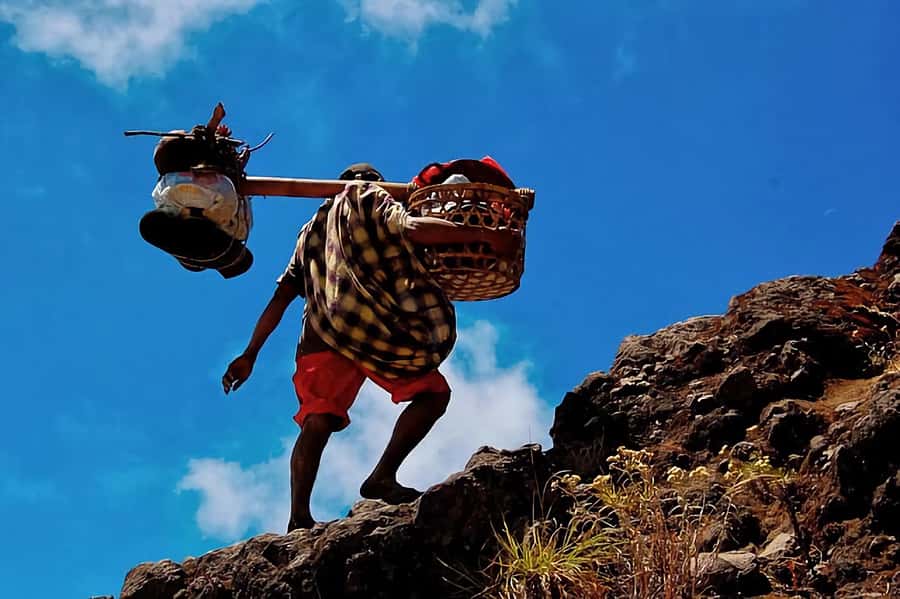
- Porters make the trek possible: They carry camping and cooking equipment, water, food, tents, mattresses, and sleeping bags.
- A real high-altitude challenge: Cold nights, loose rock, steep slopes, and a pre-dawn summit push demand good fitness and suitable clothing.
- A flexible route plan: The normal itinerary runs Sembalun to Senaru, but the starting and finishing gates can change if permits at Sembalun are full.
Why the Sembalun to Senaru route is worth the effort
At $154 per person, this trek offers a lot for a three-day mountain trip. Your fee covers pickup in Senaru or Sembalun, an English-speaking guide, porters, food, drinking water, camping gear, trekking poles, headlamps, park transport after the trek, and drop-off toward Senggigi, Bangsal Port, or Mataram.
The value comes from the logistics. Mount Rinjani is not a simple walk with a packed lunch. You need tents, cooking gear, sleeping equipment, water, meals, and people who know the route. Having porters carry the heavy load lets you focus on the climb, though you still need to carry your personal clothing, camera, sunscreen, and other supplies.
The listed package includes two lunches, three dinners, and two breakfasts, along with two liters of mineral water per person per day. The published national park fee is extra at IDR 250,000 per person per day. That cost matters, so add it to your budget before comparing the price with other Rinjani trips.
The trek is offered as a private or small-group trip. That matters on a route this demanding. A guide can adjust the pace more easily in a small group, while a larger group can create longer waits at narrow or steep sections. One reported group had 12 people, two guides, and five porters, with Agus as the lead guide. If you can request a particular guide, asking for Agus may be worthwhile, but guide assignments are not guaranteed.
Day one: Sembalun’s grass savanna to the crater rim
The standard morning begins with pickup at about 7 a.m. in Senaru. From there, a 4WD vehicle takes you to Sembalun, where you register at the Rinjani Trek Centre at roughly 1,156 meters.
If you are staying in Sembalun, pickup is listed for about 8:30 a.m. Confirm the exact time before departure, since the plan differs by starting point. The park gate and permit situation can also affect the route.
The first part of the walk crosses broad, open grassland. This is the gentlest-looking part of the trek, with wide views and little shade. You pass Pos 1 and Pos 2, stopping for breaks and snacks before reaching Pos 3 at about 1,800 meters.
Lunch comes at Pos 3, then the character of the walk changes. The climb to Sembalun Crater Rim becomes steep, with the open route offering little protection from sun or wind. Save energy here. The first day is not a warm-up stroll, especially if you are carrying a full personal pack.
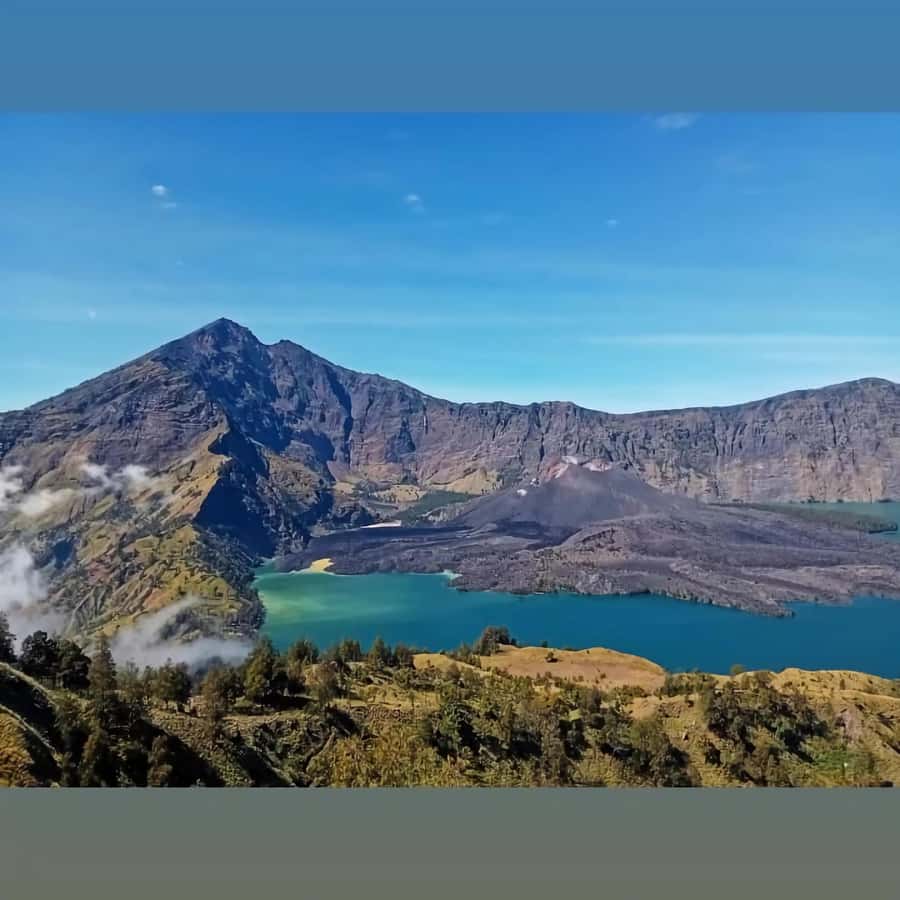
You camp at Sembalun Crater Rim, around 2,639 meters. This is one of the trip’s best places to pause, with views toward Segara Anak Lake, Rinjani’s summit, and northern Lombok. Sunset can be spectacular, but the air becomes cold quickly after dark.
Bring thermal layers, a warm jacket, gloves, and a hat. One person who completed the trek advised sleeping fully dressed inside the sleeping bag, which gives you a good idea of the night-time conditions. The package supplies a sleeping bag and mattress, but you should not assume they will replace your own warm clothing.
More Hot Springs in Indonesia
- Bali: Mount Batur Sunrise Guided Hike and Natural Hot Spring
★ 4.8 · 9,284 reviews - Mount Batur Sunrise Hike and Natural Hot Spring Option
★ 5.0 · 1,927 reviews - Jakarta: Volcano, Tea/Rice Fields, Hot Spring, Local Food
★ 4.9 · 515 reviews
The 3 a.m. summit push and sunrise at 3,726 meters
Day two begins around 3 a.m. with a light breakfast. The climb to Mount Rinjani’s summit takes about three hours according to the planned schedule, though your actual time depends on your pace, rest breaks, weather, and trail conditions.
This is the hardest section for many people. The early start means darkness, cold, and tired legs. A headlamp or hand torch is included, but bring spare batteries or a charged power bank. Trekking poles are also included and can help with balance on loose or uneven ground.
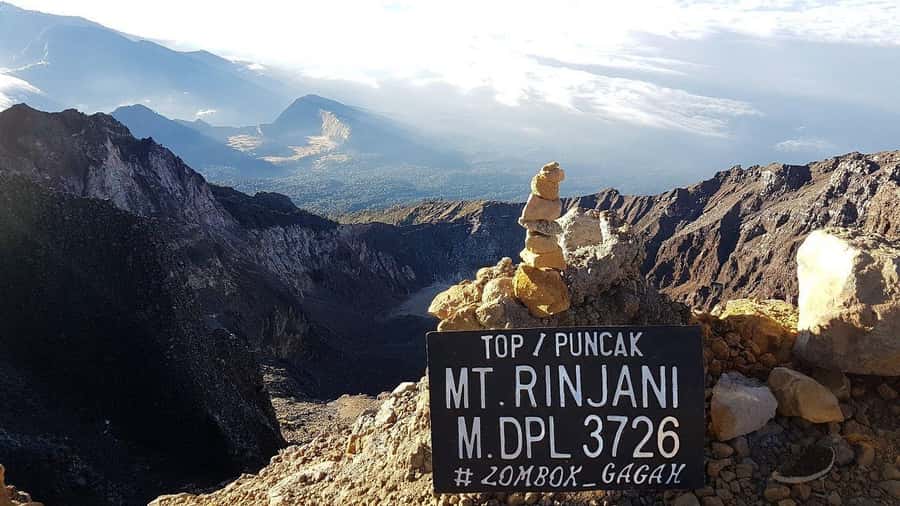
The summit reaches 3,726 meters. Arriving around sunrise gives you wide views over Lombok, the crater, Bali’s Mount Agung, and the Gili Islands. This is the moment that gives the climb its purpose. The view is large and open, but the final push is not easy.
You should be honest about your fitness before booking. One mother and daughter reached the campsite but decided not to continue to the summit because the climb was too physical. Another group found the entire 3-day route exhausting, even though they were fit, and several people stopped short of the full plan.
That is not a failure. Rinjani’s summit is optional in practical terms, even if it is the headline goal. Your guide should help you make a sensible call based on time, energy, and trail conditions. Do not force the final climb simply because you paid for it.
After sunrise, you return to the first campsite for a hot breakfast and a rest. The return takes about an hour and a half in the schedule, but loose ground and tired legs can make it longer. This is where the day’s total workload begins to show.
Segara Anak Lake and the hot springs
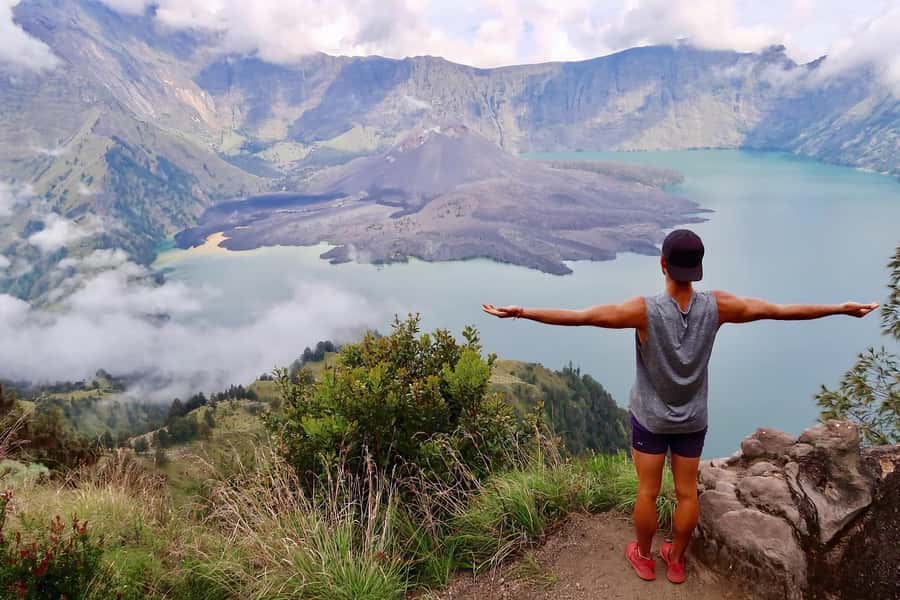
From Sembalun Crater Rim, the route drops into the crater toward Segara Anak Lake at roughly 2,000 meters. The descent is steep and rocky, and it puts strain on knees and ankles after the summit climb.
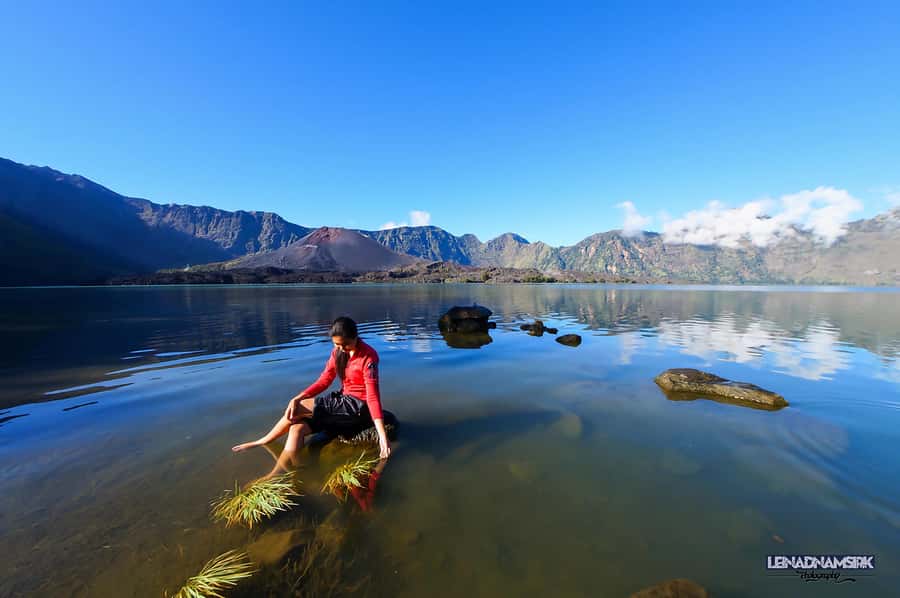
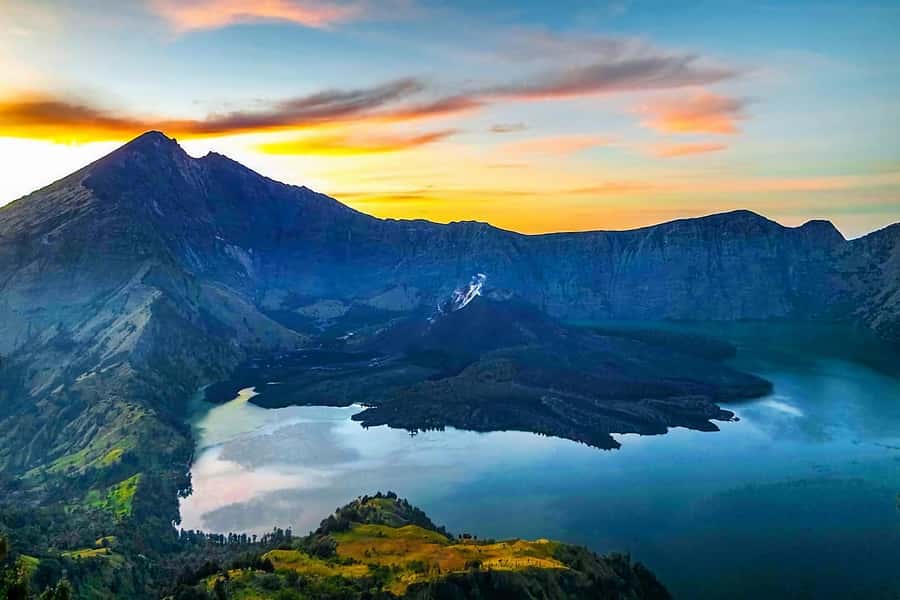
The lake is the trip’s natural pause. You stop for lunch on the shore and have time to swim in the hot springs for a few minutes. The warm water can feel wonderful after the cold summit and the long descent, but do not mistake this stop for the end of the day.
The itinerary continues around the lake before climbing out of the crater. You still need to reach Senaru Crater Rim, about 2,641 meters. That means you lose height to reach the lake, then regain much of it on a steep trail through forest.
This is the key point to understand before booking: the hot springs add beauty and comfort, but they also add work. One report described the route after the hot springs as a dangerous night section because a slower member of the group caused the party to continue after dark. Poor footwear made the problem worse.
Trail conditions can change, and parts of the route have been affected by earthquake damage. Wear proper hiking shoes with good grip. Sandals are listed among the suggested items, but they are better for camp or the hot springs, not for the main trail. Rain protection is not included, so bring your own raincoat.
The second climb to Senaru Crater Rim
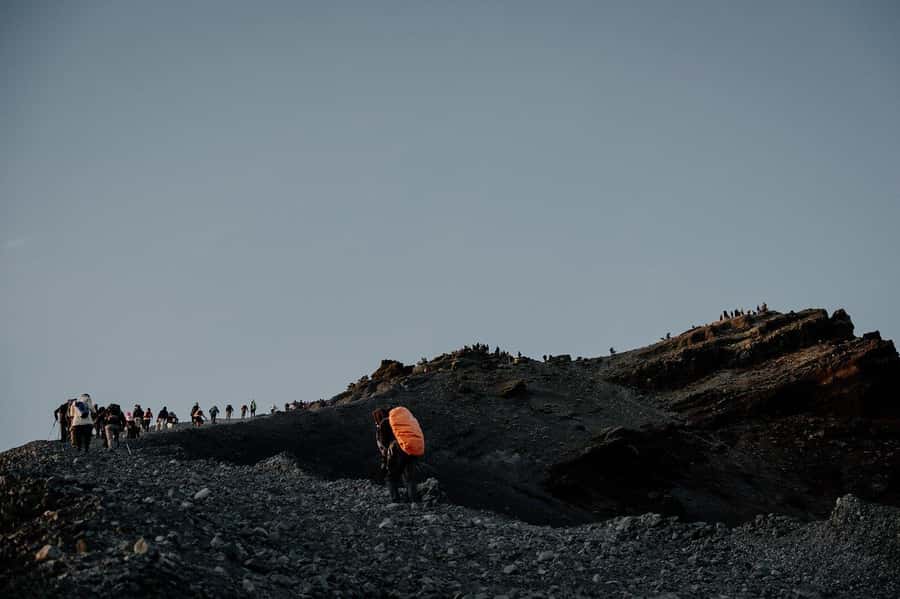
After lunch and the hot springs, you climb through denser forest toward Senaru Crater Rim. The trail is steep and rocky, and the timing is important. A slow pace, a late summit return, or a long break at the lake can push this section into darkness.
Your second campsite sits at about 2,641 meters. From Senaru Crater Rim, you look back across Segara Anak toward the summit and Gunung Baru, the small volcanic cone inside Rinjani’s crater. Mount Agung in Bali and the Gili Islands may also be visible from this side.
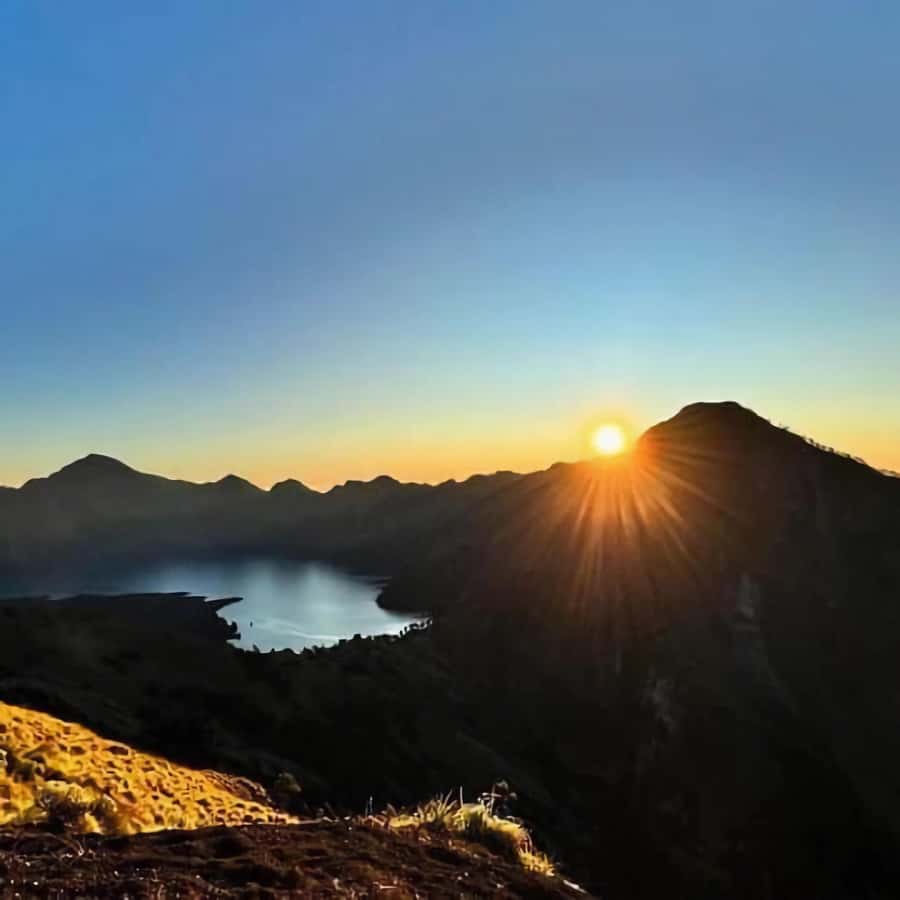
Sunset and sunrise from this rim are major rewards. The view feels different from Sembalun because you are looking across the crater rather than out over the grass savanna. If the weather is clear, this is one of the most memorable parts of the route.
Dinner is served at camp, and the package lists three dinners overall. Meals are basic mountain food, but the porters have been praised for cooking well under difficult conditions. Expect dishes such as fried rice, noodles, curry, pancakes, vegetables, and fresh fruit rather than restaurant-style variety.
Same place, a different way to unwind:
- Body Massage Experience in Ubud Traditional Spa
★ 5.0 · 3,506 reviews - Active Volcano, Rice Field, Hot Spring, Fruit market, Tea Plantation with Lunch
★ 5.0 · 513 reviews - Mt Batur Sunrise, Breakfast & Natural Hot Springs
★ 5.0 · 458 reviews - Private Tour Mount Batur Sunrise Trekking and Natural Hot Spring
★ 5.0 · 431 reviews
Day three: five hours down through Senaru forest
The final morning is less dramatic but still demanding. After breakfast, you descend through Pos 3, Pos 2, and Pos 1, with a longer lunch break along the way. The planned arrival in Senaru is about 1 p.m., after roughly four to five hours of walking.
The route becomes thicker and more tropical as you lose height. This forest section provides shade and a change from the exposed savanna and rocky crater slopes. It is easier on the lungs than the summit climb, but tired knees can make downhill walking surprisingly hard.
Your drop-off after the trek can be arranged toward Senggigi, Bangsal Port, or Mataram. That is useful if Rinjani is one part of a larger Lombok plan. Make sure your onward schedule leaves room for a late arrival, since mountain timings can shift.
How hard is the 3-day trek?
The short answer is very hard. The biggest challenge is not one single climb. It is the combination of the 3 a.m. summit start, the descent to the lake, the climb back to Senaru Crater Rim, and the long descent on day three.
A fit person may still find the schedule exhausting. One account described the second day as more than seven hours after reaching the summit. Another noted that the final day can include three hours to the summit, one and a half hours back to camp, and five or six hours of descent, depending on the route and pace.
The route may also be changed. The stated plan begins at Sembalun and finishes at Senaru, but the operator notes that a full Sembalun permit allocation can require a different arrangement. One completed trip followed Senaru and returned through Segalun, with the guide considering that version easier because the descent was shorter.
Ask for the exact route before departure. You want to know which gate you will use, where you will camp, and whether the summit and hot springs are both included in the active plan.
What to pack for cold nights and rough ground
The supplied list is long for a reason. Pack light, but do not cut the items that protect you from cold, rain, and poor grip.
Bring:
- Hiking shoes, preferably with solid traction
- Warm jacket, gloves, hat, and long pants
- Thermal shirt and trousers for sleeping
- Raincoat, since it is not included
- Sunglasses, sunscreen, and a hat for exposed sections
- Flashlight or headlamp, plus backup power
- Towel and sandals for the hot springs
- Cash, passport, camera, and power bank
- Hiking poles or other trekking gear if you prefer your own equipment
The company provides a trekking pole, headlamp or hand torch, tent, toilet tent, toilet paper, sleeping bag, and mattress. Still, check the condition of supplied equipment when you arrive. Personal comfort items are worth bringing because the nights are cold and the camps are basic.
Who should book this Rinjani trek?
I would recommend this route to hikers who want the full Rinjani circuit rather than a short summit visit. You get the savanna, summit, crater lake, hot springs, both crater rims, and forest descent in one trip.
It suits people who are comfortable with long mountain days, early starts, steep climbs, and basic camping. It also works well for visitors who value a supported trek and do not want to arrange porters, meals, camping gear, and transport separately.
I would not choose it for young children, people new to strenuous hiking, or anyone hoping for a relaxed sightseeing trip. Children under four are not permitted, but the more important question is your own fitness and mountain experience. Even in a group with good fitness, the full schedule can be too much.
The English-speaking guide, porters, food, equipment, and transport make the $154 price reasonable, especially if you would otherwise need to arrange each part yourself. Just add the park entrance fee and your own rain gear and footwear. The free cancellation period allows cancellation up to 24 hours before departure, and reserve-now, pay-later booking is available.
Should you book it?
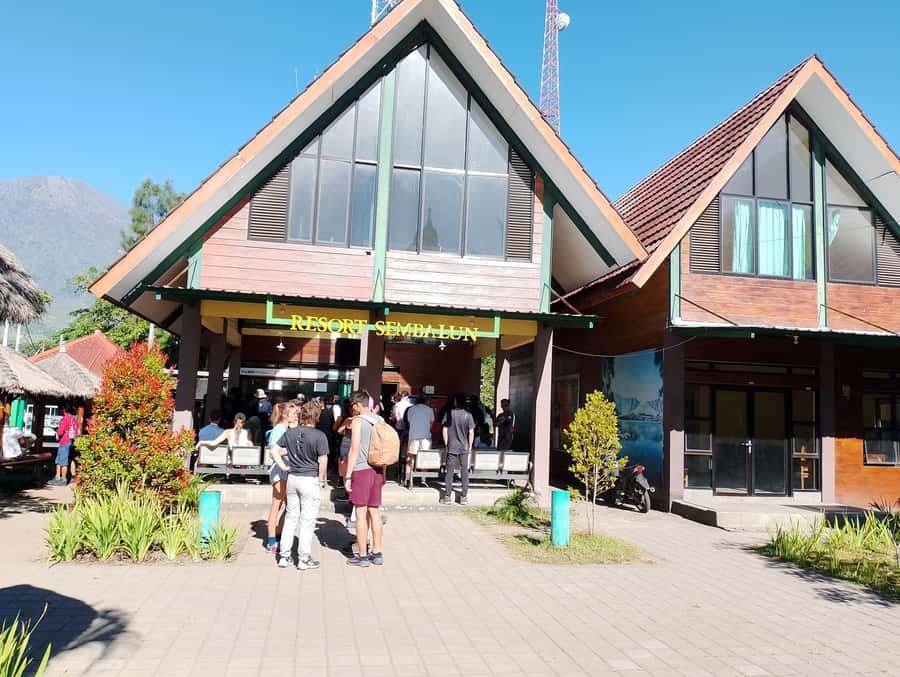
Book this trek if your priority is seeing nearly every side of Mount Rinjani and you accept that the summit, lake, hot springs, and second crater rim come with a heavy physical price.
Choose it only after checking the exact route, permit status, group size, and current trail conditions. If your main goal is the summit and you want a less exhausting schedule, a shorter two-day option may suit you better. If you want the full mountain story and can handle a very long second day, this is a strong-value adventure with excellent views and practical support.
FAQ
How long is the Mount Rinjani trek?
The program lasts three days and two nights.
Where does the trek normally start and finish?
The planned route starts at Sembalun and finishes at Senaru. The route may change if permits for the Sembalun gate are full.
Does the trek include the summit?
The schedule includes a pre-dawn climb to Mount Rinjani’s 3,726-meter summit for sunrise. Reaching the summit depends on your fitness, pace, and trail conditions.
Are Segara Anak Lake and the hot springs included?
Yes. The itinerary descends to Segara Anak Lake for lunch and a short visit to the hot springs before climbing to Senaru Crater Rim.
What equipment is provided?
The package includes a tent, toilet tent and paper, sleeping bag, mattress, trekking pole, headlamp or hand torch, cooking equipment, and camping equipment carried by porters.
Are park entrance fees included in the price?
No. The national park entrance fee is listed separately at IDR 250,000 per person per day.
Is food and drinking water provided?
Yes. The package includes food, two liters of mineral water per person per day, two lunches, three dinners, and two breakfasts.
More Hikes and Treks in Indonesia
- Mount Batur Sunrise Hike, Breakfast & Hot Spring
★ 5.0 · 316 reviews - Bali: Mount Batur Sunrise Hike with Breakfast & Hot Spring
★ 4.7 · 146 reviews - Mount Batur Sunrise Trek & Natural Hot Spring Experience
★ 5.0 · 95 reviews - 3D/2N Rinjani trekking summit,lake and hot springs.
★ 5.0 · 85 reviews
Just added around Indonesia
- Jakarta: Waterfalls, Volcano, White Crater, Tea, Hot Spring★ 4.5 · 3 reviews
- Jakarta: Volcano or Suspension Bridge,Ricefield & Hot Spring★ 5.0 · 5 reviews
- Jakarta: Volcano, Suspension Bridge, and Hot Spring Tour★ 4.8 · 15 reviews
- Hot Stone Massage: Mobile Massage at your Hotel in Bali★ 5.0 · 2 reviews
- Gili Trawangan: Beach Massage with Sunset and Cocktail★ 4.0 · 9 reviews
- From Singapore, Batam Heritage Day Tour with Lunch & Massage★ 4.9 · 10 reviews
- From Medan: Mount Sibayak Sunrise Hike & Natural Hot Spring★ 4.8 · 31 reviews
- From Jakarta : Volcano, Tea & Rice Fields, Hot Spring★ 4.9 · 17 reviews
More spa days in Indonesia.
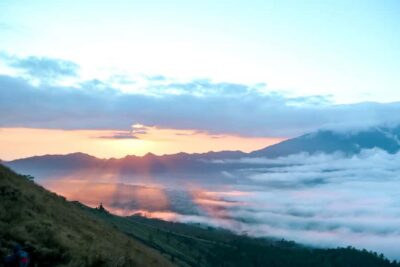
Mount Batur Sunrise Guided Hike and Natural Hot Spring
Read our review →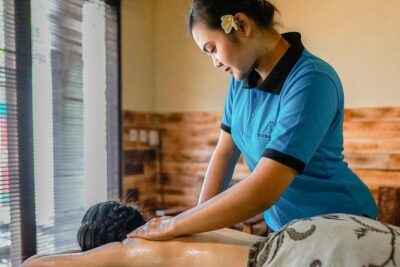
Body Massage Experience in Ubud Traditional Spa
Read our review →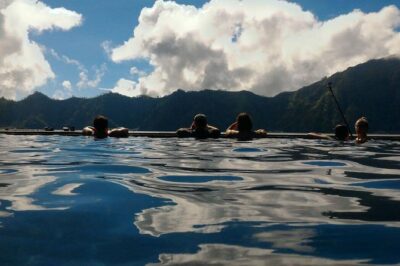
Mount Batur Sunrise Hike and Natural Hot Spring Option
Read our review →
Jakarta: Volcano, Tea/Rice Fields, Hot Spring, Local Food
Read our review →
Active Volcano, Rice Field, Hot Spring, Fruit market, Tea Plantation with Lunch
Read our review →
Mt Batur Sunrise, Breakfast & Natural Hot Springs
Read our review →
Private Tour Mount Batur Sunrise Trekking and Natural Hot Spring
Read our review →
Bandung: White Crater Hotspring Tea Plans And Lunch Included
Read our review →Other lists this one is on