
REVIEW · JAPAN
Kobe Guided Tour Including Port Area and Arima Onsen Town
Kobe gives you two very different Japan experiences in one compact outing: an international port city shaped by trade, and old Arima Onsen beyond Mount Rokko. I like that contrast, and I like the chance to learn practical Japanese manners while trying local food and confectionery. Guide Yuta also helps keep the experience personal, with clear English and a friendly approach.
The main consideration is the four-hour limit. You can see a useful slice of Kobe, but you will not have time for a slow, full exploration of every stop. Transportation and meals cost extra, and you should be ready for walking in comfortable shoes.
Key points
- Two sides of Kobe: Pair the city’s port culture with traditional Arima Onsen town.
- A local guide named Yuta: Expect clear English, Japanese, and plenty of room for questions.
- A practical cultural lesson: Learn Japanese manners and onsen customs, not just sightseeing facts.
- Four hours at a brisk pace: Good for a first look, but not a slow day of exploration.
- Extra costs to plan for: Transportation and meals are not included, while a gift is provided for each person.
- Simple meeting point: Meet near the ticket gates at the East exit of JR Motomachi Station.
Kobe in Four Hours: A City and a Hot-Spring Town
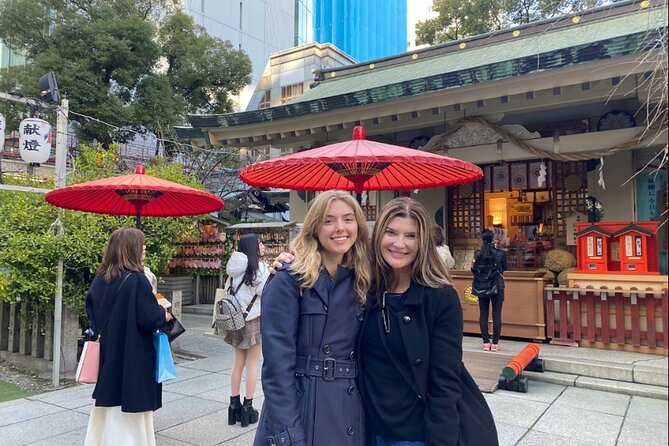
The appeal here is the change of mood. Kobe is known as a port city with a long connection to imports, trade, and international residents. Arima Onsen, reached over Mount Rokko, offers a much older-feeling setting tied to Japanese bathing customs.
That pairing gives you more range than a standard city walk. You begin with Kobe’s outward-looking side, then move toward a town where the focus is rest, tradition, and the rituals of the hot spring. In four hours, you get an introduction to both instead of spending the whole tour in one district.
I would treat this as an orientation tour rather than an exhaustive sightseeing day. The description promises a broad look at Kobe’s known sights, but it does not provide a fixed list of every stop. Your guide will shape the route and explain the places you reach, so the experience is likely to feel more conversational than a rigid checklist.
That flexibility can be useful if you want to ask questions. It also means you should not book this expecting a detailed visit to every major attraction in Kobe.
More Onsen Experiences in Japan:
- From Osaka: Himeji Castle, Arima Onsen & Mt. Rokko Day Tour
★ 4.6 · 339 reviews - From Tokyo: Private Tour to Fuji/Hakone – Onsen, Art, Nature
★ 5.0 · 116 reviews - Mt. Fuji, Hakone Private Tour from Tokyo – Onsen, Arts and Nature
★ 5.0 · 79 reviews
Starting at JR Motomachi East Exit
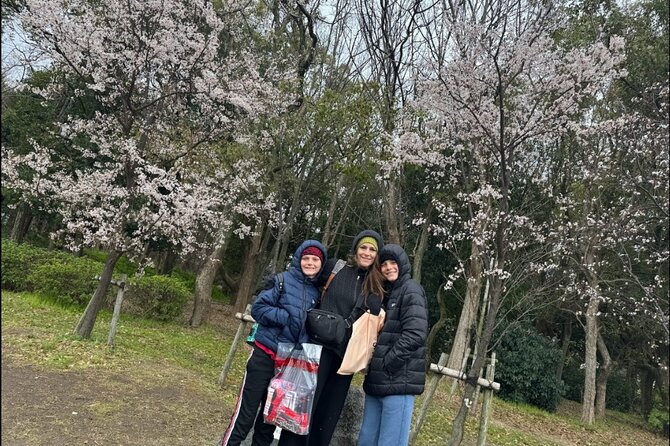
The tour begins at JR Motomachi Station, not the Motomachi stop on the Hankyu line. That distinction matters. Kobe has several rail operators and similarly named stations, so using the wrong line could create a rushed start.
After arriving at JR Motomachi, head to the East exit and meet near the ticket gates. Keep the meeting instructions handy, especially if you are unfamiliar with Japanese railway stations. The experience ends back at the same meeting point, which makes the start and finish easy to understand when planning the rest of your day.
One useful detail comes from the experience of Denis and Manu, who arrived late after making a mistake with the trains. Yuta helped them find the group and even went looking for them. I would not use that as an excuse to arrive late, but it does suggest that the guide is attentive when transport confusion gets in the way.
Bring cash. Meals and transport are separate from the tour price, and cash remains a practical choice for small purchases, food, or local costs. Comfortable shoes and comfortable clothes are also important because this is a moving city-and-town visit, not a seated presentation.
Kobe’s Port-Side Story
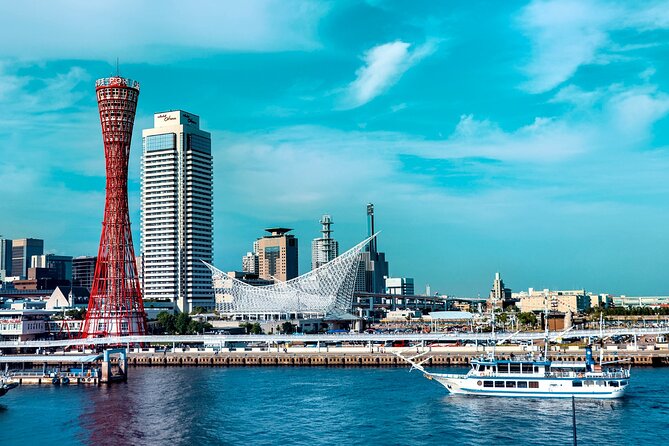
Kobe’s port identity is central to the tour. The city developed through imports, trade, and contact with people from outside Japan. That history helps explain why Kobe can feel different from an inland Japanese city, with cultural influences connected to its role as a place of exchange.
You are not simply looking at waterfront scenery. The useful question is how a port changes a city. Goods arrive, people settle, food traditions shift, and new customs become part of local life. A guide can connect those broad ideas to what you are seeing in Kobe, making the port area easier to understand.
I like this part for first-time visitors because it offers context without asking you to commit to a full museum visit or a long history lecture. You can ask about Kobe’s international culture, local customs, and food while moving through the city.
The limitation is time. Four hours must cover both Kobe and Arima Onsen, so the port section may be an overview rather than a long, detailed study. If your main interest is Kobe’s waterfront, architecture, or trade history, you may want a separate visit later.
Crossing Toward Arima Onsen Town
The tour then shifts toward Arima Onsen, located over Mount Rokko. The change is the heart of the experience. You move from a port city connected with international trade to a traditional hot-spring town where Japanese bathing culture takes center stage.
Arima is presented as nostalgic and relaxing, and the tour uses it to introduce Japanese traditions. That makes the stop more than a chance to see a pretty town. You learn how an onsen fits into everyday culture and what manners matter when using one.
The route requires transport, and that fare is not included. Since the precise transport method is not given, budget separately and allow your guide to manage the practical flow. The four-hour schedule also means the visit will be time-conscious. You should expect an introduction to Arima rather than an entire day there.
I would especially value this contrast if you have limited time in Kobe. It gives you a way to understand why Japan can feel so different from one neighborhood or town to the next. At the same time, anyone hoping for a long soak, a leisurely meal, and extended shopping should know that the schedule may not allow all three.
More Guided Tours in Japan:
- Bali: Mount Batur Sunrise Guided Hike and Natural Hot Spring
★ 4.8 · 9,284 reviews - Hoover Dam & Hot Springs Kayak Tour with Lunch & Expert Guide
★ 5.0 · 318 reviews - Lagoa do Fogo: Biologist-guided Volcano e-Tour +Hot Springs
★ 4.6 · 97 reviews - Mount Batur Guide and Natural Hot Spring
★ 5.0 · 92 reviews
Trying an Authentic Onsen the Right Way
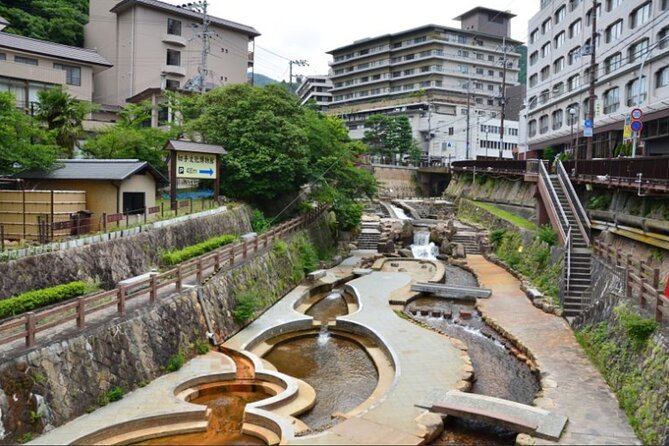
The onsen portion is one of the tour’s clearest reasons to book. Bathing in Japan has its own rules, and a first visit can feel uncertain if you do not know what to do. The guide introduces Japanese manners and onsen customs so you can approach the experience with more confidence.
One firm rule is provided: bare feet are not allowed. Pack suitable footwear and dress comfortably. The instructions do not specify whether towels, bathing supplies, or an admission fee are included, so you should confirm those details before the day if the bath itself is a major reason for booking.
The value is in the explanation. Japanese etiquette is often easiest to understand when someone explains not only what to do, but why it matters. A local guide can help you avoid awkward mistakes and pay attention to the social side of the bath rather than treating it as just another attraction.
Still, do not assume the onsen portion will suit everyone. The activity is not suitable for people with a cold, and the provided information does not describe special arrangements for health conditions or mobility needs. If bathing is not for you, the wider visit still includes the town, cultural lessons, and food-related stops, but the onsen will be less useful as a central feature.
Food, Sweets, and Questions Along the Way
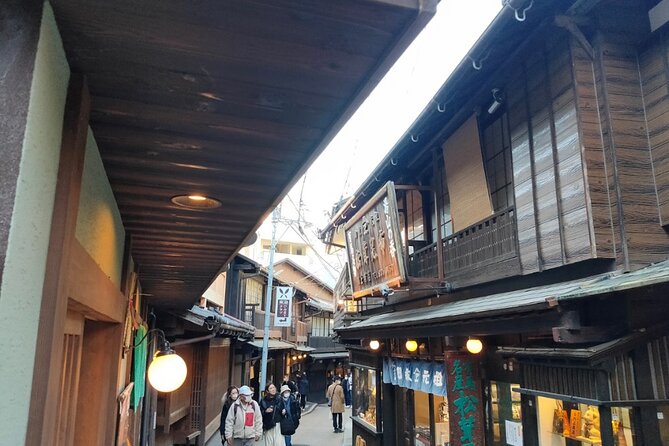
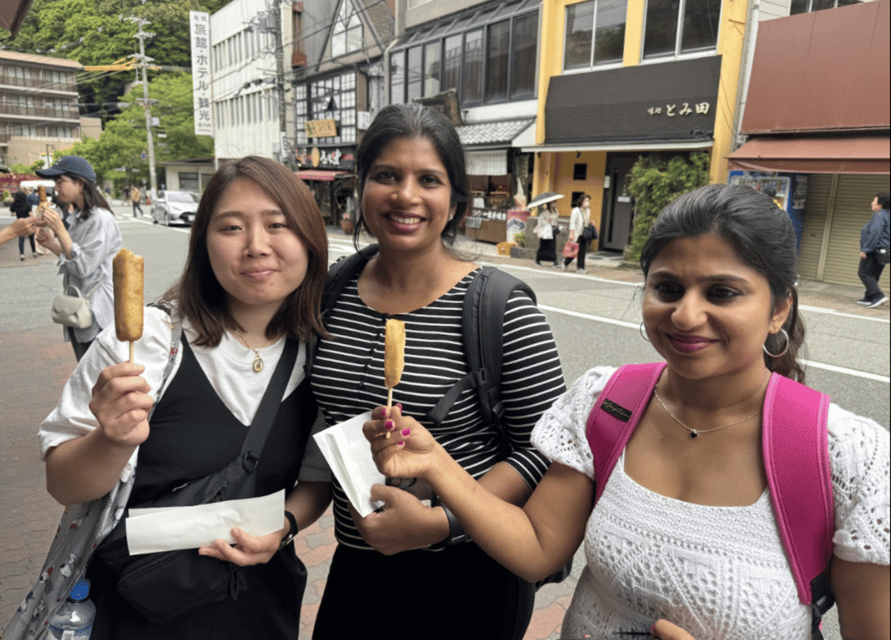
Japanese cuisine and confectionery are part of the experience, but meals are not included in the $57 price. That is both a cost to plan for and a benefit. You keep control of what you buy, rather than paying in advance for a fixed meal that may not match your taste or appetite.
The tour presents food as part of local culture. A snack or sweet can tell you something about place, custom, and daily life in a way that a sightseeing stop cannot. Ask Yuta about what you are eating, how it is normally enjoyed, and how the food connects with Kobe or Arima.
The same applies to questions about Japan more broadly. Denis described Yuta as willing to teach about anything the group asked, and said his English was easy to understand. Nico also praised the guide’s friendliness and personalized approach. Those details matter because a four-hour tour works best when you can make it fit your interests.
Do not expect a food tour with a long tasting menu. The provided details promise Japanese cuisine and confectionery, not a set number of dishes or tastings. Budget for your own food, and think of this as a culture-focused tour with food included in the conversation, not an all-inclusive eating itinerary.
What the $57 Price Really Covers
At $57 per person, the price is reasonable if you want a local guide, a planned route, and an introduction to two very different parts of Kobe. You are paying for the guide’s time, interpretation, and help with cultural details rather than for a package that covers every expense.
The price also includes gifts for all people on the tour. That is a small extra, but it gives the experience a personal touch. Transportation fares and meal costs are separate, so your real spending will be higher than the headline price.
I would compare this with the cost of arranging the same day yourself. Going alone may seem cheaper at first, but you would need to plan the route, handle the shift from Kobe to Arima, work out the onsen etiquette, and find your own answers about local customs. If those are the parts you care about, the guide adds real value.
On the other hand, confident independent visitors may not need the help. If you already know Kobe, speak Japanese, or prefer to set your own pace, the four-hour schedule and paid transport may feel restrictive. The tour earns its price through guidance and cultural access, not through included admissions or meals.
Pace, Comfort, and Practical Limits
Four hours is enough for a useful introduction, but it demands a sensible pace. You should wear comfortable shoes and clothing, and you should expect the day to involve moving between places rather than settling in one area for hours.
The tour is offered in English and Japanese. Yuta’s clear English is an important advantage if you want to ask detailed questions without worrying about language confusion. The experience appears suited to people who enjoy conversation and explanation, not just quiet observation.
The group size is not provided, so I cannot promise a small-group setting. If personal attention is important to you, ask about the group size before booking. The available information does support expecting a friendly and personalized approach from Yuta, but the exact format may vary.
The tour is not suitable for people with a cold or for people over 95 years old. The bare-feet restriction also matters for the onsen portion. These are simple details, but they can affect comfort, so consider them before paying.
You can reserve now and pay later, which helps if your schedule is still changing. Cancellation is allowed up to 24 hours before the activity for a full refund. I would still check the final booking conditions for the exact time and date, especially if you are coordinating train travel.
Who Will Enjoy This Kobe Tour Most
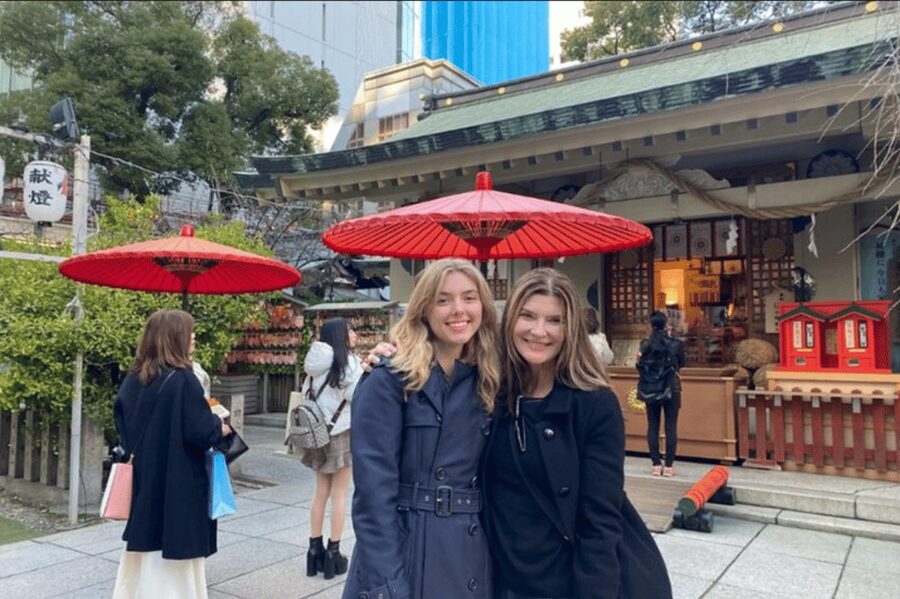
I would recommend this outing to a first-time visitor who wants Kobe explained by a local rather than viewed from a list of attractions. It suits you if you want port-city culture, traditional bathing customs, food guidance, and a chance to ask questions in one short outing.
It is also a good fit for people curious about onsen etiquette but nervous about getting it wrong. The guide’s role is especially useful here because customs are easier to follow when someone explains them in person.
Families and mixed-interest groups may appreciate the variety, though the available details do not specify a minimum age or family program. You should make your own decision based on walking comfort, the onsen setting, and the four-hour pace.
I would hesitate to recommend it if you want a slow spa day, a full meal, or a detailed tour of every famous Kobe sight. It is also not the right choice if you dislike paying separately for transportation and food. The tour’s strength is breadth and personal guidance, not a fully packaged admission-and-meal bundle.
Should You Book It?
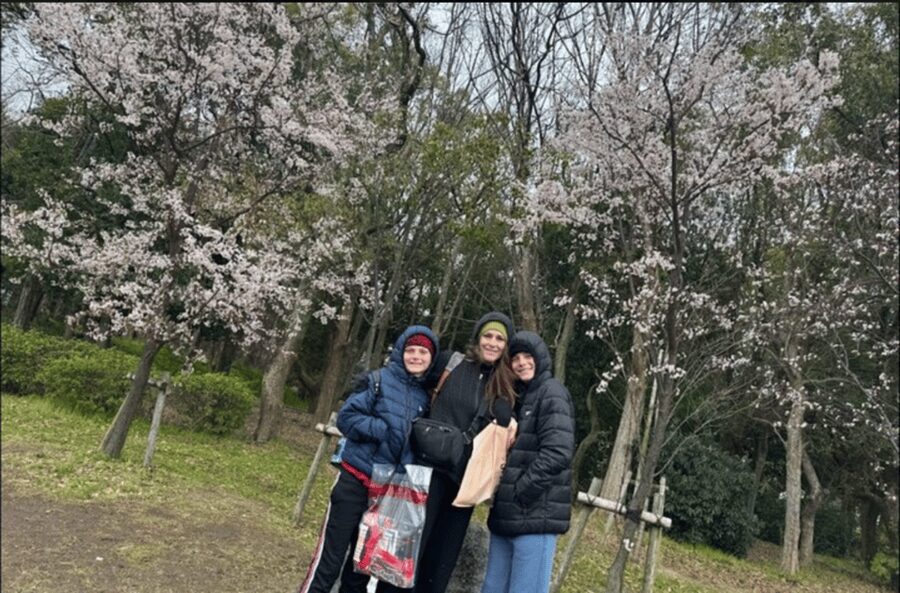
Book this tour if you want to connect Kobe’s port culture with Arima Onsen’s traditional atmosphere and you value a guide who can answer questions in clear English. Yuta’s help with train confusion, his willingness to discuss many subjects, and the personalized style described by Nico are strong reasons to choose a guided outing rather than arranging the day alone.
Skip it if you need a slow itinerary with lots of free time, or if you want all transport and meals covered in advance. For $57, plus your own transport and food, you receive a focused four-hour introduction with cultural guidance, an onsen lesson, and a gift. That is solid value for a first look at Kobe, as long as you arrive ready to walk, ask questions, and keep the schedule moving.
FAQ
How long is the Kobe guided tour?
The tour lasts four hours.
Where does the tour begin?
It begins near the ticket gates at the East exit of JR Motomachi Station. This is the JR station, not the Hankyu line station.
Where does the tour end?
The activity ends back at the meeting point at JR Motomachi Station.
Is transportation included in the price?
No. Transportation fares are not included, so you should bring extra money for them.
Are meals included?
No. Meal costs are separate from the tour price.
What languages are available?
The tour is offered in English and Japanese.
What should I bring?
Bring comfortable shoes, comfortable clothes, and cash. Bare feet are not allowed.
Can I cancel for a full refund?
You can cancel up to 24 hours in advance for a full refund.
Just added around Japan
- Kobe: Arima Onsen Culinary Stroll & Food Tasting Tour★ 5.0 · 2 reviews
- Immersive facial treatment in a Japanese space★ 4.8 · 8 reviews
- Hiroshima: Acupuncture and Japanese unique massage treatment★ 5.0 · 7 reviews
- Hakone: Traverse the Hakone Caldera and Enjoy Onsen★ 4.6 · 8 reviews
- Mount Fuji – Hakone & Onsen Full Day Private Tour★ 3.8 · 6 reviews
- Fukuoka: Mt. Aso Volcano & Kurokawa Onsen Scenic Day Tour★ 3.8 · 37 reviews
- From Tokyo: Private Motorcycle Tour – Fuji, Hakone, Onsen★ 4.9 · 12 reviews
- From Nozawa Onsen: Snow Monkeys and Zenko-ji Day Trip & Sake★ 4.9 · 13 reviews
More spa days in Japan.
Himeji Castle, Arima Onsen & Mt. Rokko Day Tour
Read our review →
Nara and Uji Day Trip with Deer Park and Hot Spring
Read our review →
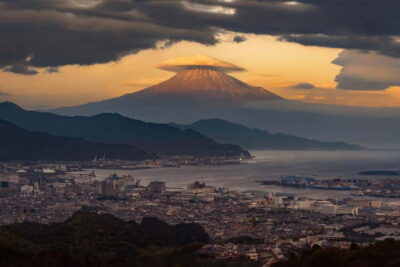
Private Tour to Fuji/Hakone – Onsen, Art, Nature
Read our review →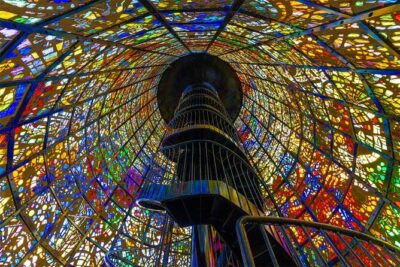
Mt. Fuji, Hakone Private Tour from Tokyo – Onsen, Arts and Nature
Read our review →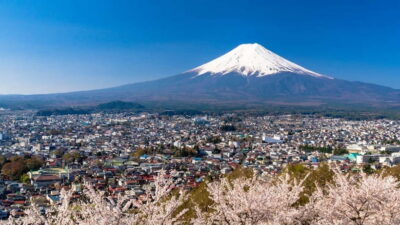
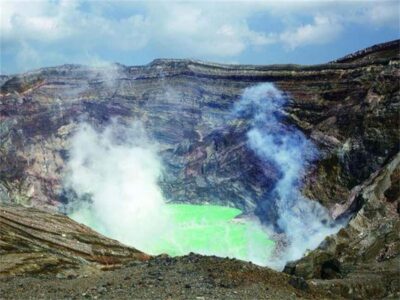
From Fukuoka: Mount Aso, Kurokawa Onsen, and Shrine Tour
Read our review →
Private Nagano 1-Day Tour:Snow Monkeys,Zenko-ji,Obuse,Sake,Onsen
Read our review →Other lists this one is on