
REVIEW · TOKYO
Tokyo: 2-Day Mt. Fuji, Kamakura and Izu Hot Springs Tour
The best thing about this two-day trip is its sweep: Mt. Fuji, Hakone, Izu, Enoshima, and Kamakura all appear in one fast-moving journey from Tokyo. You get mountain views, volcanic vents, a hot spring stay, a coastal island, and old temple-town Japan without arranging several separate trips.
I like the combination of Shuzenji Onsen and a kaiseki dinner, since it gives you more than a quick photo stop. I also like the Enoden train ride and the chance to see Kamakura’s coast, though the schedule is packed and the final route can change with weather, road conditions, or room availability.
The main caution is guide quality. Wan has been praised for being kind, helpful, and easy to travel with, while Jason was criticized for limited English and little explanation. The bus can also feel basic during long road stretches, and some stops may be shortened or skipped.
Key points
- Mt. Fuji access changes by season: From April 26 through November 30, the tour aims for the fifth station. From December 1 through April 25, it uses Nishinomiya-yama Shinshu Park instead.
- Owakudani gives you volcanic Japan: See sulfur vents, hot springs, and the famous black-shelled eggs, sold separately.
- Your overnight stay includes onsen and dinner: Shuzenji Onsen Hotel includes one night, a hot spring bath, and a kaiseki meal.
- Kamakura is not just a photo stop: The plan includes the Enoden train and Kamakura High School, but the route can change and the Great Buddha is not specifically included.
- The $295 price buys convenience: Transport, a guide, the hotel, meals at the hotel, and the Enoden fare are included, while admissions, lunch, drinks, and cable cars cost extra.
- Language and group details matter: Chinese, English, and Japanese are offered, but the actual guide assignment can shape how much explanation you receive.
One trip, five very different sides of Japan
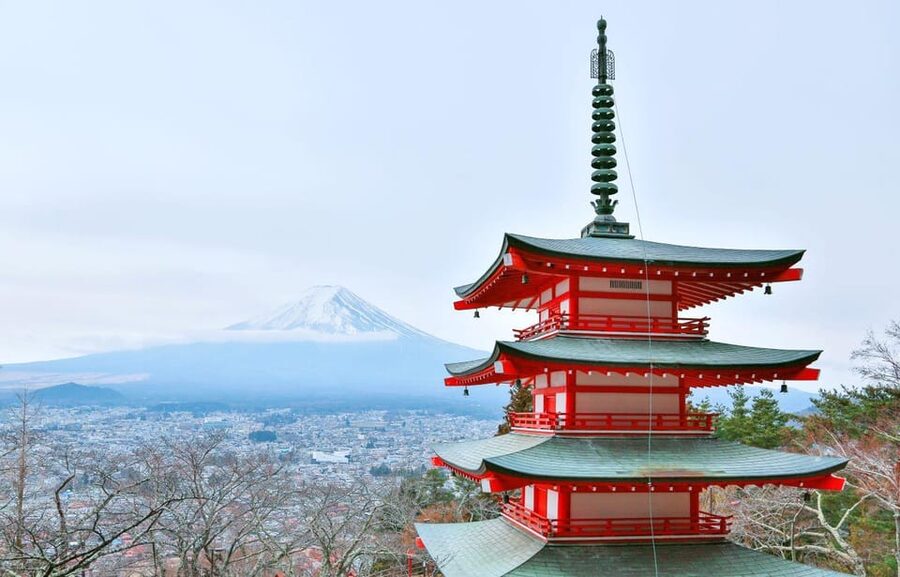
This is an ambitious two-day outing for anyone who wants to see far more than Tokyo without changing hotels each night. You move from Japan’s most famous mountain to Hakone’s volcanic valley, then spend the night in Izu before heading to the Pacific coast and Kamakura.
I like the range. Day one has the big scenic sights, while day two shifts toward old streets, island views, and rail travel. You get a taste of several regions rather than spending two days in one area.
The tradeoff is time. This is not a slow, reflective tour. You will spend a good deal of the trip in an air-conditioned vehicle, and stops depend on traffic, weather, and the group’s pace. I would choose it for variety and convenience, not for long visits at every location.
The price is $295 per person. That is a fair package if you would otherwise need to arrange long-distance transport, a hotel, dinner, and several local connections yourself. It becomes less attractive if you want every admission included or expect a highly detailed guided history lesson at each stop.
More Hot Springs in Japan
- Tokyo: Mt Takao Tour with Ramen and Tattoo-Okay Hot Spring
★ 5.0 · 69 reviews - [Seasonal Limited] Mt. Fuji 5th Station &Hot Spring Day Tour
★ 4.5 · 53 reviews - Full Day Hiking Tour at Mt.Takao including Hot Spring
★ 5.0 · 52 reviews
Mt. Fuji from the fifth station, when conditions allow
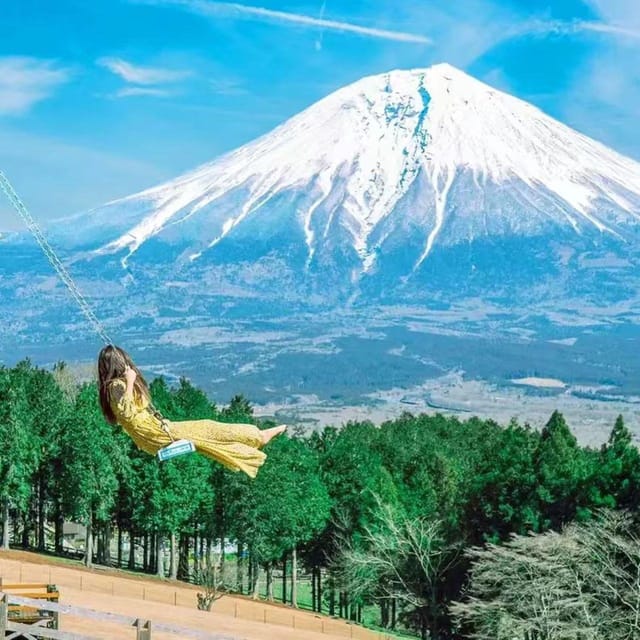
From April 26 to November 30, the tour aims to reach Mt. Fuji’s fifth station. This is the highest planned access point on the mountain for this experience, and it gives you a chance to see the volcano from its upper slopes rather than only from a distant lake or town.
The appeal is obvious. Mt. Fuji is one of Japan’s great visual symbols, and clear conditions can bring broad views across the surrounding area. The word clear matters here. Clouds can hide the mountain, and bad weather or road conditions can force a change in the plan.
From December 1 through April 25, the group visits Nishinomiya-yama Shinshu Park instead. This is not the same experience as standing on Mt. Fuji’s fifth station, so you should book with some seasonal flexibility. The alternative still offers views and seasonal scenery, but the central mountain stop is weather-dependent.
I would keep your expectations practical. This is a sightseeing visit, not a climb. You are going for views, photographs, and the feeling of reaching a higher part of Japan’s iconic peak.
Owakudani puts volcanic Japan close to the path
After Mt. Fuji, the route moves into Hakone and Owakudani. This volcanic valley formed after an eruption of Mount Hakone more than 3,000 years ago. Today, sulfur vents and hot springs give the area a strong, unmistakable sense of activity beneath your feet.
Owakudani is one of the most distinctive stops on the tour because it does not look like a standard mountain viewpoint. You see steam and volcanic fumes, and the air can carry the sharp smell of sulfur. The setting feels raw and unusual, especially after the open views around Mt. Fuji.
You can buy eggs boiled in the hot spring water. Their shells turn black through a chemical reaction with the water, making them a classic local snack and an easy souvenir of the stop. The eggs are not included, so carry some yen if you want to try them.
The site can be affected by volcanic conditions, weather, and road access. The guide may adjust the route, and you should not treat every listed stop as guaranteed in its exact form.
Lake Ashi adds water and calm to the Hakone day
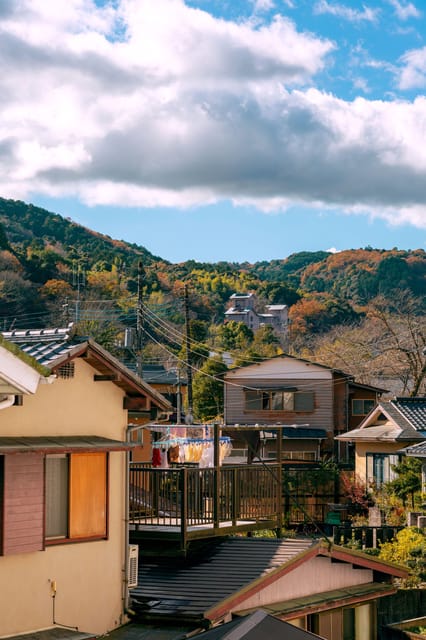
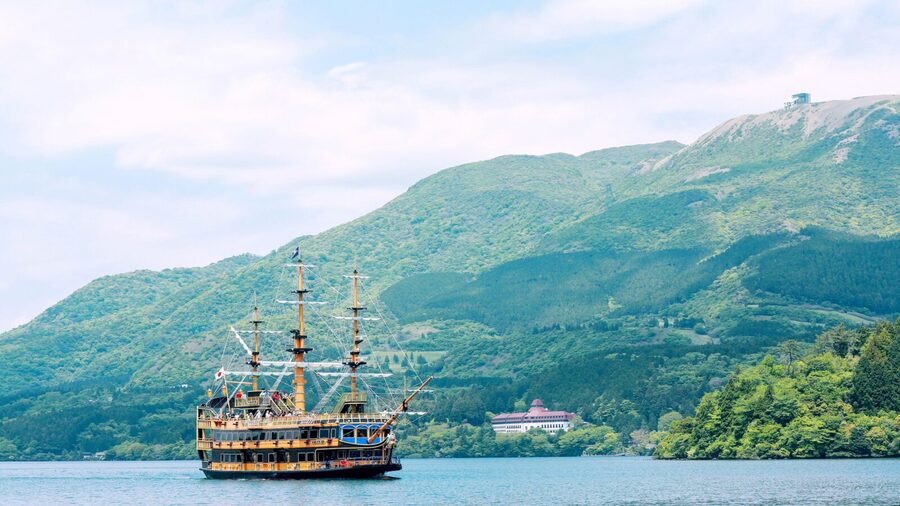
Lake Ashi is a caldera lake formed by the eruption of Mount Hakone. Surrounded by mountains, it offers a calmer counterpoint to Owakudani’s fumes and vents.
The experience includes a cruise on Lake Ashi according to the planned highlights, but cable car fees are not included. That distinction matters. If the final route includes an optional cable car, you will pay separately, and one account of the trip indicates that the cable car option was not offered after the route changed.
I like the pairing of Owakudani and Lake Ashi. One explains the region’s volcanic force, while the other shows the quieter result of that geology. Together, they make Hakone more meaningful than a single viewpoint.
Still, the order and length of these visits can shift. Heavy traffic, road conditions, or weather may reduce your time by the lake. If Lake Ashi is your main reason for booking, ask for the current plan before departure.
More Hot Springs in Tokyo
- Tokyo: Mt Fuji Lake Kawaguchi & Yamanaka Hot Spring Day Tour
★ 4.0 · 14 reviews
Shuzenji Onsen gives the trip its most relaxing evening
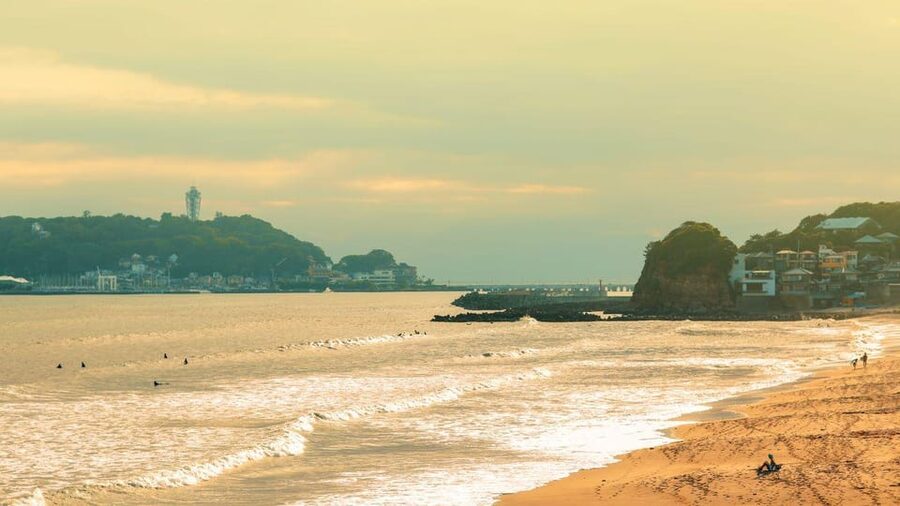
The overnight stay at Izu Shuzenji Onsen Hotel is the strongest part of the schedule for me. After a long day on the road, you get a traditional Japanese hot spring experience rather than another ordinary hotel night.
The stay includes the onsen and meals, with a kaiseki dinner built around local flavors. One account of the experience praised the dinner, while the hotel itself was described as basic. That is a useful expectation: come for the bath, meal, and setting, not for a polished luxury resort.
Kaiseki is served as a sequence of carefully prepared dishes, so dinner gives the evening a distinctly Japanese character. The exact menu is not provided, and you should not assume every dietary need can be handled unless you confirm it before booking.
Breakfast is included, but the format depends on group size. A small group receives a set Japanese-style breakfast, while a larger group receives a buffet. Breakfast quality has been criticized, so I would treat the dinner and onsen as the main rewards of the overnight stay.
Rooms accommodate two to four people. If you are alone in a room, a single supplement applies. This is important when comparing the $295 price with other tours, since a solo traveler may pay more than the headline rate.
Shuzenji Onsen Street offers a slower start to day two
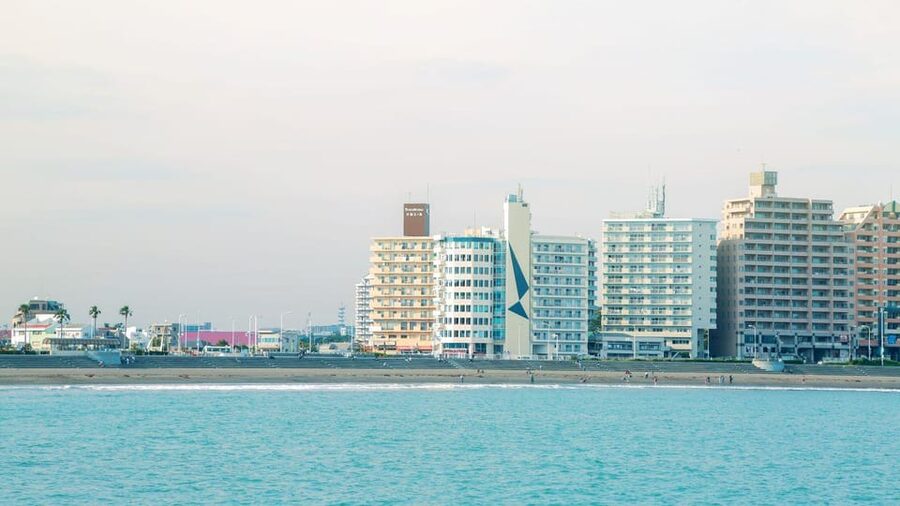
The morning begins with a walk through Shuzenji Onsen Street, described as Michelin two-starred. The old-style setting lets you start the second day on foot, with time to notice the atmosphere rather than simply step off a bus for a photograph.
This is a pleasant contrast with day one. You have already seen large natural sights, and now you get a smaller-scale view of Izu. The walk is also a useful chance to enjoy the area before another long series of transfers.
Do not expect a full morning of independent exploration. The tour has several later stops, so the street visit is part of a tightly arranged day. If you want to linger over every shop or temple, a separate stay in Shuzenji would suit you better.
Mt. Omuro offers a distinctive summit walk
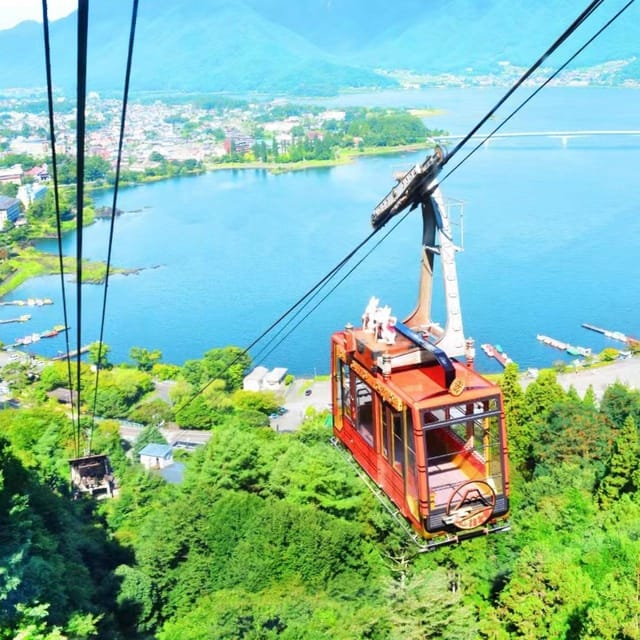
The route then reaches Mt. Omuro, a distinctive peak with wide views. The plan describes a hike, though the precise walking time is not given. Lunch is on your own, so budget for food and drinks separately.
Mt. Omuro is a good choice for travelers who want some movement after the previous day’s vehicle time. The views also add another angle on Izu’s natural setting. I would wear comfortable shoes and keep your lunch expectations flexible, since the schedule and available food stops are not specified.
Admission costs are not included. The same applies to cable cars and other optional rides. Before setting out, ask the guide which tickets are planned so you know how much extra cash or card spending you may need.
Enoshima brings the route to the Pacific coast
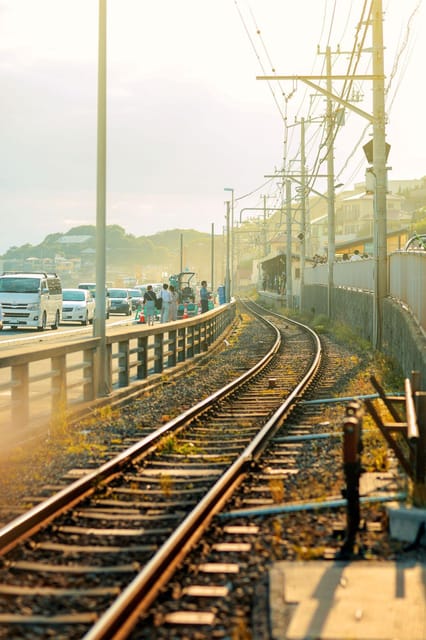
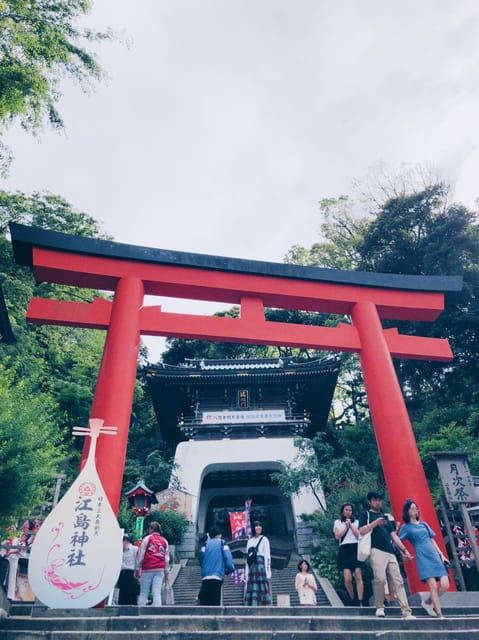
Enoshima Island changes the mood again. Its coastal position, island paths, and Enoshima Sea Candle give you a more open, seaside experience after the mountains and hot springs.
The Sea Candle is a strong photo point, but admission is not included. You can still enjoy the island without every paid attraction, though the time available may determine how much you see.
The tour is useful here because transport between distant areas is handled for you. On your own, connecting Izu, Enoshima, and Kamakura in one day would require careful planning. The cost of that convenience is a brisk pace and limited control over how long you stay.
Kamakura combines temples, coast, and a famous train
Kamakura is the historical finish to the journey. This former coastal center is known for ancient temples, Zen gardens, and a beach, giving the final afternoon a different feel from both Hakone and Izu.
The Enoshima Electric Railway, known as Enoden, is included. That is a nice touch because the train adds local character to the route instead of keeping you on the tour vehicle all day. You also visit Kamakura High School, a spot made famous by anime and manga.
The plan does not specifically include the Great Buddha. One altered trip did not stop there, so do not book this tour assuming that the famous statue is guaranteed. If the Great Buddha is your top Kamakura goal, confirm the route in advance or plan a separate visit.
Kamakura is also the stop most vulnerable to schedule changes. Weather, road conditions, and earlier delays can cut the time available. You may get a useful introduction rather than a full Kamakura day.
Transport and guiding can make or break the value
Transport, a driver-guide, and pickup and drop-off in designated areas are included. That removes the hardest planning work, especially on a route that crosses several parts of the Kanto and Chubu regions.
The vehicle is air-conditioned, but the bus has been described as basic and somewhat uncomfortable during the long travel periods. Pack lightly, since each person is limited to one piece of luggage and infants must be reported in advance because of space limits.
The tour offers Chinese, English, and Japanese. Yet the language listed for the tour does not guarantee the same level of commentary from every guide. Wan was praised for being an excellent, kind, and helpful driver who made the trip feel easy. Jason was described as polite but unable to explain much in English, with little information about the sites.
That difference matters. If you want cultural context, ask before departure which language your guide will use and how much guided explanation is provided. A friendly driver can make the transport pleasant, but the experience is different from having a strong historical guide at each stop.
What the $295 price really covers
The $295 rate includes the major transport, one night at the hot spring hotel, the onsen, hotel meals, the driver-guide, and the Enoden fare. Those inclusions give the price real value for anyone who wants a ready-made two-day route.
You still pay for admission tickets, lunch, drinks, and cable cars. These extras can add up, especially if you want paid attractions at Mt. Omuro, Enoshima, or Hakone. The exact total depends on how many optional activities you choose.
The tour runs with at least two people. If that minimum is not met, you may be offered another date or a full refund. Room availability also needs reconfirmation because two-day tours can lose rooms quickly, and the operator may contact you about changing the date or canceling.
Cancellation is free up to 24 hours before departure, and you can reserve now and pay later. Those terms help if your Tokyo plans are still shifting, but they do not remove the need to confirm the room and meeting details.
Who should book this two-day route
I would recommend this tour to you if you want a wide sample of Japan and prefer one organized booking to several train reservations and hotel arrangements. It suits first-time visitors who want Mt. Fuji, Hakone, Izu, Enoshima, and Kamakura in one compact trip.
It also works well if the Shuzenji onsen stay is a major goal. The hot spring and kaiseki dinner give the trip a genuine overnight experience that a one-day Mt. Fuji excursion cannot provide.
I would be cautious if you need fluent English commentary, dislike long bus rides, or want full control over each stop. The guide assignment can make a major difference, and route changes have previously meant missed or altered stops.
FAQ
Is Mt. Fuji guaranteed on this tour?
No. From April 26 through November 30, the plan aims to visit Mt. Fuji’s fifth station. From December 1 through April 25, it visits Nishinomiya-yama Shinshu Park instead, and weather or road conditions can also change the route.
What is included in the overnight stay?
The one-night stay includes the hot spring bath and meals at the Izu Shuzenji Onsen Hotel. Breakfast may be a set Japanese-style meal for a small group or a buffet for a larger group.
Are lunches and attraction tickets included?
No. Lunch, drinks, admission tickets, and cable car fees are not included. The Enoshima Electric Railway fare is included.
Which languages are available?
The tour offers Chinese, English, and Japanese. The actual guide assignment can affect the amount and quality of explanation in your preferred language.
How much luggage can I bring?
Each person is limited to one piece of luggage because of vehicle space. You should inform the operator in advance if you are bringing an infant or luggage.
What happens if the tour does not have enough people or a room is unavailable?
The tour requires at least two people. If that minimum is not met, you may discuss another date or receive a full refund. If no room is available, the operator may contact you about changing the date or canceling.
Should you book it?
Book this tour if you value range, convenience, and a hot spring night more than a slow pace or guaranteed commentary at every stop. The mix of Mt. Fuji, volcanic Hakone, Shuzenji Onsen, Enoshima, and Kamakura is impressive for two days.
Before paying, confirm the guide language, the current route, the hotel arrangement, and which admissions are planned. If those details suit you, $295 is a reasonable price for a demanding but memorable sampler of central Japan. If the Great Buddha, a cable car, or detailed historical guiding is essential, arrange those separately or choose a smaller, more focused tour.
More Two-Day Trips in Tokyo
- Private 2-Day Tour: Mt Fuji Hakone & Kamakura + Onsen Ryokan
★ 5.0 · 3 reviews - From Hanoi: 2-Day Bai Tu Long Bay Luxury Cruise with Jacuzzi
★ 4.8 · 160 reviews - Mt. Batur: 2 Day Camping Trip, Summit Hike, and Hot Springs
★ 4.9 · 25 reviews - Ninh Binh 2 Days 1 Night with 4 Star Resort and Spa (Group 8)
★ 5.0 · 24 reviews
Just added around Tokyo
- Tokyo: Scalp Care Treatment at a Head Spa★ 4.6 · 9 reviews
- Tokyo: Hakone’s Best Onsen Tour with Lake Ashi Cruise★ 4.7 · 3 reviews
- Tokyo: Japanese Massage – Kangfu Beauty & Body Care Salon★ 4.4 · 43 reviews
- Tokyo: Japanese Spa & Sento Experience with Local★ 5.0 · 2 reviews
- Private 2-Day Tour: Mt Fuji Hakone & Kamakura + Onsen Ryokan★ 5.0 · 3 reviews
- Onsen Spa in Tokyo and Asakusa Bar Hopping with Local Guide★ 5.0 · 3 reviews
- Mt. Fuji Skiing Experience- YETI Ski Resort & Onsen Day Trip★ 4.2 · 8 reviews
- Mount Fuji – Hakone & Onsen Full Day Private Tour★ 3.8 · 6 reviews
More spa days in Tokyo.
Private Tour to Fuji/Hakone – Onsen, Art, Nature
Read our review →
Mt. Fuji, Hakone Private Tour from Tokyo – Onsen, Arts and Nature
Read our review →
Mt Takao Tour with Ramen and Tattoo-Okay Hot Spring
Read our review →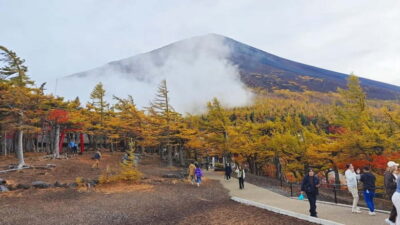
[Seasonal Limited] Mt. Fuji 5th Station &Hot Spring Day Tour
Read our review →
Full Day Hiking Tour at Mt.Takao including Hot Spring
Read our review →
Mt. Fuji 5th, Oshino Hakkai, Onsen Full-Day Trip From Tokyo
Read our review →
Japanese Massage – Kangfu Beauty & Body Care Salon
Read our review →
Other lists this one is on