
REVIEW · JAPAN
2 Hour Onsen Calligraphy Experience
At this Hakone workshop, you prepare your ink with real onsen water before putting brush to paper. That small step gives a familiar art lesson a strong sense of place. You are not simply copying characters in a classroom. You are making something connected to the hot spring town around you.
I like the quiet ryokan setting, where the sound of water and the scent of ink help you slow down. I also like the choice between traditional paper and a round uchiwa fan, since the finished piece becomes a useful souvenir rather than another flat sheet in your luggage. The main consideration is the price: at $60 per person, this is best for someone who wants a focused cultural activity, not a quick drop-in craft.
Key points to know before you book
- Onsen water becomes part of your ink, linking the calligraphy lesson directly to Hakone’s hot spring traditions.
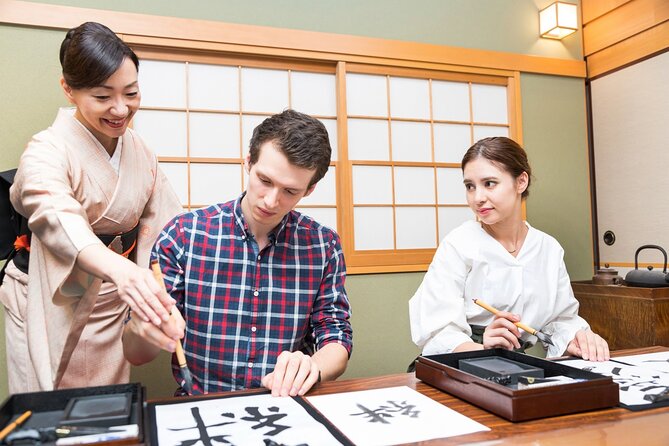
- The group is limited to eight people, allowing the teacher to watch your brush work and offer individual guidance.
- You can write on paper or an uchiwa fan, and take your finished work home in a provided bag.
- The two-hour pace is calm but purposeful, with time for cultural background, instruction, practice, and a final piece.
- Japanese tea is included, adding a simple pause to the indoor ryokan setting.
- The meeting point is at 655 Yumoto, near public transportation, but transportation to and from the ryokan is not included.
Why onsen water changes an ordinary calligraphy lesson
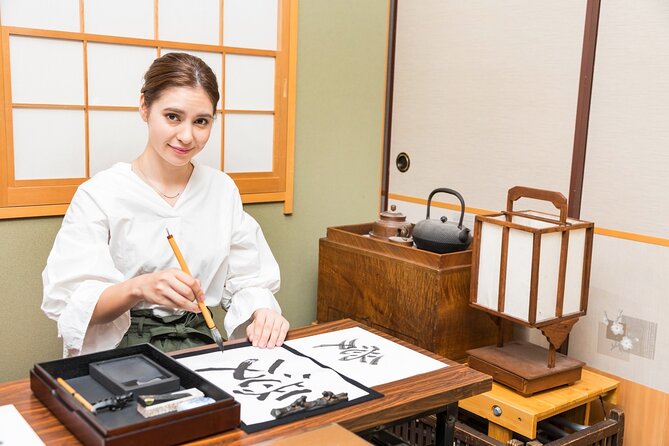
Japanese calligraphy can be taught almost anywhere, but this workshop ties the activity to Hakone in a direct, practical way. You learn about the town’s hot spring traditions, then use actual onsen water when preparing the ink. The connection is modest, but it gives the lesson a clear sense of purpose.
You may notice a faint scent from the ink and water as you work. The setting also matters. This is held inside a historic hot spring ryokan, where the quiet air, water sounds, and old-fashioned surroundings create a slower rhythm than you would find in a busy sightseeing district.
I like this kind of cultural activity because it asks you to pay attention. Your phone, camera, and sightseeing schedule take a back seat while you learn how to hold the brush, control the pressure, and let each stroke finish properly. Even if your final character is not perfect, you leave with a better sense of how much care goes into Japanese brush writing.
The workshop also gives you a little context before the practical work begins. A short introduction explains Hakone’s hot springs and their place in local tradition. That background is useful because the onsen water is not just a novelty added to the materials. It is the element that makes this calligraphy session specific to Hakone.
More Onsen Experiences in Japan:
- From Osaka: Himeji Castle, Arima Onsen & Mt. Rokko Day Tour
★ 4.6 · 339 reviews - From Tokyo: Private Tour to Fuji/Hakone – Onsen, Art, Nature
★ 5.0 · 116 reviews - Mt. Fuji, Hakone Private Tour from Tokyo – Onsen, Arts and Nature
★ 5.0 · 79 reviews
Arriving at the Yumoto ryokan
The activity starts and ends at 655 Yumoto, Hakone, Ashigarashimo District, Kanagawa 250-0311. The location is near public transportation, which makes it reasonable to fit into a day of sightseeing around Hakone. You will need to arrange your own way there, since transport is not included.
Give yourself enough time to find the meeting point. The experience lasts about two hours, and arriving late could cut into the introduction and instruction. Since the activity finishes back at the same meeting point, it is easy to plan as one stop in a larger Hakone day.
The ryokan setting is one of the strongest parts of the visit. This is not a modern art studio stripped of its surroundings. You write in an indoor space connected to a hot spring inn, and the atmosphere helps explain why the session feels calmer than a standard beginner class.
You might hear water outside or notice the smell of ink as you settle in. Those details are not guaranteed at every moment, but they are part of what gives the activity its old-fashioned character. If you are looking for a polished, high-energy demonstration, this may feel too quiet. If you want time away from crowds, the setting is a good fit.
The first lesson: brush, ink, and Hakone tradition
The session begins with an explanation of Hakone’s hot springs and the cultural setting of the ryokan. You then move into the basic mechanics of calligraphy with help from an experienced teacher.
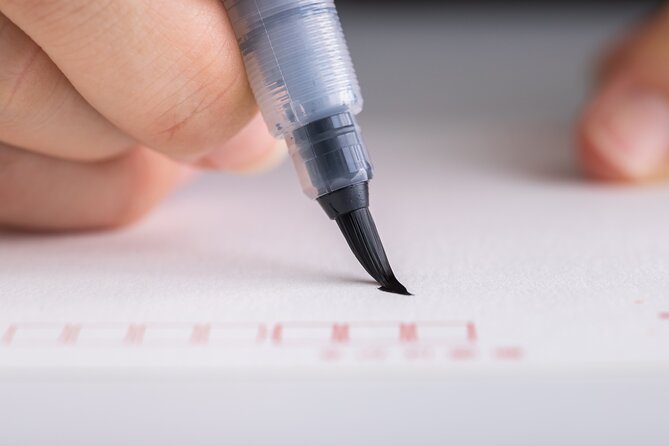
Expect instruction on holding the brush and controlling the movement. For a first-timer, this matters more than it may sound. Writing Japanese characters with a brush is not the same as drawing with one. The brush has to be held and guided with enough control to create changes in thickness and shape.
The teacher works with beginners patiently, and the small maximum group size is important here. With no more than eight people, the instructor can look at each person’s writing rather than giving one general explanation and moving on. You still need to practice, but you are not left to guess what your hand should be doing.
I would not book this expecting to become a calligraphy expert in two hours. The realistic goal is more appealing: you learn the basic feel of the brush, understand a little of the art’s discipline, and produce a personal piece in a setting that makes the activity memorable.
The lesson can also suit people who have used a brush before. Previous drawing experience may help with comfort, but the act of writing characters brings its own challenge. You will still have to think about stroke order, pressure, spacing, and balance.
Preparing ink with actual hot spring water
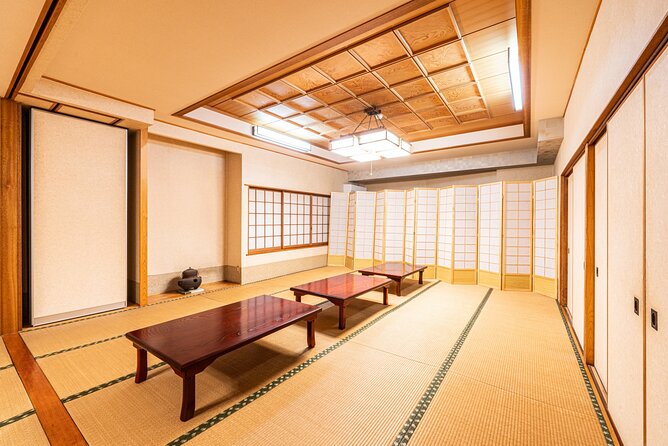
The most distinctive stage is preparing the ink with onsen water. This is where the workshop stops being a general Japanese craft class and becomes a Hakone activity.
The process gives you a physical link to the hot spring inn. You are not only hearing about the water beneath Hakone. You are using it as part of the material that goes onto your paper or fan. The water may also give the ink a slightly different scent or feel, adding another sensory detail to the lesson.
This stage is likely to appeal to people who enjoy small, meaningful details. It does not turn the activity into a bathing experience, and the supplied information does not include an onsen bath as part of the booking. One past participant enjoyed nearby hot springs separately, but you should treat bathing as outside this calligraphy session unless you make your own arrangements.
That distinction matters. The title may catch your eye because of the word onsen, but the central activity is calligraphy. You are using onsen water to prepare the ink, not booking a combined bathing and writing package.
More Two-Hour Experiences in Japan:
- 2-Hour Oriental Body and Head Massage in Kyoto Japan
★ 5.0 · 9 reviews - 2 Hours Hiroshima Hot Spring Tour
★ 5.0 · 3 reviews - Marrakech: 2-Hour Traditional Moroccan Hammam Experience
★ 4.5 · 2,653 reviews - Bali Luxury Spa Massage and flower Bath 2 hour Treatmen
★ 4.5 · 167 reviews
Choosing paper or an uchiwa fan
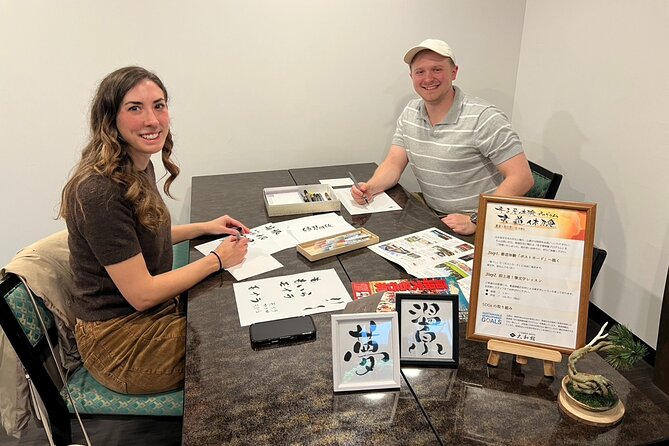
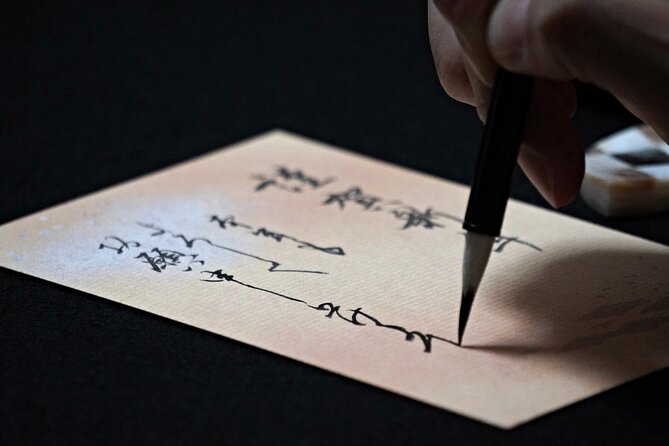
Once you have learned the basics and prepared your ink, you create your finished work. You can use traditional Japanese paper or write on an uchiwa, the classic round paper hand fan.
The fan is the more distinctive choice. Its shape gives your artwork a practical object to live on, and it may be easier to display at home than a loose sheet. The paper option gives you a more traditional surface and may appeal if you want the look of a formal calligraphy piece.
You receive one uchiwa for the artwork, along with all calligraphy materials and a take-home bag. The bag is a useful detail because wet or recently completed brush work needs more care than a typical souvenir. You can carry the finished pieces without stuffing them into a daypack beside snacks and guidebooks.
Do not expect a mass-produced souvenir. Your result will reflect your own brush control, and that is the point. Beginners may produce uneven lines or characters that look different from the teacher’s example. The instructor’s guidance helps, but the work remains personal.
Several parts of the activity encourage you to keep going after the first attempt. You may feel tense at the start, especially if it has been years since you held a brush. With practice, the movement becomes more comfortable. The quiet room makes it easier to concentrate without feeling hurried.
A slow two hours with tea and quiet
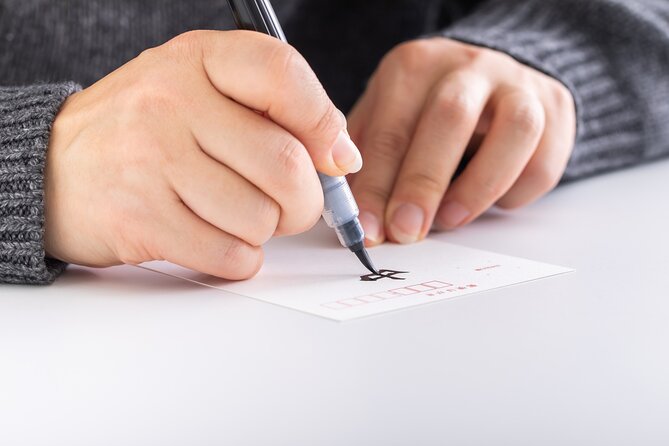
The full session lasts about two hours. That is long enough to feel like a real activity, but short enough to fit around other plans in Hakone.
The pace is one of its biggest strengths. You have time for the cultural introduction, basic instruction, ink preparation, practice, and final artwork. The session is not built around rushing you through one quick character so that the next group can take your seat.
Complimentary Japanese tea is included. It is a small part of the package, but it suits the mood of the ryokan. You can treat the tea as a pause between instruction and practice, or simply enjoy it as part of the setting.
The quiet can be especially welcome after a day of sightseeing. Hakone often involves moving between stations, buses, ropeways, lake views, and hot spring stops. This workshop gives you a reason to stay in one place and concentrate on something small.
That calm atmosphere does not mean the activity is passive. You will be using your hands, making decisions, and trying again when a stroke does not land correctly. The result is more satisfying than watching a demonstration because you create the final piece yourself.
Friends and small groups should find the format comfortable. People can work side by side, compare their finished pieces, and encourage anyone who feels nervous. The maximum of eight keeps the gathering intimate without making it a private lesson.
What the $60 price really covers
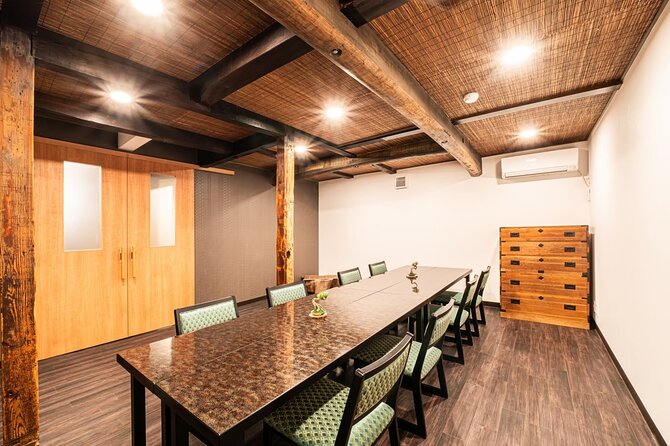
At $60 per person, this is not the cheapest cultural activity in Japan. The price makes more sense when you count what is included: the teacher, indoor venue, all materials, onsen water for the ink, one uchiwa fan, a take-home bag, cultural explanation, and Japanese tea.
You are also paying for the setting and the limited group size. A larger class could offer basic materials for less, but the teacher would have less time to look at your individual brush work. Here, the small group supports the careful, unhurried pace that makes the experience worthwhile.
The value depends on what you want from your Hakone day. If you only want a souvenir, you can buy one more cheaply. If you want a structured activity that teaches you something, connects to local hot spring culture, and leaves you with work you made yourself, the price is easier to justify.
I would consider it good value for couples, friends, and families who enjoy hands-on cultural activities. It is also a sensible choice for someone who has already seen the main sights and wants a quieter change of pace. It is less suitable if your schedule is packed or if you are looking for a broad tour of Hakone rather than one focused workshop.
Group discounts are available, so larger parties should check the current booking price. The maximum group size is eight, and the activity is confirmed at booking.
Who will enjoy this experience most
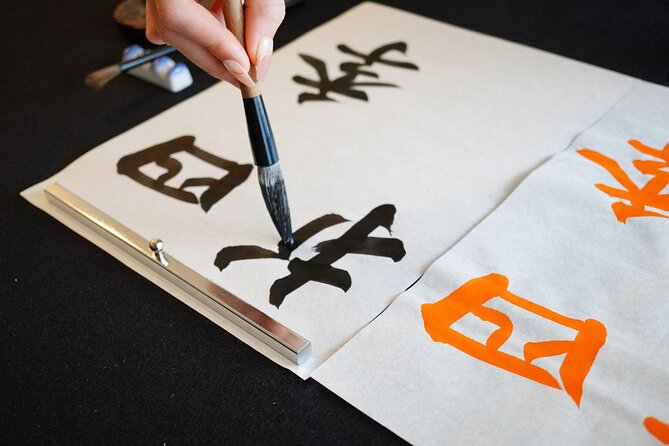
I would recommend the workshop to first-time calligraphy students who want patient help rather than a formal art lesson. You do not need previous experience, and the teacher guides you through the basic brush technique.
It also suits people interested in traditional Japanese culture but not necessarily in museums or long historical explanations. The cultural background is brief and tied to what you are about to do, so the information feels useful instead of separate from the activity.
Friends can enjoy the relaxed social side without turning the session into a noisy group game. The setting encourages concentration, and even lively groups may find themselves working quietly once the brushes are out.
Couples may appreciate the shared activity and the chance to take home two different versions of the same cultural experience. Families can participate as long as each person is comfortable with a calm, seated workshop. The information provided says most people can take part, but it does not give detailed accessibility information, so anyone with specific mobility or seating needs should confirm before booking.
The experience is also a good match for repeat visitors to Hakone. If you have already visited the hot springs or walked through the main sightseeing areas, using onsen water in a ryokan adds a different way to connect with the town.
Practical details that affect your plans
Your ticket is mobile, and confirmation is provided at the time of booking. The activity is near public transportation, but you must arrange your own transport to and from the meeting point.
The workshop ends where it begins, so you do not need to coordinate a separate finishing point. Plan around the full two hours rather than assuming you can leave early. The session includes several stages, and rushing out would reduce the value of the instruction and your finished piece.
Free cancellation is available if you cancel at least 24 hours before the local start time. Cancellations made less than 24 hours ahead are not refunded, and changes inside that window are not accepted. Gratuities for the teacher are optional and are not included in the price.
The activity has a maximum of eight people. Since it averages 129 days of advance booking, you should reserve well ahead if your Hakone dates are fixed. That is especially important for small groups.
Should you book the Onsen Calligraphy Experience?
Book it if you want a quiet, hands-on activity with a clear connection to Hakone. The use of real onsen water, the historic ryokan setting, individual instruction, and the choice of a paper fan or traditional paper give the two hours more character than a standard calligraphy class.
I would skip it if you want a fast activity, a full hot spring visit, or transportation included. This is a focused workshop, not a general Hakone tour and not a bathing package.
For most people who enjoy making things, the $60 price is fair because you receive both instruction and a personal keepsake. Arrive ready to slow down, accept that your first strokes may be awkward, and let the setting do some of the work. That is when this small experience makes the strongest impression.
FAQ
Where does the Onsen Calligraphy Experience take place?
It takes place at a historic hot spring ryokan at 655 Yumoto, Hakone, Ashigarashimo District, Kanagawa 250-0311, Japan.
How long does the activity last?
The experience lasts approximately two hours.
What makes this calligraphy experience different?
You prepare the ink with actual onsen water and learn about Hakone’s hot spring traditions before creating your artwork.
What can I create during the workshop?
You can create artwork on traditional Japanese paper or on an uchiwa, a classic round Japanese hand fan.
Can I take my artwork home?
Yes. Your finished pieces can be taken home, and a take-home bag is included.
Are calligraphy materials included?
Yes. All calligraphy materials and the onsen water used for ink preparation are included.
Is Japanese tea included?
Yes. Complimentary Japanese tea is served during the experience.
How many people can join?
The activity has a maximum of eight participants.
Is transportation included?
No. Transportation to and from the meeting point is not included. The location is near public transportation, and the activity ends back at the starting point.
Just added around Japan
- [Japan Wellness] Zen Meditation and Temple Tour in Matsushima★ 5.0 · 9 reviews
- Sapporo Private Sightseeing Tour in Onsen with Special Package★ 5.0 · 8 reviews
- Mountain Bike Tour from Sapporo Including Hoheikyo Onsen and Lunch★ 4.5 · 35 reviews
- Full Day Green Season Hiking in Sapporo and Hokkaido with onsen.★ 5.0 · 2 reviews
- Snowshoeing and Onsen Adventures in a Winter Wonderland -Sapporo.★ 5.0 · 30 reviews
- Green Season Half Day Hikes in Sapporo and Hokkaido with Onsen★ 5.0 · 6 reviews
- Wellness in Saitama: Takedera Blowing Zen Meditation & Hot Spring★ 5.0 · 2 reviews
- Solaniwa Onsen: Osaka Bay Tower★ 5.0 · 4 reviews
More spa days in Japan.
Himeji Castle, Arima Onsen & Mt. Rokko Day Tour
Read our review →
Nara and Uji Day Trip with Deer Park and Hot Spring
Read our review →
Private Tour to Fuji/Hakone – Onsen, Art, Nature
Read our review →
Mt. Fuji, Hakone Private Tour from Tokyo – Onsen, Arts and Nature
Read our review →
From Fukuoka: Mount Aso, Kurokawa Onsen, and Shrine Tour
Read our review →
Private Nagano 1-Day Tour:Snow Monkeys,Zenko-ji,Obuse,Sake,Onsen
Read our review →Other lists this one is on