
REVIEW · JAPAN
2 Hours Hiroshima Hot Spring Tour
Hiroshima’s Honoyu Ujina offers a simple pleasure that can be easy to miss on a busy Japan trip: a proper soak in a local hot spring. About 20 minutes from central Hiroshima, you can move from city sightseeing to warm mineral water, an outdoor bath, a sauna, and a carbonated spring said to help circulation and tired muscles.
I like two things right away. The short transfer and private format make this easy to fit into a packed schedule, especially if you are in port for only a day. I also like that guide Kazuki explains the bathing rules before you enter, so first-time visitors do not have to guess what to do.
The main drawback is the traditional tattoo rule: people with tattoos cannot enter. You should also check the health restrictions carefully, since this is not a good fit for everyone with heart, blood pressure, skin, asthma, or alcohol-related concerns.
Key points at a glance
- About 20 minutes from central Hiroshima: Round-trip transport keeps the trip simple and useful for short stays.
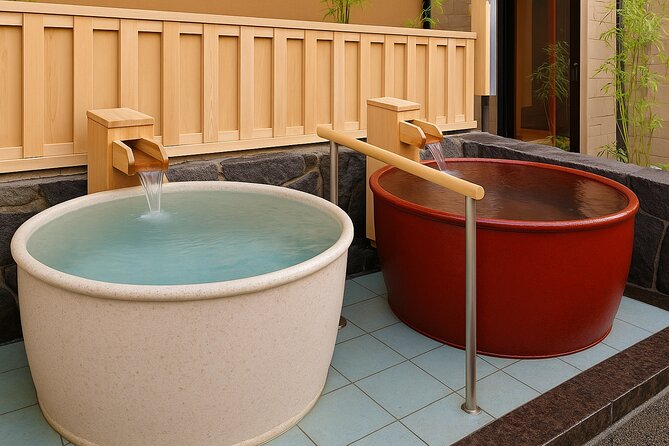
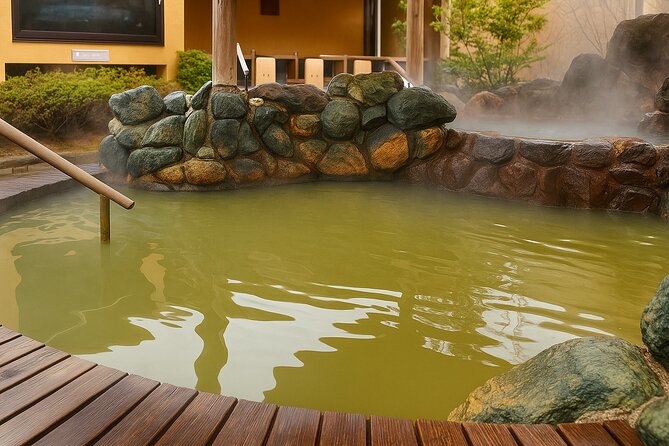
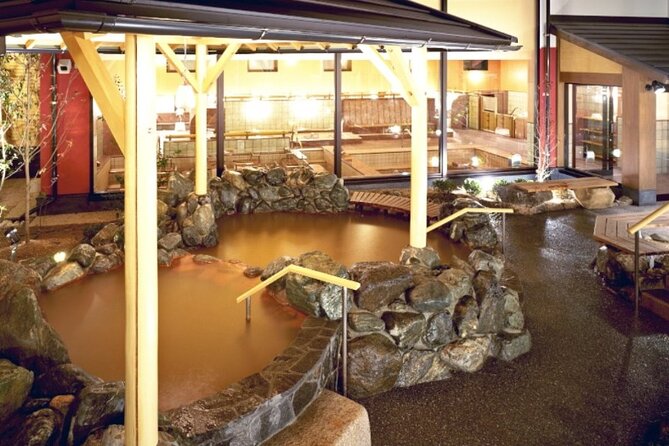
- Indoor and outdoor baths: The outdoor bath is a highlight if you want a quieter, more refreshing soak.
- Carbonated spring and sauna: You can try more than a standard hot pool and choose the level of heat that suits you.
- Guide Kazuki’s etiquette briefing: Clear instruction helps first-time onsen bathers feel at ease.
- Towels and hair dryers included: You can arrive without packing a full bathing kit.
- Private activity for your group: You do not share the tour arrangement with other booking parties.
Why this short Hiroshima onsen trip works
Hiroshima is best known for serious historical sites, but a trip does not need to be solemn from morning to night. A visit to Honoyu Ujina gives you a quieter counterpoint. The point is not a long sightseeing route or a packed schedule. It is two hours set aside to rest your body.
That short length matters. You can fit the experience between major sights, before an evening meal, or during a port call. The hot spring itself accounts for about an hour, with the rest of the time used for transport and guidance. This is a focused outing rather than a full-day spa retreat.
The price is $55 per person. I think that is reasonable if you value the round-trip ride and help with local customs. Going to an onsen independently may cost less in some cases, but you would need to arrange your own transport and work out the etiquette without assistance. Here, the value is mainly convenience and confidence, not a long list of sightseeing stops.
The private format also helps. Your booking is limited to your own group, so the experience should feel more personal than a large coach outing. It does not mean the bath facility itself is private. You are visiting a Japanese onsen, with its usual bathing setting, while the tour arrangement and transport are for your group alone.
More Hot Springs in Japan
- Osaka: Nara and Uji Day Trip with Deer Park and Hot Spring
★ 4.4 · 302 reviews - Tokyo: Mt Takao Tour with Ramen and Tattoo-Okay Hot Spring
★ 5.0 · 69 reviews - [Seasonal Limited] Mt. Fuji 5th Station &Hot Spring Day Tour
★ 4.5 · 53 reviews
The ride from central Hiroshima to Ujina
Pickup is offered from central Hiroshima, and the trip to Honoyu Ujina takes about 20 minutes. That is a useful distance: far enough to leave the busiest sightseeing routine behind, but close enough that you do not lose half a day getting there.
This transfer is one of the strongest practical reasons to book. If you are carrying day-trip plans, hotel arrangements, or a cruise schedule, a guided ride removes a layer of planning. The activity is also confirmed at booking, which helps when you are building a tight itinerary.
You should still allow enough time around the two-hour estimate. The bathing portion is listed as about one hour, while the overall experience includes transport and instruction. Pickup timing and the exact flow can affect the clock, so do not place a major timed reservation immediately afterward.
Once you arrive, guide Kazuki helps you understand how the onsen works. That briefing is not just a nice extra. Japanese hot springs have customs that may be unfamiliar if you are visiting Japan for the first time, and a few clear instructions can prevent awkward mistakes.
What to expect inside Honoyu Ujina
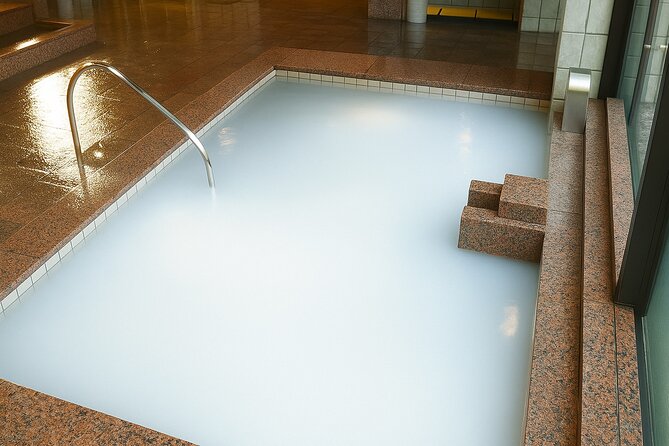
Honoyu Ujina is a natural hot spring in Hiroshima City. Its water is described as mineral-rich, and the facility includes indoor and outdoor baths, a sauna, and a carbonated spring.
The indoor baths provide the straightforward starting point. You can become familiar with the heat and bathing routine before trying the other areas. The outdoor bath is especially worth making time for. It offers a calmer setting and was singled out as a highlight by the supplied experience details.
The outdoor area is not presented as a grand scenic attraction, so you should not book this expecting mountain views or a resort setting. Its appeal is more basic and more Japanese: warm water, quiet time, and a change of pace from Hiroshima’s streets and memorial sites.
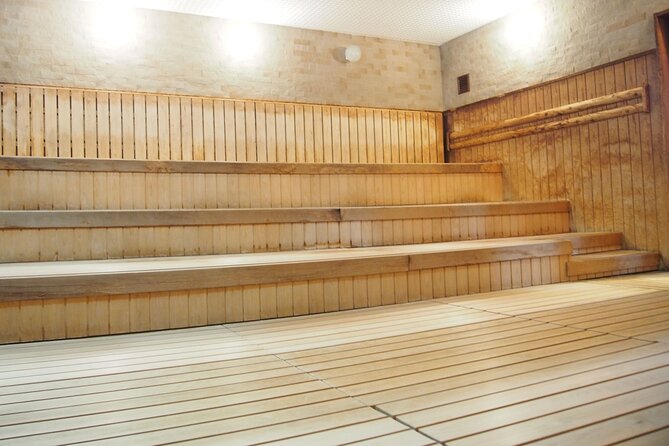
The sauna gives you another way to warm up and relax. If you enjoy alternating between bathing and sauna time, it adds variety to the one-hour visit. If you do not tolerate heat well, you can simply focus on the baths instead. The experience is not built around completing every feature.
The carbonated spring and sauna
The carbonated spring is one of the more unusual parts of the visit. The water contains carbon dioxide bubbles, and the experience description links it with improved blood circulation and relief from fatigue. Think of it as a different sensation from the main hot pools, rather than another sightseeing attraction.
I like this feature because it gives the short visit a little more character. You are not only sitting in one hot bath and leaving. You can sample several types of bathing, then decide which one feels best for you.
The same practical caution applies here as with the hot baths and sauna: listen to your body. The tour information specifically excludes people with heart disease, high blood pressure, asthma, or other respiratory problems. People under the influence of alcohol cannot take part, and you should not arrive after drinking.
The sauna is large, according to the experience details, and provides a useful option for anyone who prefers dry heat. Still, the tour is about relaxation rather than endurance. You do not need to stay in the hottest area for a long time to get value from the visit.
Same place, a different way to unwind:
- From Osaka: Himeji Castle, Arima Onsen & Mt. Rokko Day Tour
★ 4.6 · 339 reviews - Kyoto: Traditional Concert at Townhouse or Bathhouse
★ 4.9 · 224 reviews - From Tokyo: Private Tour to Fuji/Hakone – Onsen, Art, Nature
★ 5.0 · 116 reviews - Mt. Fuji, Hakone Private Tour from Tokyo – Onsen, Arts and Nature
★ 5.0 · 79 reviews
Onsen etiquette without the guesswork
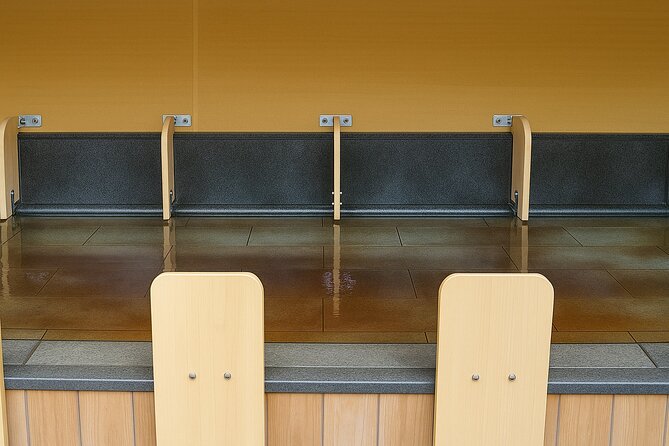
For many first-time visitors, the hardest part of an onsen is not the water. It is knowing the rules. The standard routine can feel unfamiliar, especially when you are unsure where to wash, when to enter the bath, or what to do with your towel.
Kazuki explains the basic customs in a friendly, easy-to-understand way before you bathe. That guidance is one of the best reasons to choose this arranged visit instead of simply turning up alone. You can concentrate on relaxing rather than worrying that you have missed an important step.
You should expect the usual onsen idea that the baths are for soaking after washing. The supplied information does not give a full facility rule sheet, so listen to the guide’s instructions at the site and follow posted signs. When in doubt, watch the local routine and ask Kazuki.
Towels and hair dryers are provided. That makes the outing easier for anyone who is traveling light or heading to another activity afterward. The information does not specify whether other personal items are supplied, so you should not assume that every toiletry or changing-room need is covered.
What the one-hour bathing stop feels like
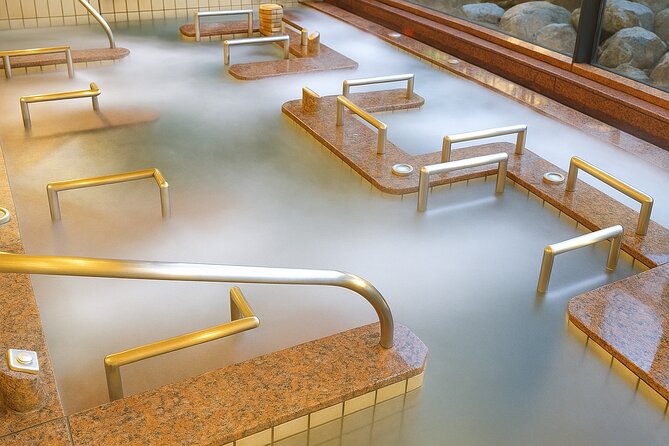
The bathing portion is short enough to stay manageable and long enough to feel worthwhile. You can use the indoor and outdoor baths, try the carbonated spring, and spend some time in the sauna without turning the visit into an all-day commitment.
I would make the outdoor bath a priority. The supplied details specifically point to it as highly recommended, and it is the feature most likely to give you the peaceful break you want from city touring. Then use the indoor bath or carbonated spring according to how your body feels.
Do not treat the schedule as a race. The value comes from slowing down. If you try to force every bath and the sauna into a strict sequence, you may miss the main point of the outing. A relaxed hour is better than collecting every feature as quickly as possible.
This is also a useful reset after a long walk. Hiroshima sightseeing can involve substantial time on your feet, and warm water can be welcome at the end of a busy day. The experience description presents the spring as a way to relieve fatigue and refresh both body and mind.
Who will get the most from the $55 price
I would recommend this tour most strongly to first-time visitors who want to try an onsen but feel unsure about the customs. The transport, etiquette help, towels, and private arrangement make the $55 price easier to justify.
It also suits cruise passengers and anyone with limited time in Hiroshima. A two-hour plan near the city center is much more practical than a distant hot spring that requires a long independent journey. Pickup can save you valuable planning time.
Couples, families with older children, and small groups may also like the private arrangement. You can travel together and receive the same explanation without joining a large tour party. Children under three cannot participate, and the supplied information does not provide a broader age policy, so families should confirm that the activity fits their group.
Independent onsen users may see less value here. If you already know Japanese bathing customs and can reach the facility easily, the guide and transport may not be worth the added cost. The strongest case for booking is convenience, cultural guidance, and a smooth first visit.
Important limits before you reserve
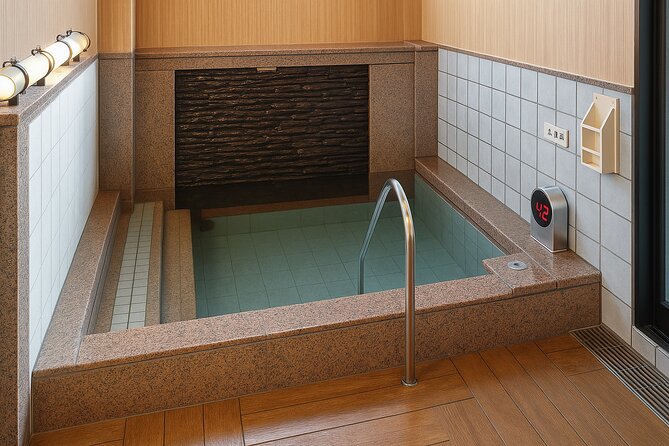
The tattoo rule is strict in the information provided: people with tattoos cannot enter. That applies even if your tattoo is small or covered, so you should confirm the policy before paying.
The activity is also not suitable for people with heart disease, high blood pressure, skin conditions such as eczema or inflammation, infectious diseases, asthma, or other respiratory problems. Anyone under the influence of alcohol cannot participate.
These limits are worth taking seriously. Hot water and sauna heat can place extra stress on the body, and an onsen is not simply a sightseeing stop. If you have a medical concern that is not listed, seek professional advice before booking rather than relying on the short tour duration.
Free cancellation is available up to 24 hours before the start time. Cancellations or changes made less than 24 hours ahead are not refunded or accepted, so keep that cutoff in mind when planning around a ship schedule or changing travel plans.
A good fit for a calm break in Hiroshima
This experience has a clear purpose and does it without unnecessary extras. You get transport from central Hiroshima, a basic introduction to onsen customs, about an hour at Honoyu Ujina, and access to indoor and outdoor baths, a sauna, and a carbonated spring.
I especially like the combination of the outdoor bath and the etiquette help from Kazuki. One gives you the restful part of the experience, while the other removes the uncertainty that can make a first onsen visit stressful. The private format adds comfort, though it does not make the bathing area private.
The main question is not whether the hot spring has enough sightseeing content. It does not. The question is whether you want a short, local wellness experience during your time in Hiroshima. If you do, the $55 price is a fair exchange for transport and guidance.
Should you book this Hiroshima hot spring tour?
Book it if you want to try a Japanese onsen without spending hours arranging transport or worrying about etiquette. It is particularly useful for first-time visitors, cruise passengers, and anyone who wants a quiet break close to central Hiroshima.
Skip it if you have tattoos, a medical condition listed in the restrictions, or no interest in bathing culture. You should also look elsewhere if you want a private bath, a long spa session, or a sightseeing tour with several stops.
For the right person, this is a focused and relaxing addition to a Hiroshima itinerary. Give priority to the outdoor bath, listen to Kazuki’s instructions, and treat the hour at Honoyu Ujina as time to slow down rather than another item to rush through.
FAQ
How long does the Hiroshima hot spring tour last?
The full experience lasts about two hours. The time at Ujina Natural Onsen Honoyu is about one hour, with the remaining time covering transportation and guidance.
How far is Honoyu Ujina from central Hiroshima?
The hot spring is about 20 minutes from central Hiroshima. Round-trip transportation from central Hiroshima is included.
Are towels and hair dryers provided?
Yes. Towels and hair dryers are provided, so you can join without bringing those items.
Can people with tattoos enter the onsen?
No. The supplied rules state that people with tattoos cannot enter because of traditional onsen policies.
Is this a private tour?
Yes. Only your group participates in the tour activity. The bathing facility itself is a Japanese onsen with indoor and outdoor baths.
Can I cancel for a full refund?
Yes, if you cancel at least 24 hours before the experience start time. Cancellations or changes made less than 24 hours before the start time are not refunded or accepted.
More Two-Hour Experiences in Japan
- 2 Hour Onsen Calligraphy Experience
★ 5.0 · 11 reviews - 2-Hour Oriental Body and Head Massage in Kyoto Japan
★ 5.0 · 9 reviews - Marrakech: 2-Hour Traditional Moroccan Hammam Experience
★ 4.5 · 2,653 reviews - Bali Luxury Spa Massage and flower Bath 2 hour Treatmen
★ 4.5 · 167 reviews
Just added around Japan
- [Japan Wellness] Zen Meditation and Temple Tour in Matsushima★ 5.0 · 9 reviews
- Sapporo Private Sightseeing Tour in Onsen with Special Package★ 5.0 · 8 reviews
- Mountain Bike Tour from Sapporo Including Hoheikyo Onsen and Lunch★ 4.5 · 35 reviews
- Full Day Green Season Hiking in Sapporo and Hokkaido with onsen.★ 5.0 · 2 reviews
- Snowshoeing and Onsen Adventures in a Winter Wonderland -Sapporo.★ 5.0 · 30 reviews
- Green Season Half Day Hikes in Sapporo and Hokkaido with Onsen★ 5.0 · 6 reviews
- Wellness in Saitama: Takedera Blowing Zen Meditation & Hot Spring★ 5.0 · 2 reviews
- Solaniwa Onsen: Osaka Bay Tower★ 5.0 · 4 reviews
More spa days in Japan.
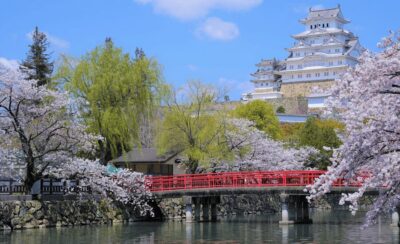
Himeji Castle, Arima Onsen & Mt. Rokko Day Tour
Read our review →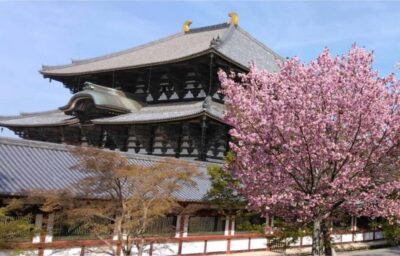
Nara and Uji Day Trip with Deer Park and Hot Spring
Read our review →
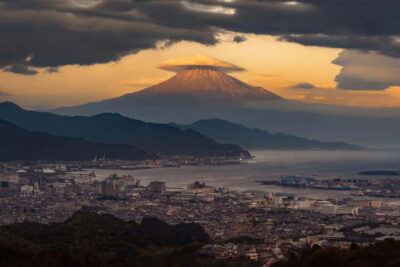
Private Tour to Fuji/Hakone – Onsen, Art, Nature
Read our review →
Mt. Fuji, Hakone Private Tour from Tokyo – Onsen, Arts and Nature
Read our review →
From Fukuoka: Mount Aso, Kurokawa Onsen, and Shrine Tour
Read our review →
Private Nagano 1-Day Tour:Snow Monkeys,Zenko-ji,Obuse,Sake,Onsen
Read our review →Other lists this one is on