
REVIEW · JAPAN
Kobe Guided Tour Including Port Area and Arima Onsen Town
Kobe makes an unusual day tour because two very different Japan trips fit into one outing. You begin among the port, foreign influences, and city streets, then head toward Arima Onsen, a traditional hot-spring town beyond Mount Rokko. Guide Yuta leads the way, keeping the day personal with a maximum of 10 people.
I like the clear contrast between Kobe Port Tower and Nankinmachi on one side and the old shrine and mountain hot-spring town on the other. I also like that the tour finishes in Arima, giving you time to explore its lanes and try the public foot bath. The main catch is the end point: you finish at Arimaonsen Station, not back in central Kobe, and the ride home takes close to an hour.
Key details before you book
- Two sides of Kobe in four hours: See the harbor city, Chinatown, shrine culture, and a mountain onsen town in one compact outing.
- Meet at Motomachi Station at 10 a.m.: The starting point is easy to identify in central Kobe, but confirm the exact station exit and meeting instructions before setting out.
- Guide Yuta keeps the group small: The maximum is 10 people, and one past outing became a private tour when other participants canceled.
- Arima receives the most time: About two hours are set aside for this old hot-spring town, compared with 30 minutes each at Nankinmachi and Ikuta-jinja.
- The tour ends away from central Kobe: Arimaonsen Station is close to the onsen area, but you must arrange your own return journey.
- The $84.55 price includes a gift, not everything: Kobe Port Tower admission, transportation fares, and dinner or drinks are extra.
Why this Kobe tour works as a city-to-mountain day
Many Kobe sightseeing plans stay near the waterfront. This one gives you a quick look at the city’s trading-port identity, then shifts to a quieter setting with old Japanese customs. That change of mood is the real reason to consider it.
The first half is built around central Kobe. You meet at Motomachi Station, then visit the harbor area, Nankinmachi, and Ikuta-jinja. These stops are close enough in character to form a useful introduction to Kobe, but each shows a different part of the city.
The second half centers on Arima Onsen. It is one of Japan’s oldest and best-known hot-spring towns, and its location in the mountains makes it feel removed from the port. You are not simply checking off four attractions. You are seeing how Kobe shifts from international commerce to local religious tradition and then to a long-established bathing town.
At $84.55 per person, the value depends on what you want from a guide. You are paying for a planned route, a local escort, explanations along the way, and help handling a day that covers separate parts of Kobe. The price does not include transportation fares, the Port Tower ticket, or food and drinks, so the final cost will be higher if you enter the tower or stop for dinner.
More Onsen Experiences in Japan:
- From Osaka: Himeji Castle, Arima Onsen & Mt. Rokko Day Tour
★ 4.6 · 339 reviews - From Tokyo: Private Tour to Fuji/Hakone – Onsen, Art, Nature
★ 5.0 · 116 reviews - Mt. Fuji, Hakone Private Tour from Tokyo – Onsen, Arts and Nature
★ 5.0 · 79 reviews
Starting at Motomachi and reaching Kobe Port Tower
The tour begins at Motomachi Station at 10 a.m. That puts you in a useful central location, close to Kobe’s shopping streets and the waterfront sights covered early in the day. The exact description says you meet at a station on the JR line, so check your confirmation carefully for the meeting instructions and the precise spot.
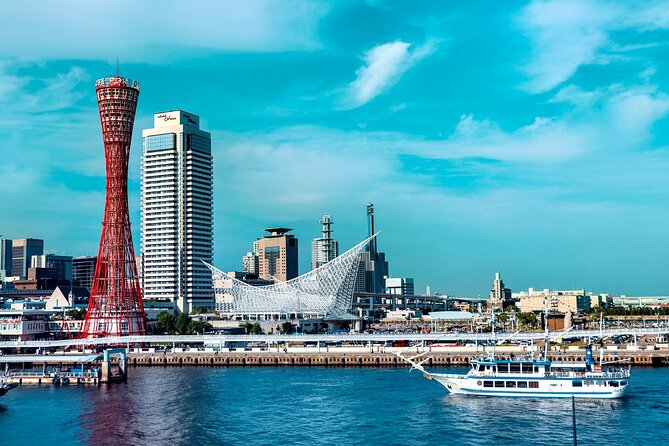
Kobe Port Tower is the main harbor landmark. Its red lattice frame rises 108 meters above the Meriken Park waterfront, giving it a distinctive shape against the port. The tower offers wide views across Kobe and the surrounding area, but admission is not included in the tour price.
You get about one hour at this stop. That is enough time for a guided look at the waterfront and, if you choose to pay separately, time to go up the tower. If you are watching your budget, you can treat the tower as an exterior landmark and save the admission fee. If views matter to you, budget extra and ask Yuta how the timing works on the day.
The port matters because Kobe grew through imports, trade, and contact with people from outside Japan. The tour uses this setting to explain why the city has a more international feel than many Japanese destinations. You will not spend the whole morning inside museums or moving between distant sights. Instead, you get a concise introduction while walking through the waterfront area.
A practical point: the day is not a seated coach excursion. You should expect walking between stops and enough time on your feet to make moderate fitness important. Comfortable shoes will help, especially once the day reaches Arima’s slopes and lanes.
Nankinmachi: 30 minutes in Kobe’s Chinatown
Nankinmachi, Kobe’s Chinatown, sits near Motomachi Station and covers several blocks. Its food shops, restaurants, and storefronts offer a different side of Kobe from the harbor promenade. You have roughly 30 minutes here, so think of this as a guided introduction rather than a long meal stop.
I like this part of the route because it gives you a chance to see Kobe’s international character in a more everyday setting. The area is also useful for food. If you want to sample something, you may be able to buy a quick snack, but dinner is not included and the short scheduled stop is not designed for a long restaurant meal.
The timing requires some discipline. Thirty minutes passes quickly if you are choosing food, taking pictures, and listening to the guide. You may want to decide in advance whether your priority is eating, shopping, or simply looking around.
The Chinatown stop also helps explain the city’s past without turning the whole morning into a formal lecture. Kobe’s port brought trade and outside communities, and Nankinmachi gives that story a physical setting. For you, the benefit is variety: the tour moves from broad harbor views to a compact neighborhood full of local activity.
Ikuta-jinja and a quieter side of Kobe
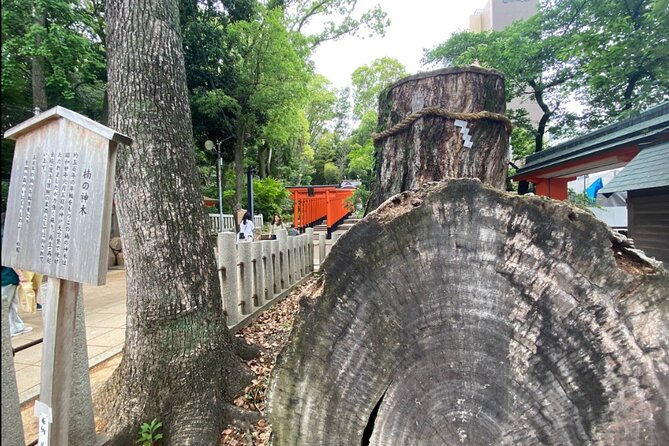
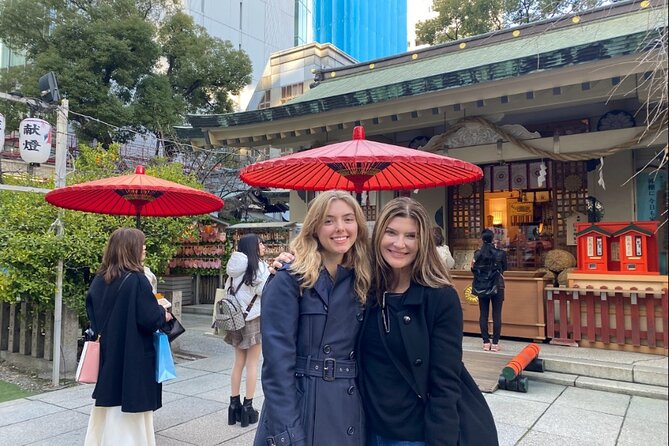
Ikuta-jinja gives the tour a change of pace. Founded in the third century, it is one of Japan’s oldest shrines and remains an important Shinto site. You have about 30 minutes here, enough for a short visit and an introduction to the shrine’s cultural role.
This stop works well between the commercial port area and Arima Onsen. At the harbor and Chinatown, the focus is trade, food, and city life. At Ikuta-jinja, you get a chance to see a religious space that has shaped Kobe for centuries.
Do not expect a long private ceremony or an extended shrine study. The schedule gives you half an hour, so the value comes from seeing the grounds and learning why the site matters. If you already know Japanese shrine customs, this may feel brief. If this is your first shrine visit in Japan, the guide’s explanation can help you understand what you are seeing.
I also appreciate the balance here. A tour that only covered the port and Chinatown would give you a narrow picture of Kobe. Ikuta-jinja adds a traditional layer before the route leaves the city for the mountains.
More Guided Tours in Japan:
- Guide tour of Japanese bathing culture at Funaoka Onsen
★ 5.0 · 15 reviews - Onsen Spa in Tokyo and Asakusa Bar Hopping with Local Guide
★ 5.0 · 3 reviews - Kobe Guided Tour Including Port Area and Arima Onsen Town
★ 5.0 · 3 reviews - Bali: Mount Batur Sunrise Guided Hike and Natural Hot Spring
★ 4.8 · 9,284 reviews
Arima Onsen: two hours in an old hot-spring town
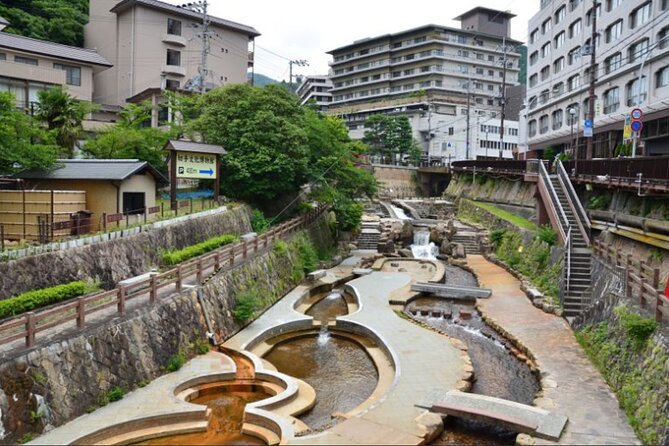
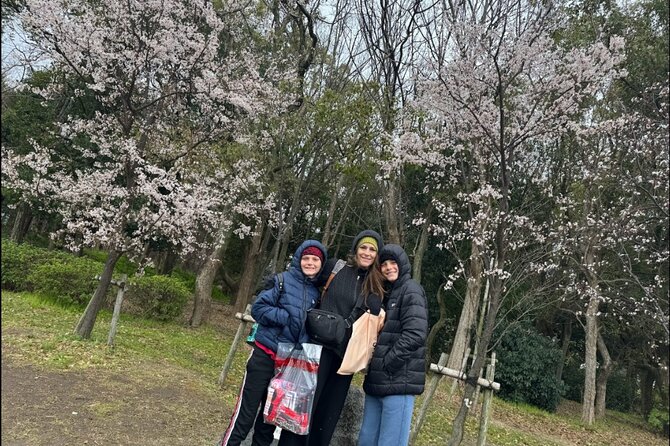
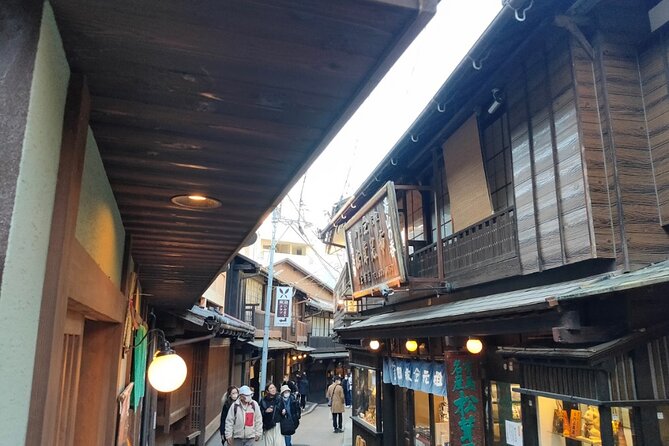
Arima Onsen is the heart of the outing, with about two hours allocated to explore. The town is in Kobe’s mountainous northern area and has a history of more than a thousand years. Its compact streets, old-fashioned atmosphere, shops, and bathing culture offer a sharp contrast to the modern port.
You do not need to book a full bath to enjoy this stop. A public hot foot bath is available in the area, and it is a practical way to experience the onsen setting without committing to a longer bathing visit. One useful tip is to bring a small towel if you hope to use it, although the provided information does not confirm whether towels are available on site.
The town is described as quaint and walkable, but the route toward it is uphill and mountainous. The walk may feel more demanding after the earlier city stops. Take your time, wear supportive shoes, and remember that the tour asks for moderate physical fitness.
Two hours gives you room to walk, browse, pause for the foot bath, and take in the town at a slower speed. It also gives Yuta space to explain how Arima fits into Japanese hot-spring culture. The tour does not include dinner, so you can decide for yourself if you want to buy food or drinks before leaving.
This is where the timing of the tour matters most. The scheduled start is 10 a.m., which should bring you to Arima during the day. A past outing changed to an afternoon schedule, and darkness meant the planned Arima visit could not happen as intended. That is an important caution: if your day is changed, ask how the revised timing affects the mountain stop. Arima is the reason this tour is more than a standard Kobe city walk.
The route change from city to mountain
The route covers a lot for a four-hour activity. You begin in central Kobe and finish at Arimaonsen Station, near the onsen town. The transportation fare is not included, and the supplied details also list a fare between Teradacho and Shinimamiya as excluded, so read your booking confirmation closely. That reference does not match the stated Motomachi meeting point, and you should clarify any uncertainty before the morning of the tour.
The end point is worth planning around. Arimaonsen Station is close to the main onsen area, so you can continue exploring after the guided portion if your schedule allows. It is not in central Kobe, however, and getting back to Kobe takes almost an hour. Yuta will explain how to return on your own, but the fare remains your responsibility.
This arrangement suits you if Arima is part of your wider Japan plan. You can finish the tour there and continue with your own visit. It is less convenient if you have a train, dinner reservation, or evening activity in central Kobe soon afterward.
The group limit of 10 is another practical advantage. A small group makes it easier to hear the guide and ask questions. It also allows some flexibility. On one outing, canceled bookings left only one participant, turning the walk into a private tour with Yuta. You should not assume that will happen, but the small maximum gives the experience a more personal feel than a large bus tour.
What is included, and what you will pay extra for
The price is $84.55 per person. Included in that amount is a gift for each participant and the guided experience. The most important attractions themselves do not all have extra charges, but you need to plan for several possible costs.
Kobe Port Tower admission is not included. Transportation fares are also not included, and neither are dinner, food, or beverages. The tour’s Chinatown and shrine stops do not list an admission charge, while Arima Onsen is listed as free to explore. If you choose a paid bath or purchase food, those costs are yours as well.
I see the price as reasonable for someone who wants the route organized and explained, especially if this is your first time in Kobe. You get four hours with a guide, a small group cap, and a route that would take more effort to arrange independently. The value is weaker if you are comfortable using Japanese public transportation, already know the city, and only want to stroll the port.
The gift is a pleasant extra, but it should not decide your booking. The real benefit is the combination of places and the help getting from central Kobe to Arima. Think of the gift as a small bonus rather than part of the core value.
Who should book this four-hour outing
I would recommend this tour to you if you want a quick introduction to Kobe and do not want to choose between the port and Arima Onsen. It is also a good fit if you enjoy walking, prefer a small group, and value explanations about local culture rather than simply collecting photographs.
It works especially well for first-time visitors with one open day in Kobe. The route gives you a broad sample: harbor views, Chinese food and shops, a major Shinto shrine, and a famous hot-spring town.
You may want a different plan if you need a relaxed pace. Four hours is tight for four distinct stops plus the move to Arima. The Port Tower, Chinatown, and shrine visits are all fairly short, while Arima receives the longest block. If you want extended time for shopping or a full bath, you may need to stay in Arima after the tour ends.
I would also think twice if you must return to central Kobe at a fixed hour. The tour finishes away from the city center, and the ride back takes close to an hour. Build in extra time rather than treating the four-hour duration as the full door-to-door commitment.
The cancellation terms are strict. This experience is non-refundable and cannot be changed for any reason, so only book once your schedule and transportation plans are firm.
Final decision: a strong choice for contrast and convenience
Book this tour if you want Kobe in broad strokes, with a guide to connect the port’s international past to Ikuta-jinja and Arima’s old hot-spring culture. Yuta’s small-group approach, the public foot bath option, and the generous two-hour Arima visit are the strongest reasons to go.
Skip it if you want a slow city day, a guaranteed long bath, or an easy return to central Kobe. The route is active, the costs do not include every major extra, and the final station requires its own onward plan.
For the right schedule, this is a useful city-to-mountain introduction. Bring comfortable shoes, allow money for transport and food, and protect the daytime timing so Arima does not become a rushed or dark ending.
FAQ
Where does the Kobe tour start?
The tour starts at Motomachi Station in Kobe at 10 a.m. The stated address is 1 Motomachikokadori, Chuo Ward, Kobe, Hyogo 650-0014, Japan.
Where does the tour end?
The tour ends at Arimaonsen Station, near the Arima Onsen town area. Returning to central Kobe takes almost one hour, and you will receive guidance on how to make the return trip yourself.
How long does the tour last?
The tour lasts approximately four hours.
Is admission to Kobe Port Tower included?
No. Admission to Kobe Port Tower is not included in the tour price.
Are transportation fares included?
No. Transportation fares are excluded. The supplied details specifically mention the Teradacho to Shinimamiya fare, so check your booking information if that route applies to you.
How many people can join the tour?
The tour has a maximum of 10 participants.
Just added around Japan
- [Japan Wellness] Zen Meditation and Temple Tour in Matsushima★ 5.0 · 9 reviews
- Sapporo Private Sightseeing Tour in Onsen with Special Package★ 5.0 · 8 reviews
- Mountain Bike Tour from Sapporo Including Hoheikyo Onsen and Lunch★ 4.5 · 35 reviews
- Full Day Green Season Hiking in Sapporo and Hokkaido with onsen.★ 5.0 · 2 reviews
- Snowshoeing and Onsen Adventures in a Winter Wonderland -Sapporo.★ 5.0 · 30 reviews
- Green Season Half Day Hikes in Sapporo and Hokkaido with Onsen★ 5.0 · 6 reviews
- Wellness in Saitama: Takedera Blowing Zen Meditation & Hot Spring★ 5.0 · 2 reviews
- Solaniwa Onsen: Osaka Bay Tower★ 5.0 · 4 reviews
More spa days in Japan.
Himeji Castle, Arima Onsen & Mt. Rokko Day Tour
Read our review →
Nara and Uji Day Trip with Deer Park and Hot Spring
Read our review →
Private Tour to Fuji/Hakone – Onsen, Art, Nature
Read our review →
Mt. Fuji, Hakone Private Tour from Tokyo – Onsen, Arts and Nature
Read our review →
From Fukuoka: Mount Aso, Kurokawa Onsen, and Shrine Tour
Read our review →
Private Nagano 1-Day Tour:Snow Monkeys,Zenko-ji,Obuse,Sake,Onsen
Read our review →Other lists this one is on