
REVIEW · JAPAN
Kyoto: A Walking Tour of Four Spring Waters, Tofu Lunch & Matcha
Kyoto’s spring water is not just something to drink. At shrines, it carries prayers for beauty, learning, protection, and good fortune. This four-hour-40-minute walking tour connects those beliefs with a tofu lunch, three shrine visits, and a final bowl of matcha.
I like two things right away: the small maximum group of six, which should make the shrine visits easier to manage, and the food focus. You get a full tofu and Kyoto obanzai meal, then sweets and matcha made with spring water. The main consideration is pace. You will be walking through busy central Kyoto, and the end time can slip because of traffic or other delays.
Key points
- Taste several sacred waters: Visit spring sources at Yasaka Shrine, Nishiki Tenmangu, and Hiyoke Tenmangu, with two special waters connected to Yasaka’s traditions.
- Start with a proper Kyoto meal: The tofu and obanzai lunch lasts about 1 hour and 20 minutes and offers a useful introduction to local home-style cooking.
- Finish at a confectionery founded in 1803: Kameya Yoshinaga serves sweets and matcha prepared with spring water.
- Keep the group personal: The tour accepts no more than six people, though it needs at least two participants to operate.
- Use public transport and walk: Transportation during the tour is included, but hotel pickup and drop-off are not.
- Plan around a late finish: The listed start is 11 a.m. at Kyoto Station, and you should leave spare time afterward.
Why Kyoto’s sacred water makes a worthwhile theme
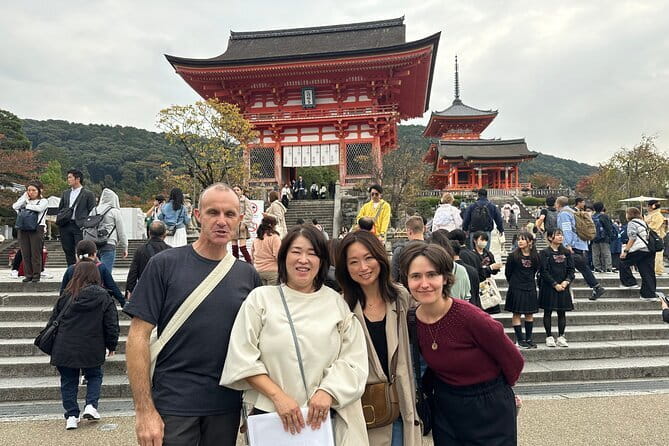
Many Kyoto tours focus on grand temples and famous viewpoints. This one takes a smaller route through the city’s religious life. You visit shrines where water is linked to beauty, study, protection, and spiritual strength.
That gives the walk a clear purpose. You are not simply ticking off three small religious sites. You are learning how a physical spring can become part of daily prayer and local custom. The water is sampled at each source, so the theme is something you actually experience rather than just hear about.
The route also shows several sides of central Kyoto. Yasaka Shrine brings a major landmark and a traditional sacred setting. Nishiki Tenmangu sits near the shopping arcades and city streets, where old religious customs share space with modern Kyoto life. Hiyoke Tenmangu adds a quieter story tied to protection from fire.
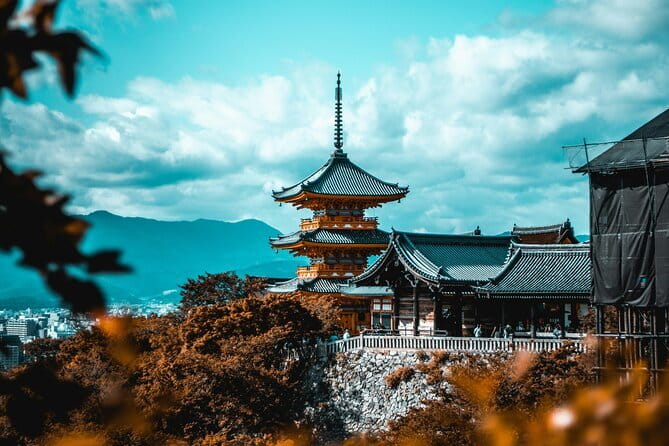
I would choose this tour if you have already seen Kyoto’s biggest temples or if you want a half-day activity with a strong local-food angle. If your priority is Kiyomizu-dera, panoramic views, or a long temple visit, this is not the right choice. Kiyomizu-dera is specifically not included.
More Tours with Lunch in Japan:
- Mountain Bike Tour from Sapporo Including Hoheikyo Onsen and Lunch
★ 4.5 · 35 reviews - Snow Monkey Park, Soba Lunch and Shibu Onsen Tour
★ 5.0 · 12 reviews - Antalya Pamukkale Hot Springs & Hierapolis Tour With Lunch
★ 5.0 · 1,092 reviews
Tofu and obanzai lunch at the start
The tour begins with lunch in Kyoto, not with a rushed snack between sights. You receive a tofu and Kyoto obanzai set meal, with about 1 hour and 20 minutes set aside for the stop.
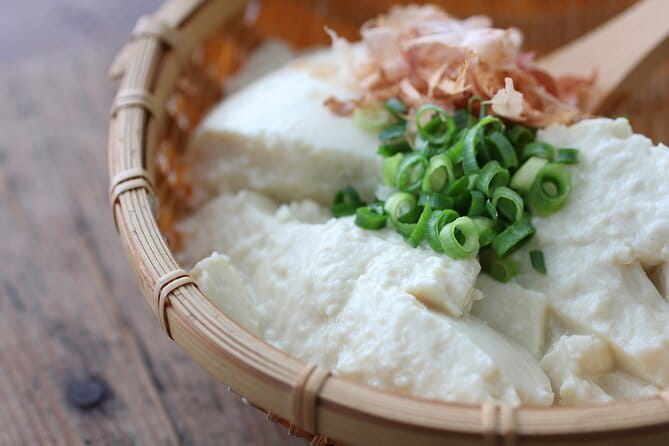
Tofu is made from soy milk and has a long place in Kyoto cooking. The meal is meant to be nourishing and gentle, with the tofu as the main attraction. Obanzai refers to the style of everyday Kyoto dishes served in small portions, often built around vegetables and simple seasoning. That makes this a useful way to meet local food culture without committing to an elaborate formal meal.
I like the timing. Eating first means you are not trying to appreciate shrine rituals while hungry. It also gives you a calm opening before the walking begins.
The exact restaurant can change with the season and other conditions. That flexibility is practical, but it means you should not book this expecting one fixed dining room or one guaranteed presentation. One important detail is that the tofu may appear as yuba, the delicate skin that forms on heated soy milk. The preparation can be subtle, so diners looking for strong flavors may find the meal restrained.
The included lunch adds real value to the $130 price, especially if you would otherwise pay separately for a tofu meal. Still, value depends on your interest in Japanese food. If tofu and vegetable dishes are not appealing, a sizable part of the tour may feel less important to you.
Yasaka Shrine and the two waters of Gion
After lunch, the walking portion begins at Yasaka Shrine. This is the largest and most recognizable shrine on the route, and it gives the water theme its mythic center.
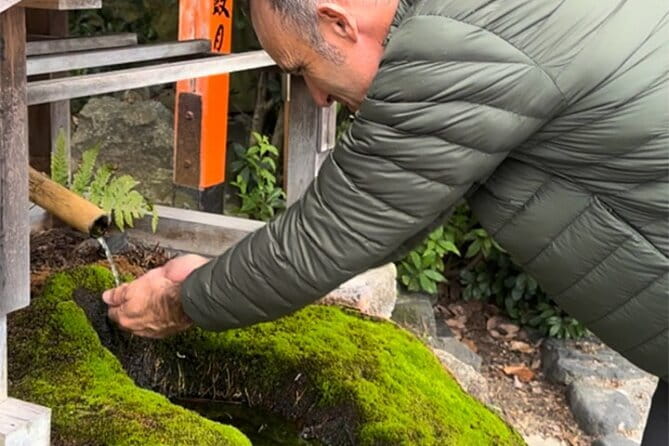
Kyoto’s old traditions describe the city as protected by four divine creatures, each associated with a direction. Yasaka, in the east, is linked with the Azure Dragon. Beneath the shrine’s main hall, a pond is said to be the dragon’s lair. Water connected with this sacred place is known as Gion Shinsui, or Power Water.
The stop lasts about 20 minutes. You should expect a short explanation of the shrine’s beliefs and time to take in the setting rather than a long architectural tour. The focus is the spring and its meaning.
The tradition at Yasaka also connects the water with beauty. After drinking the power water, you can apply a few drops of Biyomizu, or beauty water, from a shrine associated with beauty. This gives the first stop a personal, hands-on quality. You are not only looking at a sacred object. You are taking part in a small custom, with the usual care and respect required at a religious site.
Yasaka can be busy. You may wait in a queue, and the approach can feel crowded, especially around popular areas of Gion. That is part of the experience, but it also means this is not a silent retreat. The attraction is the mix of daily city life, religious practice, and old belief.
A visitor who joined the tour enjoyed walking through an arcade where modern and traditional Kyoto meet, then visiting a small shrine and trying a fortune slip. That detail helps set expectations. The pleasure here comes from small discoveries along the way, not from having a wide-open site to yourself.
Nishiki Tenmangu and water for learning
The next shrine is Nishiki Tenmangu, with about 10 minutes allocated to the stop. Its spring is associated with Tenjin, the deity of learning.
Water here is said to offer protection from misfortune, wisdom, and success in academic work. That makes the stop especially appealing if you are studying, preparing for an exam, or traveling with someone who values school and learning traditions.
The visit is brief, so do not expect a long lesson in shrine architecture. The value lies in hearing the story, seeing how people use the sacred water, and understanding why small shrines remain meaningful in a modern commercial district.
The setting also gives you a look at Kyoto outside the major postcard sites. Nishiki Tenmangu is close to shopping streets and arcades, so you may hear city traffic and encounter plenty of people moving through the area. That contrast is useful. Kyoto’s religious life is not locked away from ordinary commerce. It sits right beside it.
You may also have time for a fortune slip, depending on the guide and the flow of the group. It is a small extra, not a promised feature, so treat it as a possibility rather than a central part of the tour.
More Walking Tours in Japan:
- Become a local! A Walking Tour of Arts, Crafts & Onsen Culture
★ 5.0 · 36 reviews - Become a local! A Walking Tour of Arts, Crafts&Onsen Culture
★ 5.0 · 13 reviews - Hot Spring Beppu Onsen with Blue Hell cozy Tour by Car and walk
★ 4.5 · 9 reviews - Hot Spring Town Walking Tour in Shima Onsen
★ 5.0 · 7 reviews
Hiyoke Tenmangu and the story of fire protection
Hiyoke Tenmangu is another short stop, lasting about 10 minutes. The shrine is revered as a fire-preventing deity, and its water is tied to stories of protection.
The key event is the Hamaguri-gomon Incident in the late Edo period, when a large fire affected Kyoto. This area is said to have escaped the flames, leading to continued belief in the shrine’s ability to protect against fire.
That story gives the walk a nice change of mood. Yasaka links water with spiritual power and beauty. Nishiki connects it with learning. Hiyoke turns the focus toward safety and survival.
The visit is short, but the tale is memorable because fire was a serious danger in historic Japanese cities. You get a glimpse of how a single event can shape a shrine’s role for generations.
Again, you should not expect a major temple complex or a long photographic stop. This is a compact, story-led visit. The guide’s explanation is important, since the spring and shrine may mean little if you pass by without context.
Kameya Yoshinaga and matcha made with spring water
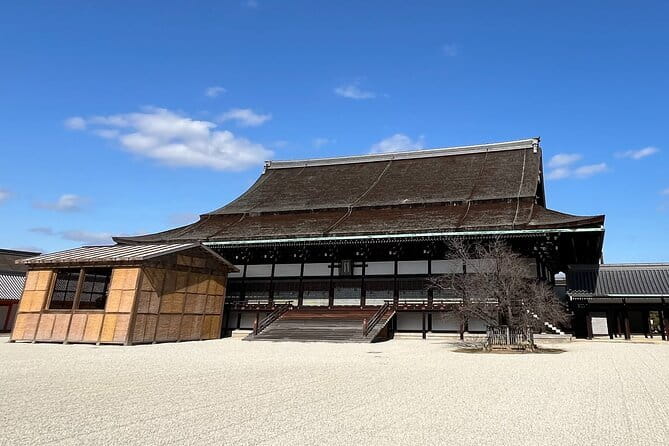
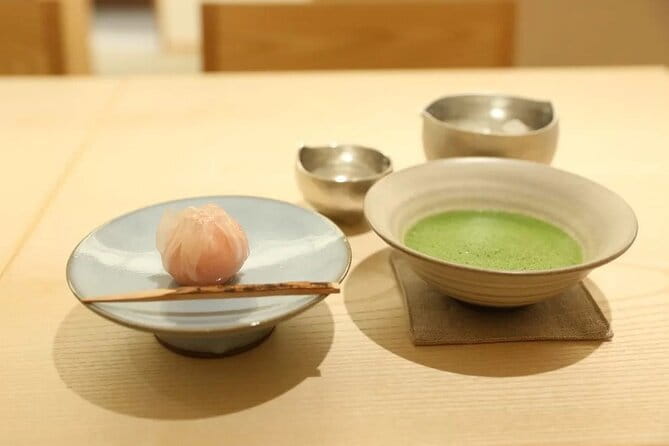
The final stop is Kameya Yoshinaga, a Kyoto confectionery founded in 1803. Here, the tour shifts from shrine customs to food craftsmanship.
You receive sweets and a bowl of matcha made with spring water. After walking through central Kyoto, this 30-minute break gives you a place to sit, slow down, and think about the water theme in a new way. At the shrines, the water carries prayers and protective meaning. At the confectionery, it becomes part of food and tea.
This is one of the strongest parts of the experience for anyone interested in Japanese sweets. Kyoto confectionery can be delicate in appearance and flavor, and matcha provides a slightly bitter balance. The spring water is not just a decorative detail. It ties the final tasting back to the places visited earlier.
One especially positive account of the tour singled out the confectionery as a must-visit stop. I can see why. It offers a concrete reward at the end of the walk, and it feels more distinctive than simply stopping at a standard café.
The 30-minute visit is not long enough for a full confectionery workshop, and none is promised. You are there to taste sweets and matcha, not to make them. That is worth knowing if you want a hands-on cooking activity.
What $130 includes, and where the value lies
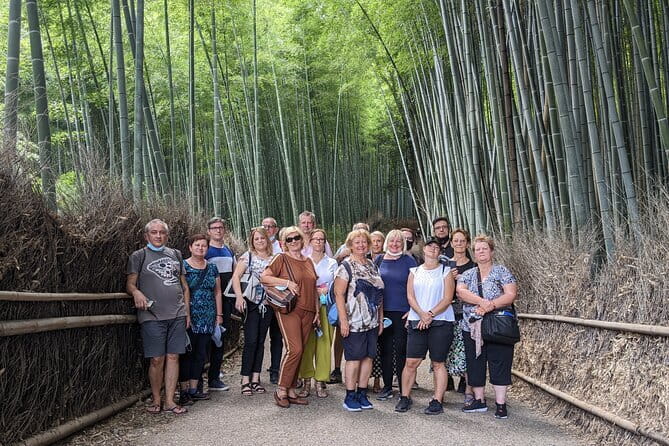
The price is $130 per person. Included are the tofu and obanzai lunch, matcha and sweets, transportation fees during the tour, and admission or activity fees.
For a small-group experience lasting nearly five hours, the price is reasonable if you want food, guiding, shrine visits, and local transport handled together. You are paying for a themed route and a guide who connects the stops. You are not paying only for entry to three shrines, most of which do not charge admission.
The strongest value comes from the combination. A separate tofu lunch, a matcha stop at a long-established confectionery, and several short guided visits could add up quickly. The group limit of six also matters. A smaller group should make it easier to hear the explanations and keep the walk moving.
The price is harder to justify if you mainly want free shrine visits or prefer to explore at your own pace. Lunch portions, restaurant choice, and the exact route can change. You should book because you want the full food-and-culture experience, not because every individual stop carries a separate ticket cost.
Private transportation is not included, but all transportation fees during the tour are covered. Hotel pickup and drop-off are also not included. You begin and end at Kyoto Station, so allow time to reach the meeting point before the 11 a.m. start.
Group size, walking pace, and practical planning
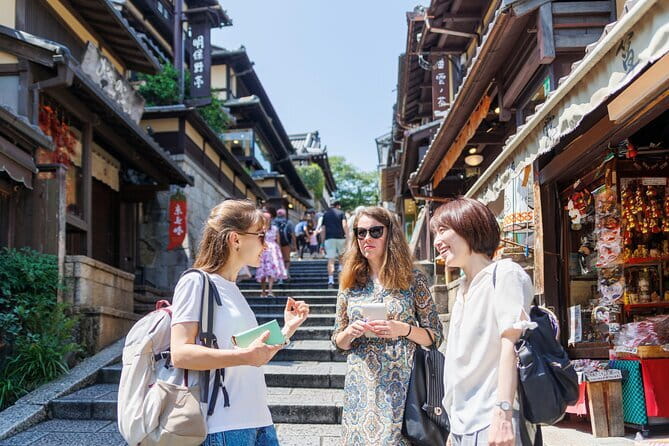
The tour accepts a maximum of six people. That is a real advantage in narrow shrine areas and busy shopping streets. It should also make it easier to ask questions about the water customs, food, and religious details.
At least two participants are required for the tour to operate. If that minimum is not reached, cancellation notice is given four days before departure and a full refund is offered. Once booked, your own cancellation is non-refundable and cannot be changed for any reason, so make sure your schedule is firm.
The route uses walking and public transportation. Most people can take part, and the meeting point is near public transportation. You should wear comfortable shoes and leave room in your schedule after the planned finish. The tour may run late because of traffic or other unforeseen delays.
Central Kyoto can be crowded, especially around Yasaka and the arcades near Nishiki. This is not a countryside walk or a quiet meditation session. It is a city tour with short stops, queues, sidewalks, and active commercial streets.
The mobile ticket is convenient. Confirmation is sent within 48 hours of booking, subject to availability. Since the tour operates with a small number of people, booking early may be sensible if the date matters to you.
Who should book this Kyoto water walk?
I would recommend it to you if you want a gentle introduction to Kyoto food and shrine customs in one outing. It suits first-time visitors who want structure, as well as returning visitors who have already seen the headline temples and want a more specific theme.
It is also a good match for anyone interested in tofu, yuba, Japanese sweets, matcha, and the meaning attached to everyday rituals. Families and older visitors may appreciate the short stop format, though the route still includes walking and time on busy streets.
I would be more cautious if you want extensive temple sightseeing, a private vehicle, or a quiet spiritual retreat. The shrine visits are brief, the group can encounter crowds, and Kiyomizu-dera is not part of the route. Food preferences also matter. The tofu meal is central, and its delicate style may not suit someone seeking a hearty or strongly seasoned lunch.
FAQ
Where does the tour begin and end?
It begins and ends at Kyoto Station, at Higashishiokoji Kamadonocho in Shimogyo Ward. The listed start time is 11 a.m.
How long does the experience last?
The tour lasts approximately 4 hours and 40 minutes. The end may be delayed because of traffic or other unforeseen circumstances.
What food is included?
You receive a tofu and Kyoto obanzai lunch. At the final stop, you receive sweets and a bowl of matcha made with spring water.
Which spring water sites are visited?
The route visits spring water sources at Yasaka Shrine, Nishiki Tenmangu, and Hiyoke Tenmangu. The Yasaka stop includes traditions connected with Gion Shinsui, or Power Water, and Biyomizu, or beauty water.
Is Kiyomizu-dera included?
No. Kiyomizu-dera Temple is not included in the current route.
How many people can join the tour?
The maximum group size is six people. At least two participants are required for the tour to operate.
Is transportation included?
All transportation fees during the tour are included. Private transportation and hotel pickup and drop-off are not included.
Can I cancel for a refund?
The experience is non-refundable and cannot be changed for personal cancellation or amendment. If the operator cancels because the minimum number of participants is not reached, you will be offered another date or experience, or a full refund.
Should you book it?
Book this tour if you want Kyoto explained through food, water, and small religious customs, rather than through a checklist of major temples. The tofu lunch and the 1803 confectionery give the day a pleasing shape, while the three shrine stops add stories about beauty, learning, safety, and good fortune.
Skip it if Kiyomizu-dera is essential, if you dislike tofu, or if you need a precise finish time. For the right visitor, the $130 cost buys a well-organized small-group outing with several included tastings and a theme you are unlikely to get from a standard sightseeing walk.
Just added around Japan
- [Japan Wellness] Zen Meditation and Temple Tour in Matsushima★ 5.0 · 9 reviews
- Sapporo Private Sightseeing Tour in Onsen with Special Package★ 5.0 · 8 reviews
- Mountain Bike Tour from Sapporo Including Hoheikyo Onsen and Lunch★ 4.5 · 35 reviews
- Full Day Green Season Hiking in Sapporo and Hokkaido with onsen.★ 5.0 · 2 reviews
- Snowshoeing and Onsen Adventures in a Winter Wonderland -Sapporo.★ 5.0 · 30 reviews
- Green Season Half Day Hikes in Sapporo and Hokkaido with Onsen★ 5.0 · 6 reviews
- Wellness in Saitama: Takedera Blowing Zen Meditation & Hot Spring★ 5.0 · 2 reviews
- Solaniwa Onsen: Osaka Bay Tower★ 5.0 · 4 reviews
More spa days in Japan.
Himeji Castle, Arima Onsen & Mt. Rokko Day Tour
Read our review →
Nara and Uji Day Trip with Deer Park and Hot Spring
Read our review →
Private Tour to Fuji/Hakone – Onsen, Art, Nature
Read our review →
Mt. Fuji, Hakone Private Tour from Tokyo – Onsen, Arts and Nature
Read our review →
From Fukuoka: Mount Aso, Kurokawa Onsen, and Shrine Tour
Read our review →
Private Nagano 1-Day Tour:Snow Monkeys,Zenko-ji,Obuse,Sake,Onsen
Read our review →Other lists this one is on