
REVIEW · JAPAN
Hiroshima: Acupuncture and Japanese unique massage treatment
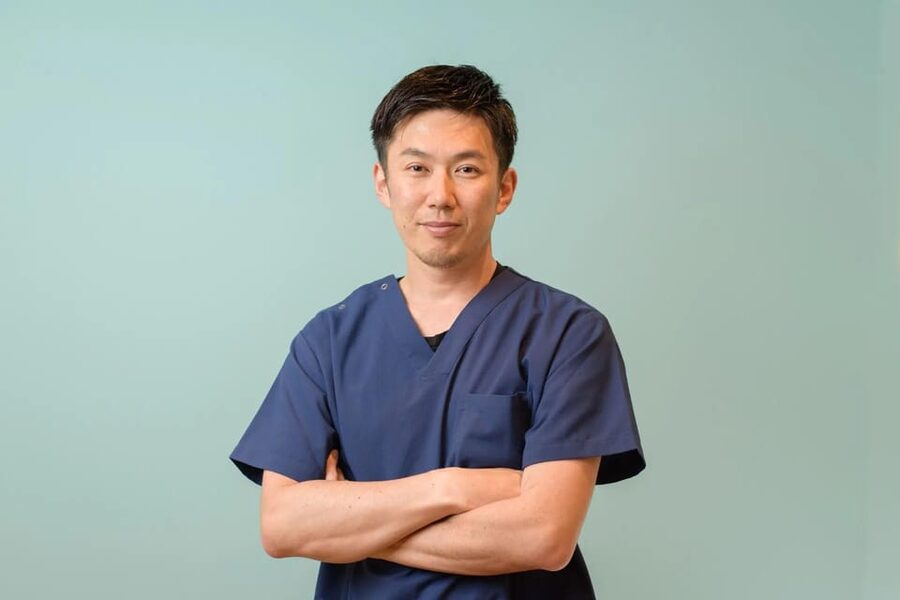
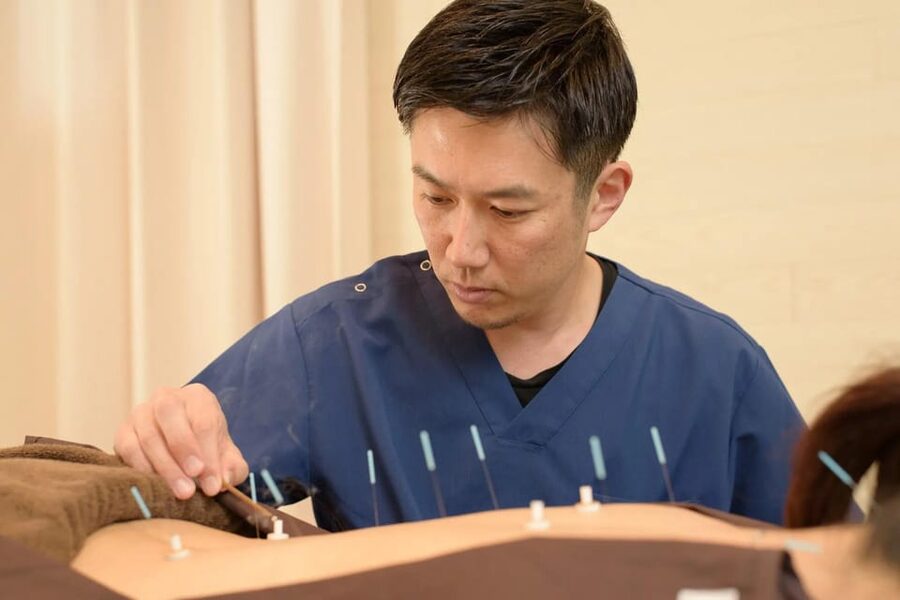
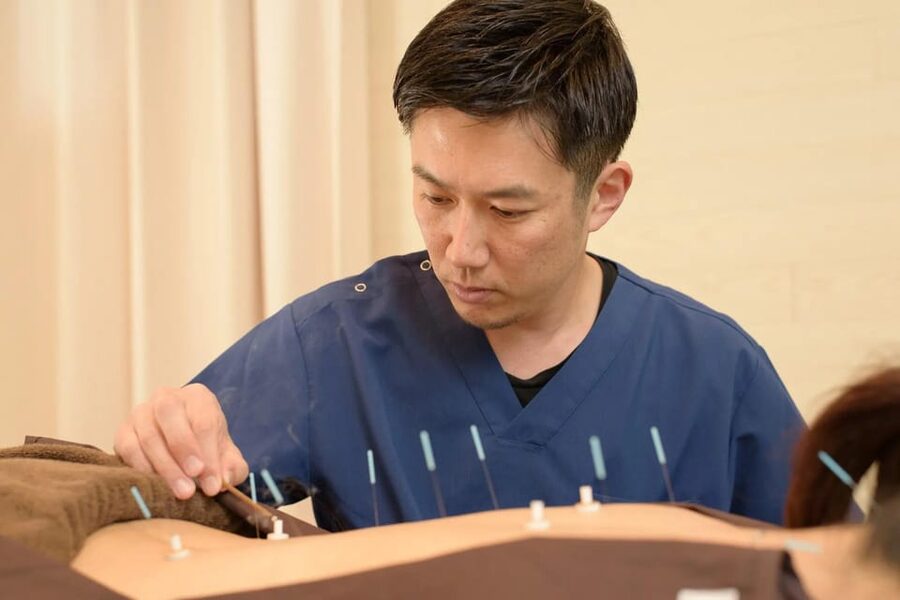
Hiroshima’s Kondoh clinic offers a quiet change of pace from memorials, museums, and city streets: private Japanese acupuncture and seitai treatment near the Atomic Bomb Dome. You begin with a health questionnaire and personal consultation, then receive care from nationally licensed acupuncturists, moxibustion practitioners, and judo therapists.
I like the one-on-one setting and the careful explanation before treatment. I also like the practical setup for couples or friends, since one person can receive acupuncture while an accompanying person uses a machine-assisted leg massage in a separate waiting room. The main consideration is that the clinic operates in Japanese, so communication may take patience if you do not speak the language.
Key points to know before booking
- Licensed Japanese practitioners: Acupuncture, moxibustion, and seitai are provided by nationally qualified professionals.
- Private room treatment: You receive one-on-one care away from other clients, with disposable needles used for acupuncture.
- Near the Atomic Bomb Dome: The clinic works well as a restorative pause during a day in central Hiroshima.
- Gentle nerve-focused seitai: The Japanese-style treatment uses careful bodywork rather than forceful manipulation.
- Flexible session lengths: Choose from 50, 90, or 120 minutes, with the experience listing centered on a 90-minute to 2-hour visit.
- Useful for tired bodies: The treatment is aimed at travel fatigue, chronic discomfort, and general relaxation, but it is not a substitute for medical care.
A quiet treatment near Hiroshima’s central sights
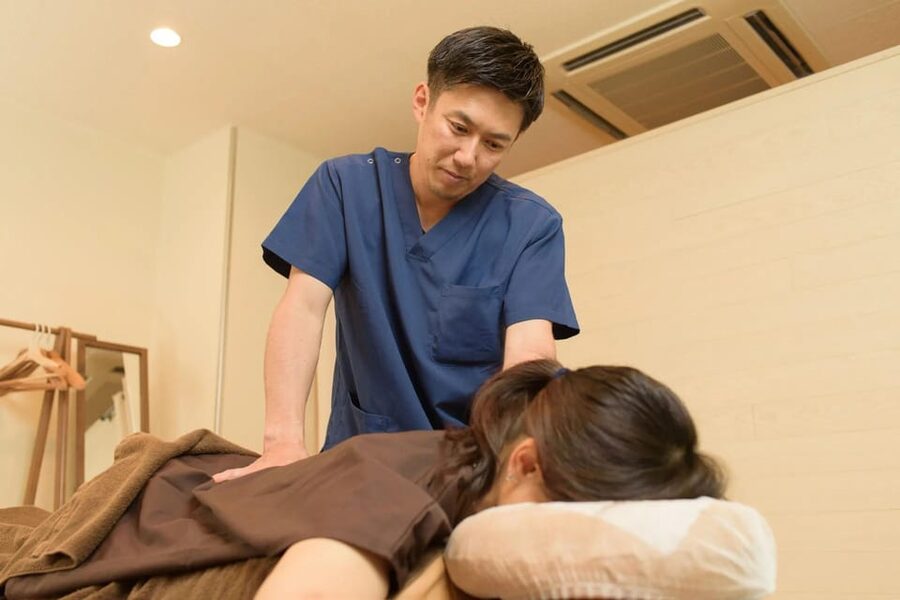
Hiroshima sightseeing can be emotionally heavy and physically tiring. A visit to the Atomic Bomb Dome, Peace Memorial Park, and nearby museums often involves plenty of walking and standing. Kondoh Acupuncture and Chiropractic Clinic gives you a chance to stop, sit down, and focus on how your body feels.
The clinic is near the Atomic Bomb Dome, which makes the timing easy to fit into a central Hiroshima day. You can schedule the treatment around your sightseeing rather than wait for an opening. This is a reservation-only service, so the appointment system helps keep the room quiet and the attention personal.
You are not joining a large wellness class or a shared bathing experience. This is a private treatment with a practitioner working directly with you. That makes it a good fit if you prefer calm surroundings and do not want to discuss physical discomfort in front of strangers.
A few more spa visits around Japan worth a look
- From Osaka: Himeji Castle, Arima Onsen & Mt. Rokko Day Tour
★ 4.6 · 339 reviews - Osaka: Nara and Uji Day Trip with Deer Park and Hot Spring
★ 4.4 · 302 reviews - Kyoto: Traditional Concert at Townhouse or Bathhouse
★ 4.9 · 224 reviews
The consultation comes before the needles
Your visit begins with a medical questionnaire and counseling. You explain what bothers you, where you feel tired or sore, and what you hope to get from the session. The practitioner then examines your physical condition before explaining the treatment plan.
This opening matters. Acupuncture and bodywork are not presented as a one-size-fits-all routine. The practitioner is expected to listen first, check your condition, and adjust the session to your needs. You also have a chance to ask questions before anything begins.
The process is especially helpful if this is your first acupuncture treatment. One first-time visitor described the back and neck treatment as well explained and helpful. That is the kind of detail I would want before booking an unfamiliar treatment abroad: you should know what will happen before the needles are placed.
Because the service is conducted in Japanese, communication is the one clear practical limitation. You should be ready to explain your concerns in simple terms and allow time for the practitioner to demonstrate or clarify the plan. If you have a serious medical condition, ask questions before treatment and use your own medical judgment.
Acupuncture and moxibustion in a private room
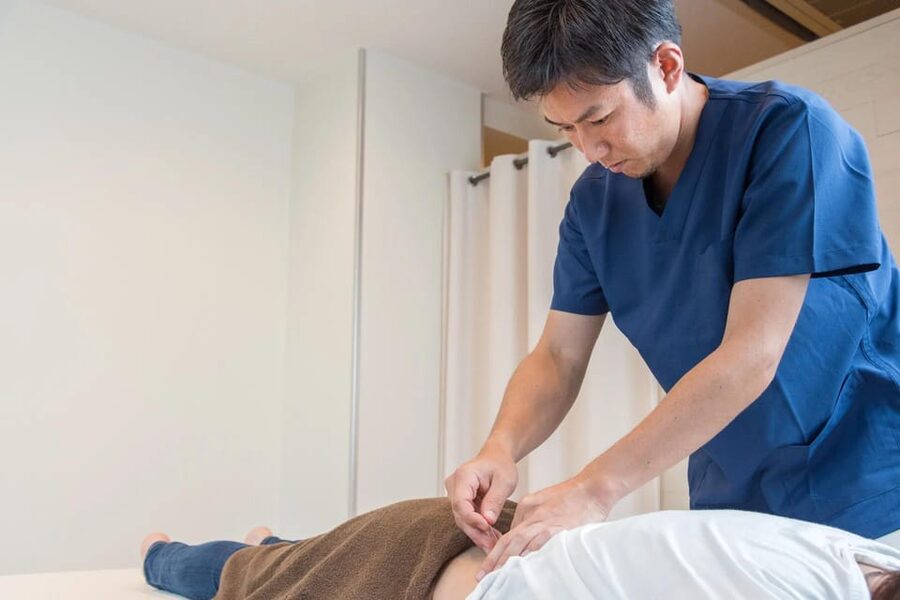
The acupuncture portion uses disposable needles placed at acupoints around the body. Moxibustion may also be used, with heat adjusted to a comfortable level. The clinic describes the aim in traditional Japanese terms, including the circulation of chi, while the practical experience is a period of quiet rest during treatment.
For many people, the appeal is simple: you lie still in a private room while a licensed professional works through a traditional Japanese method. Some people seek help with ongoing body pain. Others want to relax after long flights, hard beds, or several days of walking.
The clinic states that 70 to 80 percent of repeat clients have received acupuncture and are satisfied with the results. That figure is a claim from the provider, not a guarantee for you. Acupuncture affects people differently, and you should think of the treatment as personal care and relaxation rather than a certain cure.
The use of disposable needles is a reassuring detail. It addresses a basic concern about hygiene, while the private room offers a more comfortable setting than a busy shared treatment space. You can also discuss the level of heat from moxibustion and tell the practitioner if anything feels uncomfortable.
Gentle seitai, the Japanese-style body treatment
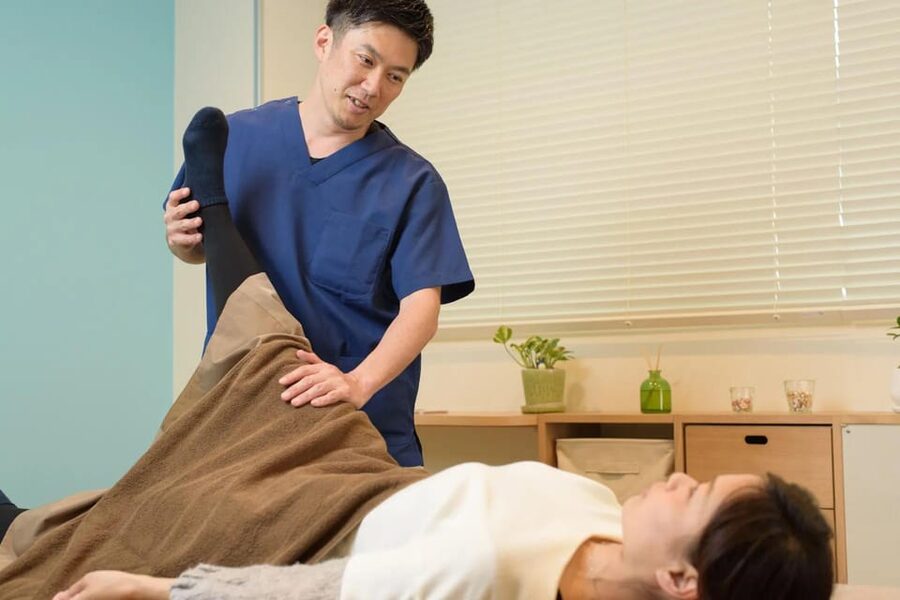
The second main treatment is Japanese-style seitai, described here as a gentle form of chiropractic care or nerve chiropractic. The approach focuses on muscles, bones, nerve function, and body movement. The clinic presents it as comfortable and suitable for people of different ages, genders, and health backgrounds.
You should not expect a forceful sports massage. The treatment is described as gentle, with an emphasis on restoring natural movement and helping the body feel more balanced. The provider also uses the image of a zero-gravity sensation, which suggests a light, supported style rather than hard pressure.
That description will appeal to you if strong manipulation makes you nervous. It may also suit a tired body after a day of walking, though the exact experience depends on your condition and the treatment plan. If you want a vigorous deep-tissue massage, this may not be the right choice.
One useful point from the treatment format is that acupuncture and seitai can be combined. The practitioner can decide how to address your concerns after the questionnaire and physical check. Ask what is planned, especially if you have a preference for needles, heat, or hands-on bodywork.
Same place, a different way to unwind:
- From Tokyo: Private Tour to Fuji/Hakone – Onsen, Art, Nature
★ 5.0 · 116 reviews - Mt. Fuji, Hakone Private Tour from Tokyo – Onsen, Arts and Nature
★ 5.0 · 79 reviews - Tokyo: Mount Fuji 5th Station & Onsen Day Trip
★ 4.3 · 75 reviews - From Fukuoka: Mount Aso, Kurokawa Onsen, and Shrine Tour
★ 4.6 · 72 reviews
What happens during the 90-minute visit
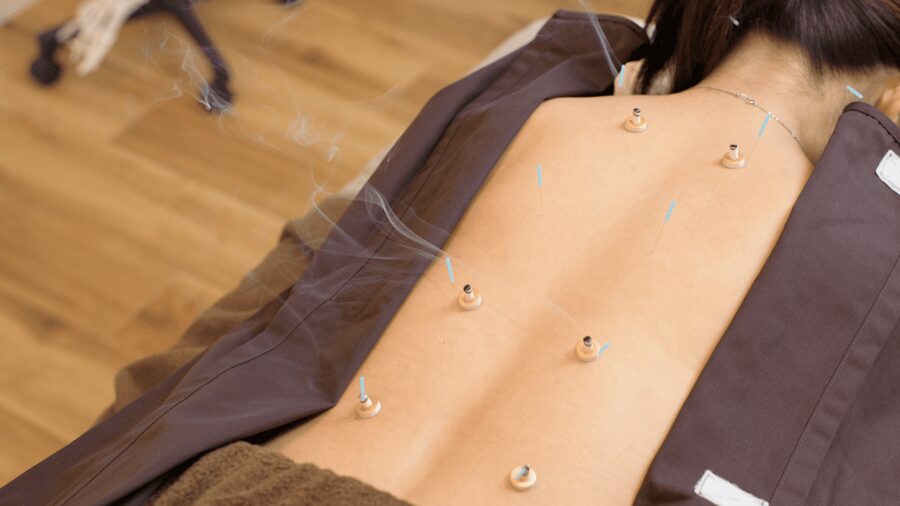
The full appointment follows a clear sequence:
- You complete the medical questionnaire.
- You discuss your condition and goals with the practitioner.
- The practitioner examines your physical condition.
- The treatment approach is explained.
- Acupuncture, moxibustion, seitai, or a combination begins.
- You confirm how you feel afterward.
- The practitioner gives precautions and self-care advice for daily life.
The experience listing gives a duration of 90 minutes to 2 hours, depending on the selected option. The clinic also lists 50-minute treatment for 13,200 yen, 90 minutes for 17,800 yen, and 120 minutes for 24,800 yen. The advertised booking price is about $95 per person, so check the exact session and current price when you reserve.
Do not assume that every minute becomes hands-on massage. The questionnaire, examination, explanation, and aftercare are part of the visit. One booking included acupuncture for one person and pressure drainage using special stockings for another person, with the massage portion feeling shorter than expected. That is a useful warning: if massage is your main goal, ask exactly how much bodywork is included in your chosen treatment.
A practical option for couples and friends
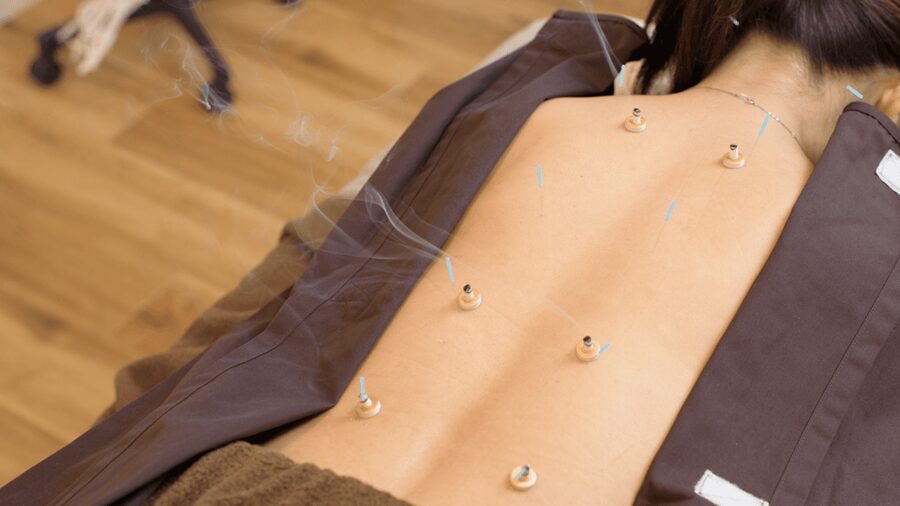
The private setup works well for two people with different interests. One person can receive acupuncture while the other uses a machine-assisted leg massage in a dedicated waiting room. This is more useful than it may sound after a full day of sightseeing, since tired legs are common even when your main concern is back, neck, or shoulder tension.
The leg treatment uses special equipment rather than a second full acupuncture session. You should understand that distinction before booking. The accompanying-person option adds comfort and convenience, but it does not mean both people automatically receive identical treatment.
A private group format also means you are not joining strangers. The room is intended for relaxed, individual support. If you are booking as a pair, mention your preferences in advance so you know which person receives which service and how the timing is arranged.
How the clinic’s qualifications affect value
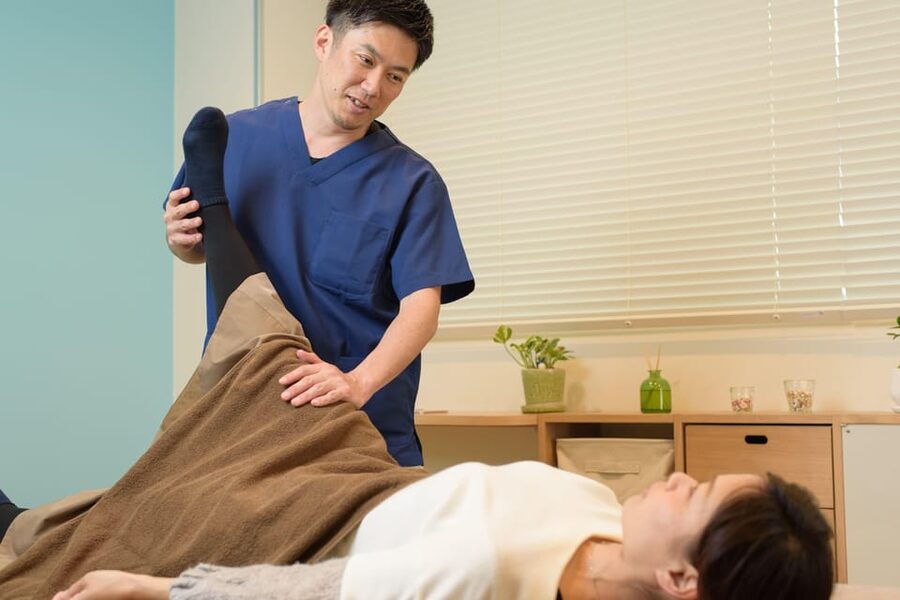
The practitioners are nationally licensed as acupuncturists, moxibustion practitioners, and judo therapists. In Japan, those qualifications signal formal professional training in the listed fields. For you, the practical benefit is a greater sense of structure than you might get from an unlicensed hotel massage.
The consultation and physical examination also add value. You are paying not only for time on a treatment table, but for an assessment and advice about daily care. The practitioner checks how you feel after the session and explains precautions, which can help you make sensible choices for the rest of your trip.
Still, you should keep expectations realistic. National qualification does not promise that a chronic condition will disappear. The clinic presents acupuncture and seitai as ways to address discomfort, restore movement, and relax. If you need diagnosis or treatment for a serious illness, consult a medical professional.
Is $95 a fair price?
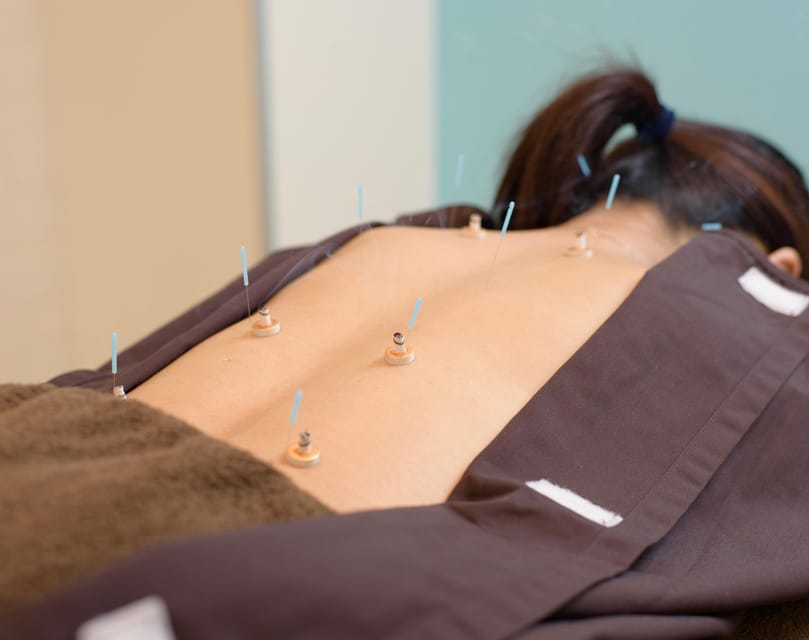
At about $95 per person, this experience sits above a quick massage but below the cost of many long private wellness sessions in major cities. The value depends on the session length and how much of the visit is devoted to your chosen treatment.
The listed prices give a useful comparison. A 50-minute session costs 13,200 yen, a 90-minute session costs 17,800 yen, and a 120-minute session costs 24,800 yen. The longer visits make more sense if you want both acupuncture and seitai, or if you prefer a slower consultation and aftercare process.
I would judge the price favorably if you value licensed care, a private room, and a treatment near central Hiroshima. I would be less enthusiastic if you mainly want an ordinary oil massage. The clinic’s strength is Japanese acupuncture and gentle seitai, not a resort-style spa menu.
The booking terms add flexibility. You can reserve now and pay later, and cancellation is allowed up to 24 hours before the appointment for a full refund. Starting times vary, so check availability around your Hiroshima sightseeing plans.
What to know about language and comfort
The listed instructor language is Japanese. That does not automatically make the visit difficult, but it does mean you should prepare your questions clearly. The consultation is important, so give yourself enough time to explain pain, old injuries, allergies, or anything that could affect treatment.
You can also ask the practitioner to explain each stage before it begins. This is especially sensible if you have never received acupuncture or moxibustion. Tell the practitioner immediately if a needle, heat, or body movement feels wrong.
The clinic is described as clean, attentive, and caring in one detailed account. Those qualities matter in a treatment setting, where calm handling and clear attention are just as important as the technique itself. The private room should also help you relax without worrying about other people nearby.
Who will get the most from this experience?
I would recommend this appointment to you if:
- You want to try a traditional Japanese acupuncture treatment.
- You have a tired back, neck, or body after sightseeing.
- You prefer a quiet private room to a busy spa.
- You are curious about Japanese seitai and gentle bodywork.
- You are traveling with someone who would prefer a leg massage while you receive acupuncture.
- You value a nationally licensed practitioner and a structured consultation.
I would pause before booking if you want a standard Western massage, a strong sports massage, or treatment in English. I would also ask detailed health questions first if you have a significant medical condition, since the available information does not provide a full list of conditions treated or excluded.
The appointment is particularly well suited to a Hiroshima itinerary with a free afternoon or evening. After the emotional weight of the Peace Memorial area, quiet bodywork can help you reset. Just leave enough time so you are not rushing from the clinic to another fixed booking.
Should you book Kondoh Acupuncture and Chiropractic Clinic?
Book it if you want a private, traditional Japanese treatment led by nationally licensed professionals, especially for travel fatigue, mild chronic discomfort, or simple relaxation. The careful intake, disposable needles, central location, and gentle seitai approach give the appointment more substance than a quick massage.
Think twice if your priority is a long, vigorous massage or easy English communication. Also confirm the exact treatment length and what portion will be acupuncture, moxibustion, seitai, or leg equipment. For the right visitor, this is a thoughtful way to care for your body while seeing Hiroshima, not just another item to tick off the sightseeing list.
FAQ
Where is the treatment located?
The clinic is in Hiroshima in Japan’s Chugoku Region, near the Atomic Bomb Dome.
How long does the treatment take?
The experience is listed as lasting 90 minutes to 2 hours. The clinic also offers 50-minute, 90-minute, and 120-minute treatment options.
How much does the treatment cost?
The advertised experience price is about $95 per person. The clinic lists 13,200 yen for 50 minutes, 17,800 yen for 90 minutes, and 24,800 yen for 120 minutes.
Is the treatment private?
Yes. Treatment takes place in a fully private room with one-on-one support.
Are the needles disposable?
Yes. The acupuncture treatment uses disposable needles.
Who provides the treatment?
Treatments are performed by professionals who are nationally licensed as acupuncturists, moxibustion practitioners, and judo therapists.
What treatments are available?
The clinic provides Japanese acupuncture, moxibustion, and Japanese-style seitai, described as a gentle chiropractic treatment. Accompanying people can also receive machine-assisted leg massage in a dedicated waiting room.
What language is spoken?
The listed instructor language is Japanese.
Can I cancel my reservation?
You can cancel up to 24 hours in advance for a full refund. Reserve now and pay later is also available.
Just added around Japan
- Kowakien Yunessun Hot Springs Entry Ticket★ 4.2 · 23 reviews
- Kobe Guided Tour Including Port Area and Arima Onsen Town★ 5.0 · 3 reviews
- Kobe: Arima Onsen Culinary Stroll & Food Tasting Tour★ 5.0 · 2 reviews
- Immersive facial treatment in a Japanese space★ 4.8 · 8 reviews
- Hakone: Traverse the Hakone Caldera and Enjoy Onsen★ 4.6 · 8 reviews
- Mount Fuji – Hakone & Onsen Full Day Private Tour★ 3.8 · 6 reviews
- Fukuoka: Mt. Aso Volcano & Kurokawa Onsen Scenic Day Tour★ 3.8 · 37 reviews
- From Tokyo: Private Motorcycle Tour – Fuji, Hakone, Onsen★ 4.9 · 12 reviews
More spa days in Japan.
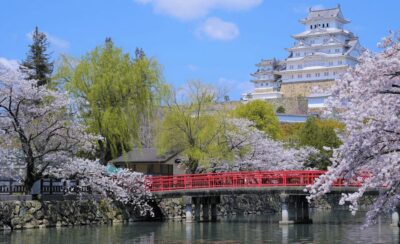
Himeji Castle, Arima Onsen & Mt. Rokko Day Tour
Read our review →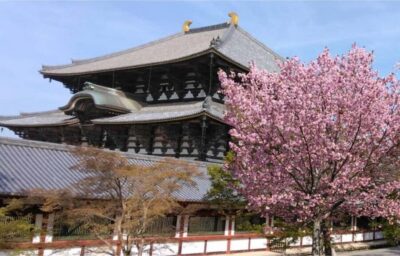
Nara and Uji Day Trip with Deer Park and Hot Spring
Read our review →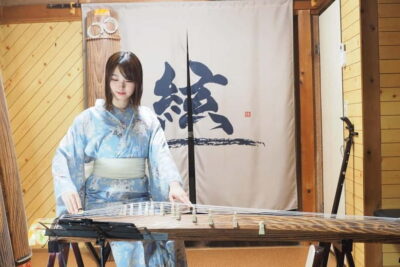

Private Tour to Fuji/Hakone – Onsen, Art, Nature
Read our review →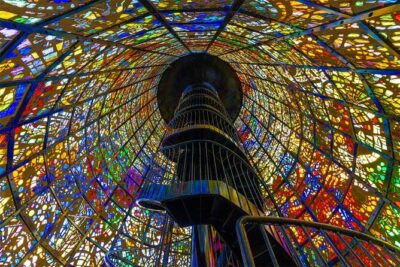
Mt. Fuji, Hakone Private Tour from Tokyo – Onsen, Arts and Nature
Read our review →
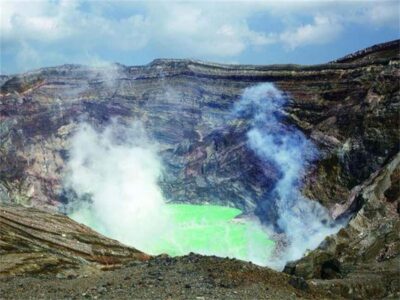
From Fukuoka: Mount Aso, Kurokawa Onsen, and Shrine Tour
Read our review →
Private Nagano 1-Day Tour:Snow Monkeys,Zenko-ji,Obuse,Sake,Onsen
Read our review →Other lists this one is on