
REVIEW · JAPAN
Kyoto: Hike and Hot Springs in Kurama
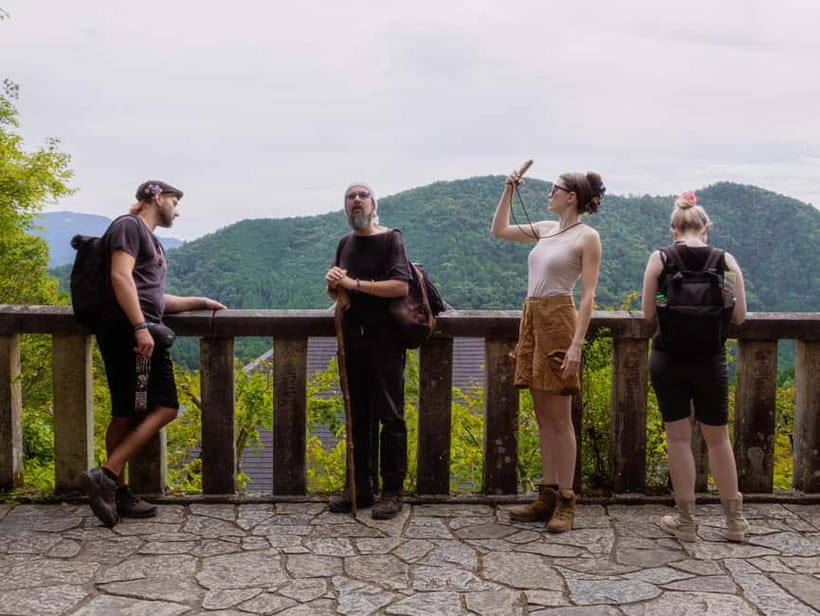
Kurama gives you a very different Kyoto: cedar forest, mountain air, stone steps, old shrines, and a train ride that feels like a small escape from the city. I especially like the mix of spiritual sites and outdoor exercise, plus the chance to finish with a hot spring bath overlooking the hills.
The guides, particularly Philippe, add real value by explaining local legends, temple figures, Reiki connections, and less obvious places along the trail. You also get a flexible ending in Kurama, where you can eat, stroll, or pay extra for the bath. The catch is that this is a proper uphill walk, not a gentle sightseeing stroll.
- Mountain train from Demachiyanagi: Ride through northern Kyoto toward the rural villages of Kibune and Kurama.
- Sacred forest trail: Climb stone steps through cedar woods toward Kurama Temple.
- Kibune Shrine visit: Make a prayer connected with good relationships.
- Guides with local insight: Philippe, Chris, Kevin, Salome, and other guides have led this walk.
- Optional hot spring finish: Add a bath after the tour, but pay the admission fee separately.
- Four hours with a flexible ending: Finish in Kurama with advice on lunch, bathing, and returning by train.
Leaving Kyoto for the Kurama Mountains
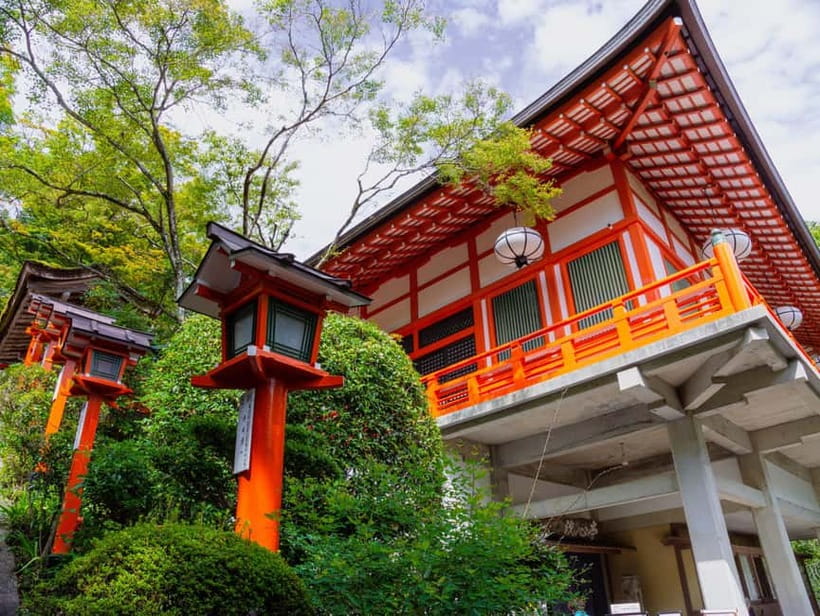
The tour begins at Demachiyanagi Station, exit 7, in front of the Eizan Railway. That meeting point matters because the Eizan train carries you out of central Kyoto and into the wooded northern hills without the fuss of arranging a separate transfer.
The train ride is part of the pleasure. You watch the city give way to mountain scenery, then arrive in an area that feels rural and quiet compared with Kyoto’s main temple district. It is a useful reminder that you do not need a long journey to find fresh air and serious greenery near the city.
The exact pace depends on the group, the guide, and the day. Private and small-group options are available, which can make the walk easier to adjust. Philippe has been especially praised for adding side stops and tailoring the route, while Chris, Kevin, Salome, and others have also led the experience.
Kibune Shrine and the meaning of the route
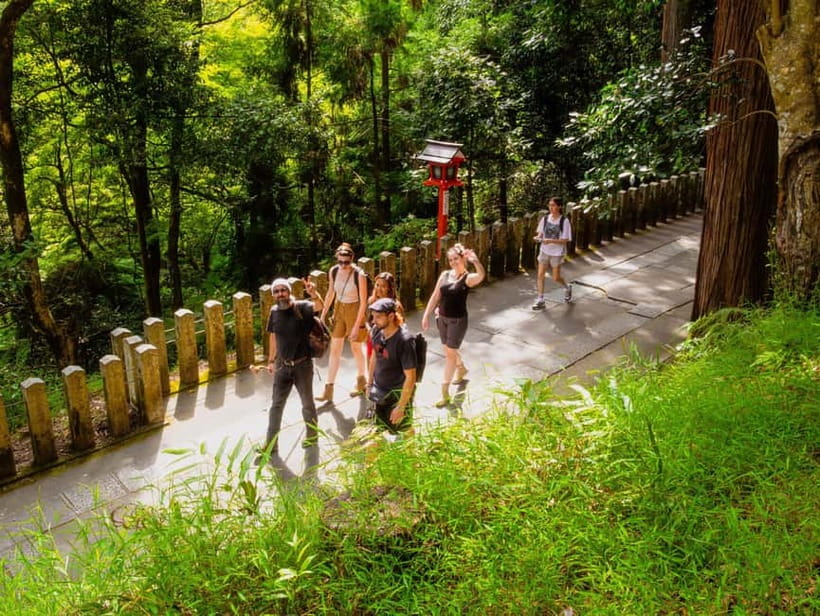
Kibune Shrine brings a spiritual start to the outing. The shrine is connected with prayers for good relationships, so it suits couples, friends, and anyone who enjoys giving a personal purpose to a temple or shrine visit.
You are not simply ticking another religious site off a list. Your guide can explain the customs, stories, and beliefs that give the area its character. That context helps you notice the difference between a quick photo stop and a respectful visit.
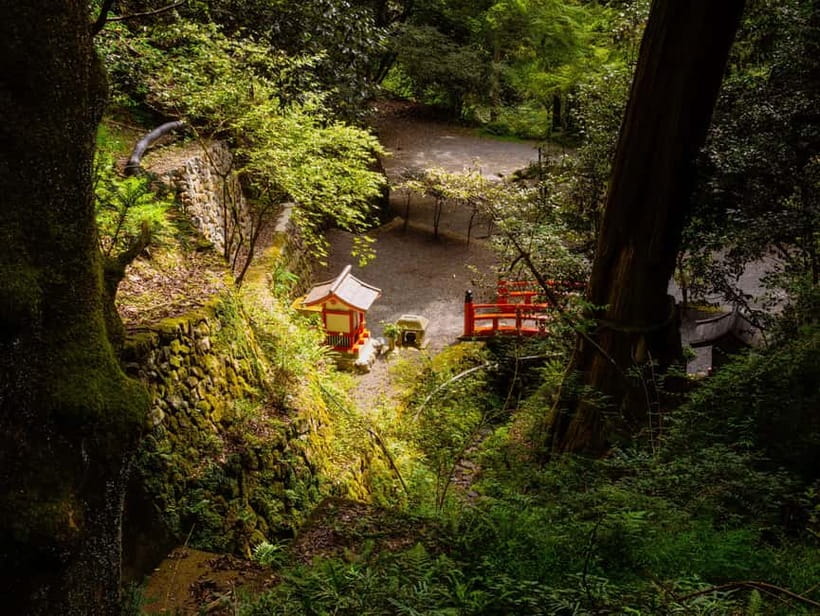
The route also links Kibune and Kurama, two mountain communities associated with old legends and sacred places. The walk gives those sites a physical connection. You move through the forest instead of treating each stop as an isolated attraction.
More Hot Springs in Japan
- Osaka: Nara and Uji Day Trip with Deer Park and Hot Spring
★ 4.4 · 302 reviews - Tokyo: Mt Takao Tour with Ramen and Tattoo-Okay Hot Spring
★ 5.0 · 69 reviews - [Seasonal Limited] Mt. Fuji 5th Station &Hot Spring Day Tour
★ 4.5 · 53 reviews
Climbing Kurama Mountain through cedar forest
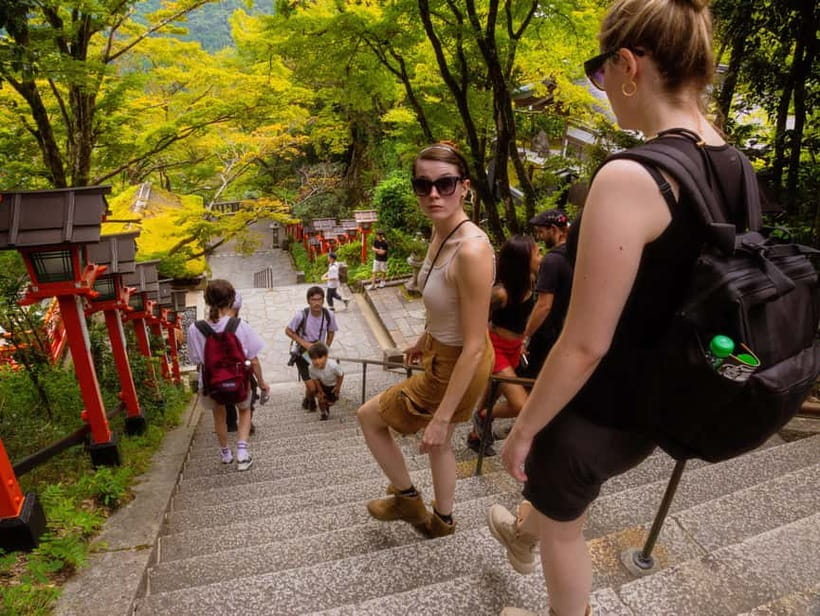
After a short visit, the trail turns uphill. The climb to the top takes about 30 to 40 minutes, but the time does not tell the whole story. The route uses steps, and the effort can feel much greater in hot weather or if you are not used to hills.
You should have a decent level of fitness and some hiking experience. Comfortable shoes and water are essential. Long trousers are a smart choice if you want to reduce the chance of bug bites.
The good news is that the guide does not need to rush you. The walk includes stops for scenery, fresh air, and the unusual features found along the trail. Several guides have been praised for patience, especially when the climb felt demanding.
This is where the tour earns its outdoor value. You get a real change of pace from Kyoto’s crowded central sights. The forest is quiet, the air is cooler, and the steady climb gives the morning a clear rhythm. It is exercise, but it is also a chance to let your attention move away from shops, signs, and city traffic.
The trail is not suitable for people with mobility impairments, wheelchair users, children under 11, or people without hiking experience. That warning should shape your booking decision. The walk may be manageable for a regular walker, but it is not the right choice if you want flat paths and frequent transport.
Kurama Temple at the mountain peak
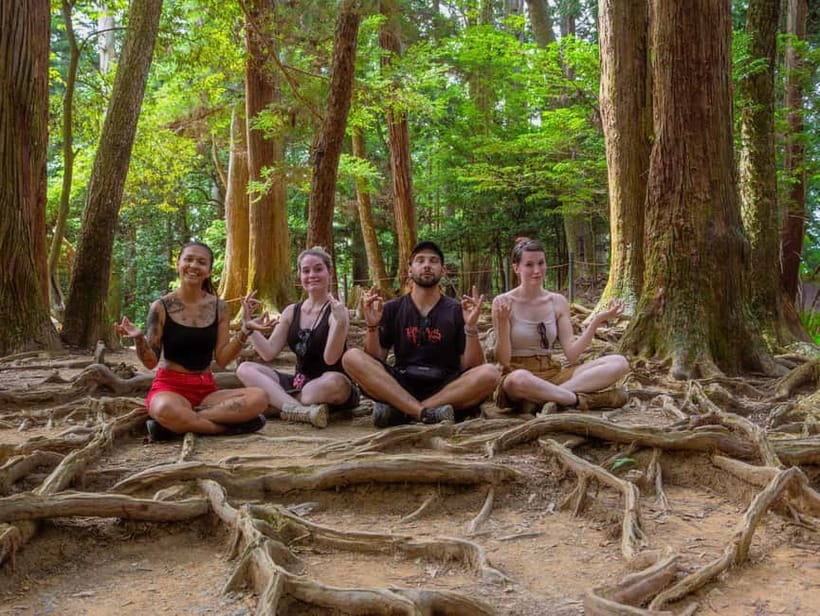
At the top, you visit Kurama Temple, a major reason to make the climb. The temple sits in a striking mountain setting, with views toward the valley and a strong sense of place.
Kurama is also known locally as a power spot. The term reflects the area’s spiritual importance, not a promise of a particular result. Your guide can explain the temple’s deities, legends, and customs, helping you understand why people come here to pray and pause.
The guide can also point out details that are easy to miss when visiting alone. Philippe has taken groups to lesser-known parts of the mountain, and one private outing included unusual temple areas below the main building. Access to such places can vary, so treat them as possible extras rather than guaranteed stops.
Maintenance work can affect what you see. At one point, scaffolding covered much of the temple exterior, though the interior visit and a large bell in the hills were still available. If the building is undergoing work during your visit, the mountain setting and wider route still provide much of the experience, but the main temple view may be less satisfying.
Take time here. The point is not only to reach the summit, but to enjoy the pause after the climb. You can look down toward the valley, catch your breath, and listen as the guide explains why Kurama has mattered to local religious life for centuries.
Descending to Kurama village
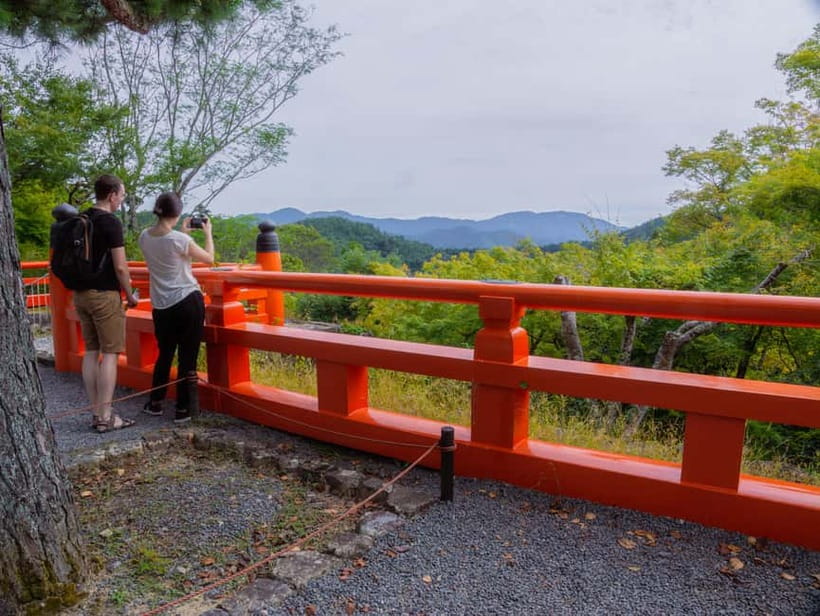
The route continues down toward the small village of Kurama. Descending can be easier on your lungs than the climb, but stone steps may still be hard on knees and ankles. Take care, especially if the trail is wet.
Kurama village is where the formal part of the four-hour tour ends. This is a useful arrangement because you are not forced into a final activity that may not suit you. You can follow the guide’s suggestions and choose how to spend the rest of your time.
Your options include:
- Having a late lunch in the village
- Strolling around Kurama
- Returning toward Kyoto by train
- Paying for a hot spring bath
Lunch is not included, and the meal choice is left to you. That gives you freedom, but it also means you should not expect the $80 price to cover food.
Transportation to the starting point is included, but transportation back to the meeting point is not. Since the tour concludes in Kurama, this is worth noting when planning the rest of your day. The guide provides advice on the available choices, but your return arrangements and costs are your responsibility.
Same place, a different way to unwind:
- From Osaka: Himeji Castle, Arima Onsen & Mt. Rokko Day Tour
★ 4.6 · 339 reviews - Kyoto: Traditional Concert at Townhouse or Bathhouse
★ 4.9 · 224 reviews - From Tokyo: Private Tour to Fuji/Hakone – Onsen, Art, Nature
★ 5.0 · 116 reviews - Mt. Fuji, Hakone Private Tour from Tokyo – Onsen, Arts and Nature
★ 5.0 · 79 reviews
Why the hot spring finish is worth considering
The optional hot spring bath is the natural reward after the climb. You pay the entry fee separately, though a discounted ticket may be available through the tour. The bath is known for outdoor views of the surrounding mountains, giving you a calm way to end an active morning.
I would strongly consider adding it if you enjoy Japanese bathing culture and have enough time afterward. Warm water can make the entire outing feel more complete, especially after a hot day on the steps.
You need to plan for the bath as an optional extra, not as part of the $80 package. The tour includes the guide, temple admission, and transportation connected with the guided outing, but not lunch or the hot spring fee.
The bathing stop also changes the tone of the day. Without it, you can eat or catch the train soon after the hike. With it, you turn a four-hour walk into a slower mountain visit. That flexibility is one of the strongest practical features of the experience.
What $80 gets you
At $80 per person, the price is reasonable if you want more than directions and a train ticket. Your fee covers the guide, temple admission, and transportation for the guided portion. The main value comes from having someone explain the cultural meaning of the shrines and temple while also managing the route.
The guide makes the largest difference. Philippe has been singled out for his humor, local background, stories about Japanese culture, and ability to adjust the walk to the group. Other guides, including Chris, Kevin, Salome, and Eric, have also led the experience successfully.
This is not the best value for a strong hiker who only wants to walk independently. You still need to pay for lunch and the hot spring, and you handle your own transport after the tour. But if you want historical explanation, local legends, and help finding less obvious details, the price is easier to justify.
The small-group or private format can improve the experience. A guide can stop when you need a rest, answer questions, and adjust the pace. Group size and guide assignment affect how personal the outing feels, so it is worth checking the available option when booking.
The guides can make or break the morning
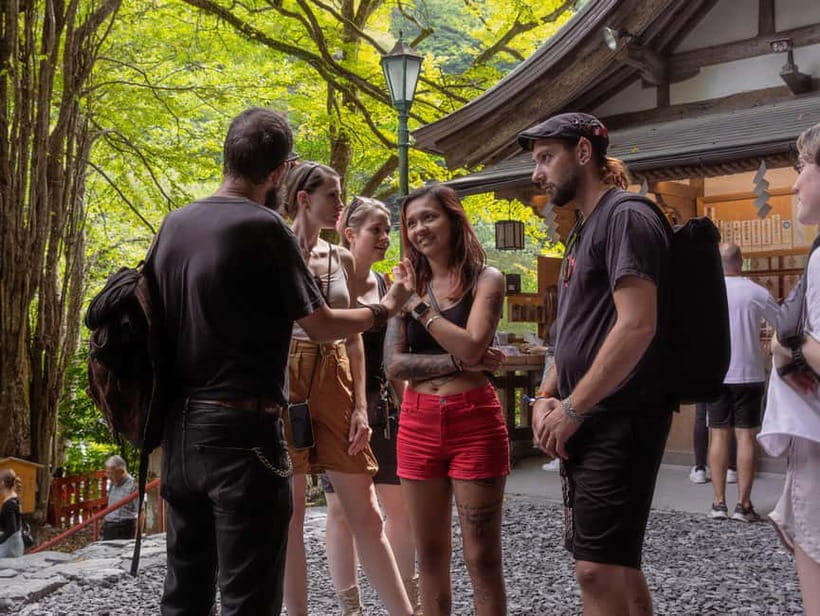
The strongest part of this experience is the guiding. Philippe is repeatedly praised for explaining the temples, deities, legends, Reiki connections, and local customs in a friendly way. He has also been described as attentive and patient on the climb.
That matters because the trail itself is not packed with obvious signs explaining every feature. A good guide turns the forest into a story rather than a sequence of steps. You learn why Kurama has spiritual importance and how the mountain fits into Kyoto’s wider culture.
There is one clear caution. One group found its guide distracted, smoked while walking, and drank beer before the tour ended. That is not the standard you should accept, but it shows how much the experience depends on the individual guide. Most of the feedback is highly favorable, yet guide quality is a fair consideration when comparing private and small-group choices.
The language options are English and French. If you have special interests, such as Reiki, local religion, temple architecture, or folklore, mention them when booking so the guide can shape the conversation where possible.
Best seasons, clothing, and preparation
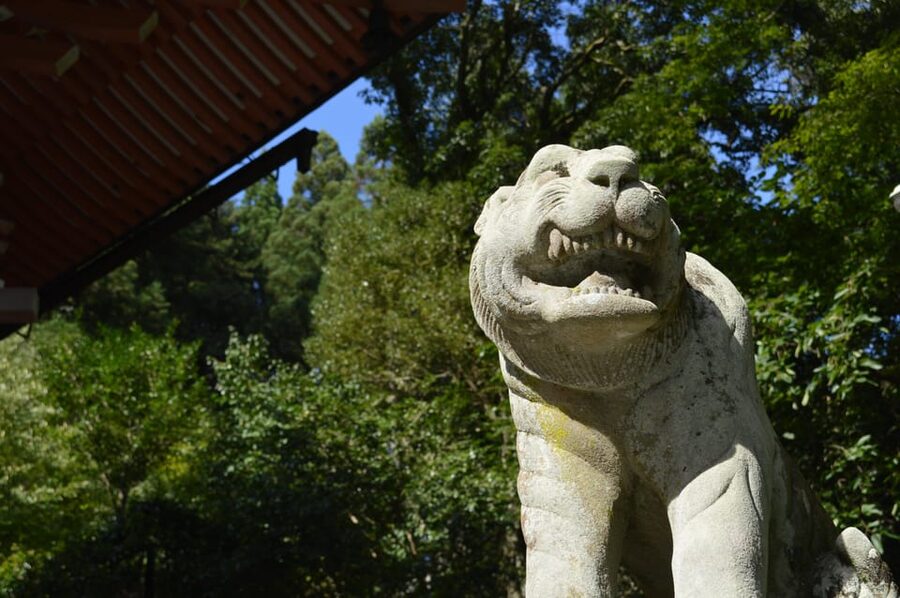
The route changes with the season. A light snowfall on a sunny winter day made one outing especially memorable, while summer heat made the climb feel harder. Spring and autumn can offer comfortable walking conditions, but the tour’s appeal is not limited to one season.
Wear shoes with a secure grip. Sandals and smooth-soled casual shoes are poor choices for steps and forest paths. Bring water, and choose long trousers if insects concern you.
Give yourself enough energy for the climb. The peak may be reached in 30 to 40 minutes, but you will want to stop for the scenery and temple visits. If you arrive tired, hot, or dehydrated, the route will feel much less pleasant.
The tour is best for adults and older teenagers who already walk regularly. It suits people who want a physical activity with cultural meaning, rather than a passive ride between attractions. It does not suit anyone needing step-free access or someone who dislikes uphill walking.
Should you book the Kurama hike?
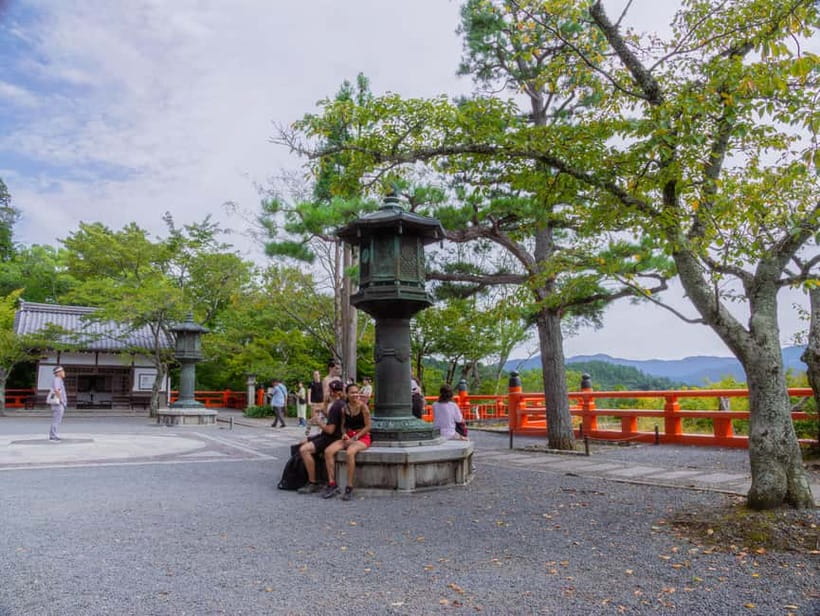
Book this experience if you want a half-day escape from Kyoto with a real walk, mountain shrines, temple stories, and the option of a hot spring afterward. The train ride, forest climb, and village finish create a pleasing change from central Kyoto’s busy temple circuit.
I would book it for the guide-led cultural context, especially if Philippe is available, and add the bath if your schedule allows. I would skip it if you want an easy outing, dislike steps, or need every cost included in advance.
For most reasonably fit walkers, this is a strong use of four hours and $80. Bring water, wear proper shoes, expect a workout, and treat the hot spring and lunch as separate choices. Do that, and Kurama can become one of the most refreshing mountain breaks in the Kyoto area.
FAQ
Where does the Kurama hike tour meet?
The meeting point is Demachiyanagi Station, exit 7, in front of the Eizan Railway in Kyoto.
How long does the tour last?
The guided experience lasts four hours.
What languages are available?
The tour is offered in English and French.
Is lunch included?
No. Lunch is not included. You can eat in Kurama after the hike.
Is the hot spring included?
No. The hot spring fee is separate, though a discounted bath ticket may be available.
How difficult is the hike?
The walk requires a decent level of fitness and some hiking experience. The climb to the top takes about 30 to 40 minutes and includes steps.
Who should not book this activity?
It is not suitable for children under 11, wheelchair users, people with mobility impairments, or people without hiking experience.
More Hikes and Treks in Japan
- Full Day Hiking Tour at Mt.Takao including Hot Spring
★ 5.0 · 52 reviews - Traverse Outer Rim of Hakone Caldera and Enjoy Onsen Hiking Tour
★ 5.0 · 30 reviews - Green Season Half Day Hikes in Sapporo and Hokkaido with Onsen
★ 5.0 · 6 reviews - Mt. Inunaki Trekking and Hot Springs in Izumisano, Osaka
★ 5.0 · 3 reviews
Just added around Japan
- [Japan Wellness] Zen Meditation and Temple Tour in Matsushima★ 5.0 · 9 reviews
- Sapporo Private Sightseeing Tour in Onsen with Special Package★ 5.0 · 8 reviews
- Mountain Bike Tour from Sapporo Including Hoheikyo Onsen and Lunch★ 4.5 · 35 reviews
- Full Day Green Season Hiking in Sapporo and Hokkaido with onsen.★ 5.0 · 2 reviews
- Snowshoeing and Onsen Adventures in a Winter Wonderland -Sapporo.★ 5.0 · 30 reviews
- Green Season Half Day Hikes in Sapporo and Hokkaido with Onsen★ 5.0 · 6 reviews
- Wellness in Saitama: Takedera Blowing Zen Meditation & Hot Spring★ 5.0 · 2 reviews
- Solaniwa Onsen: Osaka Bay Tower★ 5.0 · 4 reviews
More spa days in Japan.
Himeji Castle, Arima Onsen & Mt. Rokko Day Tour
Read our review →
Nara and Uji Day Trip with Deer Park and Hot Spring
Read our review →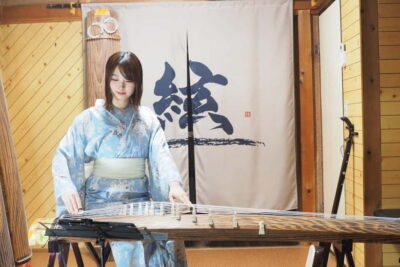
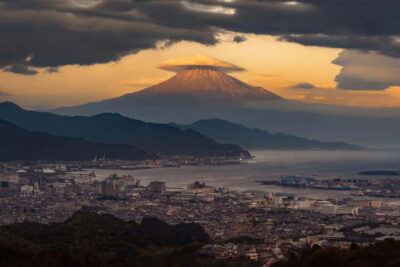
Private Tour to Fuji/Hakone – Onsen, Art, Nature
Read our review →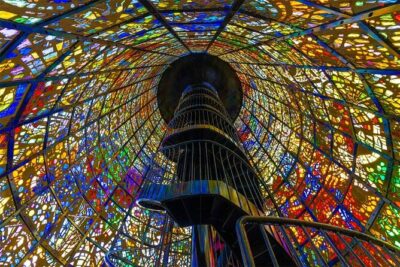
Mt. Fuji, Hakone Private Tour from Tokyo – Onsen, Arts and Nature
Read our review →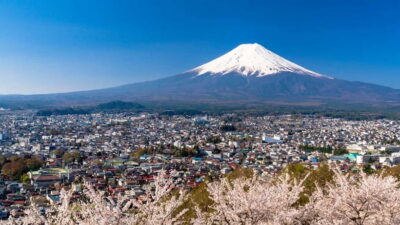
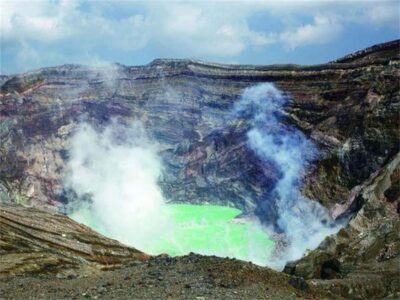
From Fukuoka: Mount Aso, Kurokawa Onsen, and Shrine Tour
Read our review →
Private Nagano 1-Day Tour:Snow Monkeys,Zenko-ji,Obuse,Sake,Onsen
Read our review →Other lists this one is on