
REVIEW · COOKING CLASSES
Local Ghanaian Cooking Class in Accra to help support wellness community center
The best part of this Accra experience is the mix of market shopping and home-style cooking. You ride by car to a local market, help gather ingredients, then return to prepare Ghanaian food and eat it together. The class also supports a wellness center offering fitness, nutrition, youth, health, art, and dance programs.
I like the small-group setting, which can give you more time with your host, and I like the chance to try local akpeteshie-based spirits called Emergency, Hatso, and Uwuba. The main drawback is that the experience may not always last the advertised six hours, and some preparation may already be finished when you arrive.
Key points to know before booking
- Shop for ingredients at a local market: Transportation by car takes you from the meeting point to the market before cooking begins.
- Choose from classic Ghanaian dishes: Depending on the class, you may prepare fufu, banku, jollof rice, rice balls, fried fish, chicken, or several soups and stews.
- Taste three local spirits: Emergency, Hatso, and Uwuba are made with akpeteshie and infused with local bark or tree leaves.
- Support a wellness center: Your booking helps fund programs in exercise, nutrition, health screening, youth education, art, and dance.
- Expect a flexible, personal class: Hosts named in past sessions include Gifty, Auntie Irene, Ms. Pat, and Linda.
- Check the timing before you go: The product lists about six hours, but one detailed account describes a class lasting about two hours.
Starting at Global Wellness Mission in Accra
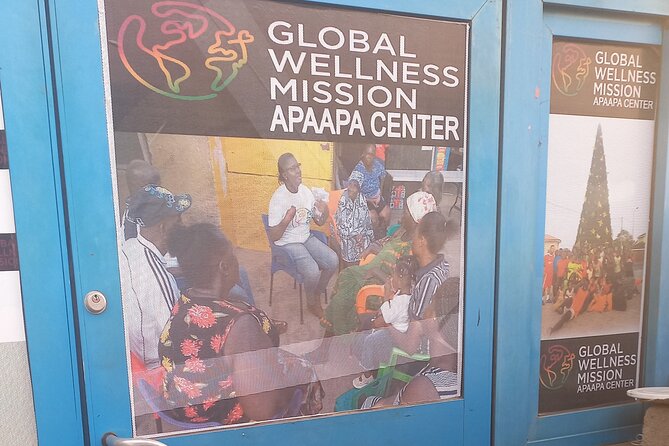
Your day begins at Global Wellness Mission, at CM7, Third Oloti Street, Accra. The listed operating window is Monday through Saturday, from 8:00 a.m. to noon, so this is planned as a morning activity rather than an afternoon cooking session.
That early start makes sense. A market visit is more useful before the day gets too hot, and cooking, eating, and conversation can fill the rest of the morning. You return to the same meeting point at the end, which keeps the logistics simple.
The group can include up to 20 people. That is still a manageable number, but it is larger than the intimate class you might picture from the phrase small group. If you want the most hands-on attention, ask about the expected group size and the day’s format before booking.
The experience is provided by Pat and Maggie, with cooking support from local hosts and family members. Names that appear in the class accounts include Gifty, Auntie Irene, Ms. Pat, and Linda. The exact host may vary, so do not book expecting one particular person unless that has been confirmed.
More Cooking Classes in the world:
- Beach day experience + Mexican Cooking Class + Massage
★ 4.5 · 21 reviews - Mini Group: Authentic Thai Cooking & Wellness Experience
★ 4.9 · 7 reviews - Authentic Thai Cooking Class by Suuko Wellness Spa
★ 3.5 · 5 reviews
Riding to the market and choosing the meal
After meeting at the center, you travel by car to a local market to buy the ingredients for the meal. This step gives the cooking class a practical beginning. Instead of arriving at a kitchen with every item measured and waiting, you see where the food starts and take part in the shopping process.
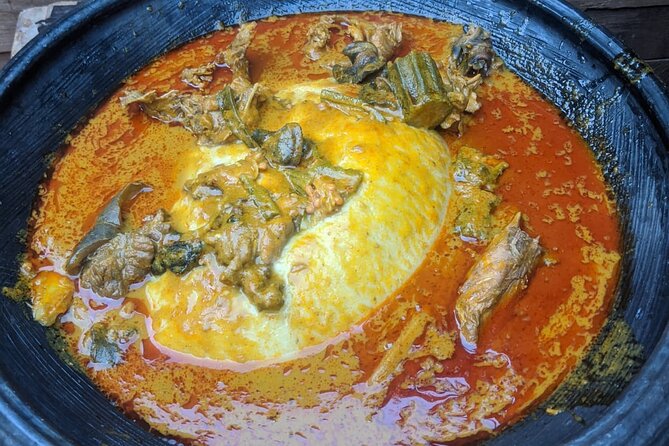
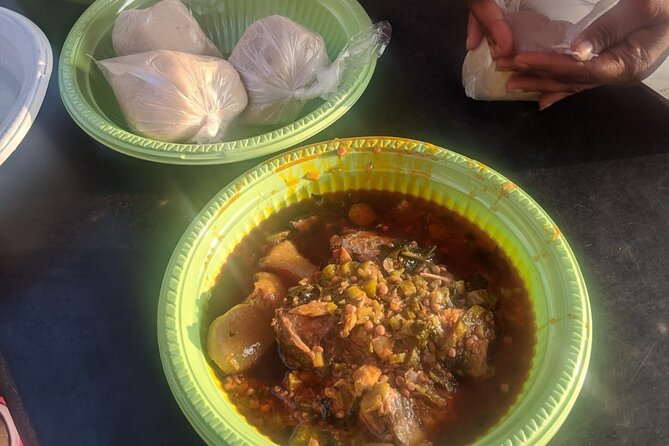
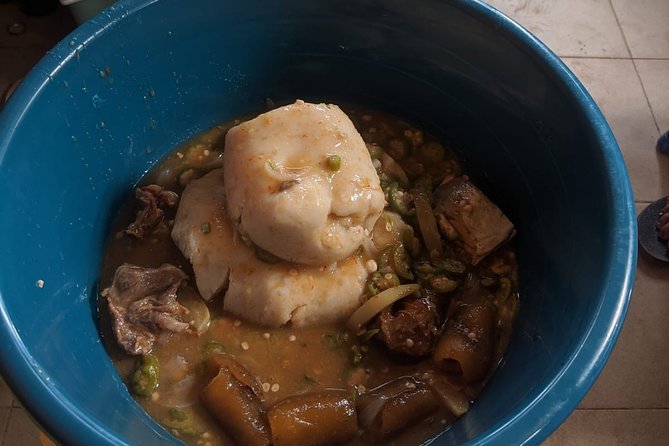
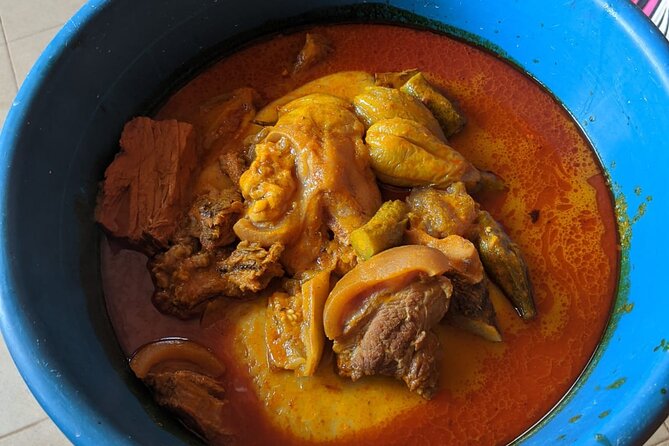
The available menu is broad. You may work on fufu, banku, jiji, or rice balls, then pair them with a stew or soup such as okra soup, groundnut soup, palm-nut soup, light soup, or plain soup. Other accounts describe banku with fried fish and stew, chicken, and jollof rice.
That range is useful if you already know what you want to taste. Jollof rice is a good pick if you want a familiar West African staple with a strong local identity. Banku or fufu makes more sense if your goal is to learn how a traditional starch is prepared and eaten with soup.
Ask about your choice early. The information says dietary requests can be accommodated on request, but it does not promise that every dish will be available on every date. If you have allergies, religious food rules, or a strict vegetarian diet, share those details before the class rather than waiting until the market visit.
Pounding fufu, stirring banku, and cooking from scratch
The class is meant to teach you how Ghanaian food is made, not simply place a finished plate in front of you. You may pound fufu, stir banku, form rice balls, and help prepare the soup, stew, fish, chicken, or rice selected for the session.
This is where expectations matter. One account describes a very hands-on time with banku, fried fish, stew, chicken, and jollof rice. Another says some ingredients had already been prepared and that the participant was less involved than expected, especially while making okra stew and banku.
I would treat the class as a flexible home-style lesson, not a formal culinary school with a fixed teaching plan. You may get plenty of direct work, especially in a small group, but the amount of chopping, stirring, and pounding can depend on the menu, timing, and host.
If active participation is important to you, say so clearly at the start. Ask which tasks you can do yourself, rather than assuming every stage will wait for you. That small conversation can make the class better and prevent disappointment.
The setting is part of the appeal. Accounts describe warm hosts and family members, easy conversation, laughter, and a welcoming meal. You are not only learning recipes. You are spending time in a local social setting where cooking is tied to hospitality.
Local spirits before the meal
While the food is being prepared, you taste local spirits. The listed choices are Emergency, Hatso, and Uwuba, all made from akpeteshie and soaked with local bark or tree leaves.
Akpeteshie is a strong Ghanaian spirit, so approach this part carefully if you are not used to high-proof alcohol. The experience includes alcoholic beverages, but soda and beer are not included. If you do not drink, tell your host and focus on the food and conversation instead.
The spirits are an unusual detail that sets this class apart from a standard cooking lesson. They give you a small look at local drinking traditions, but they are not the reason to book the experience if alcohol is not your thing.
Lunch is included. After the cooking, you eat what the group has prepared, which gives the lesson a clear payoff. You can compare the finished dish with the work that went into making it, then spend time talking with the host and the other people at the table.
More Hands-On Workshops in the world:
- Ubud: Wellness Retreat with Massage, Yoga Class, and Lunch
★ 4.8 · 93 reviews - Marrakech Hammam, Massage & Berber Carpet Weaving Workshop
★ 4.6 · 48 reviews - Hands-on Authentic Thai Massage Workshop
★ 5.0 · 45 reviews - TULA Wellness Half Day Experience with Yoga Class
★ 5.0 · 19 reviews
What the food may be like
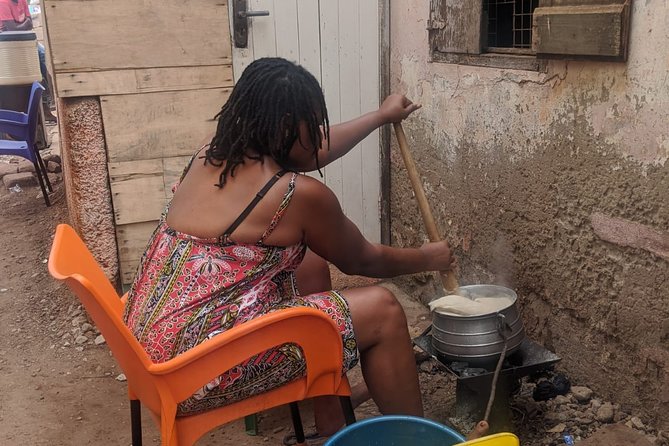
The most praised part of the experience is the meal itself. Jollof rice receives especially strong approval in one account, while other sessions feature fufu with soup, banku with okra stew, and fried fish.
Fufu and banku are filling starches designed to be eaten with soup or stew. If you have never tried them, the class gives you useful context: you see the work involved in reaching the right texture, rather than encountering them as unfamiliar items on a restaurant plate.
Jollof rice offers a different experience. It is easier to recognize if you already eat rice dishes, yet the seasoning and preparation still make it a worthwhile choice. Ask which dish the host feels most confident teaching that day, especially if you are choosing between several options.
Portions are not specified, but the food is intended to serve as lunch. People have described leaving with full stomachs, so you should not plan a large meal immediately afterward.
The community purpose behind the class
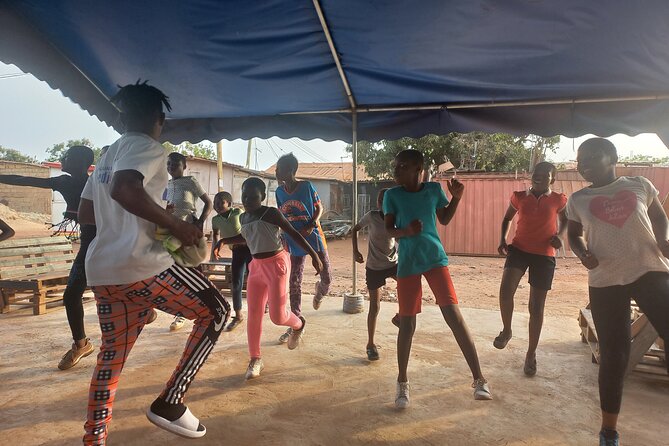
Your payment does more than cover ingredients and instruction. It helps support the Wellness Community Center, which provides physical activity programs, nutrition education, after-school lectures for children, health screenings, art, and dance programs.
That gives the activity a practical community connection. You are not simply visiting a kitchen for a staged demonstration. Your booking helps sustain programs aimed at health, children, and creative activities.
You should still judge the class on its own merits. The community purpose adds value, but it does not guarantee a particular teaching style or length. The strongest reasons to book are the combination of local cooking, a market visit, personal contact, and community support.
Timing, group size, and the six-hour question
The advertised duration is about six hours, but the available experience details are not fully consistent with that figure. One account describes a class of about two hours and says that timing worked well for the people attending.
This may mean the market transfer and wider schedule can vary, or that some sessions are much shorter than the stated maximum. I would contact the provider before booking if you need to fit the class around a flight, a work call, or another Accra activity.
The listed start period runs from 8:00 a.m. to noon, Monday through Saturday. Since the activity ends back at the meeting point, you have a clear beginning and ending location, but the exact return time should be confirmed.
The maximum group size is 20. A smaller group should make it easier to ask questions and take a turn with tasks. A full group could mean more waiting while ingredients are prepared, especially if the host uses a demonstration format.
Price, value, and what is included

At $45 per person, the price is reasonable if you want more than a restaurant meal. You receive transportation to the market, the market visit, instruction, lunch, and local spirits, while your booking also supports community programs.
The value is strongest for people who care about contact with local hosts and the chance to prepare food themselves. If you only want to sample Ghanaian dishes, a restaurant may cost less and take less time. If you want the story behind the food and the social setting around it, this class offers more.
Beer, soda, and other soft drinks are not included. Alcoholic beverages are listed, but you should not assume every drink outside the named local spirits will be provided.
Mobile tickets make arrival simple. Confirmation is received at booking, and the activity is near public transportation. Service animals are allowed. Free cancellation is available up to 24 hours before the start time, but cancellations or changes inside that window are not refunded or accepted.
Who will enjoy this Accra cooking class
I would recommend this for you if you like food lessons that feel social rather than formal. It suits curious eaters, couples, small families, and people who want a community connection built into a morning activity.
It is also a good choice if you want to try food that may be less familiar, such as fufu, banku, okra soup, or palm-nut soup. You get more from the class if you are willing to ask questions, handle ingredients, and try the finished meal.
This may not suit you if you need a tightly timed, professional cooking course. The reports of pre-prepared ingredients and a shorter session suggest that the format can change. It may also be a poor fit if you do not drink alcohol and want a class built around beverage tasting, though the food remains the main activity.
Should you book it?
Book this experience if you want a welcoming local cooking session with a community purpose, and if you can accept some flexibility in the menu and timing. The warm hosts, good food, market stop, and chance to prepare Ghanaian staples are the strongest reasons to go.
Before paying, confirm three things: the expected duration, how hands-on the class will be, and which host will lead your session. If those details match what you want, $45 is a fair price for a morning that combines food, conversation, local drinks, and support for useful programs in Accra.
FAQ
Where does the cooking class begin?
It begins at Global Wellness Mission, CM7, Third Oloti Street, Accra, Ghana. The activity ends back at the same meeting point.
How long does the experience last?
The listed duration is approximately six hours, but one detailed account describes a session lasting about two hours. Confirm the expected schedule with the provider if timing matters to you.
What Ghanaian dishes might I prepare?
Possible dishes include fufu, banku, jiji, rice balls, jollof rice, fried fish, chicken, okra soup, groundnut soup, palm-nut soup, light soup, and plain soup. The available choices may vary by session.
Is transportation included?
Yes. After meeting at the starting point, you travel by car to a local market to buy ingredients, then return to the meeting point for the cooking and meal.
Are dietary requests accepted?
Dietary requests can be accommodated upon request. Share your needs before the experience so the host can plan the ingredients and menu.
What is the cancellation policy?
You can cancel for a full refund up to 24 hours before the experience start time. Cancellations or changes made less than 24 hours before the start are not accepted for a refund.
Just added around the world
- Round-Trip Airport Transfer to Secrets St. Lucia Resort & Spa★ 5.0 · 11 reviews
- Rila Monastery and Hot Mineral Bath Spa Complex Tour★ 4.5 · 27 reviews
- Seven Rila lakes-Snowshoeing with Waterfall and Hot Mineral pools★ 5.0 · 21 reviews
- AQUAFIELD Spa and Indoor Waterpark Discount Ticket (내국인불가)★ 3.5 · 2 reviews
- From Singapore: Private Malaysia express night tour + Massage★ 5.0 · 2 reviews
- Private Day Trip to Sapareva Banya for SPA★ 5.0 · 6 reviews
- Boyana Church and Thermal SPA near Pancharevo Lake★ 5.0 · 2 reviews
- The Best of Sofia: Magical Snowshoeing Adventure in Vitosha & SPA★ 5.0 · 10 reviews
More spa days in Cooking Classes.
Beach day experience + Mexican Cooking Class + Massage
Read our review →
Mini Group: Authentic Thai Cooking & Wellness Experience
Read our review →
Hoian Cooking Class And Foot Massage Private Tour
Read our review →
Authentic Thai Cooking Class by Suuko Wellness Spa
Read our review →
Half Day Ride Bike To The Farm and Cooking Activity with Foot Massage
Read our review →
Other lists this one is on