
REVIEW · JAPAN
Osaka: Wakayama Cat Train, Seafood market, Hot Springs Tour
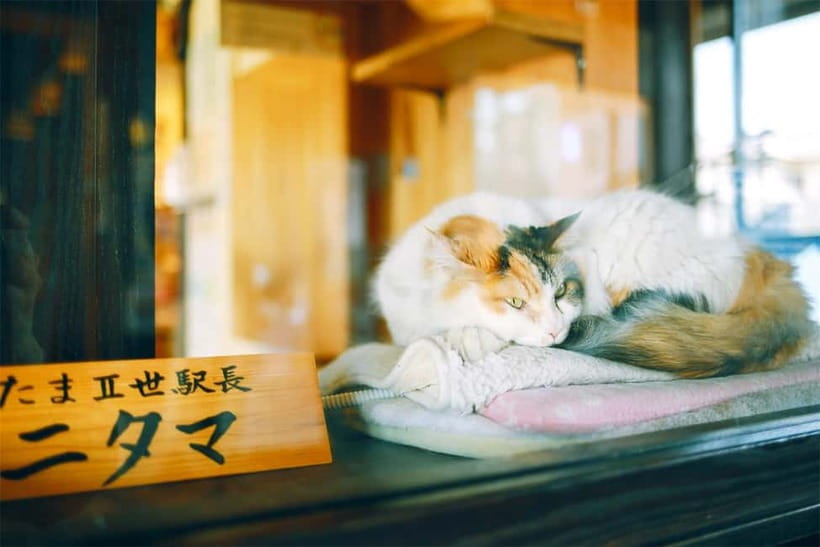
The most unusual part of this day is a tiny country station where a calico cat once helped save a railway line. At Kishi Station, you can meet Nitama, the successor to Stationmaster Tama, then ride one of three cat-themed trains through Wakayama. It is a sweet, distinctly Japanese story, not just a photo stop.
I like the combination of a live tuna cutting show and a generous seafood-market visit. I also like that the day reaches the Pacific coast, with broad views from Senjojiki and a trip down to the caves at Sandanbeki. The tradeoff is time: this is a long 10-hour outing, and a good part of the day is spent on the road.
Key points to know before booking
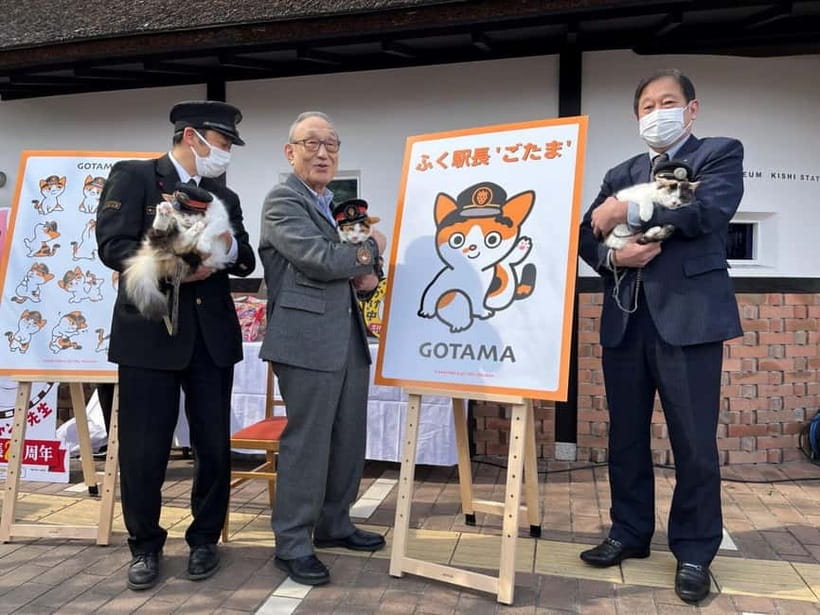
- Kishi Station honors a working cat: See Nitama and learn how Tama became a local railway mascot and stationmaster.
- The cat train is short but memorable: The train ride itself takes about 15 minutes, and the design depends on the daily schedule.
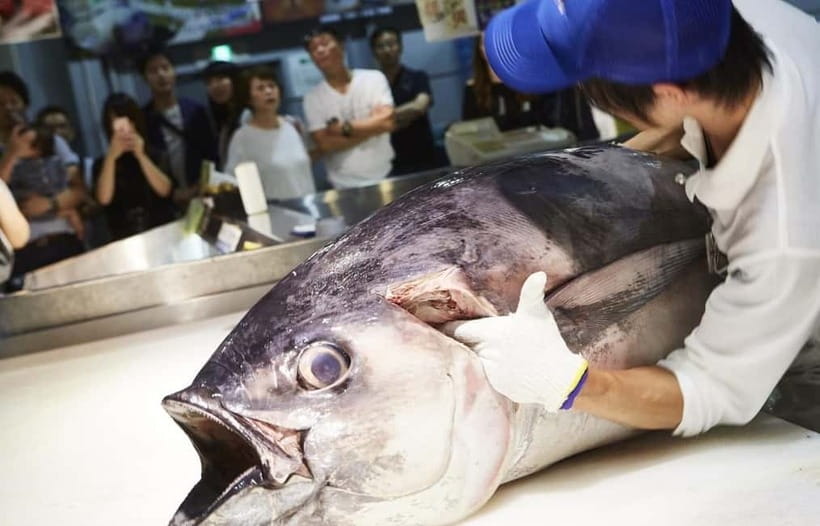
- ToreTore Market is the day’s best meal stop: You can watch a tuna being cut and buy seafood for lunch, including food to cook at on-site barbecue tables.
- Shirahama adds real coastal drama: Senjojiki’s giant rock shelves and Sandanbeki’s sea caves give the second half of the tour a different feel.
- The hot spring is optional: Entry costs extra, and tattoo restrictions may apply.
- Traffic can change the plan: Weekend congestion may shorten stops or change the order of sightseeing.
Why this Wakayama day trip feels different
Osaka offers neon streets, famous food, and easy city sightseeing. Wakayama gives you something else: small railway stations, citrus-growing country roads, a huge seafood market, and a rugged Pacific shore. This tour links those pieces without asking you to work out several train connections yourself.
At $83 per person, the price is reasonable if you want transport, a guide, the cat train, and several far-flung stops in one day. You would pay separately for lunch, the hot spring, and Sandanbeki Cave, so the final cost depends on which extras you choose. The main value is convenience. Wakayama and Shirahama are spread out, and the coach handles the long transfers.
You meet at 8:30 a.m. near Nipponbashi Station Exit 2, in the Namba and Shinsaibashi area. Arrive at least 15 minutes early. This is a busy meeting area with several tour groups, and late arrivals are not refunded. The vehicle may be a bus, minibus, or another coach depending on group size, but transportation is air-conditioned and includes fuel, tolls, parking, and a professional driver.
More Hot Springs in Japan
- Osaka: Nara and Uji Day Trip with Deer Park and Hot Spring
★ 4.4 · 302 reviews - Tokyo: Mt Takao Tour with Ramen and Tattoo-Okay Hot Spring
★ 5.0 · 69 reviews - [Seasonal Limited] Mt. Fuji 5th Station &Hot Spring Day Tour
★ 4.5 · 53 reviews
Kishi Station and the legacy of Tama
The first major stop is Kishi Station, a small railway stop in the Wakayama countryside. Its station building is shaped like a cat’s face, which tells you right away that this is not a standard railway visit.
The story behind it gives the stop its heart. The local line faced closure, then Tama, a calico cat living near the station, became famous for greeting passengers. Her presence drew attention and helped support the railway. Tama was given the title of stationmaster, complete with a uniform and official duties. After her death, Nitama, meaning Second Tama, continued the role.
You will have time to see the cat stationmaster, browse the Tama Shop, collect cat-themed stamps, and look at souvenirs. The stop works best if you enjoy small local stories. It is not a large museum, and you should not expect a long formal presentation. The pleasure comes from the oddness of the place, the affection people have for the railway, and the chance to see how a simple mascot became part of local identity.
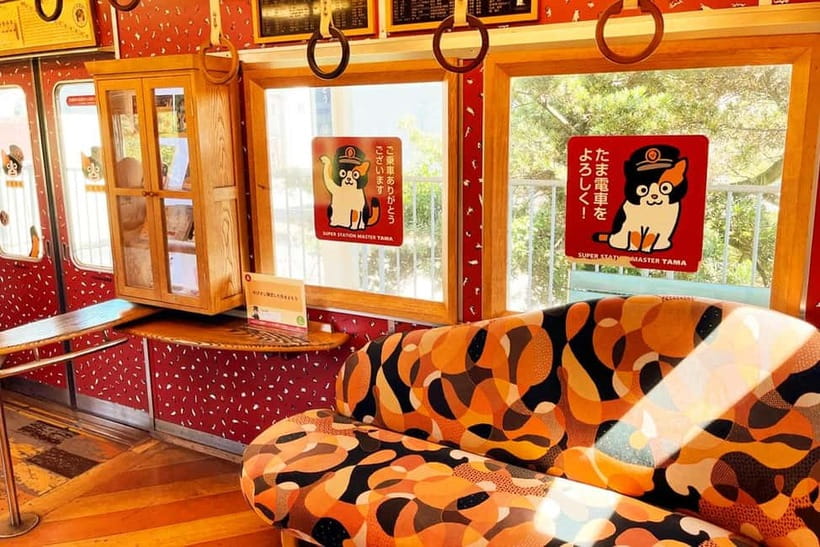
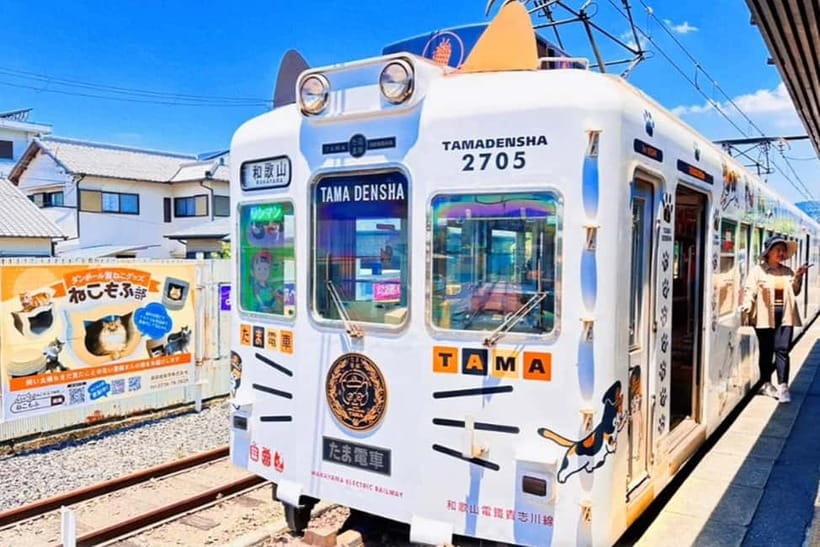
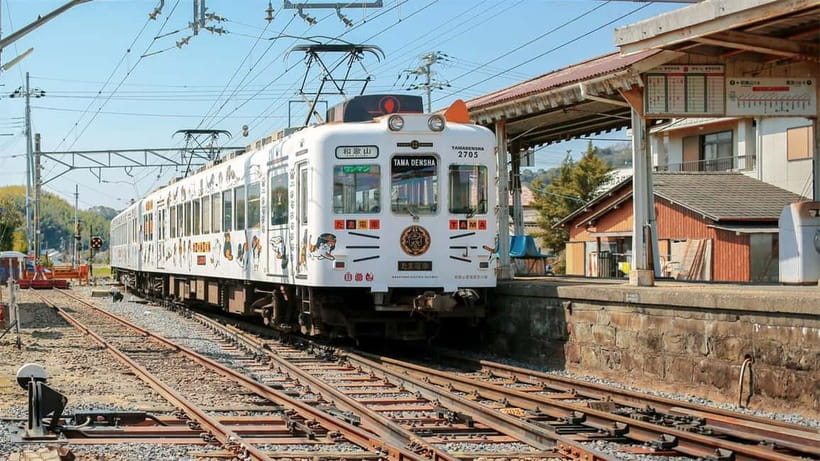
The cat train is one of three designs: the Tama Train, Strawberry Train, or Toy Train. The operating design changes by day, so you cannot choose a particular one in advance. The interior theme depends on the train in service, but all three are meant to turn an ordinary local railway trip into a playful short ride.
Pay attention to the timing here. The full Kishi Station and railway portion is listed at about 70 minutes, while the cat-themed train ride itself is around 15 minutes. That distinction matters if you are booking this mainly for a long rail journey. You are getting a short themed ride plus station time, not several hours on a cat train.
ToreTore Market and the tuna show
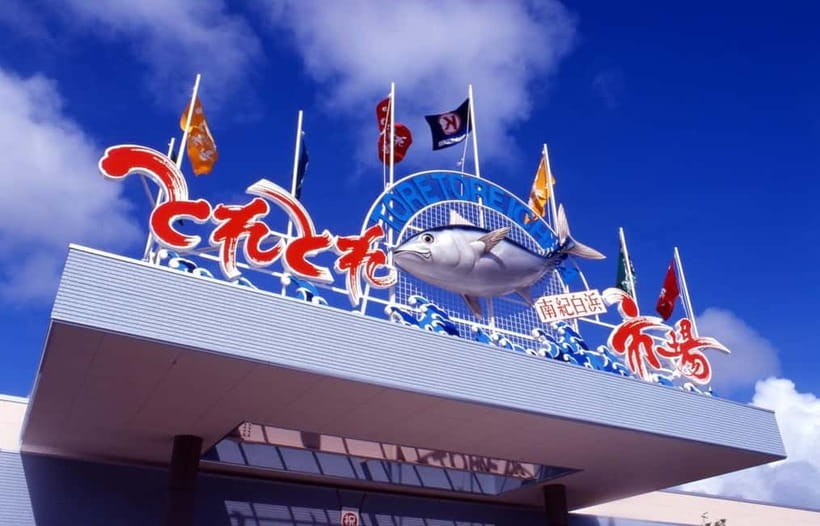
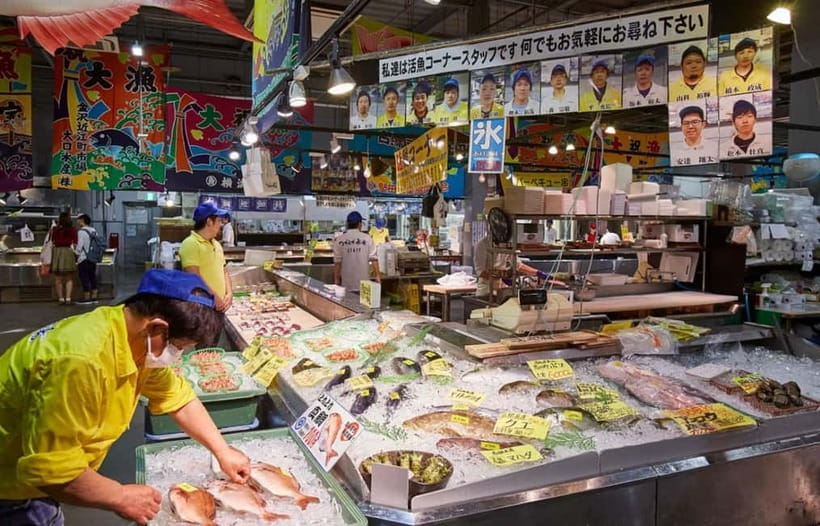
From the railway stop, the tour continues to ToreTore Ichiba, described as the largest seafood market in western Japan. This is where the day becomes especially useful for anyone who likes to eat locally rather than simply photograph the food.
The market carries fresh seafood, prepared dishes, seasoned products, and regional gifts. At lunch, you pay for your own meal. Choices include tuna sashimi bowls, grilled fish, octopus rice, and other seafood dishes. Some people have also used the market’s barbecue tables to cook what they bought, so look for that option if you want a hands-on meal.
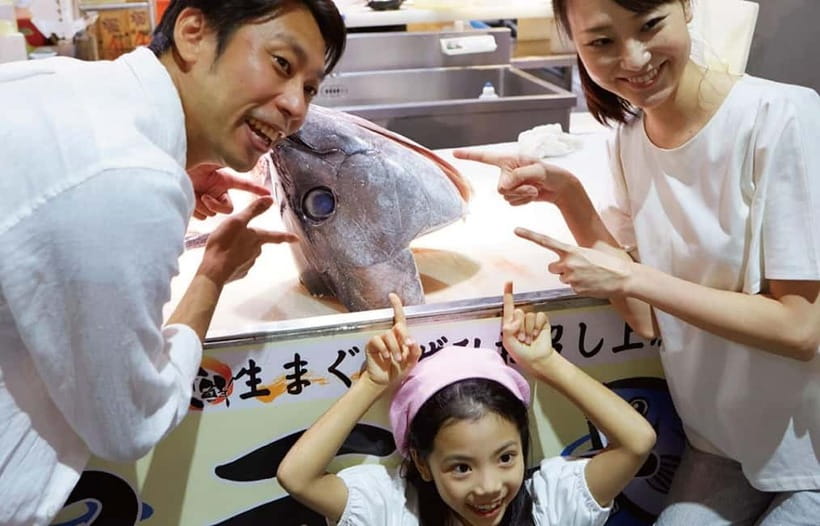
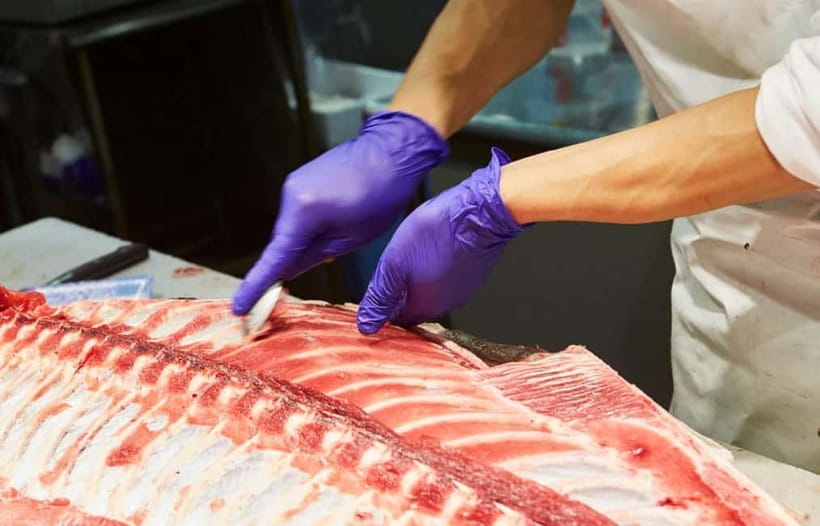
The tuna cutting show is the market’s signature event. A large tuna is broken down with quick, careful cuts while the presenter explains the fish’s structure. It is part food demonstration and part lesson in how a prized fish reaches the plate. Even if you do not understand every word of the explanation, the scale of the tuna and the speed of the work make this a memorable stop.
The show runs two or three times a day, but the timing is not fixed. Your guide will work with the day’s schedule, but you should not assume you will arrive at a set hour. Weather or other unexpected conditions can cancel it. Treat it as a welcome extra, not the one feature on which the whole trip depends.
You get about two hours at the market, which is a good amount of time for the show, lunch, shopping, and a look around. The drawback is that seafood prices and portions are not included in the tour price. Bring cash, especially if you want to buy small foods or souvenirs, and remember that food cannot be eaten on the vehicle.
Optional hot spring time in Shirahama
The tour then reaches Shirahama, one of Japan’s oldest hot spring resort areas. The springs are said to have more than 1,300 years of history and appear in early Japanese texts. The area was also associated with imperial visits, which gives this stop more context than a quick dip at a modern spa.
Toretore Onsen offers sodium bicarbonate spring water and a salt-stone bedrock bath. The water is described as gentle on the skin, while the bedrock bath is presented as the first of its kind in Japan. If you enjoy Japanese bathing culture, this can be the most relaxing part of the day.
Entry is optional and costs extra. You should also check the tattoo policy before deciding to use the bath, since entry may be restricted. Bring comfortable clothes and be prepared for the fact that the onsen stop may feel brief within a packed day. This is not a dedicated spa retreat. It is a chance to add a traditional bath to a sightseeing circuit.
If you skip the bath, the stop still fits into the Shirahama portion of the trip, but the exact arrangement can depend on traffic and the guide’s timing. On busy weekends and holidays, the guide may adjust the order of stops or reduce time at certain places.
Same place, a different way to unwind:
- From Osaka: Himeji Castle, Arima Onsen & Mt. Rokko Day Tour
★ 4.6 · 339 reviews - Kyoto: Traditional Concert at Townhouse or Bathhouse
★ 4.9 · 224 reviews - From Tokyo: Private Tour to Fuji/Hakone – Onsen, Art, Nature
★ 5.0 · 116 reviews - Mt. Fuji, Hakone Private Tour from Tokyo – Onsen, Arts and Nature
★ 5.0 · 79 reviews
Senjojiki’s rock shelves above the Pacific
Senjojiki means a thousand tatami mats, a name inspired by the broad layers of rock spread along the coast. Here, you stand on huge slabs shaped by the ocean and weather. The view is open, windy, and very different from the narrow streets of Osaka or the quiet railway setting at Kishi.
You get about 30 minutes for photographs and sightseeing. Wear shoes with a good grip, since the rock surface can be uneven. Stay alert near the edges, particularly if the sea is rough. The attraction is not a long walk or a museum visit. It is a compact coastal stop where the scale of the rock and the sound of the Pacific do the work.
Timing can shape your impression. If the coach arrives near sunset, the low light can make the rocks and sea especially striking. Sunset is not guaranteed, since traffic and the day’s schedule control the arrival time, but the setting gives the guide a chance to finish the outdoor portion in a memorable way.
Sandanbeki Cave and the pirate stories
Sandanbeki is another short stop, but it has more to explore below ground. An elevator descends about 36 meters to sea-level caves beneath the cliffs. The caves were once used by pirates during the Heian period, and displays recreate parts of that story.
The natural formations are also part of the appeal. Waves and erosion shaped the rock chambers, giving the cave a darker, more enclosed mood after the wide views at Senjojiki. The contrast is useful: one stop puts you above the sea, the next takes you down into it.
Cave admission is not included. You can decide whether the extra fee is worthwhile when you arrive, although the tour’s stated sightseeing time is about 30 minutes. That makes this a quick visit rather than a long exploration. If you want both the elevator ride and a relaxed look at the displays, listen carefully to the guide’s return instructions.
Together, Senjojiki and Sandanbeki make the coastal section stronger than either stop alone. You see the exposed rock shelves, then get a closer look at the caves hidden below them.
The long ride back to Osaka
After the coast, expect about two and a half hours by coach back to Nipponbashi, with an estimated arrival around 6:40 p.m. Traffic can make that later, especially on weekends, public holidays, and during busy travel periods.
This return ride is the main practical drawback. You will have had a full day of sightseeing, and the coach may feel tiring by evening. On the positive side, you do not need to navigate the return journey yourself after visiting several places that are not close together.
The coach also lets you see more of Wakayama between stops. The route passes small towns, port areas, and citrus plantations, giving you a view of ordinary regional life that you would miss by staying only in central Osaka. That scenery is not a formal attraction, but it helps explain why this trip feels like a move from city Japan into the countryside.
Guides, language, and how the day is run
The tour offers English, Japanese, and Chinese guiding. Guide Tiger is specifically praised for clear explanations, careful head counts, useful WhatsApp updates, and help at the seafood market. If Tiger is assigned to your departure, you can expect active communication about where to go next and how long each stop will take. The guide and vehicle details are sent by email the evening before.
The guide matters on a day like this because the stops are spread out and some activities have variable timing. At ToreTore Market, a helpful guide can point out food choices and explain the tuna demonstration. At Kishi Station, the Tama story gives meaning to what could otherwise be a quick photo stop.
The group may include English, Japanese, and Chinese speakers. Explanations may therefore be shared across languages, and the pace may feel more structured than a private tour. That is the tradeoff for the lower price and included transport.
Who should book this tour?
I would choose this trip if you want to see beyond Osaka but do not want to plan a complicated day in Wakayama. It suits first-time visitors, families who enjoy unusual attractions, seafood lovers, and anyone who likes a mix of local culture and sea views.
It is also a good match if you enjoy variety more than depth. You will see a cat railway, a seafood market, a hot spring area, rock cliffs, and caves in one day. You will not spend a long, quiet morning at any one place.
Think twice if you dislike long coach rides, need a slow schedule, or are mainly interested in an extended hot spring visit. The cat train is short, the onsen is optional, and traffic can affect the timing. The tour is also not suitable for wheelchair users, and uneven coastal rock surfaces may be difficult for anyone with limited mobility.
Bring comfortable shoes, a camera, and cash. Keep lunch money separate from the tour price, and check your email the night before for the final meeting information.
Should you book it?
Book this day trip if the idea of Tama’s cat railway story, fresh seafood, and Pacific coast scenery sounds more appealing than another day in Osaka. The strongest parts are the unusual Kishi Station visit, the market’s food choices, the coastal cliffs, and the careful organization associated with guide Tiger.
Skip it if you want a long cat-train ride, a guaranteed tuna show, or several hours at a hot spring. For most people, though, $83 is a fair price for the transport and range of experiences, as long as you accept the long day and pay extra for lunch, bathing, and the cave.
FAQ
Where does the tour leave from?
The meeting point is Nipponbashi Station Exit 2, near the Namba and Shinsaibashi area, at 1-chōme-3-6 Nipponbashi, Chuo Ward, Osaka.
What time should I arrive?
The pickup time is 8:30 a.m. You should arrive at least 15 minutes before departure because several tour groups may gather in the area.
What languages are available?
Live guiding is available in English, Japanese, and Chinese.
Which cat train will I ride?
The train in service changes daily. It may be the Tama Train, Strawberry Train, or Toy Train, so a specific design cannot be guaranteed.
How long is the cat train ride?
The cat-themed train ride itself takes around 15 minutes. The broader Kishi Station and panoramic rail portion is listed at about 70 minutes.
Is lunch included?
No. Lunch and personal expenses are not included. At ToreTore Market, you can buy seafood meals such as tuna sashimi bowls, grilled seafood, and octopus rice.
Is the hot spring included?
No. Hot spring entry is optional and costs extra. Tattoo restrictions may apply.
Is Sandanbeki Cave admission included?
No. Admission to Sandanbeki Cave is optional and costs extra. The cave is reached by an elevator that descends about 36 meters.
More Market Visits in Japan
More Train Rides in Japan
- Kusadasi Day Trips Magnesia, Train Museum Turkish Bath
★ 5.0 · 10 reviews
Just added around Japan
- [Japan Wellness] Zen Meditation and Temple Tour in Matsushima★ 5.0 · 9 reviews
- Sapporo Private Sightseeing Tour in Onsen with Special Package★ 5.0 · 8 reviews
- Mountain Bike Tour from Sapporo Including Hoheikyo Onsen and Lunch★ 4.5 · 35 reviews
- Full Day Green Season Hiking in Sapporo and Hokkaido with onsen.★ 5.0 · 2 reviews
- Snowshoeing and Onsen Adventures in a Winter Wonderland -Sapporo.★ 5.0 · 30 reviews
- Green Season Half Day Hikes in Sapporo and Hokkaido with Onsen★ 5.0 · 6 reviews
- Wellness in Saitama: Takedera Blowing Zen Meditation & Hot Spring★ 5.0 · 2 reviews
- Solaniwa Onsen: Osaka Bay Tower★ 5.0 · 4 reviews
More spa days in Japan.
Himeji Castle, Arima Onsen & Mt. Rokko Day Tour
Read our review →
Nara and Uji Day Trip with Deer Park and Hot Spring
Read our review →
Private Tour to Fuji/Hakone – Onsen, Art, Nature
Read our review →
Mt. Fuji, Hakone Private Tour from Tokyo – Onsen, Arts and Nature
Read our review →
From Fukuoka: Mount Aso, Kurokawa Onsen, and Shrine Tour
Read our review →
Private Nagano 1-Day Tour:Snow Monkeys,Zenko-ji,Obuse,Sake,Onsen
Read our review →Other lists this one is on