
REVIEW · ITALY
Saturnia’s thermal waters a hike through history
Saturnia is best known for its warm, milky-blue pools, but this experience gives you a reason to look beyond the bathing. You walk toward Poggio Murella, visit an ancient Roman water cistern, and take in a wide view that reaches from the mountains toward the sea before ending at the thermal pools.
I like the way the walk connects archaeology with a real local pleasure: a soak in 37°C water at Cascate del Mulino. I also like the small group limit of 15 people and the chance to hear Lorenzo explain the area’s history, archaeology, and local traditions. The main caution is that this is a hike, not simply a ride to the baths, so you need moderate physical fitness and suitable walking shoes.
Key points to know before booking
- Roman cistern at Poggio Murella: Visit the ancient Castellum Aquarum, a striking reminder that Saturnia’s springs have drawn people for more than two thousand years.
- Two-part outing: Expect about two hours of walking and history, followed by roughly one hour at the thermal pools.
- 37°C thermal water: Cascate del Mulino offers a warm soak that can feel especially welcome after the hike.
- Guide Lorenzo: His explanations cover history, archaeology, and local traditions rather than treating the walk as a simple transfer between sights.
- Small group size: The experience is limited to 15 people, which suits anyone who prefers a more personal walk.
- Bring your own bathing kit: Swimwear and towels are mandatory if you plan to enter the water.
Why this Saturnia walk is more than a trip to the baths
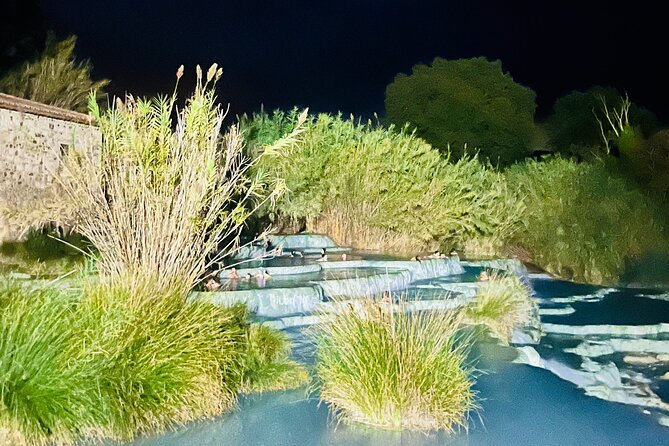
Many people come to Saturnia for one picture: the Cascate del Mulino, where small stone pools catch the warm spring water as it flows downhill. That image is worth seeing, but it only tells part of the story.
This outing begins with a walk through the area’s past. You head toward Poggio Murella, a small village above Saturnia’s baths, and visit an ancient Roman water cistern. The route then brings you to the thermal water itself, so the day has a clear rhythm: walk, look, learn, and soak.
I find that order makes sense. The history gives the springs more meaning, while the bath at the end gives you a comfortable reward for the physical effort. You are not just arriving at a famous pool, taking a photo, and leaving. You are following the old relationship between this place, its water, and the people who used it.
The experience lasts about two to three hours. That is long enough to feel like a proper outing, but short enough to fit into a day of exploring Tuscany. Admission to the two stops is free, so the $102.33 price mainly pays for the licensed guide and the guided interpretation of the area. The value depends on what you want. If you only want to bathe, you can find the thermal pools without booking a guided walk. If you want to understand what you are seeing, the price is easier to justify.
More Hikes and Treks in Italy:
- Bali: Mount Batur Sunrise Guided Hike and Natural Hot Spring
★ 4.8 · 9,284 reviews - Mount Batur Sunrise Hike and Natural Hot Spring Option
★ 5.0 · 1,927 reviews - Private Tour Mount Batur Sunrise Trekking and Natural Hot Spring
★ 5.0 · 431 reviews
Poggio Murella and the view from the Roman cistern
The first section takes you toward Poggio Murella, a small village overlooking Saturnia’s baths. The village itself helps explain the setting: the thermal complex is not an isolated spa attraction, but part of a wider area of hills, settlements, and old routes.
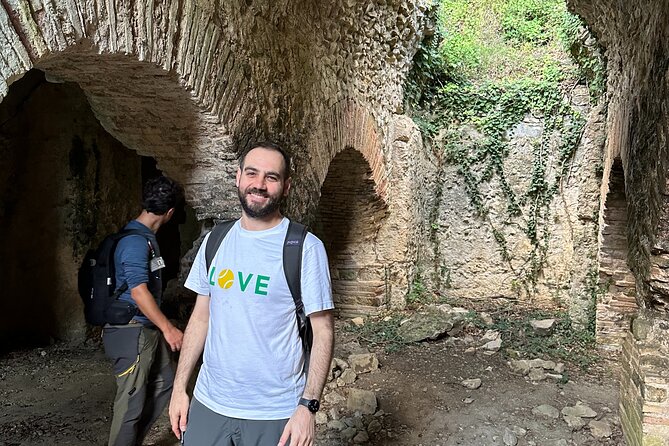
The main historical stop is the Roman water cistern, also called the Castellum Aquarum. It is the sort of site that can be easy to miss if you are exploring alone. A guide can point out why the structure mattered and help you read the remains as part of a water system, rather than simply as old stone.
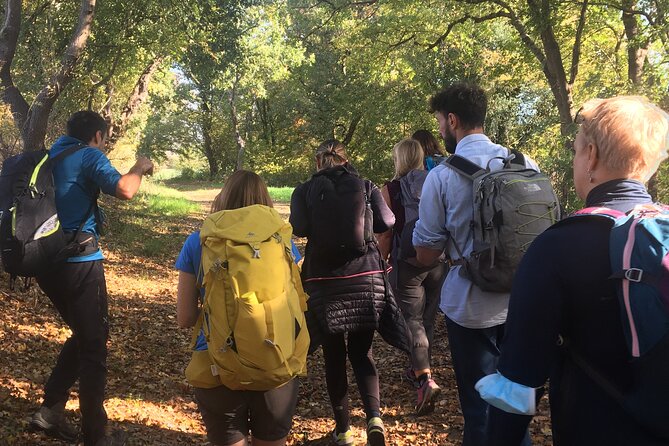
You should expect about two hours for this walking and historical section. The information provided does not give a precise route length, elevation gain, or trail surface, so do not treat it as a casual stroll through a town. The moderate fitness requirement is worth taking seriously. Wear shoes that you can walk in comfortably, and plan for an outdoor route rather than a polished museum visit.
The view is another reason to take this first section slowly. From the cistern area, the outlook stretches from the mountain toward the sea. That broad sweep gives you a useful sense of the region’s geography and makes the stop more than a quick archaeology lesson.
Guide Lorenzo is an important part of this portion. His style, as described through the experience, centers on the identity of the places you pass and the connections between history, archaeology, and local custom. He does not just point out a ruin and move on. You can expect the explanations to help turn the surrounding area into something you can understand.
That is especially useful at a site like the Castellum Aquarum. Without context, a Roman cistern may look modest. With context, it becomes evidence of careful planning and long use of the thermal springs. The route asks you to notice the relationship between the old waterworks, the village above, and the baths below.
Cascate del Mulino and the 37°C soak
The second stop is Cascate del Mulino, the best-known part of the outing. Here, warm water flows through a series of natural pools and channels. The water temperature is about 37°C, close to body temperature, so the bath should feel warm rather than sharply hot.
The timing matters. After around two hours on foot, the pools offer a chance to sit, loosen up, and let the water do the relaxing. The experience description presents the springs as soothing for tired muscles and aches, though you should treat that as a comfort of the setting, not a medical promise.
You need to bring your own beachwear and towel. These are not optional extras if you plan to bathe. The tour does not include them, so check your bag before leaving your accommodation. A mobile ticket is available, but the practical item you are most likely to regret forgetting is a towel.
The walk ends at Cascate del Mulino, about 100 meters from the parking place where you left your car. That makes the finish convenient if you are driving yourself. You do not have to arrange a second pickup after the soak, and you finish at one of Saturnia’s most scenic viewpoints.
The bathing area is also the most public and visually familiar part of the experience. You should expect the appeal of the site to come from its open-air setting and natural flow of water, not from the comforts of a private spa. The information provided does not mention changing rooms, lockers, towel rental, or other facilities, so plan around what you carry with you.
The contrast between the two stops is the strength of the day. At Poggio Murella, you focus on Roman engineering and the broad view. At Cascate del Mulino, you stop thinking quite so hard and enjoy the water. One is a place to interpret, the other is a place to feel.
What the guide adds to the experience
A guided walk is only worth paying for if the guide adds something you would not easily get on your own. Here, the key benefit is interpretation.
Lorenzo explains the history and archaeology of the route, including the ancient cistern, while also bringing in local traditions. That combination matters in Saturnia because the thermal springs are not just an old monument or a scenic swimming spot. They have helped shape the identity of the area for centuries.
The feedback about the experience highlights Lorenzo’s ability to make the route engaging and to connect the places along it. You should expect a walk built around explanation and conversation, not a rapid march between two photo stops.
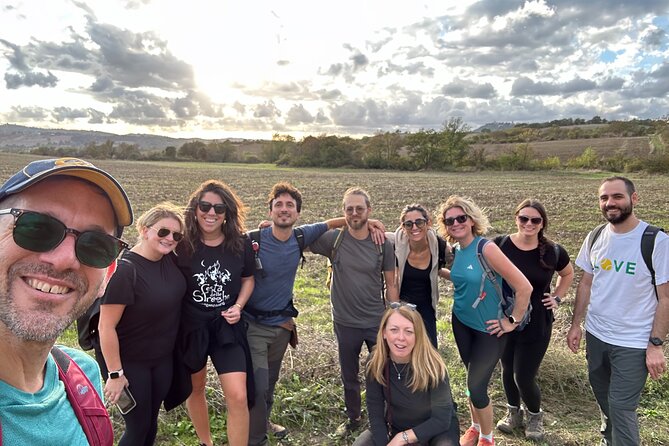
The group limit is 15 people. That is not a private tour, but it is small enough to make questions practical and keep the guide’s commentary within reach. If you like hearing a local story behind a site, this format should suit you better than a large coach outing.
At the same time, do not book this expecting a full historical seminar. The tour lasts only two to three hours and includes both walking and bathing. The history is likely to be focused on the places directly along the route, which is a benefit if you want a clear, manageable introduction rather than a long lecture.
More History Tours in Italy:
- Istanbul Gedikpasa Historical Turkish Bath with Privacy Option
★ 5.0 · 1,285 reviews - Istanbul: Acemoglu Historical Turkish Bath w/Private Options
★ 4.6 · 1,190 reviews - Istanbul: Gedikpasa Historical Hammam with Privacy Add-On
★ 4.8 · 918 reviews - Acemoglu Historical Turkish Bath with Private Options
★ 4.5 · 150 reviews
Price, timing, and practical value
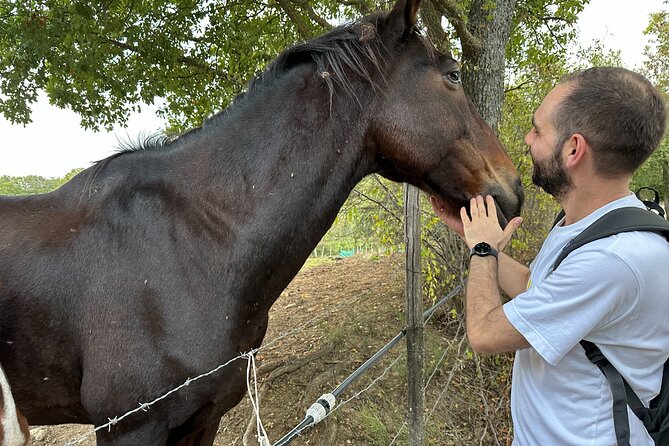
At $102.33 per person, this is not the cheapest way to reach Saturnia’s thermal water. The springs themselves do not require an admission charge, and the two listed stops are free to enter.
The price makes the most sense for someone who values a licensed guide, historical context, and a planned route. You are paying for access to a more thoughtful version of the Saturnia experience, not for entry to an exclusive pool. If your only goal is a quick bath, this outing may feel expensive. If you want to connect the bath with Roman archaeology and the wider area, it offers a more complete half-day plan.
The tour is often booked about 55 days ahead, which suggests you should reserve early if your dates are fixed. That is especially sensible for a small-group experience limited to 15 people. Confirmation is provided when you book, and mobile tickets make the reservation easy to carry.
The start point is on SP10 in the Manciano area. The end point is Cascate del Mulino on Strada Vicinale Molino del Bagno, 9/a. Since the walk ends close to the original parking place, this arrangement works best if you have your own car or have already organized transport to the starting point.
The outing requires good weather. If poor weather forces a cancellation, you can choose another date or receive a full refund. You can also cancel for a full refund up to 24 hours before the start time. Last-minute cancellations and changes made within 24 hours are not refunded or accepted, so keep your plans firm as the date approaches.
Who will enjoy this experience most
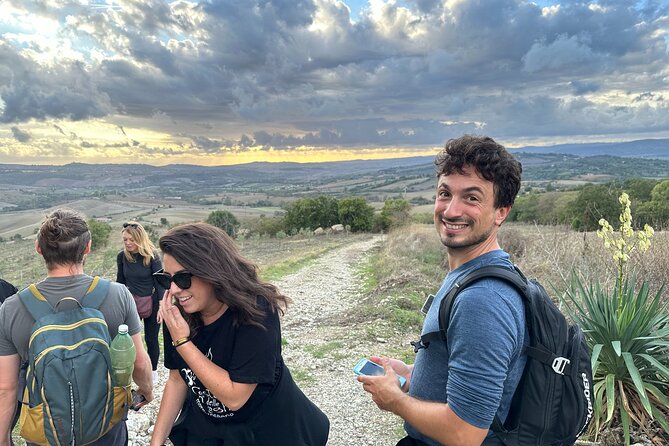
I would recommend this for you if you want more from Saturnia than a quick stop at the pools. It suits people who like archaeology, local stories, and outdoor walks, with bathing as the final pleasure rather than the entire purpose.
It is also a good fit for couples, friends, and small family groups who want a guided activity that does not consume a whole day. The route offers a clear mix of movement and rest, and the group size should keep the experience from feeling like a mass excursion.
You should think twice if you have limited mobility or dislike uneven outdoor walking. The required fitness level is moderate, and the information does not promise an easy, flat route. The experience also may not suit someone who wants a private spa atmosphere, since Cascate del Mulino is an outdoor thermal setting and the tour does not include beachwear, towels, or spa services.
The activity is suitable for service animals. Beyond that, specific accessibility details are not provided, so anyone with mobility concerns should ask the operator for route information before booking.
My verdict on Saturnia’s history and hot springs
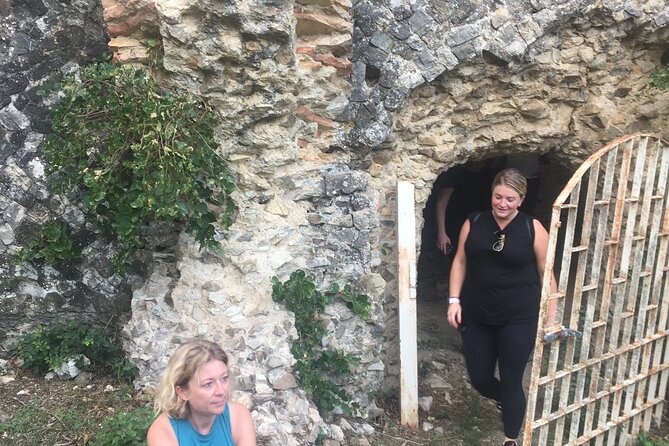
Book this tour if you want to understand why Saturnia’s thermal water matters, not just sit in it. The visit to Poggio Murella and the Roman Castellum Aquarum gives the bath a sense of place, while the 37°C pools at Cascate del Mulino provide a relaxing finish.
The strongest reason to choose it is the guide-led connection between archaeology, local traditions, and the springs. Lorenzo’s explanations are central to the experience, and the small group makes that style work well.
Skip it if you only want the cheapest possible soak or if a two-hour hike sounds like work. For everyone else, this is a well-shaped short outing: a Roman water system, a mountain-to-sea view, and a warm bath at the end.
FAQ
How long does the Saturnia thermal waters experience last?
The experience lasts approximately two to three hours. About two hours are spent walking toward Poggio Murella and visiting the Roman cistern, followed by about one hour at Cascate del Mulino.
What temperature is the thermal water?
The water at Cascate del Mulino is approximately 37°C.
Do I need to bring swimwear and a towel?
Yes. Beachwear and towels are mandatory if you want to bathe in the thermal water, and they are not included.
Where does the tour start?
The tour starts on SP10 in the Manciano area of Tuscany, at the listed meeting point near Saturnia.
Where does the tour end?
It ends at Cascate del Mulino on Strada Vicinale Molino del Bagno, 9/a. The endpoint is about 100 meters from the parking place where you left your car.
How many people can join the tour?
The maximum group size is 15 people.
What happens if bad weather cancels the experience?
If poor weather causes a cancellation, you can choose a different date or receive a full refund. You can also cancel up to 24 hours before the start time for a full refund.
Just added around Italy
- Saturnia Thermal & Wellness from Civitavecchia Port★ 5.0 · 8 reviews
- Thermal Baths natural hot spring and Greek Temple of Segesta★ 5.0 · 34 reviews
- Exclusive Wellness Path★ 5.0 · 21 reviews
- Wellbeing landscapes: Fonteverde Spa in San Casciano dei Bagni★ 5.0 · 7 reviews
- Full day experience | Umbria wine tasting and SPA relax★ 5.0 · 2 reviews
- Spa admission 2h★ 5.0 · 6 reviews
- Private Tibetan Spa Experience with Massage in Rome★ 4.5 · 11 reviews
- Saturnia Thermal Spring Small Group Day Trip from Rome with Lunch★ 5.0 · 13 reviews
More spa days in Italy.
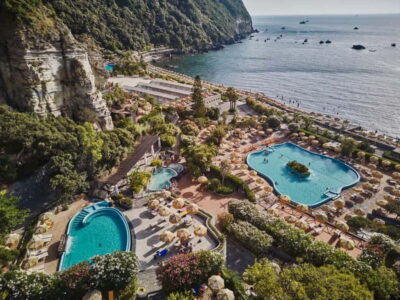
Ischia: Giardini Poseidon Thermal Park Official Entry Ticket
Read our review →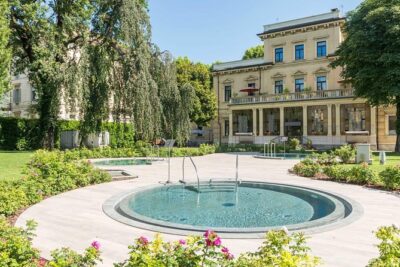
Day Pass to the QC Termetorino Luxury Spa in Turin
Read our review →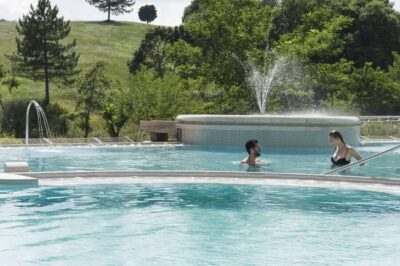
Chianciano Terme: Theia Thermal Pools Entrance Ticket
Read our review →
Pre Saint Didier Luxury Evening Spa Entry Ticket
Read our review →
Merano: Terme Merano Pools and Sauna Entry Ticket
Read our review →

Other lists this one is on