
REVIEW · CHINA
Shanghai:Authentic Chinese Body/Foot Massage, Hair& Head SPA
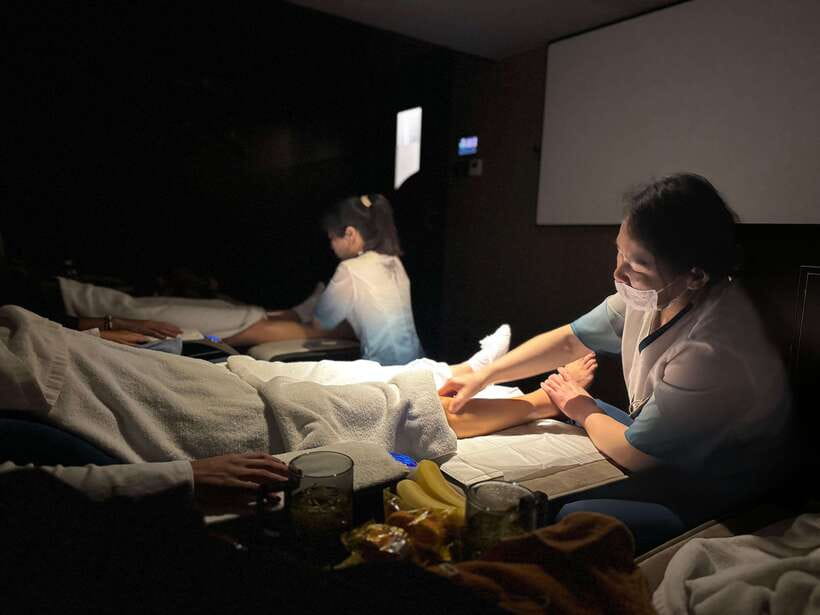
Shanghai offers a useful antidote to long flights and days of sightseeing: a traditional treatment built around pressure points, muscle work, heat, and rest. This experience gives you several ways to try it, from Tui Na meridian massage and foot massage to cupping, moxibustion, and a hair and scalp treatment.
I like the personal help from Bonnie, the China Voyagers host, who explains the options, translates with the spa staff, and can help you find the meeting point. I also like the simple finish: herbal tea and snacks after the treatment, rather than a quick goodbye at the door.
The main thing to watch is the pricing. The advertised booking amount does not cover every treatment, so check your exact choice before you arrive. This is also a functional local spa rather than a luxury hotel setting, and cupping can leave temporary red marks.
Key points
- Choose your treatment: Tui Na, oil massage, foot massage, cupping, moxibustion, or a hair and scalp spa are available as separate options.
- Bonnie provides hands-on help: She can explain the treatment, translate, assist with the meeting point, and help with practical arrangements.
- Foot massage is a strong sightseeing recovery option: Pressure-point work focuses on tired feet after long days around Shanghai.
- Cupping and moxibustion are traditional therapies: Both feel different from an ordinary massage and should be selected with care.
- Tea and snacks close the visit: The herbal tea and small refreshments add a calm Chinese touch.
- Budget carefully: Treatments range from 220 CNY for foot massage to 370 CNY for moxibustion, with the reservation fee included in the booking price.
What this Shanghai wellness experience really includes
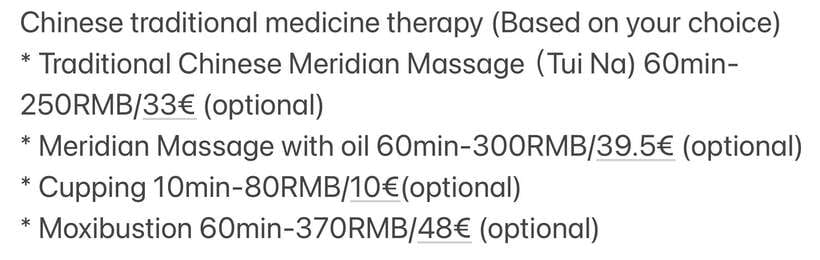
This is not one fixed treatment with every therapy bundled together. It is a one-hour spa appointment built around your selected option, with several traditional Chinese treatments available at different prices.
The choices include a 60-minute traditional Chinese meridian massage, known as Tui Na, for 250 CNY. A Tui Na massage with oil costs 300 CNY. Traditional foot massage is 220 CNY, while a 10-minute cupping session is listed at 120 CNY in the practical information, though another price section gives 100 CNY. I would confirm the current cupping price before booking.
Moxibustion costs 370 CNY for 60 minutes and is better scheduled during the day. The hair, head, and scalp washing treatment with relaxation spa and shoulder massage costs 300 CNY for 60 minutes.
That range matters. You can choose a focused treatment at a modest local price, or combine the experience with a more specialized option. Just do not assume that the low headline booking price covers the full massage.
More Foot Massages in the world:
- Private Montego Bay Bamboo Rafting with Limestone Foot Massage
★ 4.5 · 200 reviews - Bamboo Rafting and Limestone Foot Massage on Lethe River Private Tour
★ 5.0 · 114 reviews - Half-Day Tour Rafting on the Great River with Limestone Foot Massage
★ 5.0 · 84 reviews
Bonnie makes the appointment easier
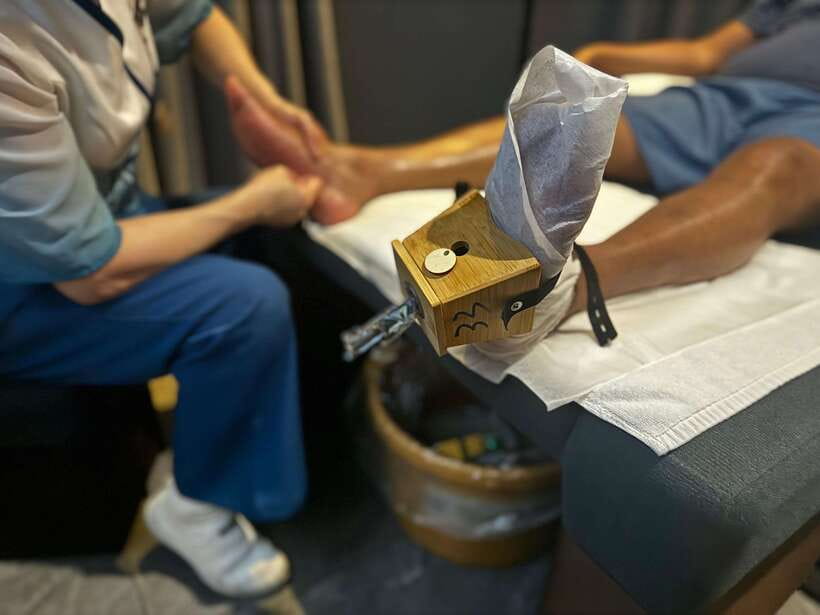
The most useful part of the service may happen before the massage begins. Bonnie, the China Voyagers host, handles the human details that can make a Chinese spa visit feel uncertain if you do not speak the language.
She explains what will happen, answers questions through WhatsApp, and helps you understand the prices and treatment choices. At the spa, she can translate with the therapists and help you get settled. One booking included help with a driver, and another described Bonnie personally assisting with directions when finding the location was difficult.
That support is especially helpful because the meeting point can change according to the treatment you book. You should keep your phone available and watch for the appointment information. If you are unsure about the location, ask Bonnie for clear directions before setting out.
Bonnie’s role is not simply a greeting at the entrance. She may also suggest food or other Shanghai activities, and she has helped visitors with practical errands such as finding a nail salon. That makes this experience more useful for a first visit, when a small amount of local assistance can save time and confusion.
Tui Na massage uses pressure rather than gentle pampering
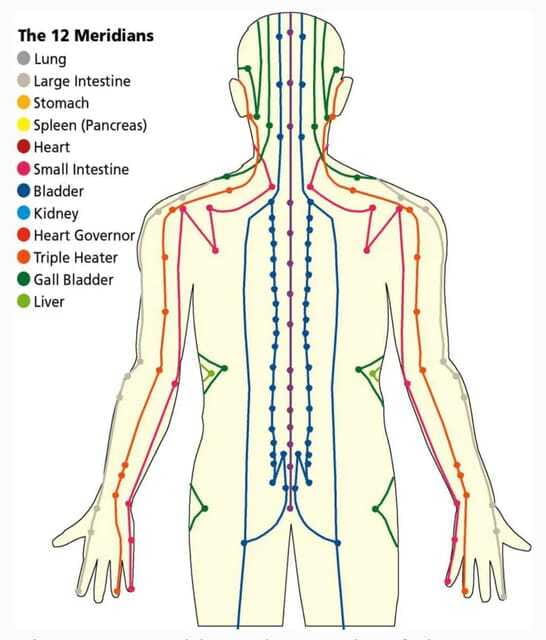
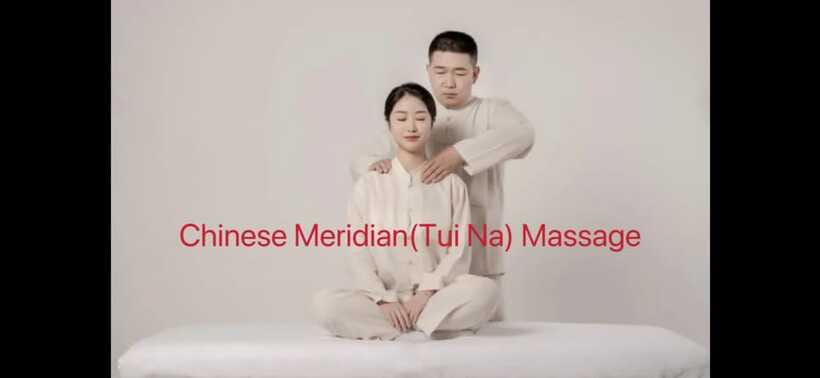
Tui Na is the most direct choice if you want a traditional full-body massage. It uses pressure points, flowing strokes, and deeper tissue work to address tight muscles and encourage circulation.
This is not necessarily the soft, scented relaxation treatment you might find at a Western resort. The technique can feel purposeful, especially around areas stiff from a long flight, a heavy bag, or several days of walking. You can tell the therapist if the pressure is too strong or too light.
The basic 60-minute Tui Na treatment costs 250 CNY. If you prefer oil, the 60-minute version costs 300 CNY. The oil option may feel smoother and more familiar, while the traditional version gives you a clearer sense of the pressure-point method.
A massage therapist named Guo was praised for careful, effective work in one appointment. Other visitors described relief from travel-related knots and better neck movement after Tui Na. Those are useful clues about who should choose it: you, if your shoulders, back, or neck feel worked over from transport and sightseeing.
I would not choose it expecting a medical diagnosis or treatment for a serious condition. The description uses traditional Chinese medicine concepts such as meridians and qi, but this is still a spa service. Tell the staff about any areas that hurt before the session begins.
Foot massage is practical after a day in Shanghai
The 60-minute foot massage costs 220 CNY and focuses on pressure points in the feet. It is a sensible choice after walking through markets, museums, shopping streets, or large city attractions.
Foot massage can be easier to fit into a busy day than a full-body session. You remain focused on one area, while the pressure work can leave your legs and feet feeling less heavy. One booking paired foot massage with moxibustion, and the combination was described as particularly good after several days of walking.
The wording in the activity information sometimes says food massage, but the intended treatment is clearly traditional foot massage. Confirm that your booking is for the foot option if this matters to you.
This treatment is also a good pick if you prefer not to have a full-body massage. You still receive a traditional Chinese pressure-point experience, but the appointment feels more contained. As with Tui Na, speak up about pressure and comfort rather than waiting until the end.
A few more spa visits around the world worth a look
- Budapest: Széchenyi Spa Day Ticket with Optional Upgrades
★ 4.3 · 23,911 reviews - Santorini: Volcanic Islands Cruise with Hot Springs Visit
★ 4.4 · 10,869 reviews - Krakow–Zakopane: Cable Car, Chocholow Baths, Cheese & Vodka
★ 5.0 · 10,720 reviews - Bali: Mount Batur Sunrise Guided Hike and Natural Hot Spring
★ 4.8 · 9,284 reviews
Cupping leaves a visible reminder
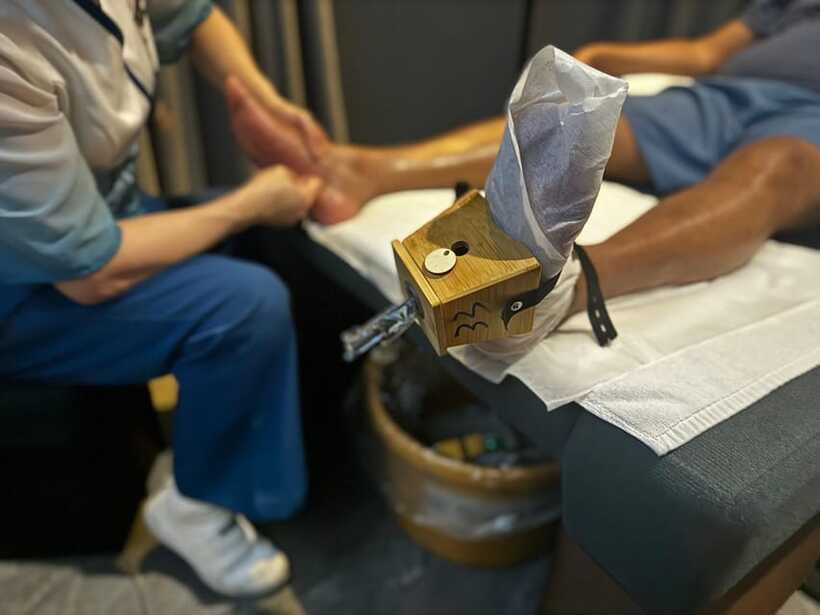
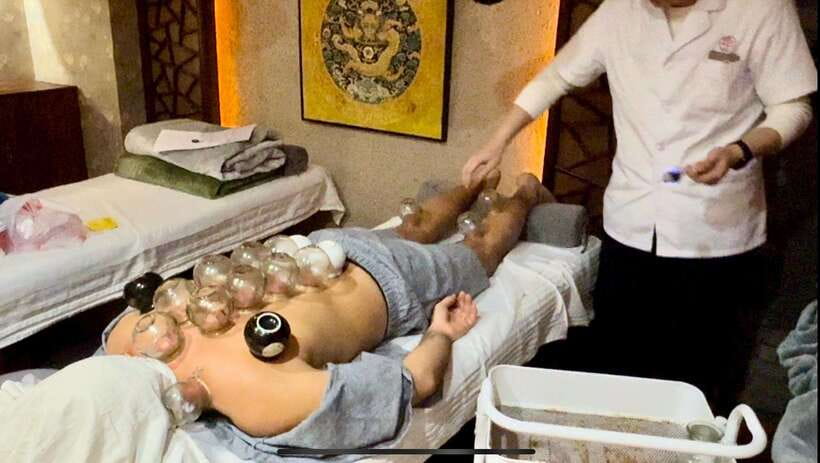
Cupping uses small cups placed on the skin to create suction. The stated purpose is to encourage blood flow, ease muscle tension, and support a traditional healing routine.
The session lasts about 10 minutes, making it a short add-on rather than a complete spa visit. It costs 100 CNY in one part of the information and 120 CNY in another, so confirm the amount when you reserve.
The most important practical detail is the temporary red or purple marking that can remain after the cups are removed. The marks fade over time, but you may not want them before a formal event, beach visit, or photo session. Ask where the cups will be placed and how long the marks usually last.
Cupping is best for someone curious about traditional Chinese treatment and comfortable with a strong visual effect. It is not the right choice if you only want a conventional massage with no after-effects on the skin.
Moxibustion adds gentle heat
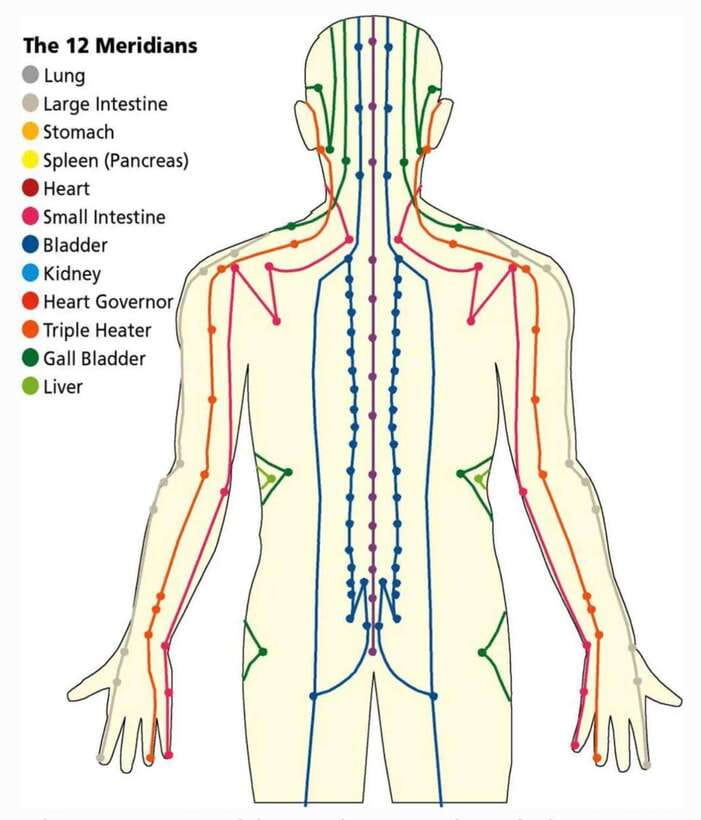
Moxibustion uses dried mugwort to warm specific points on the body. The treatment is described as a 60-minute session costing 370 CNY, and daytime is recommended.
The sensation is different from massage. Instead of relying mainly on pressure, the treatment centers on warmth applied near selected points. The traditional explanation connects this heat with qi and healing, while the practical appeal is the calm, warming feeling.
At 370 CNY, it is the most expensive listed option. That price can make sense if you specifically want to try moxibustion, but it is not the best value if your main goal is simply to loosen tired muscles. In that case, Tui Na or foot massage costs less and may better match what you want.
Ask about the exact setup before beginning, especially if you are sensitive to heat or smoke. The supplied information recommends daytime appointments, so follow that guidance when selecting your time.
The hair and scalp spa is a different kind of rest
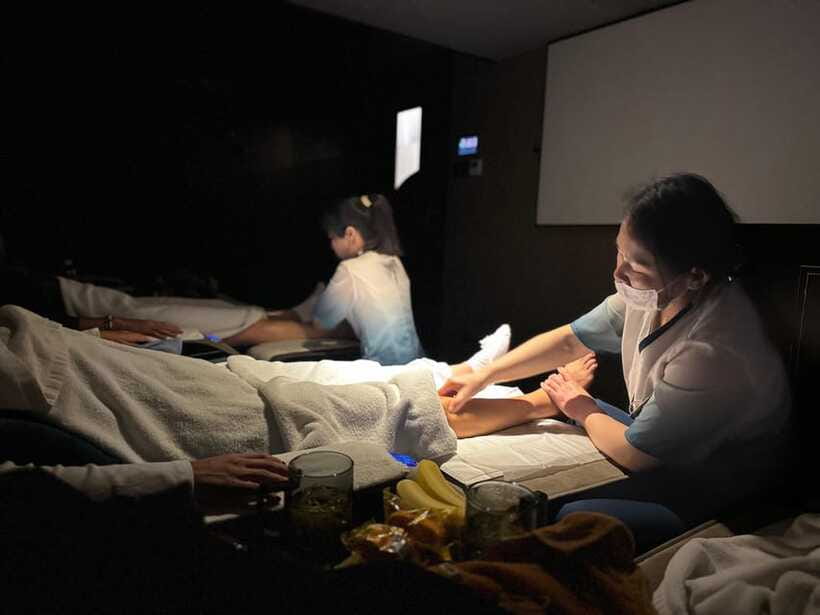
The 60-minute hair, head, and scalp washing treatment includes a relaxation spa and shoulder massage for 300 CNY. It is a useful alternative if you want something gentler or more grooming-focused than bodywork.
The treatment combines hair washing with scalp attention and shoulder massage. That makes it a good choice after a hot, dusty day in the city, or for anyone who enjoys head massage more than firm body pressure.
One appointment specifically noted that the hair felt soft and shiny afterward. That does not mean every result will be identical, but it gives you a realistic idea of the appeal: this option is partly about feeling clean and refreshed, not only about muscle relief.
The scalp treatment also gives you a way to enjoy the spa without choosing cupping or more intense pressure. If you have already booked a body massage, you could ask whether the scalp option can be arranged separately, since the listed services are presented as optional treatments.
The setting is comfortable, but not luxury hotel polished
The spa is described as clean, calm, comfortable, and caring. It is not presented as a high-end resort spa, and one useful description calls it effective rather than fancy.
That distinction helps set the right expectations. You are paying for the treatment and personal assistance, not for grand interiors, elaborate facilities, or a long list of luxury extras. The value is in the massage, the staff’s attention, and the help provided by Bonnie.
For many people, that is exactly the right trade. You get a local-style treatment at a price below many hotel spas, with someone available to explain the process. If your priority is marble, scented oils, a large lounge, or a full thermal circuit, choose a hotel spa instead.
Tea and snacks are included after the treatment. Depending on the appointment, these may include traditional herbal tea, fruit, or small tea snacks. This gives you a few quiet minutes to come back to normal before heading into Shanghai’s streets.
What the one-hour visit feels like from start to finish
Your meeting point depends on the option booked, so confirm it before you leave. Bonnie can help you with the location and explain the service once you arrive.
The first stage is choosing or confirming the treatment. This is the moment to ask about pressure, oil, cupping marks, heat, and the final cost. If you are booking more than one option, confirm how the timing works.
Next comes the 60-minute treatment, except for cupping, which lasts about 10 minutes. Tui Na uses hands-on pressure and massage strokes. Foot massage concentrates on the feet. Moxibustion uses warmth, while the scalp spa combines washing, head and scalp care, and shoulder massage.
Afterward, you receive tea and snacks. Use this time to ask any final questions and make sure you have your belongings before leaving. The whole appointment is valid for one hour, although the experience around it may take a little longer because of arrival, explanation, and refreshments.
Small-group arrangements are available. Wheelchair accessibility is also listed, but because the exact meeting point may vary, ask about the specific location and treatment setup in advance.
Cost and value: what you are really paying for
The listed treatment prices are reasonable for a one-hour local massage, especially compared with a luxury hotel spa. Foot massage at 220 CNY is the lowest full treatment, followed by Tui Na at 250 CNY. Oil massage and the scalp spa are 300 CNY, while moxibustion is 370 CNY.
The reservation commission fee is included in the booking price, but the treatments themselves are marked optional. This is the key financial detail. The $2 figure attached to the general experience should not be treated as the final cost of a 60-minute massage.
You can pay with Alipay or cash. Before the appointment, confirm the treatment, duration, and total amount in CNY. Because the cupping price appears as both 100 and 120 CNY in the supplied details, ask for the current figure rather than relying on an old number.
The best value depends on your goal:
- Choose foot massage for tired legs at the lowest full-treatment price.
- Choose Tui Na for a traditional full-body experience.
- Add oil if you prefer a smoother massage.
- Choose cupping only if you accept temporary marks.
- Choose moxibustion if the traditional heat treatment itself interests you.
- Choose the scalp spa if clean hair, head massage, and shoulder work sound more appealing.
Who should book this experience
I would recommend it to you if you want a practical introduction to Chinese massage without committing to a luxury spa budget. It suits people arriving after a long flight, anyone with sore feet from sightseeing, and visitors curious about Tui Na, cupping, or moxibustion.
It is also a good fit if language support matters. Bonnie’s help can remove much of the uncertainty around treatment choices, directions, translation, and payment. That is valuable when you want to relax rather than negotiate every detail yourself.
You should think twice if you dislike firm pressure, visible cupping marks, heat-based treatments, or simple local spa surroundings. Pregnant women should not book this activity, as they are specifically listed as unsuitable.
Free cancellation is available up to 24 hours before the appointment, and you can reserve now and pay later. Those terms help if your Shanghai schedule is still changing, but you should still confirm the exact start time and meeting point once your treatment is selected.
Should you book the Shanghai Chinese massage and scalp spa?
Yes, if you want an affordable, personal, and distinctly Chinese wellness stop rather than a polished hotel spa. I would choose the 60-minute Tui Na massage for a first visit, or foot massage if your main problem is tired legs. The scalp spa is the best alternative for a gentler, grooming-focused hour.
The strongest reason to book is the combination of treatment and local assistance. Bonnie’s explanations, translation, and practical help make the appointment less confusing, especially for a first visit to Shanghai.
Just budget for the actual service, not only the headline booking amount, and confirm the cupping price before you go. With a 4.9 rating from 76 bookings, a clean but unpretentious setting, tea afterward, and several treatment choices, China Voyagers offers a useful reset between Shanghai sightseeing days.
FAQ
How long does the treatment last?
Most listed treatments last 60 minutes. Cupping is the exception and lasts about 10 minutes.
How much does a traditional Tui Na massage cost?
The 60-minute traditional Chinese meridian massage costs 250 CNY. A 60-minute version with oil costs 300 CNY.
What are the other treatment prices?
Traditional foot massage costs 220 CNY. Cupping is listed at 100 CNY in one section and 120 CNY in another, so confirm the current price. Moxibustion costs 370 CNY for 60 minutes, and the hair, head, and scalp spa with shoulder massage costs 300 CNY for 60 minutes.
Is Bonnie available to help during the appointment?
Bonnie from China Voyagers helps explain the treatment, answer questions, translate with spa staff, and assist with directions or other practical arrangements.
Can I pay with Alipay or cash?
Yes. Both Alipay and cash are accepted.
Is the experience suitable for pregnant women?
No. Pregnant women are specifically listed as unsuitable for this activity.
Just added around the world
- Krakow : Zakopane Tour + Thermal Pools with Hotel Pickup★ 4.8 · 7 reviews
- Krakow: Zakopane, Snowmobiles, Cable Car & Hot Springs Tour★ 4.8 · 8 reviews
- KRAKOW ZAKOPANE TOUR CABLE CAR THERMAL BATHS & HOTEL PICKUP★ 4.4 · 7 reviews
- Zakopane Tour with Thermal Baths – Day Trip from Krakow★ 3.8 · 5 reviews
- Krakow: Zakopane One Day Trip with Funicular & Thermal Pools★ 4.4 · 12 reviews
- Krakow: Zakopane-Thermal Bath(Evening Time)with Hotel Pickup★ 4.6 · 4 reviews
- Krakow: Zakopane, Thermal Baths and Cable Car★ 5.0 · 6 reviews
- Kraków: Twilight Thermal Baths★ 4.5 · 35 reviews
More spa days in China.
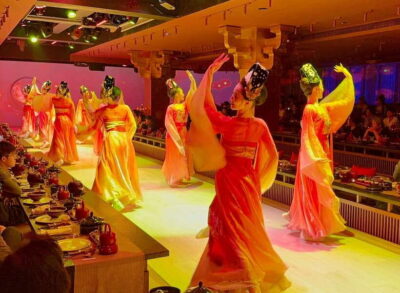
Shanghai Guided Royal Banquet Photo (Incl) with Massage Opt
Read our review →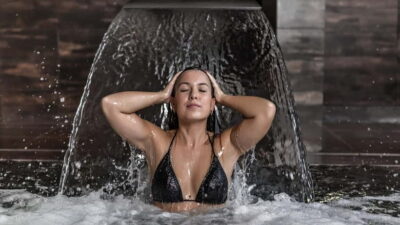
Beijing : SHUIGUO luxury SPA & Recreation Club day ticket
Read our review →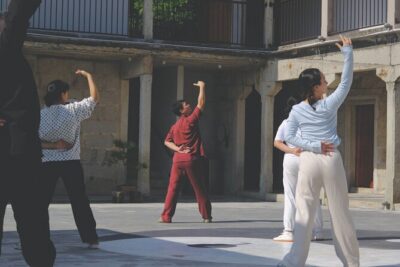
7-Day TaiChi & Qigong Wellness Retreat in China
Read our review →
Chengdu: Sichuan Opera Show & Covered Bowl Tea & Massage
Read our review →
Chongqing: Active Wellness, Monorail, and Hidden Gems Tour
Read our review →Other lists this one is on