REVIEW · TOURS
Tskhaltubo Old Soviet Spa Tour
Tskhaltubo is not simply an abandoned-town photo stop. It was once a major Soviet spa resort, with 18 sanatoriums, daily trains from Moscow, and mineral springs believed to treat everything from skin problems to heart and vascular disease. The tour brings that lost world into focus.
I like the strong historical context and the chance to visit several sanatoriums with different former uses and designs. I also like the personal guidance from Akaki, who explains the Soviet past, watches for safety inside the buildings, and knows where the best photographs can be made.
The main caution is communication. One booking went badly because the start time and group arrangement changed without clear notice. The published details describe a private tour at 2:00 p.m., so confirm those points before setting out.
Key points to know before you book
- Tskhaltubo was once a major Soviet spa resort: Its 18 sanatoriums served a state-run health system that brought people from across the Soviet Union.
- Akaki is the named guide: He provides the historical explanation, helps with photo angles, and has been praised for his friendly, careful approach.
- You visit more than one abandoned complex: The buildings differ in design and former purpose, so the tour has more variety than a single ruined-site walk.
- The mineral springs still matter to the story: The water reaches the baths at a comfortable bathing temperature without artificial heating or cooling.
- This is a private English-language activity on paper: Only your group should participate, though you should confirm this and the start time before the day of the tour.
- Plan for moderate physical effort: You will be exploring old buildings, so sensible shoes and care underfoot are important.
Why Tskhaltubo is worth three and a half hours
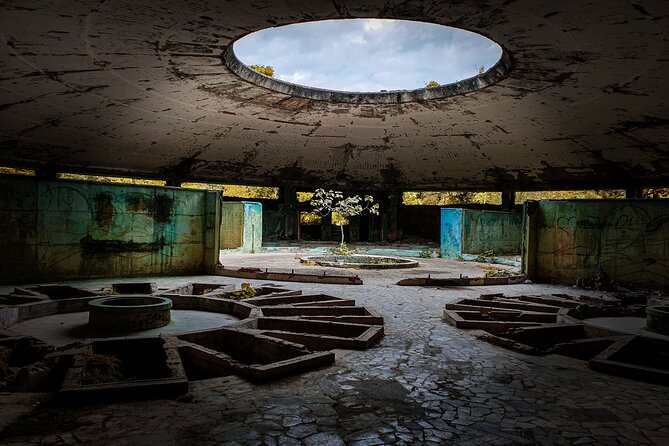
Tskhaltubo gives you a different side of Georgia. Kutaisi is known for churches, markets, and nearby caves, but this excursion looks at the twentieth century through its abandoned public architecture.
The town’s story reaches back to the eighteenth century, when foreign researchers began recording the supposed healing qualities of its springs. In 1920, the area became state property and was developed as a balneology resort. Balneotherapy means treating illness through bathing in mineral-rich water. That old medical idea shaped the town’s growth.
By 1953, Tskhaltubo had become an important Soviet spa resort. The resort belonged to the Soviet Riviera, a chain of Black Sea and western Soviet holiday areas where health treatment, rest, and state planning came together. By the 1980s, trains arrived daily from Moscow. That detail helps you picture the scale of the place. These were not small local bathhouses. Tskhaltubo was built to receive large numbers of people.
The water itself is central to the story. It comes from underground springs at a comfortable temperature for bathing, so it could be sent directly to the baths without being heated or cooled. The mineral water was promoted for conditions affecting the limbs, peripheral nervous system, skin, heart, and blood vessels.
You do not need to be a spa enthusiast to appreciate this. The springs explain why such large buildings were constructed here and why the town mattered to Soviet society. The ruins make more sense once you understand that they were part of a public medical and holiday system, not just grand hotels left behind.
A few more spa visits around the world worth a look
- Budapest: Széchenyi Spa Day Ticket with Optional Upgrades
★ 4.3 · 23,911 reviews - Santorini: Volcanic Islands Cruise with Hot Springs Visit
★ 4.4 · 10,869 reviews - Krakow–Zakopane: Cable Car, Chocholow Baths, Cheese & Vodka
★ 5.0 · 10,720 reviews
Walking through the former Soviet spa complexes
The tour’s only listed stop is Tskhaltubo, but the experience involves visiting several former sanatoriums and spa buildings. The exact buildings are not named in the available details, which means you should think of this as a guided exploration of the town’s abandoned resort zone rather than a fixed museum route.
That variety is one of the tour’s best features. Each complex had its own former purpose and appearance. One may feel like a grand public institution, while another may show a more intimate side of the resort system. Akaki’s role is important here because an empty building can be hard to read without explanation.
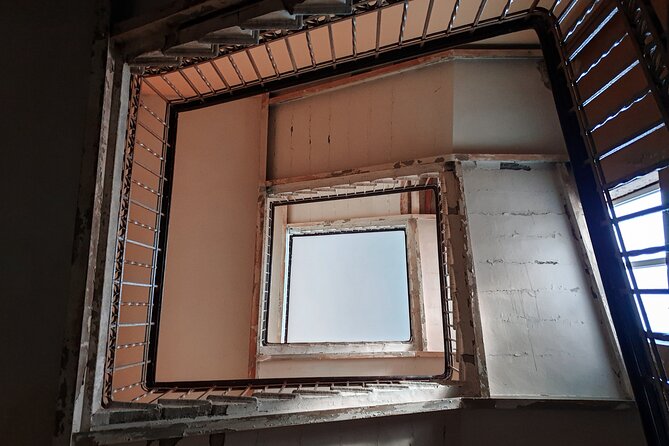
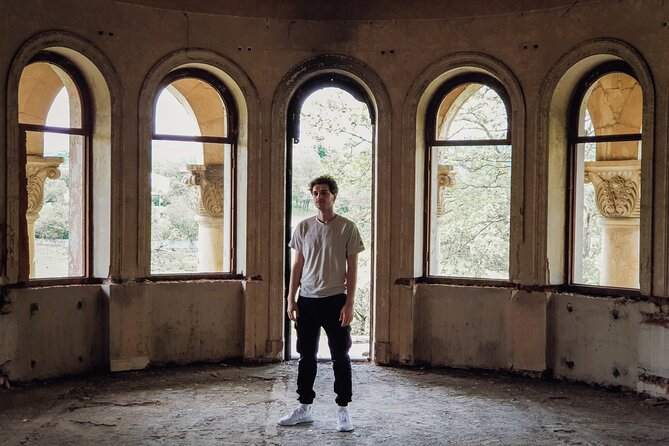
You will likely notice the contrast between the scale of the architecture and its current condition. Wide halls, large rooms, and old decorative details point to a time when these places operated with confidence and purpose. Their present state tells a different story, one shaped by the end of the Soviet system and the decline of the resort.
I like tours that explain what a building was meant to do, rather than simply pointing at broken windows and peeling walls. The history gives the ruins weight. You are not just looking at decay. You are trying to understand how a government organized health care, rest, travel, and social life.
The buildings can also be visually striking. The tour has earned praise for helping people find good angles for photographs, but the photos work best when you give the setting time. Look for details rather than rushing from room to room: the relationship between the huge structures and the overgrown grounds, old corridors, faded surfaces, and the way light enters an unused space.
Akaki’s role makes the difference
Akaki is the guide named for this experience, and the available feedback is especially positive about his approach. He is described as punctual, warm, easy to talk with, and well prepared. More important, he gives you the context needed to understand what you are seeing.
He also pays attention to safety. That matters in abandoned buildings, where uneven floors, damaged surfaces, and unstable sections can make casual wandering a poor idea. The activity asks for moderate physical fitness, so this is not a good choice if you need a fully accessible route or prefer a carefully paved museum visit.
A good guide also changes the mood. Without one, Tskhaltubo could become a parade of empty rooms. With Akaki, the buildings connect to Soviet history, the spa system, and the lives of people who came here for treatment. He can also help you frame photographs, which is useful if you want more than quick snapshots.
The strongest praise centers on his personal attention and Soviet-era background. That is the heart of the experience. You are paying for access to a story and for help reading a place that would otherwise be difficult to interpret.
The history is more than Soviet nostalgia
It is easy to treat abandoned Soviet sites as dramatic scenery. Tskhaltubo deserves a little more care than that.
The resort was built around a belief in mineral-water treatment and state-run health programs. People came not only for leisure but also for medical care. The water was considered useful for several illnesses, and the baths were designed around a particular method of treatment.
That does not require you to accept every old medical claim. It does require you to understand why the resort had such importance. For many visitors from the Soviet Union, a stay in Tskhaltubo may have been part of a prescribed treatment plan, a state-supported holiday, or a rare chance to travel far from home.
This makes the tour valuable for anyone interested in the former Soviet Union, architecture, public health, or the way political systems shape towns. You get a physical sense of a vanished system. The abandoned buildings are evidence of both its ambition and its collapse.
The experience also suits people who enjoy film-like settings. The old sanatoriums can recall the mood of post-apocalyptic television and games, and the tour has been compared in spirit to locations fans of The Last of Us or The Walking Dead may appreciate. Still, the real story is more interesting than a fictional set. These were working health resorts, and people once depended on them.
Same place, a different way to unwind:
- Bali: Mount Batur Sunrise Guided Hike and Natural Hot Spring
★ 4.8 · 9,284 reviews - Reykjavik: Sky Lagoon Entrance Pass With 7-Step Spa Ritual
★ 4.8 · 6,166 reviews - Prague: Bernard Beer Spa with Beer and Massage Option
★ 4.8 · 4,164 reviews - Krabi: Tiger Cave Temple, Emerald Pool and Hot Springs Tour
★ 4.8 · 3,616 reviews
Price, private format, and what you receive
The listed price is $78.27 per person for about three hours and thirty minutes. That is not a bargain-priced walking tour, especially if you are visiting Georgia on a tight budget. The value depends on what you want from the outing.
If you only want to see abandoned buildings, you might find the cost high. If you want transport or pickup, a guide who explains the history, several different complexes, safety awareness, and help with photography, the price becomes easier to justify. The experience is also offered as a private activity, which can be useful if you want to ask many questions or set your own pace.
Private tours work best when the arrangement is honored. One booking described a serious problem: the start time changed from 1:00 p.m. to 2:00 p.m., the group became larger, and the guide questioned the listed price. That is a poor experience, especially for someone who chose a private tour for focused questions and customization.
The current details list a 2:00 p.m. start and say that only your group will participate. I would still send a short message before the day of the tour to confirm the meeting time, pickup details, and private format. That small step can prevent a costly misunderstanding.
The tour is booked, on average, about 20 days ahead. That suggests you should not leave it until the last day if your Kutaisi schedule is tight. It is available in English and uses a mobile ticket, which keeps the practical side simple.
Meeting point, timing, and physical demands
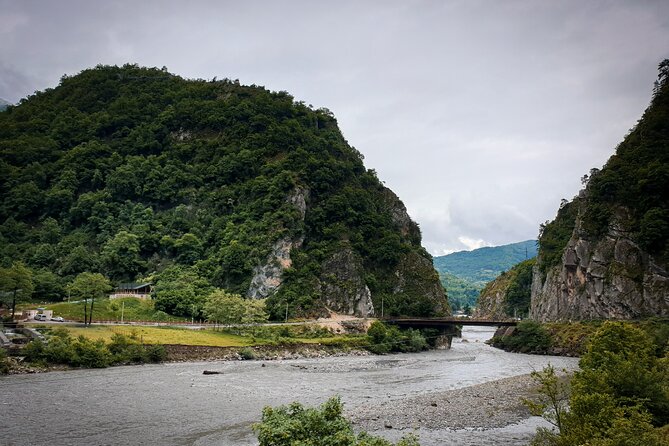
The listed starting point is Free Walking Tour Kutaisi, Gelati Kutaisi, Kutaisi 4600, Georgia. The activity ends back at the meeting point. Pickup is offered, but you should confirm the exact pickup arrangement when you book.
The start time is 2:00 p.m., and the full outing lasts roughly three and a half hours. That gives you a substantial afternoon activity without taking an entire day away from Kutaisi. The length also allows time for explanations and multiple buildings rather than a quick drive-by.
You should wear shoes that can handle uneven ground and old interiors. The stated fitness level is moderate, and the tour includes abandoned structures rather than a polished visitor center. The available information does not promise an accessible route, so ask before booking if stairs, rough surfaces, or difficult entry points are a concern.
The experience requires good weather. If poor weather forces a cancellation, you are offered another date or a full refund. The activity also requires a minimum number of participants, and if that condition is not met, you are offered another date or experience, or a full refund.
Free cancellation is available if you cancel at least 24 hours before the start time. Changes or cancellations made within 24 hours are not accepted for a refund. The cut-off uses local time.
Who will enjoy this tour most
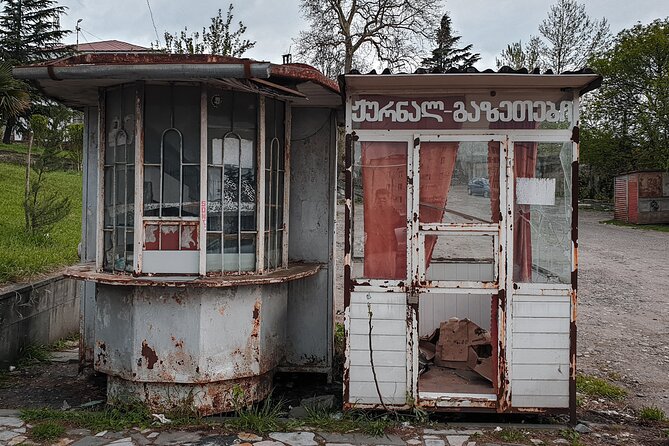
I would choose this tour if you enjoy places with a strong sense of time and change. It suits people interested in Soviet history, architecture, urban decline, photography, and the practical story behind abandoned buildings.
It is also a good match if you prefer a guide who explains rather than simply transports you. Akaki’s reported strengths are exactly the ones that matter here: historical background, easy conversation, attention to safety, and help with photo spots.
You may want to skip it if you prefer a conventional spa visit, a fully restored historic site, or a gentle sightseeing route with no rough interiors. Tskhaltubo’s appeal comes from its unfinished, abandoned condition. That also brings uncertainty, physical effort, and less polish.
Families with older children may find the story interesting, but the moderate fitness requirement and building conditions mean you should judge your group carefully. The available details do not give a minimum age or a specific accessibility plan.
Should you book the Tskhaltubo Old Soviet Spa Tour?
For most history-minded visitors staying in Kutaisi, I think this is a worthwhile half-day outing. The strongest reason to book is the combination of access and explanation: you see several former sanatoriums, then learn why they were built and how Tskhaltubo became one of the Soviet Union’s major spa resorts.
The $78.27 price makes the most sense if you value a private guide, pickup, safety awareness, and photography help. It makes less sense if you only want a quick look at ruins.
Book it if Akaki is guiding, the 2:00 p.m. start is confirmed, and the private format matters to you. Send that confirmation before the day of the tour. With those details settled, Tskhaltubo offers an unusual and memorable look at Georgia’s recent past, far beyond the usual church-and-cave route.
FAQ
Where does the Tskhaltubo Old Soviet Spa Tour start?
The listed starting point is Free Walking Tour Kutaisi, Gelati Kutaisi, Kutaisi 4600, Georgia.
Where does the tour end?
The activity ends back at the meeting point.
What time does the tour start?
The listed start time is 2:00 p.m.
How long does the tour last?
The tour lasts approximately three hours and thirty minutes.
Is pickup available?
Yes, pickup is offered. Confirm the exact pickup details when booking.
Is the tour private?
The activity is listed as private, with only your group participating. Confirm this before the tour because one past booking had a disagreement about the group arrangement.
Is the tour offered in English?
Yes, English is listed as the available language.
Who is the named guide?
Akaki is the guide named in the available tour information.
What fitness level is required?
A moderate level of physical fitness is recommended. The tour visits old sanatorium buildings, so the route may involve uneven or demanding areas.
Can I cancel for a full refund?
Yes, if you cancel at least 24 hours before the experience start time. Cancellations or changes within 24 hours are not refunded.
Just added around the world
- Round-Trip Airport Transfer to Secrets St. Lucia Resort & Spa★ 5.0 · 11 reviews
- Rila Monastery and Hot Mineral Bath Spa Complex Tour★ 4.5 · 27 reviews
- Seven Rila lakes-Snowshoeing with Waterfall and Hot Mineral pools★ 5.0 · 21 reviews
- AQUAFIELD Spa and Indoor Waterpark Discount Ticket (내국인불가)★ 3.5 · 2 reviews
- From Singapore: Private Malaysia express night tour + Massage★ 5.0 · 2 reviews
- Private Day Trip to Sapareva Banya for SPA★ 5.0 · 6 reviews
- Boyana Church and Thermal SPA near Pancharevo Lake★ 5.0 · 2 reviews
- The Best of Sofia: Magical Snowshoeing Adventure in Vitosha & SPA★ 5.0 · 10 reviews
More spa days in Tours.
Tiger Cave Temple, Emerald Pool and Hot Springs Tour
Read our review →
Antalya Pamukkale Hot Springs & Hierapolis Tour With Lunch
Read our review →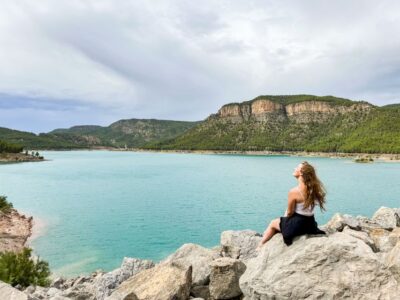
Waterfalls and Thermal Springs Tour with Swimming
Read our review →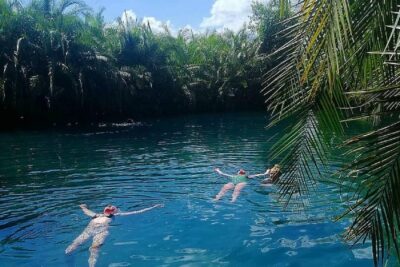
Materuni Waterfalls, coffee tour & Kikuletwa Hot Springs
Read our review →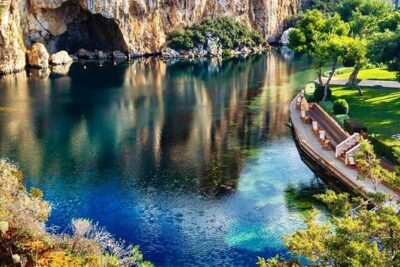
Lake Vouliagmeni Thermal Spa And Temple Of Poseidon Private Full Day Tour
Read our review →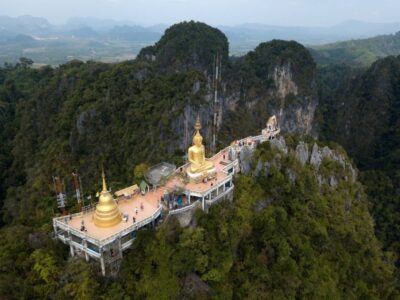
Ao Nang: Hot Spring, Emerald Pool & Tiger Cave Temple Tour
Read our review →