REVIEW · JAKARTA
Volcano, Hot Spring, Tea Factory, rice fields and Coffee Tour
Tangkuban Perahu gives this day its spark: you reach an active West Java volcano, smell sulfur, and watch fumes rise from the crater. I like the mix of real countryside stops and the chance to see how tea, rice, and coffee are produced. I also like that your group has a private vehicle, guide, and flexible attention rather than being folded into a large bus.
The trade-off is time. This is a 10 to 12-hour day from Jakarta, and much of it is spent driving toward Bandung and Subang. The volcano, tea factory, hot spring, and farm visits make a strong day for curious families and first-time visitors, but it is not a quick outing.
Key points to know before booking
- Active volcano visit: Spend about an hour at Tangkuban Perahu, where sulfur fumes rise from the crater.
- Private transport: Your group travels in an air-conditioned vehicle with a driver, bottled water, parking, and entrance fees included.
- Working tea country: Visit Kebun Teh Ciater and its factory to see black tea production from leaf to finished product.
- Farm-to-table stops: Meet farmers near Subang rice fields and taste pineapple or other seasonal fruit at a local market.
- Luwak coffee costs extra: The coffee explanation is included, but tasting costs $3 per person.
- A long but varied day: The route lasts roughly 10 to 12 hours, with plenty of road time between Jakarta and West Java’s highland stops.
A full day from Jakarta into West Java
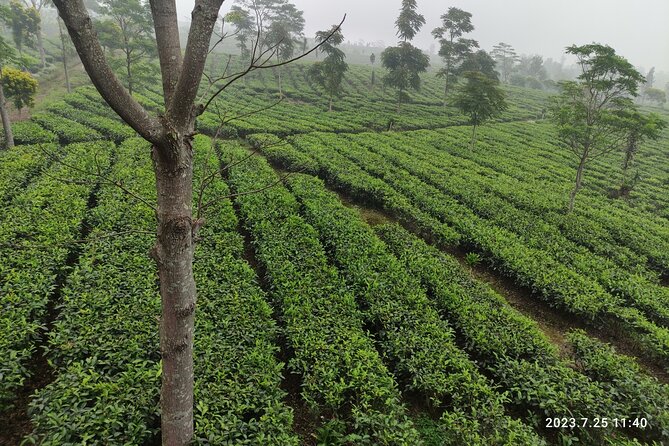
This experience takes you out of Jakarta’s city traffic and into the cooler highlands around Bandung and Subang Regency. The route moves through rice fields, rubber plantations, tea plantations, and villages, so the drive itself becomes part of the day rather than a simple transfer.
You travel in a private, air-conditioned vehicle, with pickup offered. That matters on a long route. You can keep your own group together, carry what you need, and avoid the stop-and-go rhythm of a large coach.
The tour is priced at $130 per person. That is not a budget day trip, especially once you add lunch and the $3 luwak coffee tasting, but the price includes private transportation, parking, bottled water, entrance tickets, and the tea factory visit with tea. For a small group that values door-to-door transport and a private guide, the package offers practical value.
The tour is commonly booked about 13 days ahead, so I would not leave it until the last minute if your Jakarta schedule is fixed. Free cancellation is available if you cancel at least 24 hours before the start time.
More Hot Springs in Indonesia
- Bali: Mount Batur Sunrise Guided Hike and Natural Hot Spring
★ 4.8 · 9,284 reviews - Mount Batur Sunrise Hike and Natural Hot Spring Option
★ 5.0 · 1,927 reviews - Jakarta: Volcano, Tea/Rice Fields, Hot Spring, Local Food
★ 4.9 · 515 reviews
Rice fields and village life near Subang
The day includes a stop in Subang to see rice fields and meet farmers. You learn about the paddy plant, a crop that supplies a major part of the Indonesian diet, and get closer to the people working the fields.
This is one of the more meaningful stops because it gives context to the food on your plate. You are not just looking at green fields from a moving car. You have time to see local activity, breathe fresh air, and observe the village setting around the paddies.
The stop lasts about 20 minutes, so keep your expectations sensible. It is an introduction, not a long agricultural workshop. Still, even a short pause can help you notice how quickly Jakarta’s urban setting gives way to rural West Java.
Wear shoes that can handle an uneven outdoor surface. The information supplied does not promise a long walk through the fields, so your exact footing and access may depend on conditions that day.
Tangkuban Perahu and its sulfur crater
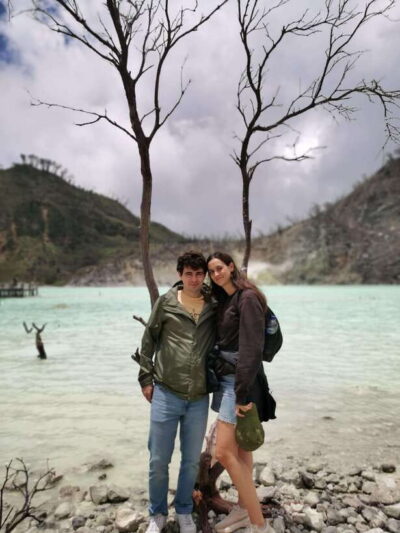
Tangkuban Perahu is the day’s headline stop. This active volcano sits in West Bandung Regency and forms part of Indonesia’s volcanic belt. At the crater, you can smell sulfur and watch fumes rise from the ground.
The name means upside-down boat and comes from a local legend. You do not need a long geology lesson to appreciate the place. The smell, steam, and volcanic setting make this feel very different from ordinary sightseeing.
You have about one hour here, with admission included. That is enough time to take in the crater area and enjoy the view without turning the stop into a full hike.
The altitude is worth considering. The tour is not recommended for people with altitude sickness, and anyone who knows they react badly to higher elevations should take that warning seriously. The supplied information does not give the exact elevation or promise a particular walking route, so ask the operator if you need details before booking.
This stop can also be affected by volcanic conditions. The tour description confirms that the volcano is active and fumes are visible, but it does not promise a particular crater view on every departure. I would treat the volcano as the day’s main natural attraction, while keeping a little flexibility about what you see.
A working tea factory in Ciater
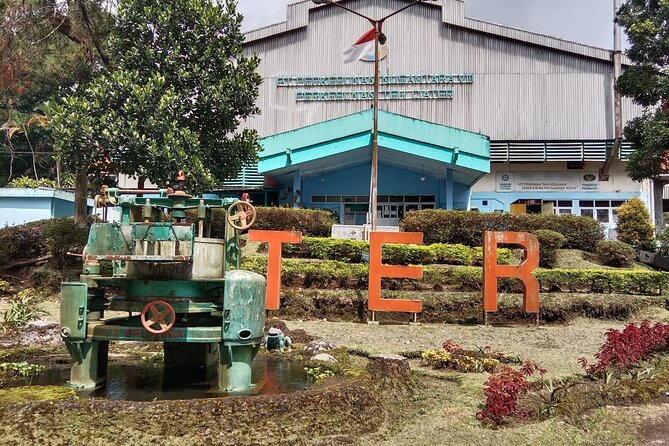
Kebun Teh Ciater brings you into Subang’s tea-growing country. The visit includes a government tea factory and a plantation, with about an hour to learn how black tea is made.
Inside the factory, you follow the process from fresh leaves through the stages that turn them into finished tea. The included tea drink gives you a simple reward at the end, and it helps connect the factory work with what you drink at home.
The plantation adds the setting that a factory alone would miss. You can walk among the tea-growing area and look across the valley. I like this stop because it combines production, scenery, and a drink without requiring a separate attraction fee.
The tour description does not give the factory’s opening schedule or say how much of the machinery will be operating during your visit. Factory activity can vary, so think of this as an educational visit to a working tea center, not a guaranteed behind-the-scenes production show.
If you enjoy food origins, this may be your favorite stop after the volcano. It also gives you a break from the car before the final hot spring visit.
More Volcano Spa Day Trips in Indonesia:
- Active Volcano, Rice Field, Hot Spring, Fruit market, Tea Plantation with Lunch
★ 5.0 · 513 reviews - Mt Batur Sunrise, Breakfast & Natural Hot Springs
★ 5.0 · 458 reviews - Private Tour Mount Batur Sunrise Trekking and Natural Hot Spring
★ 5.0 · 431 reviews - Bandung: White Crater Hotspring Tea Plans And Lunch Included
★ 4.9 · 419 reviews
The luwak coffee stop at KLC Cafe & Resto
At KLC Cafe & Resto, you learn about Indonesian luwak coffee, described here as one of the world’s most expensive coffees. The stop lasts about an hour and includes an explanation of how the coffee is produced.
The coffee tasting itself costs $3 per person. That small extra charge is easy to overlook, so bring it into your budget. The visit is not simply a café pause. It is intended to explain the traditional coffee project and the production method behind the drink.
Coffee fans will get the most from this stop, while people who do not drink coffee may find it less important than the rice fields or tea factory. Since the tasting is not included, you can decide if it is worth adding rather than paying automatically.
The supplied information does not describe the animal-welfare practices or certification connected with the coffee. If those issues matter to you, ask for details before tasting. That is a fair question with any luwak coffee experience.
Sari Ater’s warm sulfur water
The final major stop is Sari Ater Hot Spring, one of West Java’s popular hot spring areas. Its sulfur water comes from the volcano and contains minerals. You can soak your feet or use the hot spring pool, with about 45 minutes set aside.
A foot soak is a good fit for a day with heavy driving. It lets you relax without committing to a full swim, and it gives the schedule a calm finish after the volcano, factory, and village stops.
The tour includes the entrance ticket, but it does not explain which pool access is covered or whether any additional facilities cost extra. If you want more than a basic foot soak, ask your guide about the available pool arrangements when you arrive.
Bring whatever you need to feel comfortable around hot water. The information provided does not specify changing-room arrangements, towel service, or shower facilities, so do not assume those are included.
A short fruit-market stop
The route includes a 15-minute stop at Fruit Paradise, a local market in Subang. You can buy and taste West Java fruit, with pineapple highlighted as a specialty. Another seasonal fruit may be available.
This is a small stop, but it gives the day a local-food touch. Pineapple is more memorable when you taste it at a market near where it is grown rather than seeing it only as a sliced garnish at a hotel breakfast.
Fifteen minutes is not long enough for a relaxed market visit. Think of it as a quick tasting and shopping pause. If you buy fruit, keep your purchases manageable for the return drive.
Guides, drivers, and the private format
The experience is private, meaning only your group takes part. That is one of its strongest features. On a long day with several stops, a private vehicle makes timing less rigid and gives you a direct point of contact when you need help.
Guides named in the tour feedback include Erni and Neti, with driver Affandi also receiving specific praise. Erni is noted for helping make a family’s journey pleasant and safe. Neti is described as warm with a young child, and Affandi is described as cautious behind the wheel.
Those details matter because the day is not only about attractions. You spend many hours on the road, and a friendly guide and careful driver can make the difference between an enjoyable outing and a tiring one.
The tour suits families particularly well, including families with young children, since the group has private transport and the guide can respond to your needs. The same format works for couples and small groups who prefer not to share a vehicle.
What to budget beyond the $130 price
The listed price is $130 per person. Included are bottled water, an air-conditioned vehicle, private transportation, parking fees, entrance tickets, the tea factory tour, and a tea drink.
You need to budget separately for lunch and the $3-per-person luwak coffee tasting. No lunch arrangement is specified, so ask your guide about the day’s food plan rather than assuming a meal is included.
Group discounts are offered, which may improve the price for larger private parties. Since this is a long day with multiple paid attractions already covered, the value improves when the cost is shared among several people.
I would compare this with the cost of arranging a private car, driver, and separate admissions on your own. The advantage here is not just transportation. You also receive a planned route linking a volcano, tea factory, coffee stop, rice fields, fruit market, and hot spring.
Who will enjoy this day most
I recommend this tour to you if you want to see more than Jakarta and prefer rural West Java to another city attraction. It works especially well if your interests include volcanoes, agriculture, tea, coffee, and local food.
Families can benefit from the private format, and the stops give children several different things to look at. The volcano offers drama, the coffee and tea visits offer hands-on explanation, and the hot spring provides a relaxed finish.
You should think twice if you dislike long drives or want a slow, unhurried day. The route covers a lot, but that means each stop has a limited time and the day can feel full.
People with altitude sickness should not book without first checking with the operator. The tour itself warns against participation for those affected by altitude, and the volcano and highland setting are central to the experience.
Should you book the Volcano, Hot Spring, Tea Factory, Rice Fields and Coffee Tour?
Book it if you want a broad, private introduction to West Java’s natural and farming life in one day. Tangkuban Perahu and the tea factory provide the strongest reasons to go, while the rice fields, fruit market, coffee explanation, and hot spring add variety.
Skip it if you want a short trip with little time in the car. The 10 to 12-hour schedule is demanding, and lunch is not included. For the right person, though, the mix is hard to beat: an active volcano in the morning, tea country and village life during the day, then warm sulfur water before returning to Jakarta.
FAQ
How long does the tour last?
The tour lasts approximately 10 to 12 hours.
Does the tour include pickup?
Pickup is offered. The supplied information does not specify the exact pickup locations or time.
Is this a private tour?
Yes. Only your group participates in the activity.
Is transportation included?
Yes. Private transportation in an air-conditioned vehicle is included, along with bottled water and parking fees.
Is the entrance ticket to Tangkuban Perahu included?
Yes. Entrance tickets are included in the tour price.
Is lunch included?
No. Lunch is not included.
How much does the luwak coffee tasting cost?
The luwak coffee tasting costs $3 per person and is not included in the tour price.
Is the tour suitable for people with altitude sickness?
The tour is not recommended for people with altitude sickness.
More Coffee Stops in Indonesia
- Jakarta: Volcano, Hot Spring, Tea, Rice Fields, &Coffee tour
★ 4.9 · 19 reviews - Materuni Waterfalls, coffee tour & Kikuletwa Hot Springs
★ 5.0 · 643 reviews - Medellin: Coffee Tour and Wellness Spa
★ 4.8 · 209 reviews - Medellin: Horseback Riding Coffee Farm Tour with Coffee Spa
★ 4.8 · 151 reviews
Just added around Indonesia
- Jakarta: Waterfalls, Volcano, White Crater, Tea, Hot Spring★ 4.5 · 3 reviews
- Jakarta: Volcano or Suspension Bridge,Ricefield & Hot Spring★ 5.0 · 5 reviews
- Jakarta: Volcano, Suspension Bridge, and Hot Spring Tour★ 4.8 · 15 reviews
- Hot Stone Massage: Mobile Massage at your Hotel in Bali★ 5.0 · 2 reviews
- Gili Trawangan: Beach Massage with Sunset and Cocktail★ 4.0 · 9 reviews
- From Singapore, Batam Heritage Day Tour with Lunch & Massage★ 4.9 · 10 reviews
- From Medan: Mount Sibayak Sunrise Hike & Natural Hot Spring★ 4.8 · 31 reviews
- From Jakarta : Volcano, Tea & Rice Fields, Hot Spring★ 4.9 · 17 reviews
More spa days in Jakarta.
Jakarta: Volcano, Tea/Rice Fields, Hot Spring, Local Food
Read our review →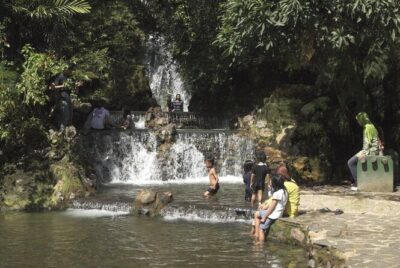
Active Volcano, Rice Field, Hot Spring, Fruit market, Tea Plantation with Lunch
Read our review →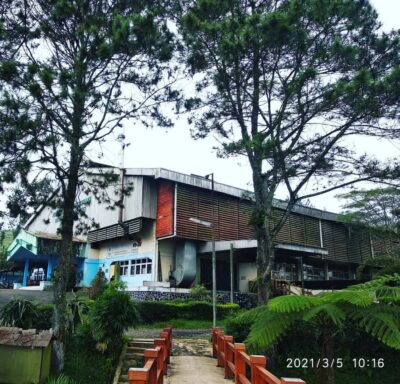
Jakarta: Volcano, Hot Spring, Tea, Rice Fields, &Coffee tour
Read our review →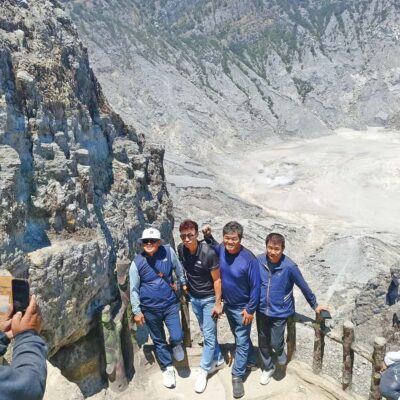
From Jakarta : Volcano, Tea & Rice Fields, Hot Spring
Read our review →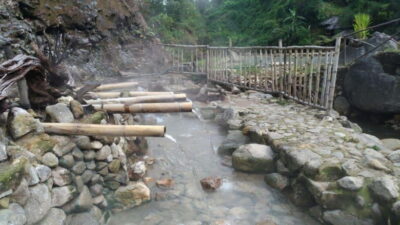
Jakarta: Volcano, Suspension Bridge, and Hot Spring Tour
Read our review →