
REVIEW · JAPAN
Traverse Outer Rim of Hakone Caldera and Enjoy Onsen Hiking Tour
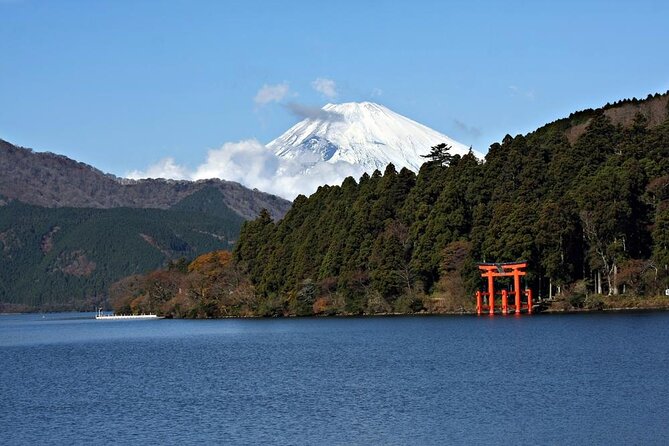
Hakone’s best views often come with a little sweat, and this 8 to 9 km ridge hike gives you a fine reason to leave the sightseeing buses behind. You climb for about 90 minutes, walk the outer rim of the Hakone caldera, then finish with lunch and an onsen near Togendai. I like the honest mix of effort and reward: the trail is demanding, but the route gives you changing views of Miyagino, Sengokuhara, Lake Ashinoko, and, on a clear day, Mt. Fuji.
I especially like the small group of no more than six and the guide’s role in handling the route, timing, and meal choice. I also like the seasonal character of the walk, from spring cherry blossoms and autumn leaves to winter snow underfoot. The drawback is clear: this is not a gentle stroll. Uneven ground, a 500-meter climb, and several hours on foot require strong fitness, and the taxi to the trailhead, lunch, and onsen fee are extra.
Key points to know before you book
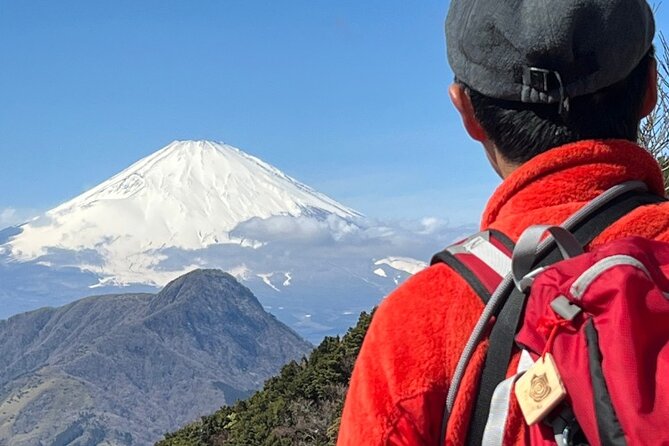
- The 90-minute climb gains 500 meters, making the first section the hardest part of the day.
- Mt. Marudake’s ridge is the main event, with two and a half to three hours of open views across Hakone.
- Mt. Fuji is weather dependent, but Miyagino and Sengokuhara remain good viewpoints when clouds hide the mountain.
- The walk changes with the seasons, offering bamboo, birdsong, spring sakura, autumn color, and possible deep-winter snow.
- Lunch and the onsen come after the hike, so you can finish with local food and a soak rather than rushing back onto a train.
- The price is $158.13 per person, but you must add the taxi, meal, and ¥1,500 onsen admission.
Why this Hakone hike is different from a standard sightseeing day
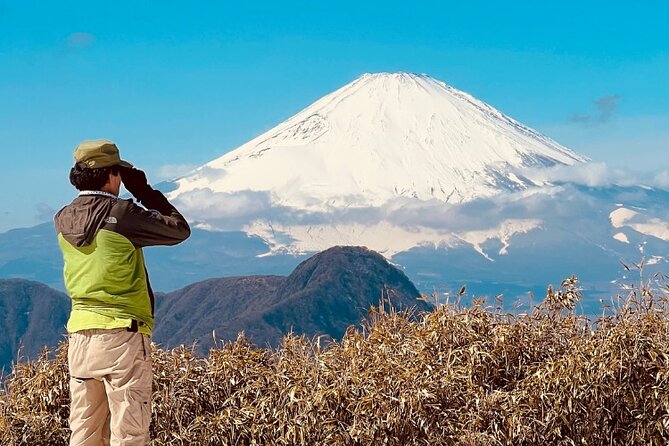
Hakone is famous for hot springs, lake cruises, ropeways, and views of Mt. Fuji. Those are good ways to see the area, but they keep you moving between marked stops. This tour gives you a slower, higher view of the region and lets the mountain set the pace.
You begin at Hakone-Yumoto Station at 8:30 am. From there, the group takes a chartered taxi to the trailhead, which sits at about 700 meters above sea level. That matters in Hakone, where the mountain air can feel cooler than it does around the station. Bring a layer even if the morning at Hakone-Yumoto feels mild.
The route follows the outer rim of the caldera, the broad volcanic formation that gives Hakone its dramatic shape. You are not simply walking from one attraction to another. You are crossing a high ridge and looking down toward different parts of the area as the trail turns.
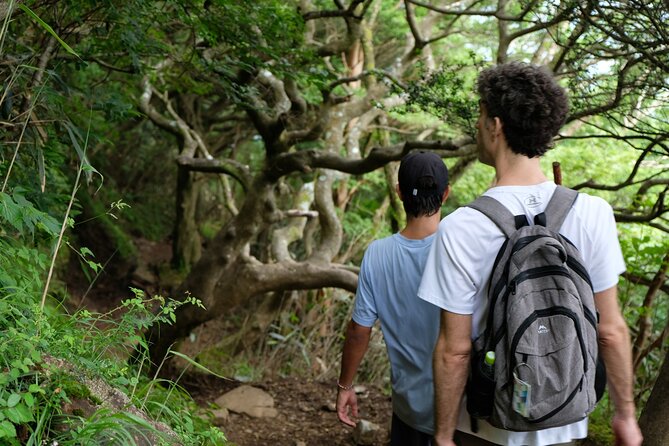
I find this kind of route more satisfying than a short viewpoint stop because you see the scenery change gradually. A patch of bamboo may give way to a wider opening. A view toward Sengokuhara can shift toward Miyagino. The changing outlook gives the hike a proper sense of place.
More Onsen Experiences in Japan:
- From Osaka: Himeji Castle, Arima Onsen & Mt. Rokko Day Tour
★ 4.6 · 339 reviews - From Tokyo: Private Tour to Fuji/Hakone – Onsen, Art, Nature
★ 5.0 · 116 reviews - Mt. Fuji, Hakone Private Tour from Tokyo – Onsen, Arts and Nature
★ 5.0 · 79 reviews
The first 90 minutes: a real climb from Sengokuhara
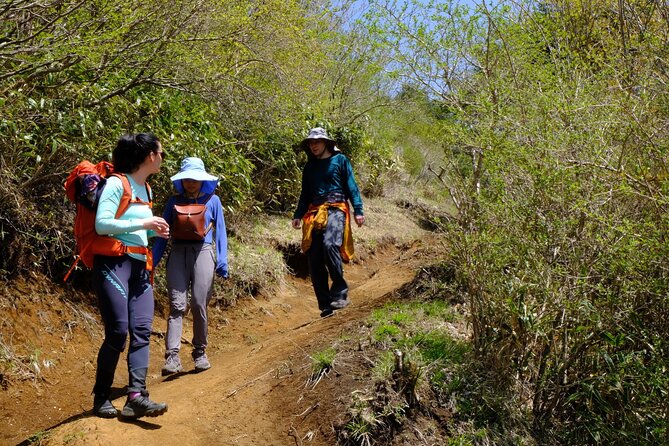
The opening section begins near Sengokuhara and heads uphill toward the caldera rim. The figures tell you what to expect: about 90 minutes of ascent and roughly 500 meters of elevation gain.
That is a serious climb for anyone who does not hike often. You do not need to be an expert mountaineer based on the information provided, but you do need strong physical fitness. The tour specifically warns about uneven terrain, so sturdy shoes and a steady pace are sensible choices.
The guide is useful here for more than navigation. A good pace can make the difference between enjoying the ridge and reaching it already exhausted. The small group size also helps, since a maximum of six people is easier to manage on a sustained uphill section than a large walking party.
The start of the route is also where the cooler mountain temperature becomes noticeable. At around 700 meters, conditions can feel different from the warmer station area. Pack water and clothing that can handle changing temperatures. The tour information does not specify equipment rentals or refreshments, so you should arrive prepared for several hours outdoors.
Mt. Marudake and the long ridge walk
Once you reach the mountaintop, the character of the day changes. The climb is over, and you begin the main ridge walk around Mt. Marudake.
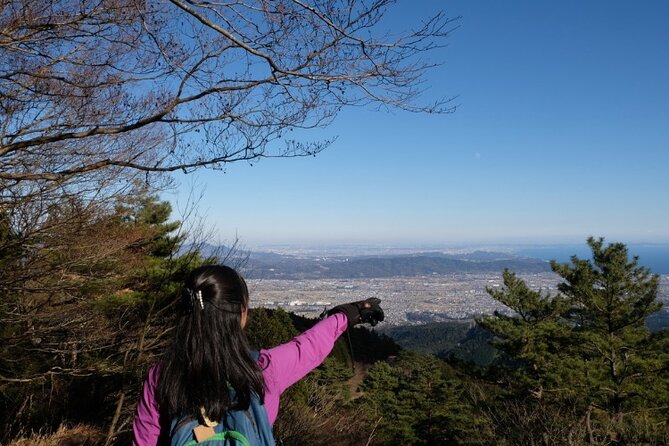
Allow two and a half to three hours for this section, with extra time if you stop often for photographs or snacks. This is the tour’s high point in every sense. You get broad views over Hakone rather than a single framed lookout, and the route gives you time to take them in.
On a clear day, Mt. Fuji may be visible for much of the ridge walk. Fuji is never a sure thing in Hakone, and clouds can cover the summit even when the rest of the day is pleasant. The good news is that the walk does not depend entirely on Fuji. You can still see Miyagino and Sengokuhara when the famous peak disappears.
That makes this a better choice than a tour built around one photograph. You get a full mountain traverse, not a quick attempt to catch Fuji between clouds. Still, if Fuji is your only goal, you should understand that weather controls the result.
The ridge also gives the day its strongest sense of freedom. You are away from the station traffic and moving through bamboo fields, with birdsong as part of the experience. The tour describes cherry blossoms in spring, red leaves in autumn, and powdered snow in deep winter. Those details are not just decoration. They show how different this walk can feel depending on your travel date.
Spring should bring the appeal of sakura. Autumn offers color along the route. Winter may give you a quieter, snow-covered walk, but it also makes cold conditions and footing more important. The tour requires good weather, so poor conditions can lead to a new date or a full refund.
The 30-minute descent toward Lake Ashinoko
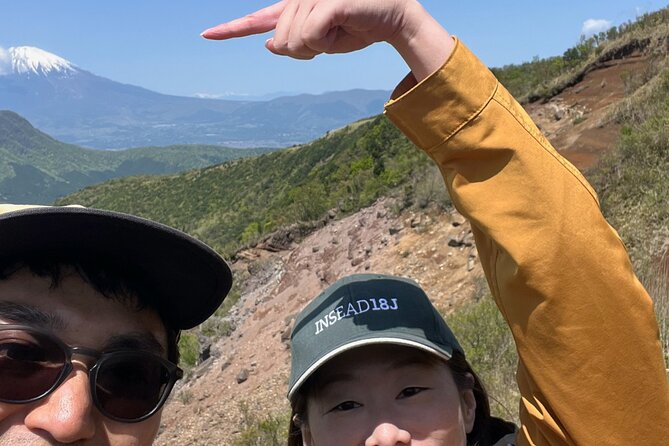
After the ridge, the route turns downhill for about 30 minutes toward the Lake Ashinoko area. Compared with the opening ascent, this is short, but tired legs can make any descent feel longer.
The descent brings you down toward Togendai, a useful transport point at the western end of the lake. It also changes your view again. You have spent hours above the area, and now you gradually return to a lower elevation where lunch and the onsen await.
The tour does not describe technical scrambling or special climbing equipment. Even so, uneven terrain is part of the day, and downhill walking can be hard on knees. I would not choose this outing if you want a casual nature walk or if a long descent is uncomfortable for you.
One practical point: the activity begins at Hakone-Yumoto but ends in a different location. The detailed route places lunch and the onsen near Togendai Station, so plan your onward travel with that change in mind. The provided information does not specify the exact final departure arrangements, so ask the operator if you need a precise end point for a train, bus, or hotel connection.
More Hikes and Treks in Japan:
- Full Day Hiking Tour at Mt.Takao including Hot Spring
★ 5.0 · 52 reviews - Kyoto: Hike and Hot Springs in Kurama
★ 5.0 · 49 reviews - Green Season Half Day Hikes in Sapporo and Hokkaido with Onsen
★ 5.0 · 6 reviews - Mt. Inunaki Trekking and Hot Springs in Izumisano, Osaka
★ 5.0 · 3 reviews
Lunch near Togendai, with room for local choice
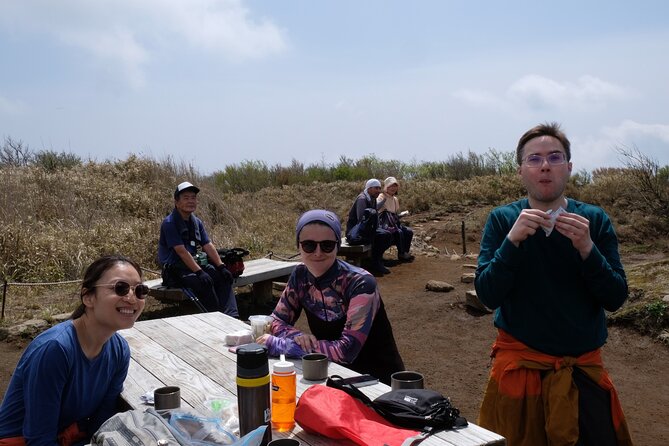
After the hike, you get about an hour for lunch near Togendai Station. Food is not included in the tour price, but the guide can suggest a restaurant based on your preference and what is available.
Choices in the area include soba, udon, Japanese curry, and Western-style meals. That range is useful after a long walk. You might want a bowl of noodles, a hearty curry, or something familiar if you are traveling with a mixed group.
I like that lunch is treated as part of the day rather than a rushed stop at a convenience store. Food helps you recover after the climb, and a local restaurant gives the outing a more grounded finish. Still, you should budget separately for the meal, since the $158.13 price does not cover it.
The one-hour lunch stop also gives you a natural pause before the final onsen visit. If you take many photographs or make frequent snack stops on the ridge, the schedule may feel full. The stated tour duration is about seven to eight hours, so this is a full day rather than a short half-day activity.
The onsen finish: welcome relief after the trail
The final stop is an onsen with indoor and outdoor baths. Admission costs ¥1,500 per person, and the fee is not included.
This is a smart way to finish a hike. Rather than ending at the trailhead with tired muscles and a search for somewhere to sit, you get time to relax in the hot spring baths. The operator describes the onsen as having a healing effect, but you should treat that as a traditional spa benefit, not a medical claim.
The onsen is also the part of the tour that makes it feel distinctly Hakone. Hot springs are central to the area’s identity, and soaking after a mountain walk connects the active and restorative sides of the region.
Remember that onsen bathing follows Japanese customs, and the supplied tour information does not explain its specific facilities or rules. You can ask the guide about the arrangement on the day. The experience can be customized according to preference, which may help if your group has different ideas about how much time to spend relaxing.
What the $158.13 price really covers
At $158.13 per person, this is not the cheapest way to walk in Hakone. The price covers the nationally certified professional guide, route planning, group leadership, and a full day of guided hiking. It does not include the taxi to the trailhead, lunch, or the ¥1,500 onsen fee.
That means your true cost will be higher. The taxi fare is especially important because it is not a minor optional add-on. The group needs it to reach the trailhead, so ask about the expected amount before booking if you are setting a firm budget.
The value depends on what you want from Hakone. If you are comfortable navigating mountain trails alone, you may find the price high. If you want a guide, a planned point-to-point route, a small group, a restaurant suggestion, and an onsen finish, the cost is easier to justify.
The guide also reduces the worry of finding the correct path and handling the change from Hakone-Yumoto to the mountain trail and then to Togendai. One review described the experience as a good way to get home without worrying about navigation. That is a fair description of one of the tour’s strongest practical benefits.
Group discounts are available, though the information provided does not state the discount amount. Since the group maximum is six, this is a more personal outing than a large coach excursion.
Fitness, weather, and what to bring
You should book this only if you have a strong level of fitness. The key challenge is not the total distance alone. It is the combination of a 500-meter ascent, a long ridge walk, uneven ground, and a descent, all within four to five hours of hiking.
I would prepare for:
- Sturdy walking shoes suitable for uneven ground
- Water and snacks for the ridge
- A warm layer for the mountain
- Rain protection if conditions are uncertain
- Extra clothing for changing seasonal temperatures
The route is weather dependent. If poor weather forces cancellation, you are offered another date or a full refund. For a clear Mt. Fuji view, good weather is essential, but even a cloudy day can still provide views toward Miyagino and Sengokuhara.
The tour is available across seasons, and each one has a different appeal. Spring brings sakura, autumn brings red leaves, and deep winter may bring snow. Those conditions can also affect comfort and footing, so match your booking date to your own hiking experience.
Who should book this Hakone outing
This tour suits active adults, fit couples, and families with older children who are used to long walks and uneven paths. The small group is a good fit if you prefer direct contact with a guide and do not want to spend the day following a large crowd.
It is also useful for people who want to combine three parts of Hakone in one day: a mountain route, local food, and an onsen. You get more than a viewpoint, but you must be willing to work for it.
I would not recommend it for anyone seeking a relaxed sightseeing day, anyone with limited mobility, or anyone uncomfortable with a sustained climb. The tour description clearly calls for strong physical fitness, and you should take that warning seriously.
Should you book the Outer Rim of Hakone Caldera hike?
Book it if you want Hakone from above, enjoy a proper mountain walk, and like the idea of ending with noodles and a hot spring rather than another crowded attraction. The Mt. Marudake ridge views, small group, and guide-led navigation give the day real value.
Skip it if you mainly want a guaranteed Mt. Fuji photograph, an easy walk, or a tightly controlled budget. Fuji can hide behind clouds, and the taxi, lunch, and onsen fee add to the advertised price.
For fit visitors who want an active and distinctly Hakone day, this is one of the better combinations available: a demanding climb, a scenic ridge, a local meal, and a soak that gives your legs a fair chance to forgive you.
FAQ
How long does the tour last?
The full experience lasts about seven to eight hours. The hiking portion takes about four to five hours and covers approximately 8 to 9 km.
Where does the tour begin?
The meeting point is Hakone-Yumoto Station, with an 8:30 am start time.
Where does the hike start?
A chartered taxi takes the group from the meeting area to the trailhead. The trailhead is around 700 meters above sea level.
How difficult is the hike?
You need a strong level of physical fitness. The first ascent takes about 90 minutes and gains approximately 500 meters, followed by a two and a half to three-hour ridge walk and a 30-minute descent.
Will I see Mt. Fuji?
You can see Mt. Fuji for much of the ridge walk when the weather is good. Clouds may hide it, but the route still provides views toward Miyagino and Sengokuhara.
Is lunch included?
No. Lunch is not included. Near Togendai, you can choose among soba, udon, Japanese curry, and Western-style restaurants, with guidance based on preference and availability.
Is the onsen fee included?
No. The onsen costs ¥1,500 per person. The bath area includes indoor and outdoor baths.
Is transportation included?
Transportation to the trailhead is not included in the tour price. The group travels there by chartered taxi.
What happens if the weather is poor?
The experience requires good weather. If it is canceled because of poor conditions, you can choose another date or receive a full refund. You can cancel for a full refund up to 24 hours before the start time.
Just added around Japan
- [Japan Wellness] Zen Meditation and Temple Tour in Matsushima★ 5.0 · 9 reviews
- Sapporo Private Sightseeing Tour in Onsen with Special Package★ 5.0 · 8 reviews
- Mountain Bike Tour from Sapporo Including Hoheikyo Onsen and Lunch★ 4.5 · 35 reviews
- Full Day Green Season Hiking in Sapporo and Hokkaido with onsen.★ 5.0 · 2 reviews
- Snowshoeing and Onsen Adventures in a Winter Wonderland -Sapporo.★ 5.0 · 30 reviews
- Green Season Half Day Hikes in Sapporo and Hokkaido with Onsen★ 5.0 · 6 reviews
- Wellness in Saitama: Takedera Blowing Zen Meditation & Hot Spring★ 5.0 · 2 reviews
- Solaniwa Onsen: Osaka Bay Tower★ 5.0 · 4 reviews
More spa days in Japan.
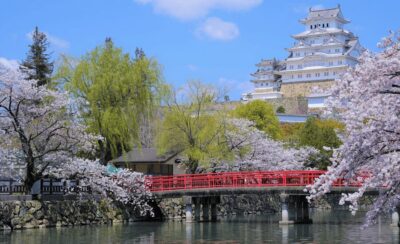
Himeji Castle, Arima Onsen & Mt. Rokko Day Tour
Read our review →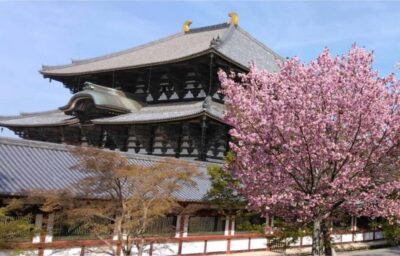
Nara and Uji Day Trip with Deer Park and Hot Spring
Read our review →
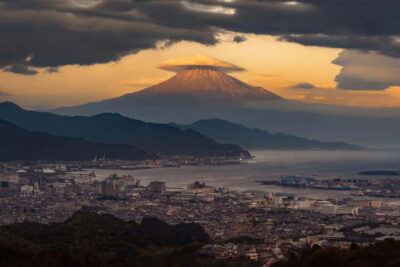
Private Tour to Fuji/Hakone – Onsen, Art, Nature
Read our review →
Mt. Fuji, Hakone Private Tour from Tokyo – Onsen, Arts and Nature
Read our review →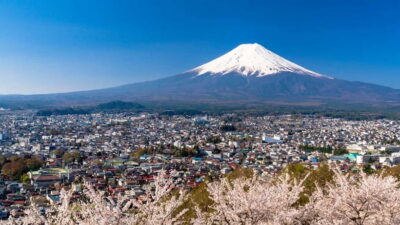
From Fukuoka: Mount Aso, Kurokawa Onsen, and Shrine Tour
Read our review →
Private Nagano 1-Day Tour:Snow Monkeys,Zenko-ji,Obuse,Sake,Onsen
Read our review →Other lists this one is on