REVIEW · JAKARTA
Jakarta: Volcano, Tea/Rice Fields, Hot Spring, Local Food
Tangkuban Parahu is the star here: an active volcano where you can smell sulfur, watch bubbles and smoke rise, and sometimes hear the crater rumble. I like the tour’s wide mix of West Java experiences, especially the rice fields, tea plantation, tropical fruit, and local food. The main drawback is the long day, with up to six hours on the road between Jakarta and the mountains.
I also like the small-group format, limited to 10 people, and the way a good guide such as Rizky, Bryan, Nanda, Vincent, or Isabella can turn ordinary stops into useful cultural lessons. The coffee stop may feel commercial, and the hot springs are not always deep enough for a full soak, so set your expectations accordingly.
Key points to know before you book
- The volcano is the main event: See smoke, sulfur, bubbling mud, and possibly hear the crater rumble.
- Expect a 14-hour day: Pickup begins around 7:00 to 7:25 AM, with arrival back in Jakarta around 7:00 to 8:00 PM.
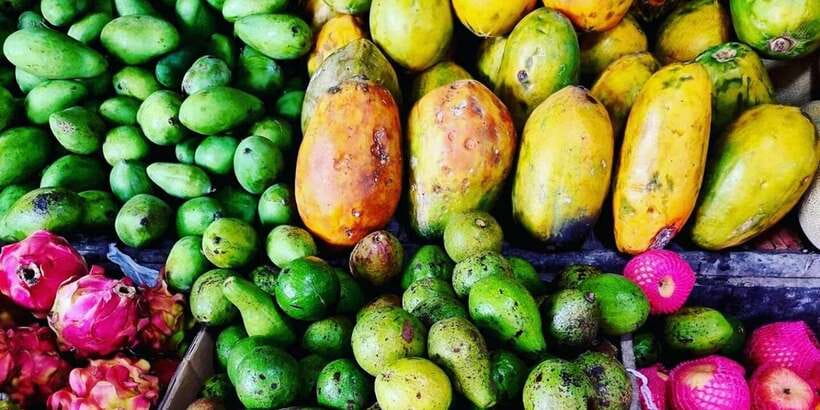
- The food trail is varied: Taste honey pineapple, snake fruit, mangosteen, local coffee, and lunch at a restaurant in Lembang.
- The scenery keeps changing: Rice fields, village roads, tea plants, rainforest, and mountain views fill the route.
- The hot spring is a gentle finale: Some pools are shallow, but a soak and foot massage can feel good after a long day.
- This suits active visitors: You need comfortable walking shoes and should be able to manage uneven ground and a full day out.
Why this makes sense as a day trip from Jakarta
Jakarta itself is enormous, crowded, and mostly urban. This trip takes you far beyond the capital into the cooler highlands around Subang, Bandung, Lembang, and Ciater. You get a quick look at how food is grown, processed, sold, and eaten in West Java, all in one packed day.
At $114 per person, the price is not low by Indonesian standards. It includes hotel pickup and drop-off in the Jakarta area, an air-conditioned vehicle, an English-speaking guide, bottled water, lunch, fruit tasting, entrance fees, parking, tolls, the volcano, and the hot springs. Once you add a private car, fuel, mountain roads, admissions, and a guide, the price becomes easier to justify.
The tradeoff is time. You leave Jakarta early and return after dark, and traffic can stretch the journey. Do not schedule a flight, train, or important appointment that evening. On weekends, the return can run later than 8:00 PM.
The group is capped at 10 people. That gives you a better chance to ask questions or request a short pause than you would on a large coach tour. Guides are also used to helping with photos, food choices, and practical needs. One guide, Rizky, was especially praised for allowing time to explore and helping a plant-based guest arrange suitable food.
More Hot Springs in Indonesia
- Bali: Mount Batur Sunrise Guided Hike and Natural Hot Spring
★ 4.8 · 9,284 reviews - Mount Batur Sunrise Hike and Natural Hot Spring Option
★ 5.0 · 1,927 reviews - Active Volcano, Rice Field, Hot Spring, Fruit market, Tea Plantation with Lunch
★ 5.0 · 513 reviews
The road to Subang and the first fruit stop
Pickup begins between 7:00 and 7:25 AM. Your guide contacts you about 10 minutes before reaching the hotel and waits outside the lobby, but only for 10 minutes after the agreed time. Be ready early.
The drive toward Subang and Bandung takes about two and a half to three hours. Jakarta traffic can be slow, and the mountain roads become curvy as you climb. The drivers are a major part of the experience. Names such as Dede, Toto, Tito, Andre, Bobo, and Mr. Ruslan appear often in the tour team, and good mountain driving matters if you suffer from motion sickness.
The first stop is a short visit around Subang, with roughly 30 minutes for a walk and views. This is not a major attraction with a long formal visit. Instead, it gives you a first look at the countryside and a chance to stretch your legs after the drive.
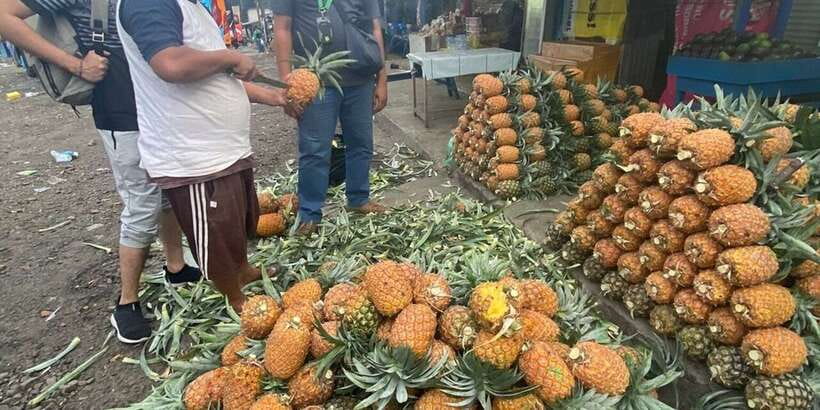
The fruit tasting is one of the most enjoyable small details. Your guide introduces local produce, including honey pineapple, mangosteen, and snake fruit. Honey pineapple is particularly sweet, while snake fruit has a scaly skin and a firm, distinctive texture. Take care when peeling it because the skin can be sharp.
This stop works well because it is simple and local. You are not just looking at farms from a vehicle. You get to taste what grows in the region, with your guide explaining what you are eating.
Rice fields and the work behind your lunch
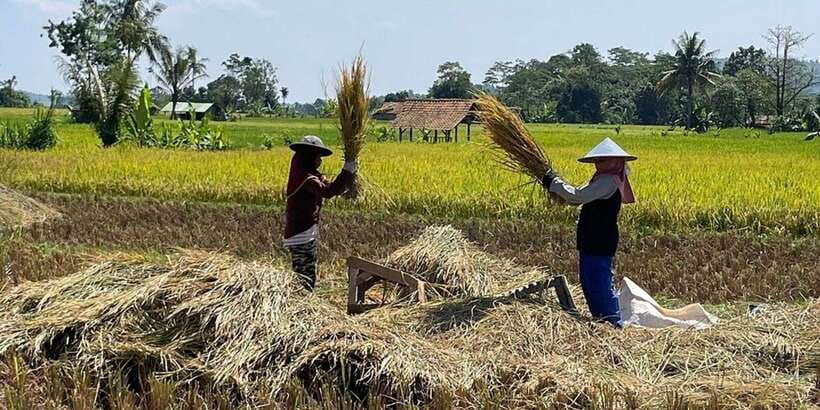
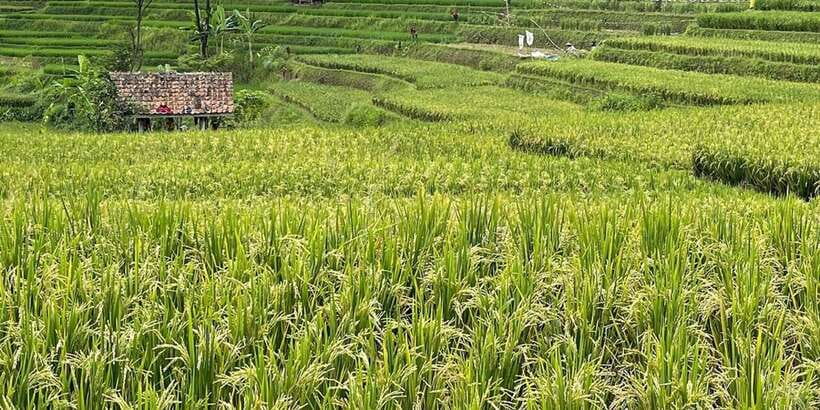
The rice-field stop is brief, usually around 30 minutes, but it gives you a useful view of rural life. You can walk near the fields, take photographs, and watch farmers at work when conditions allow.
Keep your expectations realistic. This is not a long farm visit or a formal agricultural lesson. It may be a short stop at a particularly pretty stretch of fields rather than a single designated attraction. That can feel less polished, but it also keeps the experience closer to daily life.
I like this part because it adds context to the meal later in the day. Rice is not just something that arrives in a bowl. You see the planted fields and the people working them, often under conditions that make the task look far harder than it does from a restaurant table.
Wear shoes that can handle damp or uneven ground. Comfortable clothing is useful too, especially if rain arrives in the hills. A few people have enjoyed rainy conditions, but poor weather can reduce views around the volcano and fields.
Tangkuban Parahu, the unforgettable stop
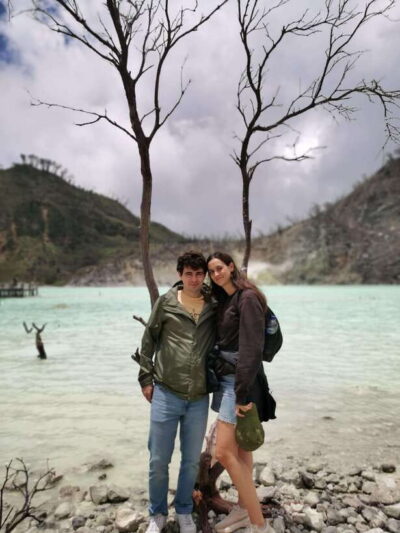
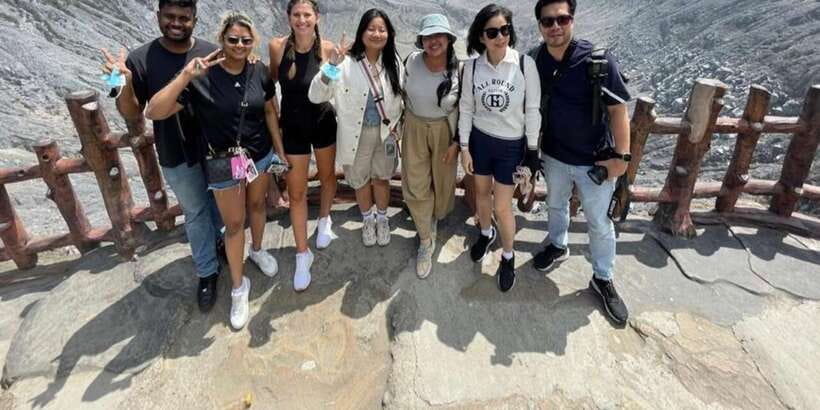
Tangkuban Parahu is the reason to choose this tour over a standard Bandung sightseeing trip. The volcano rises within a rainforest area, and the main stop gives you time to walk, take photographs, and look into an active crater.
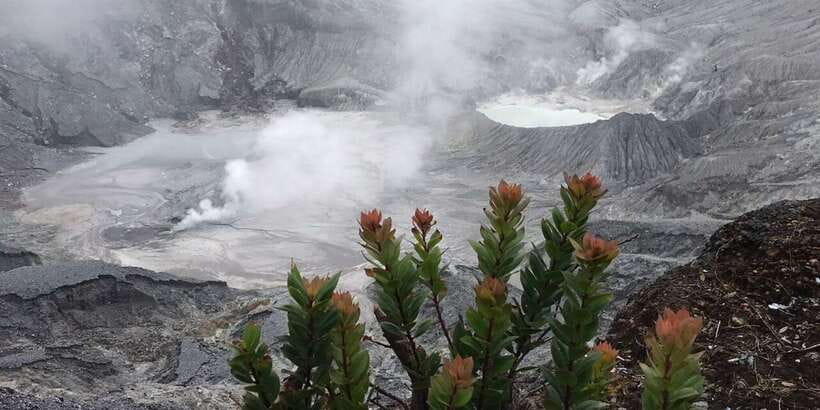
You can expect sulfur in the air, smoke, bubbling mud, and occasional rumbling. The crater may show small bursts or bubbles rather than dramatic lava fountains. That is still an impressive sight because the activity is close enough to make the ground feel alive.
The volcano visit lasts about an hour and a half, including the approach, walking, photography, and free time. Guides explain the volcano’s history and point out what you are seeing. On a clear day, the views can be excellent. In rain or cloud, visibility may be poor, so the experience depends partly on mountain weather.
There are sellers near the volcano. You may want to browse local handmade items, but you will need to be firm if you do not wish to buy. Bring some cash if you like small souvenirs, since the mountain stop may offer items that are not easy to find in Jakarta.
The surrounding rainforest can also offer glimpses of wild monkeys. Do not treat them as tame animals or feed them. The important point is that this is a real volcanic setting, not a staged photo attraction.
The walking is manageable for many active visitors, but this tour is not suitable for people with mobility impairments or wheelchair users. It is also not recommended for people over 70, and the activity specifically excludes those over 80.
More Volcano Spa Day Trips in Indonesia:
- Mt Batur Sunrise, Breakfast & Natural Hot Springs
★ 5.0 · 458 reviews - Private Tour Mount Batur Sunrise Trekking and Natural Hot Spring
★ 5.0 · 431 reviews - Bandung: White Crater Hotspring Tea Plans And Lunch Included
★ 4.9 · 419 reviews - Bali: Shared Mount Batur Sunrise Jeep Tour with Hot Springs
★ 4.8 · 385 reviews
Lunch in Lembang and a taste of West Java
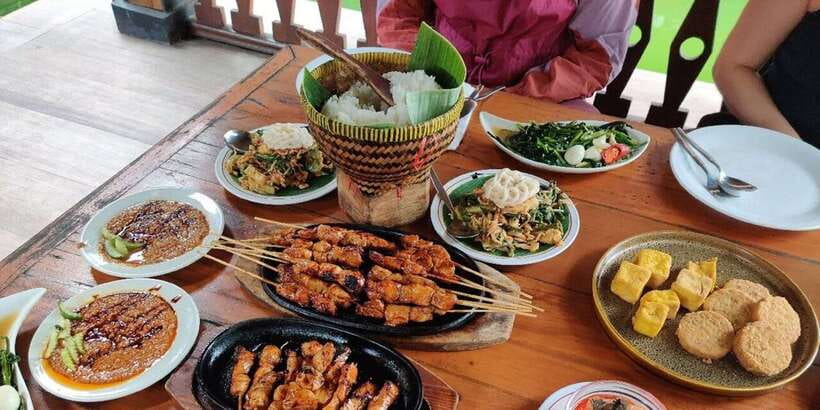
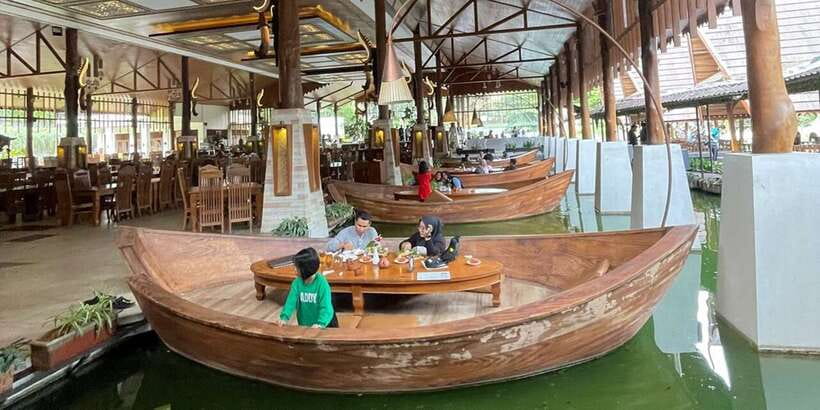
Lunch takes about an hour at a local restaurant in the Lembang area. The meal is included, and several people have found it tasty and satisfying. The restaurant is described as clean, with quick service, though it can become busy.
The food is one of the places where expectations should stay flexible. One meal was described as mostly fried food, with kangkung providing the strongest flavor. That does not mean every lunch will be identical, but it does mean you should not book this as a gourmet food tour.
Still, lunch gives you a useful pause between outdoor stops. You can sit down, eat local dishes, and ask your guide about ingredients and customs. If you have dietary needs, tell the guide early. The tour team has accommodated plant-based meals.
The combination of simple local food and regional scenery is more valuable than a polished restaurant setting. You are eating as part of a day in the countryside, not attending a formal tasting menu.
Kopi Luwak Cikole and the ethical question
The coffee stop takes about an hour and includes a guided explanation of coffee plants, beans, processing, types, and claimed benefits. Kopi luwak is one of Indonesia’s best-known coffee products, so this stop helps explain why it attracts so much attention.
You can see coffee plants and learn how the beans are handled. Some people consider the coffee excellent, and one visitor called it spectacular. For coffee drinkers, this is a chance to connect the drink in your cup with the plant and production process.
This is also the most uncomfortable stop for some visitors. The setting can feel commercial, and concerns have been raised about civets kept in small cages. If animal welfare matters to you, look carefully at how the animals are housed and decide how much you wish to participate.
That concern should not be brushed aside. You can enjoy learning about Indonesian coffee while still questioning captive-animal displays and the ethics of the product. The coffee may also be prepared from a packet, which can disappoint anyone expecting a careful barista-style tasting.
Tea plants, village roads, and mountain views
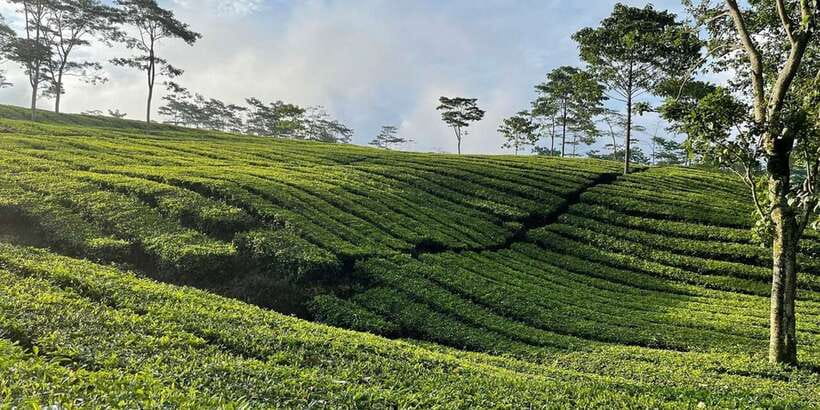
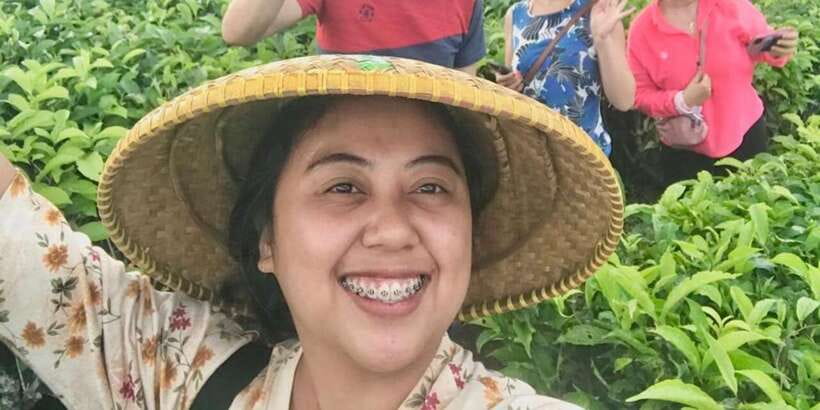
After lunch and coffee, the route continues to a tea plantation in the Ciater Cagak area. You have around 30 minutes for photographs, a walk, and views.
The tea stop is short, but it introduces another important crop in the highlands. Your guide explains the history of tea, how it is grown, the main types, and how leaves are harvested. The setting also gives you a chance to take photographs among rows of tea plants.
As with the rice fields, this is not a long plantation tour with extensive walking. Think of it as a scenic stop with a short explanation. The value comes from seeing several stages of rural production in one day: rice, fruit, coffee, and tea.
The roads between these places are part of the experience. You pass villages and cultivated land, then return to the vehicle for stretches of winding mountain travel. A skilled driver makes a real difference here, especially in heavy rain or traffic.
Sari Ater hot springs and the final reset
The last major stop is Sari Ater Hot Springs in Ciater, with about an hour for free time and swimming. The water is warm and sulfur-infused, and the pools are known for their supposed healing qualities.
I would treat the springs as a pleasant rest rather than a grand spa visit. Some pools may only reach calf height, making them better for soaking your feet than for swimming. Others offer warmer water, but the exact experience can vary.
A local body massage or foot massage is also part of the appeal. After a long drive, walking around the volcano, and several short stops, even a simple massage can help you relax before the ride back.
Bring a towel and a change of clothes. You should also wear comfortable clothing and shoes that are easy to remove. The hot spring is not the tour’s strongest sightseeing stop, but it is well placed at the end of the day. The volcano gives you excitement; the water gives you a chance to slow down.
Guides, drivers, and the small-group feel
The guide can make or break a day with this much driving. The strongest guides explain local history, plants, food, and customs while keeping the mood light. Bryan, Rizky, Nanda, Vincent, Isabella, Mitchell, Valentine, and Tio are among the guides praised for clear English, humor, patience, and help with photographs.
You should expect the guide to stay with the group, explain each stop, and help manage the timetable. Guides have also helped guests find suitable food, make prayer stops, and take breaks when needed.
The driver’s job is just as important. The route combines Jakarta traffic, narrow mountain roads, rain, and a long return journey. A clean, cool vehicle and calm driving can make the difference between an enjoyable day and a tiring one.
The small group helps here. With no more than 10 people, the vehicle feels more personal than a full-size bus, though you still need to accept the pace and preferences of the group.
What to bring and who should book
Bring comfortable walking shoes, comfortable clothes, a towel, a change of clothes, and bottled water if you prefer more than the included supply. A light rain layer is sensible because the mountains can be wet, although the supplied details do not promise specific weather conditions.
This is a good fit for you if you want to see several sides of West Java without arranging separate transport. It suits first-time visitors to the region, solo visitors who like a social small group, food-curious travelers, coffee drinkers, and anyone who wants to see a volcano without a multi-day trek.
It is less suitable if you dislike long drives, want a slow morning, expect deep swimming pools, or prefer a carefully designed food tour. It is also a poor match for anyone with limited mobility.
Free cancellation is available up to 24 hours before departure, and you can reserve now and pay later. Pets, alcohol, and drugs are not allowed.
Should you book this Jakarta volcano tour?
Book it if you want maximum variety in one long day. The volcano is the clear highlight, but the fruit tasting, rice fields, tea, coffee, lunch, and hot spring make the trip feel like a compact introduction to West Java rather than a single-site excursion.
Skip it if you need a relaxed schedule or if the ethical concerns around the kopi luwak stop would spoil the day for you. Also think twice if the possibility of a late return would create problems.
For most active visitors with one free day in Jakarta, the value is strong. You get transport, a guide, meals, admissions, countryside views, and a genuine chance to see how the region’s food and crops connect to everyday life. Just plan for a very full day, wear sensible shoes, and save your flight for the following morning.
FAQ
How long does the tour take?
The advertised duration is 14 hours. Pickup begins around 7:00 to 7:25 AM, and you normally return to Jakarta between 7:00 and 8:00 PM, with possible delays on weekends.
Is hotel pickup included?
Yes. Hotel pickup and drop-off are included for hotels in the Jakarta area. The guide contacts you about 10 minutes before reaching your hotel and waits outside the lobby.
What language does the guide speak?
The live guide language is English. Guides named Rizky, Bryan, Nanda, Vincent, Isabella, Mitchell, Valentine, and Tio have led this experience.
Is lunch included?
Yes. Lunch at a local restaurant is included, along with fresh local fruit tasting and bottled water.
What fruit will I taste?
The tour includes local fruit such as honey pineapple, mangosteen, and snake fruit. Honey pineapple is a particular feature of the experience.
Are entrance fees included?
Yes. The volcano entrance fee, hot spring tickets, and other stated entrance fees are included, along with tolls and parking.
Should I bring swimwear or a towel?
Bring a towel and a change of clothes. The tour includes time at the hot springs, so clothing suitable for getting wet is practical.
Is the tour suitable for wheelchair users?
No. The activity is not suitable for wheelchair users or people with mobility impairments. It is also not recommended for people over 70 and is not suitable for people over 80.
More Food Tours in Indonesia
- From Albania: Permet /Thermal Baths with Bunker Food Tasting
★ 5.0 · 19 reviews - Hanoi: Michelin Guide Street Food Tour with Spa Experience
★ 4.7 · 9 reviews - Morning food tour: 11 dishes, white rose making and foot massage
★ 5.0 · 7 reviews - Hoi An: Food tour, Boat Trip and Foot Massage by night
★ 5.0 · 4 reviews
More Food and Drink Tours in Indonesia
- Prague: Bernard Beer Spa with Beer and Massage Option
★ 4.8 · 4,164 reviews - ZAKOPANE & THERMAL SPRINGS, Funicular, Cheese Tasting
★ 5.0 · 459 reviews - Prague: Beer Spa Bernard with Beer and Massage Option
★ 4.6 · 447 reviews - Budapest BeerSpa with Unlimited Beer and Optional Széchenyi Bath
★ 4.5 · 416 reviews
Just added around Indonesia
- Jakarta: Waterfalls, Volcano, White Crater, Tea, Hot Spring★ 4.5 · 3 reviews
- Jakarta: Volcano or Suspension Bridge,Ricefield & Hot Spring★ 5.0 · 5 reviews
- Jakarta: Volcano, Suspension Bridge, and Hot Spring Tour★ 4.8 · 15 reviews
- Hot Stone Massage: Mobile Massage at your Hotel in Bali★ 5.0 · 2 reviews
- Gili Trawangan: Beach Massage with Sunset and Cocktail★ 4.0 · 9 reviews
- From Singapore, Batam Heritage Day Tour with Lunch & Massage★ 4.9 · 10 reviews
- From Medan: Mount Sibayak Sunrise Hike & Natural Hot Spring★ 4.8 · 31 reviews
- From Jakarta : Volcano, Tea & Rice Fields, Hot Spring★ 4.9 · 17 reviews
More spa days in Jakarta.
Active Volcano, Rice Field, Hot Spring, Fruit market, Tea Plantation with Lunch
Read our review →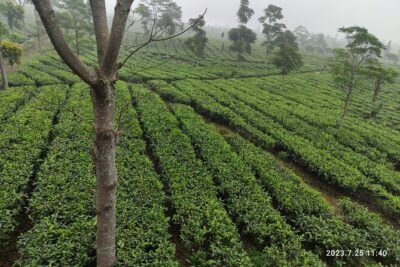
Volcano, Hot Spring, Tea Factory, rice fields and Coffee Tour
Read our review →
Jakarta: Volcano, Hot Spring, Tea, Rice Fields, &Coffee tour
Read our review →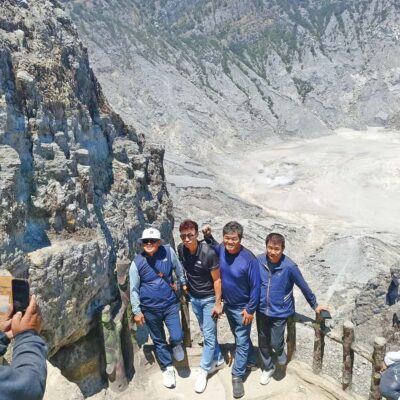
From Jakarta : Volcano, Tea & Rice Fields, Hot Spring
Read our review →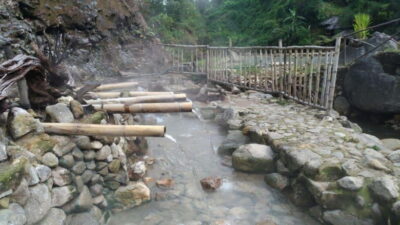
Jakarta: Volcano, Suspension Bridge, and Hot Spring Tour
Read our review →