REVIEW · JAKARTA
Jakarta: Volcano, Hot Spring, Tea, Rice Fields, &Coffee tour
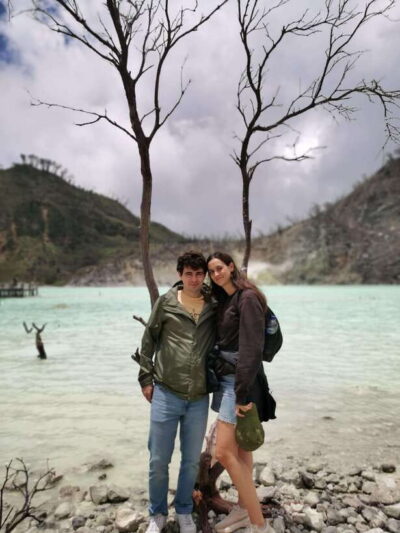
Tangkuban Perahu gives this long day its spark: you walk beside an active crater, smell sulfur, and watch fumes rise from the earth. The tour then links several very different West Java experiences, from tea production and rice farming to Luwak coffee and a hot spring.
I like the private format, since your guide can adjust the order when rain or mist blocks a view. I also like the mix of scenery and working places, especially the government tea factory and rice fields. The drawback is the road time: this is a 12-hour day, with roughly three hours spent traveling to Bandung and back.
Key points to know
- Active volcano access: Walk around the main crater of Tangkuban Perahu for about 80 minutes, with sulfur smells and rising fumes.
- Private transport: Hotel pickup and drop-off inside Jakarta, a private car, tolls, parking, and mineral water are included.
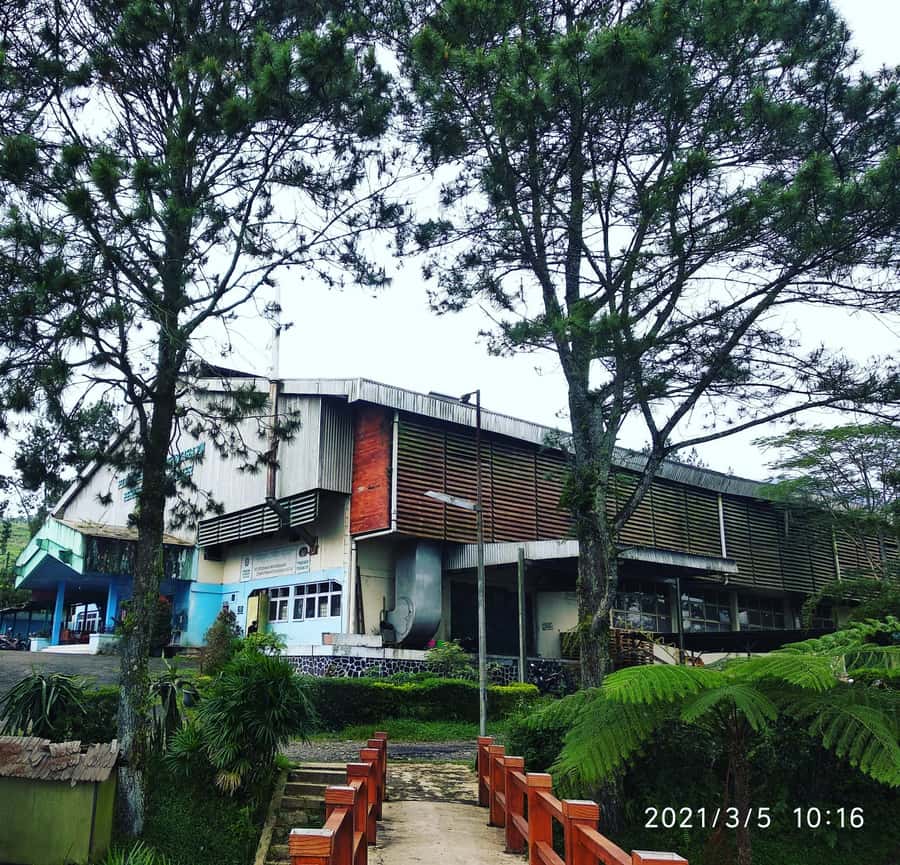
- Tea from leaf to packet: At Kebun Teh Ciater, a local guide explains black tea processing, followed by plantation views and unlimited tea.
- A proper taste of West Java: Sample local pineapples, see rice fields and rubber plantations, and visit village areas along the route.
- Luwak coffee costs extra: The coffee tasting stop is included, but the Luwak coffee drink itself is not.
- A gentle finish: At Sari Ater Hot Spring, you can soak your feet or swim in warm sulfur-rich water for about 40 minutes.
The long road from Jakarta to West Java
Your day begins with pickup at your Jakarta hotel or apartment entrance. Cruise passengers can meet the guide at the arrival gate of Tanjung Priok passenger terminal, where the guide will hold a sign with your name.
This is a private tour, not a shared bus outing. That matters on a 12-hour route. You have your own car, guide, and driver, so the day feels more personal and you are not waiting for a large group at every stop.
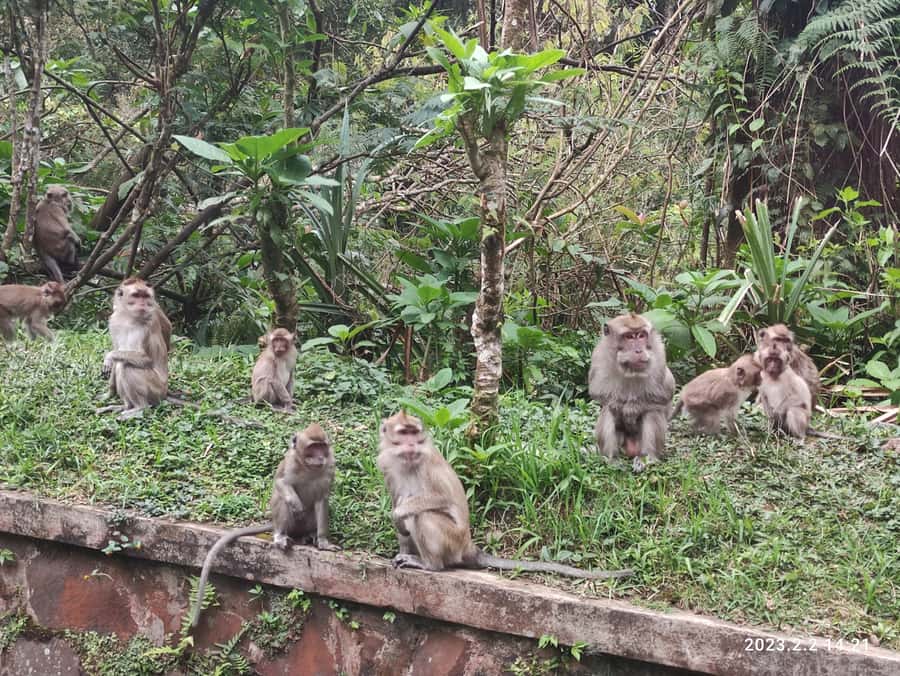
The route heads toward Subang and Bandung through changing countryside. You pass rice fields, rubber plantations, tea plantations, and villages in the higher country. The scenery is part of the experience, but keep your expectations sensible: this is a road-based day trip, not a quiet walking tour through rural Java.
The supplied schedule allows about three hours of travel to Bandung and back. Traffic can affect the rhythm, and the day may feel tiring by the return to Jakarta. Still, the range of stops makes good use of the distance. Instead of spending the entire day at one attraction, you get a broad introduction to the food, farming, and mountain areas outside the capital.
More Hot Springs in Indonesia
- Bali: Mount Batur Sunrise Guided Hike and Natural Hot Spring
★ 4.8 · 9,284 reviews - Mount Batur Sunrise Hike and Natural Hot Spring Option
★ 5.0 · 1,927 reviews - Jakarta: Volcano, Tea/Rice Fields, Hot Spring, Local Food
★ 4.9 · 515 reviews
Pineapples, rice fields, and everyday farming
One of the first stops is a pineapple plantation, where you taste fresh West Java pineapples. This is a small stop, but it gives the trip a local food angle before the larger sights begin.
The fruit tasting is included, along with mineral water. You do not need to budget extra for it. The focus is not a formal farm lesson, but a chance to try local produce and see how the countryside changes as you leave Jakarta.
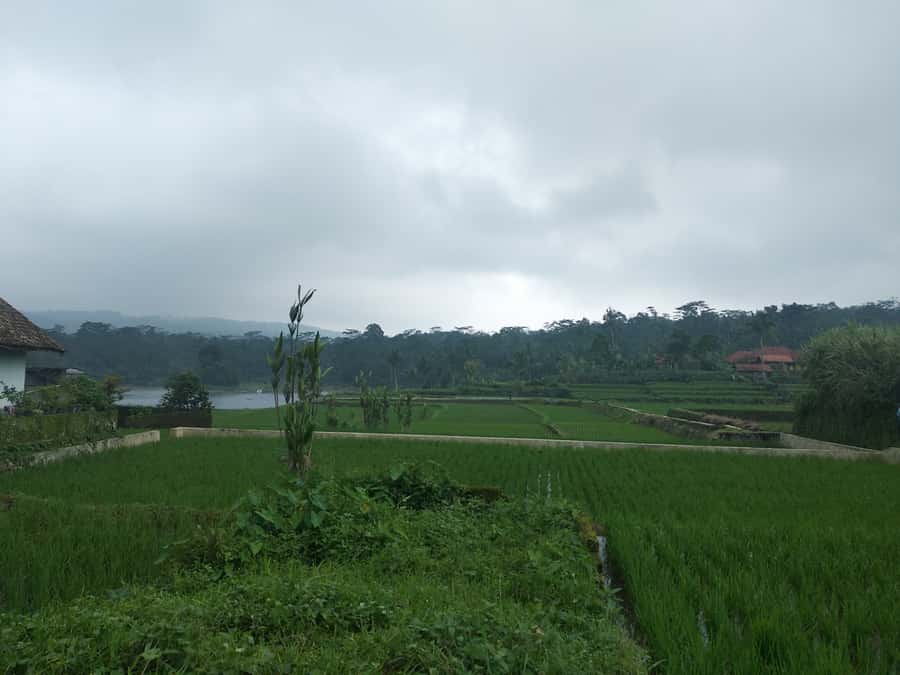
The rice-field stop brings you closer to local farmers and their daily work. You can look across the fields, observe cultivation, and get a clearer sense of how much of the area depends on agriculture. This is one of the more grounded parts of the day because it moves beyond famous attractions and shows the ordinary setting around them.
The tour also passes rubber plantations and local villages. These views help connect the later tea visit with the wider farming economy of West Java. You will not spend hours at each farm, so think of this section as a series of short, useful glimpses rather than a full agricultural study.
Tangkuban Perahu and its sulfur crater
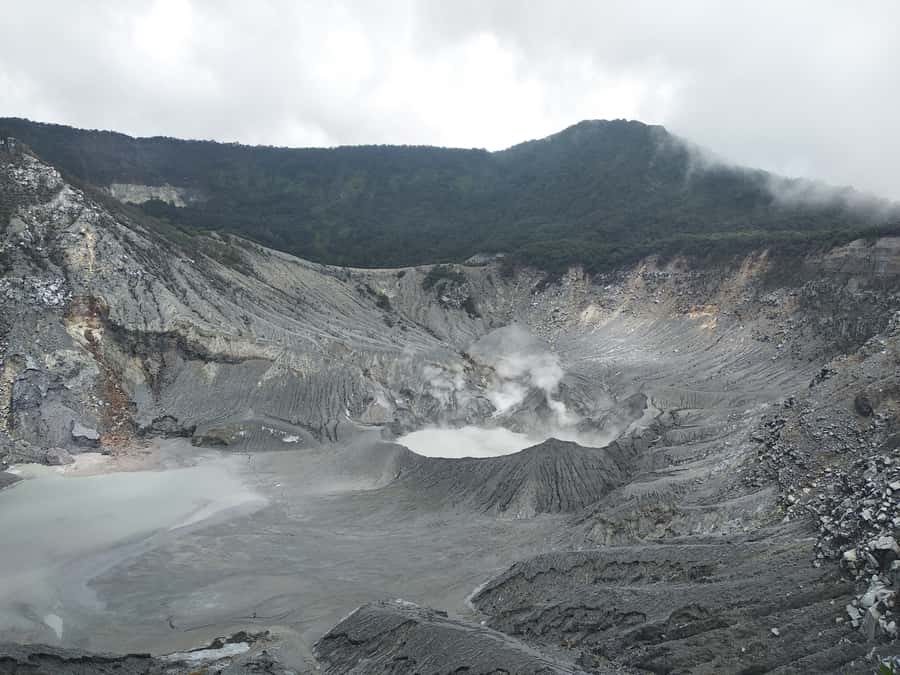
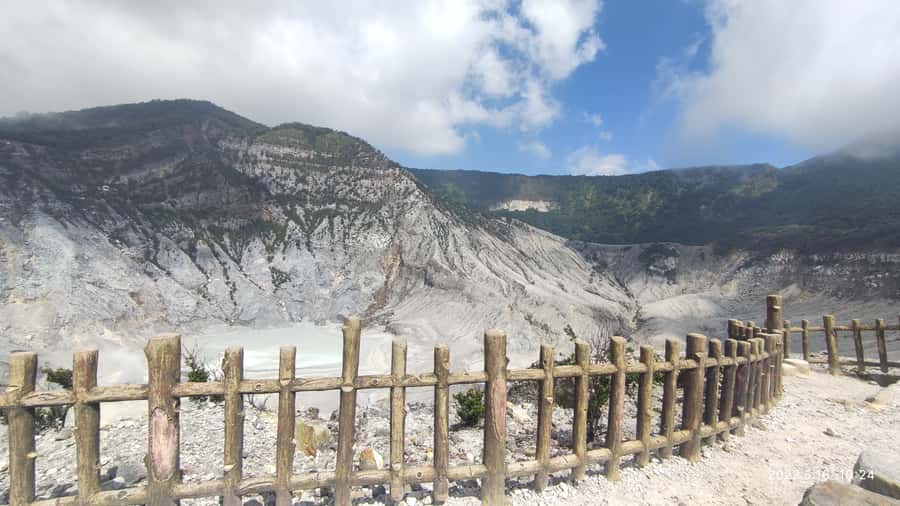
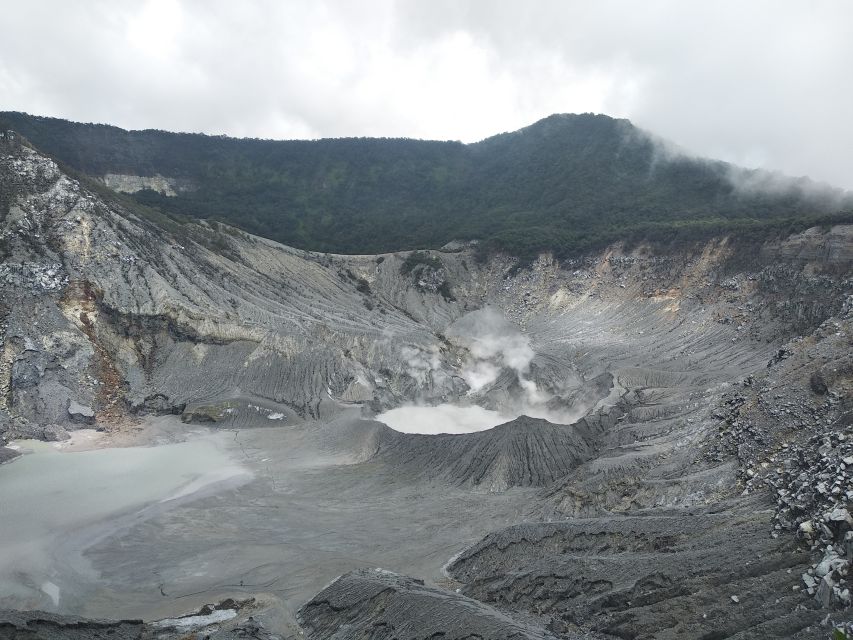
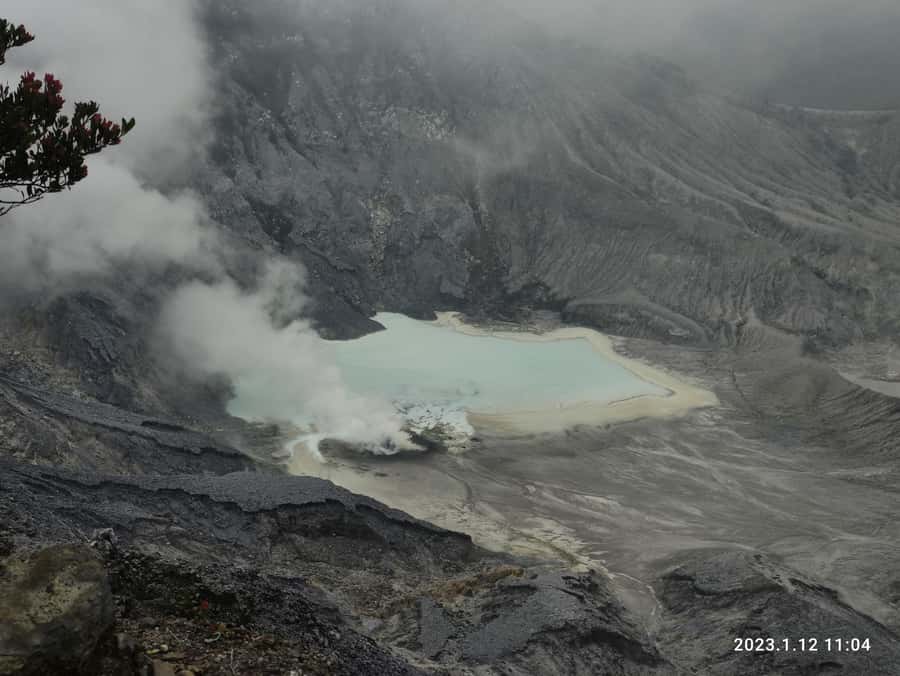
Tangkuban Perahu is the main event. The volcano is active, and the tour includes entry to the site plus about 80 minutes of walking and sightseeing around the main crater.
You can expect sulfur in the air, fumes rising from the crater, and a walking route that requires comfortable shoes. The visit is not suitable for people with respiratory issues or altitude sickness, and the trip is not designed for wheelchair users.
Weather can change the experience quickly. Mist may hide the crater, and rain can make the walking less comfortable. A flexible guide helps here. Ms Neti, one of the guides associated with this tour, is known for explaining local history and culture and for adjusting the timing when weather blocks the view. On a misty day, a coffee stop can fill the gap before returning to the volcano when conditions improve.
That flexibility is valuable because Tangkuban Perahu is not a sight you can simply replace with a photograph. If the crater is hidden during your first look, waiting or returning later may make the difference between a foggy visit and a clear one.
Bring a jacket even if Jakarta feels hot. The higher setting can feel cooler, and the tour specifically recommends comfortable clothes, sturdy or comfortable shoes, and a camera. Cash is also useful for purchases not covered by the tour.
Lunch in Lembang, with costs to watch
The schedule allows about 70 minutes for lunch at an Indonesian restaurant in Lembang. Lunch is not included, so you should plan to pay for your own meal.
This arrangement keeps the tour price lower and gives you a chance to choose what you want, but it means the final cost will be higher than the advertised rate. The provided information does not name the restaurant or set a meal price, so bring cash and ask your guide about the available choices.
The meal break also provides a sensible pause between the volcano and the afternoon visits. After an early pickup and a long drive, you will appreciate having time to sit down rather than eating hurriedly beside the road.
More Volcano Spa Day Trips in Indonesia:
- Active Volcano, Rice Field, Hot Spring, Fruit market, Tea Plantation with Lunch
★ 5.0 · 513 reviews - Mt Batur Sunrise, Breakfast & Natural Hot Springs
★ 5.0 · 458 reviews - Private Tour Mount Batur Sunrise Trekking and Natural Hot Spring
★ 5.0 · 431 reviews - Bandung: White Crater Hotspring Tea Plans And Lunch Included
★ 4.9 · 419 reviews
Luwak coffee at Cikole
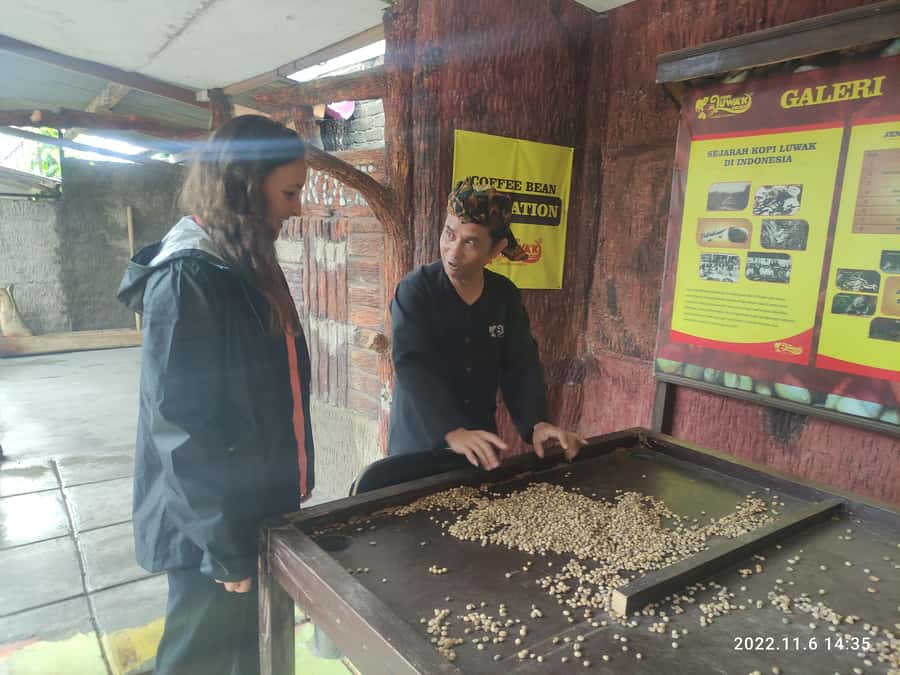
Kopi Luwak Cikole is scheduled for about an hour. Here you learn how Luwak coffee is made and have the chance to try this costly specialty. The coffee drink itself is not included, so check the price before ordering.
This stop works best if you are curious about coffee production rather than simply looking for another scenic viewpoint. The guide can explain the process, while the tasting gives you a direct sense of why Luwak coffee is treated as a premium product.
The stop also offers practical shelter if the weather turns wet. That proved useful for Ms Neti’s groups when fog and rain affected the volcano visit. A coffee tasting is a more comfortable way to use time while waiting for better conditions.
Be clear about what you are paying for. The visit and tasting stop are part of the program, but personal purchases, including the Luwak drink, are your responsibility.
Tea production at Kebun Teh Ciater
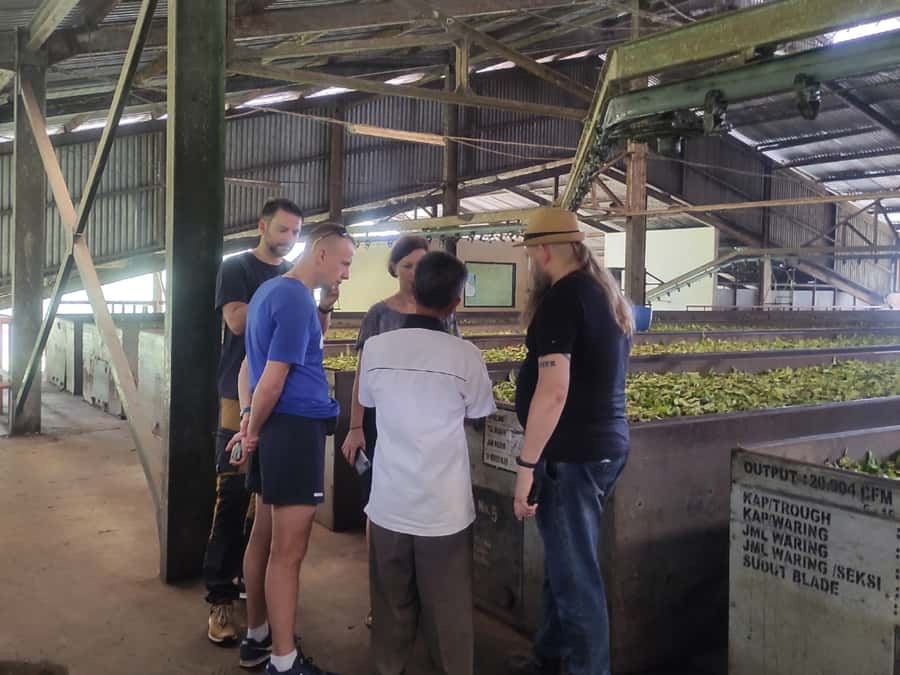
The tea visit is one of the strongest parts of the day for anyone who likes to understand how a familiar product is made. At Kebun Teh Ciater in Subang, a local guide explains black tea production from leaf picking through processing and packaging.
This is more useful than simply stopping at a plantation for photographs. You see the working side of tea, then walk through the plantation and look over the valley. Tea is available to drink as much as you want during the visit.
The scheduled visit lasts about an hour. The factory is closed on Mondays, so you will not see tea processing if your trip falls on that day. You can still explore the plantation, but the industrial part of the stop will be missing. If the factory process matters to you, avoid Monday when checking availability.
The tea stop also gives the day a welcome change of pace. Tangkuban Perahu is about fumes, rock, and active earth. Here, the focus shifts to cultivated hills, production, and a drink you can enjoy while listening to an explanation.
Sari Ater’s sulfur-rich water
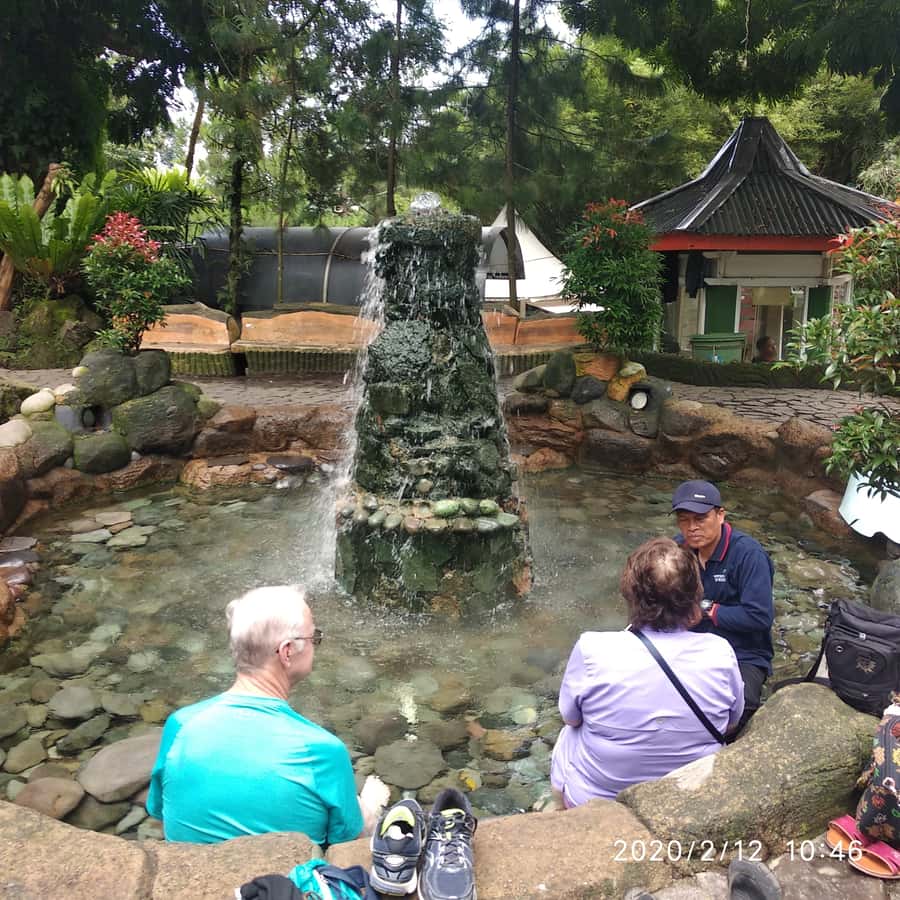
The final major stop is Sari Ater Hot Spring. The tour includes entry and about 40 minutes for walking, sightseeing, soaking your feet, or swimming in the warm sulfur water.
You should bring a towel and comfortable clothes. The stop is short, so it is best treated as a relaxing finish rather than a full spa session. If you want to swim, allow time to change and keep your expectations to the included visit length.
The sulfur-rich water provides a different kind of experience from the volcano. At Tangkuban Perahu, you see heat and gases rising from below the ground. At Sari Ater, you can feel warm mineral water directly.
This stop may be especially welcome after the walking and driving earlier in the day. It is also one reason to pack a small towel instead of relying only on what you wear at breakfast.
Guides, drivers, and the private format
The English-speaking guide is an important part of this tour because the day includes several places where context adds value. The guide explains local culture, farming, tea production, and the volcano, rather than simply directing you from car to car.
Ms Neti is one guide connected with the experience. She is described as cheerful, fluent in English, flexible, and attentive to practical details. She has also helped with photographs and kept the mood light during long drives and bad weather.
Fandi is one of the drivers associated with the tour. Safe driving matters on a day with substantial road time, and the private setup means you do not share the car with unrelated participants. Your booking remains a private group, which suits couples, families, or friends who want to set their own pace.
You should confirm the assigned guide when booking if a particular guide is important to you. The information supplied does not guarantee that Ms Neti or Fandi will lead every departure.
What $128 buys you
At $128 per person, this is not a cheap sightseeing ride. Its value comes from the number of separate experiences packed into one day and the private transport between them.
The price includes:
- Hotel pickup and drop-off inside Jakarta
- A private car and English-speaking guide
- Entry to Tangkuban Perahu
- Entry to Sari Ater Hot Spring
- A guided tea-factory visit
- Tolls and parking
- Mineral water
- Pineapple tasting
You still pay for lunch, the Luwak coffee drink, and personal expenses. Those exclusions are ordinary for a private day tour, but they should be included in your budget before you compare prices.
For a group that values convenience, the rate can make sense. You avoid arranging separate transport to Bandung and Subang, sorting out volcano entry, and finding your way among several rural stops. You also gain a guide who can explain what you are seeing and change the plan when weather interferes.
For a solo visitor, the per-person cost may feel high. The 12-hour schedule also means you are paying for access to a large amount of territory, not a slow, in-depth visit to one place.
Who should book this day trip?
I would choose this tour if you have limited time in Jakarta and want to see more of Java without changing hotels. It suits people who enjoy varied days: a volcano in the morning, rural farming views, tea production, coffee, and hot water before returning to the capital.
It is also a good choice for private groups that want help with timing and translation. The flexible planning is useful when the crater is misted over or rain affects the walking route.
I would think twice if you dislike long drives, want a relaxed spa day, or prefer to spend several hours at one attraction. The schedule is full, and the route covers a lot of ground. People with respiratory issues, altitude sickness, mobility limitations, or difficulty walking should not book this experience.
The tour allows free cancellation up to 24 hours before departure, and you can reserve without paying immediately. Pickup is included from hotels or apartment entrances inside Jakarta. Alcohol, drugs, and pets are not allowed.
Should you book it?
Book this tour if you want a broad, private introduction to West Java and accept a long day on the road. The best reasons are the active crater, the tea factory explanation, and the chance to see working rice and plantation country rather than only polished tourist sights.
Skip it if your priority is comfort, a slow pace, or a guaranteed clear volcano view. Weather remains a real factor, and the factory cannot show tea processing on Mondays. For the right visitor, though, the combination of Tangkuban Perahu, Sari Ater, tea, coffee, and rural scenery gives the $128 price practical value.
FAQ
How long does the Jakarta to West Java tour last?
The tour lasts 12 hours. The route includes about three hours of travel time from Jakarta to Bandung and back.
Is hotel pickup included?
Yes. Pickup and drop-off are included for hotels and apartment entrances inside Jakarta. Cruise passengers should meet the guide at the arrival gate of Tanjung Priok passenger terminal.
Is this a private tour?
Yes. The booking is for a private group, and your participants are not combined with other groups.
What language does the guide speak?
The live tour guide speaks English.
Is lunch included in the price?
No. Lunch at an Indonesian restaurant in Lembang is not included, so you should bring cash for the meal.
Can I see tea being processed on a Monday?
No. The tea factory is closed on Mondays. You can still visit and walk through the plantation, but the tea-processing visit will not be available.
What should I bring?
Bring comfortable shoes, a towel, a camera, a jacket, comfortable clothes, and cash. A towel is useful if you plan to soak your feet or swim at Sari Ater Hot Spring.
More Coffee Stops in Indonesia
- Volcano, Hot Spring, Tea Factory, rice fields and Coffee Tour
★ 5.0 · 25 reviews - Materuni Waterfalls, coffee tour & Kikuletwa Hot Springs
★ 5.0 · 643 reviews - Medellin: Coffee Tour and Wellness Spa
★ 4.8 · 209 reviews - Medellin: Horseback Riding Coffee Farm Tour with Coffee Spa
★ 4.8 · 151 reviews
Just added around Indonesia
- Jakarta: Waterfalls, Volcano, White Crater, Tea, Hot Spring★ 4.5 · 3 reviews
- Jakarta: Volcano or Suspension Bridge,Ricefield & Hot Spring★ 5.0 · 5 reviews
- Jakarta: Volcano, Suspension Bridge, and Hot Spring Tour★ 4.8 · 15 reviews
- Hot Stone Massage: Mobile Massage at your Hotel in Bali★ 5.0 · 2 reviews
- Gili Trawangan: Beach Massage with Sunset and Cocktail★ 4.0 · 9 reviews
- From Singapore, Batam Heritage Day Tour with Lunch & Massage★ 4.9 · 10 reviews
- From Medan: Mount Sibayak Sunrise Hike & Natural Hot Spring★ 4.8 · 31 reviews
- From Jakarta : Volcano, Tea & Rice Fields, Hot Spring★ 4.9 · 17 reviews
More spa days in Jakarta.
Jakarta: Volcano, Tea/Rice Fields, Hot Spring, Local Food
Read our review →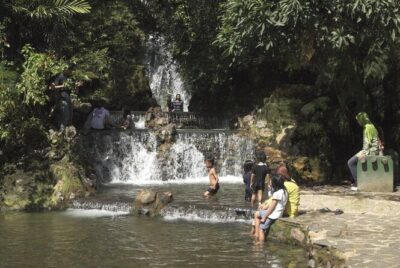
Active Volcano, Rice Field, Hot Spring, Fruit market, Tea Plantation with Lunch
Read our review →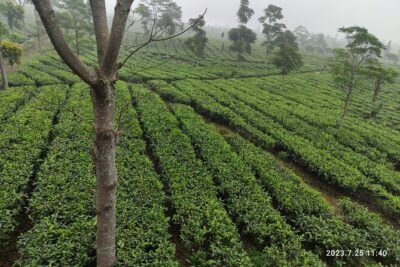
Volcano, Hot Spring, Tea Factory, rice fields and Coffee Tour
Read our review →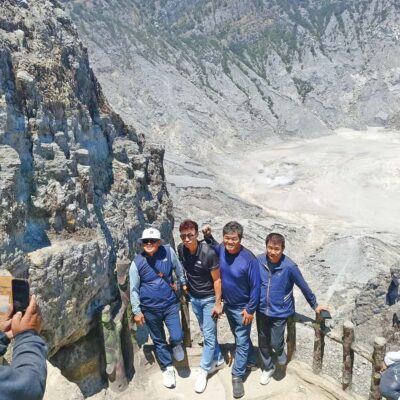
From Jakarta : Volcano, Tea & Rice Fields, Hot Spring
Read our review →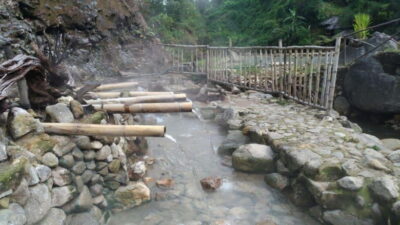
Jakarta: Volcano, Suspension Bridge, and Hot Spring Tour
Read our review →