REVIEW · JAKARTA
Active Volcano, Rice Field, Hot Spring, Fruit market, Tea Plantation with Lunch
Tangkuban Perahu is the star here: an active volcano where you can smell sulfur, see smoke, and look into the crater without a demanding hike. In one long day, you also get rice fields, a fruit market, tea farming, coffee production, lunch, and a hot spring.
I like the small group limit of 10, which gives guides such as Bryan, Rizky, Vincent, and Mitchell room to answer questions and adjust the pace. I also like the food stops, especially the pineapple tasting and traditional Sundanese lunch. The tradeoff is simple: this is a very long day, and traffic can stretch a planned 12 to 13 hours into 14, 15, or even 16.
Key points at a glance
- See an active volcano without a strenuous hike: Tangkuban Perahu offers close crater views, sulfur fumes, and rising smoke.
- Taste West Java along the way: Four types of local fruit, tea, lunch, and a coffee stop add real flavor to the day.
- Travel in a capped group: The maximum is 10 people, with an English-speaking guide and air-conditioned transport.
- Expect plenty of driving: The route covers several widely spaced stops north of Jakarta, so road time is part of the experience.
- Finish in warm sulfur water: Ciater Hot Springs gives you a chance to soak after a full day on the road.
- Best for first-time visitors: You get a broad introduction to volcanoes, farming, food, and rural West Java in one outing.
Why this day trip works from Jakarta
Jakarta can feel like a world of traffic, towers, malls, and dense streets. This trip gives you a sharp change of scene, sending you toward the cooler highlands around Lembang, Subang, and Tangkuban Perahu.
The appeal is variety. You are not spending the whole day at one viewpoint. Instead, the route links small pieces of West Javanese life: fruit growing, rice cultivation, coffee production, tea farming, volcanic geology, and hot springs.
That variety makes the $110 price easier to understand. The fee covers an English-speaking guide, private or shared air-conditioned transport, admissions, bottled water, lunch, fruit tasting, and tea tasting. You would pay separately for many of those pieces on your own, and arranging this route independently would require careful transport planning.
Still, do not mistake this for a relaxed country outing. Jakarta traffic can be slow, and the route includes several stops. You are buying access to a lot of sights, not a leisurely schedule.
More Hot Springs in Indonesia
- Bali: Mount Batur Sunrise Guided Hike and Natural Hot Spring
★ 4.8 · 9,284 reviews - Mount Batur Sunrise Hike and Natural Hot Spring Option
★ 5.0 · 1,927 reviews - Jakarta: Volcano, Tea/Rice Fields, Hot Spring, Local Food
★ 4.9 · 515 reviews
The morning fruit market in Lembang
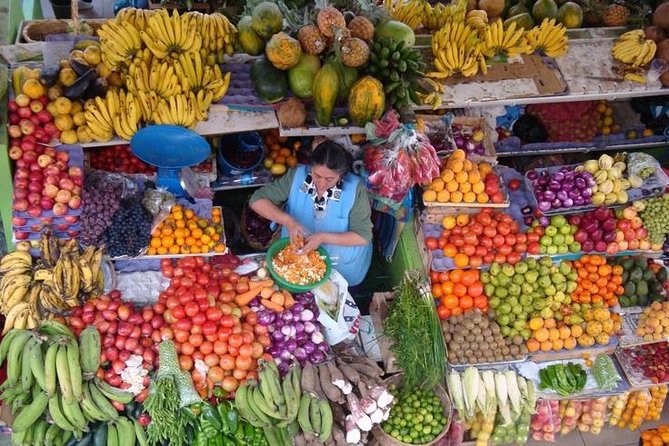
The first stop is Pasar Buah Lembang, a local fruit market in the highland area. It is a useful opening because it introduces you to the produce of the volcanic region before you see the farms and fields that support it.
The tasting includes four types of local fruit. Honey pineapple is a featured favorite, and seasonal options may include snake fruit and other tropical produce. This is more than a quick photo stop. Your guide can explain what you are eating and how local fruit differs from the varieties commonly sold abroad.
The visit is scheduled for about 30 minutes. That is enough for a tasting and a look around, but not enough for a long market wander. If you want to buy fruit, spices, or other food items, tell your guide early. One guest was able to arrange extra time for spice shopping, but flexibility depends on the day’s traffic and schedule.
The market is also a good place to use your camera. Expect a working produce stop rather than a polished tourist attraction. The experience is strongest if you enjoy ordinary local food and do not need every stop to be a major monument.
Rice fields and a short village visit
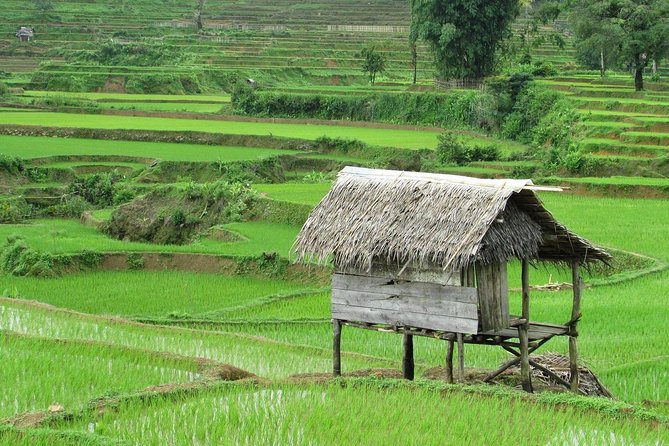
Next comes a local village and rice-growing area near Subang. The purpose is to show how rice is planted, tended, and harvested, and to give you a view of daily rural work beyond Jakarta.
This stop lasts about 30 minutes. You may walk into or beside the fields while your guide explains the growing cycle and points out what farmers are doing. The setting can be pleasant and photogenic, especially when the fields are green, but the visit is brief.
Keep your expectations in check. This is an introduction to rice farming, not a full village tour or a hands-on farming session. Some visitors have found the stop too short, with only a few minutes of explanation. I would treat it as a useful window into rural life rather than a main event.
The value comes from context. After seeing fruit at the market, you see another form of local agriculture. Later, the tea plantation adds a third. The tour keeps showing you how food and drink connect to the highland soil.
Up close at Tangkuban Perahu Volcano
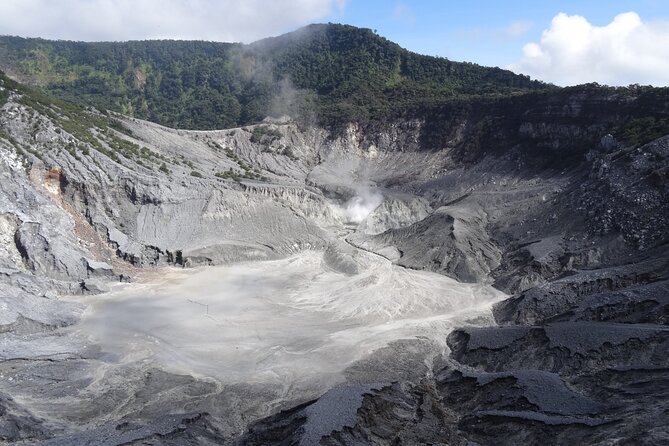
Tangkuban Perahu is the main reason to book this trip. It is an active volcano in West Java, surrounded by tropical forest and pine trees, and the tour gives you about two hours in the area.
You do not need to plan a difficult hike to reach the main sights. The route is suited to anyone who wants to experience a volcano without a major climb. You can approach the crater, smell sulfur, watch smoke rise, and listen to the sounds of a live volcanic area.
That close access gives the stop its power. A distant mountain view can be beautiful, but sulfur in the air and steam rising from the crater make the geology feel immediate. Your guide can also explain the volcano and its place in local geography.
Weather can change quickly at higher elevations. Rain and cloud may affect the views, and the ground around volcanic areas can be uneven. Wear shoes with a solid grip, bring a light rain layer, and avoid relying on clear skies for the full experience.
The two-hour stop is generous compared with the rice-field visit. You have time to look around, take photographs, ask questions, and enjoy the cooler air. It is also the point where the tour feels most different from a standard city excursion.
More Volcano Spa Day Trips in Indonesia:
- Mt Batur Sunrise, Breakfast & Natural Hot Springs
★ 5.0 · 458 reviews - Private Tour Mount Batur Sunrise Trekking and Natural Hot Spring
★ 5.0 · 431 reviews - Bandung: White Crater Hotspring Tea Plans And Lunch Included
★ 4.9 · 419 reviews - Bali: Shared Mount Batur Sunrise Jeep Tour with Hot Springs
★ 4.8 · 385 reviews
Sundanese lunch and a look at coffee production
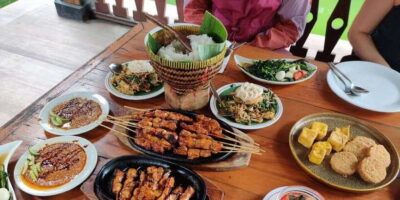
After the volcano, the group stops at a local restaurant for lunch. Indonesian food is included, with traditional Sundanese dishes served as part of the meal.
Sundanese cooking is a strong fit for this route. It often makes good use of vegetables, rice, fresh flavors, and side dishes, giving you a taste of regional food rather than a generic hotel meal. Some visitors have especially enjoyed the lunch setting, including one restaurant meal beside koi ponds.
The meal takes about 45 minutes, so it is a stop for eating rather than a long culinary workshop. One person found the portion too small, so if you have a large appetite, you may want to carry a snack. Bottled water is included, but extra drinks and some optional purchases are not.
The same stop includes a local coffee production center. You can learn about the process behind Indonesian coffee, and some guides explain luwak coffee as part of the presentation. Local coffee itself is not included in the tour price, so budget separately if you want to buy or taste it.
This coffee stop adds welcome depth. The day is not only about looking at scenery. You see how a drink moves from local production toward the cup, and you can ask your guide about Indonesian coffee traditions.
Tea fields in the volcanic highlands
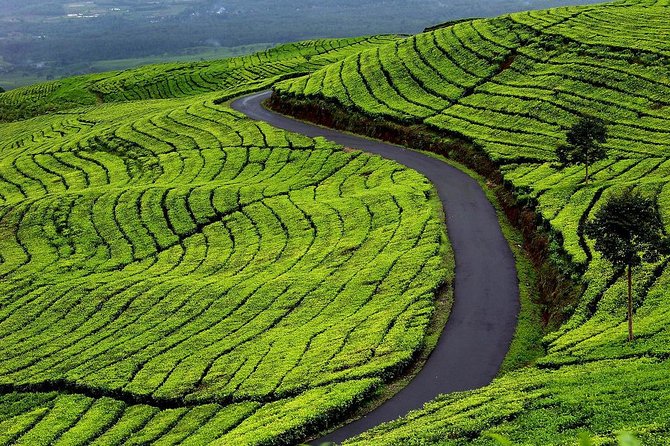
The tea plantation is another scenic stop, with views across rows of tea plants in an active volcanic area. The visit covers tea varieties, cultivation, harvesting, and the history of the plantation.
You will also receive a local tea tasting. That matters because the plantation visit can otherwise become a quick photo stop. Tasting the finished drink helps connect the rows of plants to the cup in front of you.
The scheduled details do not give a fixed time for this stop, and the time may be shaped by traffic and the rest of the route. Some people have found the tea visit too short, while others have enjoyed the views and the guide’s explanation.
I would place this stop below the volcano in terms of drama. It is attractive and informative, but it may not satisfy you if you expect a long plantation walk or a detailed farm tour. Think of it as a scenic introduction to tea farming, not a full agricultural study.
The highland setting also provides a break from Jakarta’s heat. Cooler air, open views, and orderly tea rows make this one of the calmer moments of the day.
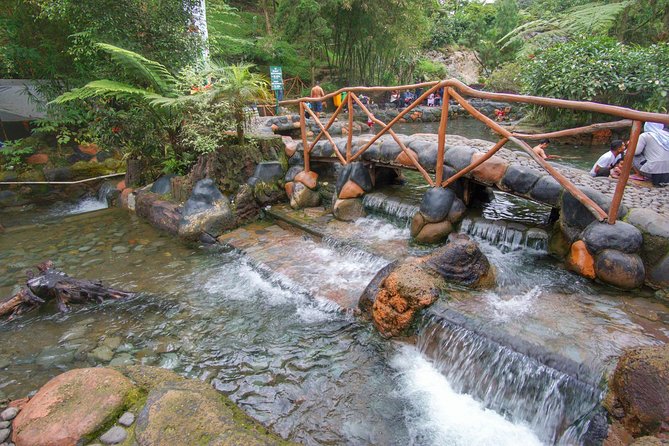
A final soak at Ciater Hot Springs
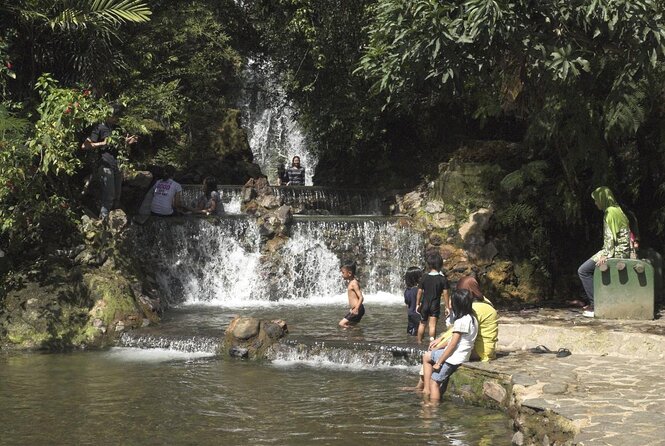
The last major stop is Ciater Hot Spring, where you can relax in warm sulfur water for about an hour. After a day that may involve long periods in the vehicle, this is a practical finale rather than a decorative extra.
The water is naturally warm and sulfurous. You can soak your legs and body before the drive back to Jakarta, which may be especially welcome if you feel stiff from sitting in the car.
A local massage is not included. If you want one, you pay separately at the hot spring area. The same applies to optional purchases not listed among the inclusions.
Bring what you need for a soak and check the day’s arrangements with your guide. The provided information confirms the hot spring entrance, but it does not specify changing-room details or what personal items are supplied. A towel, swimwear, and a small waterproof bag are sensible items to have, unless your own arrangements cover them.
The hot spring is one of the most appealing parts for anyone who prefers relaxation to more walking. It also gives the day a clear ending before the return drive.
Guides, vehicles, and group size
The experience includes an English-speaking guide, and the guide quality is a major part of what you are paying for. Guides named in past bookings include Bryan, Rizky, Vincent, Mitchell, Nanda, Isabella, and Tio, though the person assigned to your date can vary.
The best guides do more than escort you from stop to stop. They explain local history, farming, coffee, tea, and volcanic features, keep conversation going during long drives, and adjust when a group has a particular interest. Flexibility has included helping with extra spice shopping and adapting explanations for different food needs, including vegan dining.
The vehicle is air-conditioned, and a driver handles the route. Safe, steady driving matters here because the day covers a lot of road. Vehicle comfort can vary, and one booking found the car less comfortable than expected. If you are tall, have back problems, or dislike long car rides, ask about the vehicle setup before booking.
The group maximum is 10 people. That is small enough to feel personal without necessarily being a private tour. A smaller party may have more room to ask questions and coordinate short stops, while a full group may feel less flexible.
How long is the day really?
The advertised duration is about 12 to 13 hours, but you should plan mentally for a longer day. Jakarta traffic, road conditions, weather, and the distance between stops can push the outing to 14 hours or more. Some past days have lasted 16 hours.
Pickup is offered, and the route is built as a full-day trip from Jakarta. An early start is likely important, though the exact pickup time is not provided here. Keep your evening free, especially if you have a flight, dinner reservation, or another fixed appointment.
The long drive is the main drawback, but it is also what makes the route possible. You are fitting a volcano, farms, food stops, and a hot spring into one day instead of making separate trips.
Use the drive as part of the experience. Ask your guide about West Java, Indonesian food, local customs, and the areas you pass through. Guides such as Rizky and Bryan have been praised for making the road time more interesting and for answering questions in a relaxed way.
What the $110 price covers
At $110 per person, the tour is not the cheapest way to leave Jakarta, but the package includes a fair amount:
- Air-conditioned transport
- English-speaking guide
- Bottled water
- Volcano admission
- Hot spring entrance
- Indonesian lunch
- Four types of local fruit
- Local tea tasting
- Taxes and listed fees
You do not need to pay separate admission at Tangkuban Perahu or Ciater Hot Springs. That makes budgeting easier, particularly for a first visit to Indonesia.
You should still allow money for coffee, a massage, market purchases, and any extra food. The lunch has been described as enjoyable, but portions may not satisfy everyone.
The value is strongest if you want convenience and variety. It is weaker if you want to spend half a day at the volcano, take a long tea-farm walk, or explore one village in depth.
Who should book this experience?
I would recommend it to a first-time visitor who has one free day in Jakarta and wants to see more of West Java. It suits people who enjoy food tasting, countryside views, light walking, cultural explanation, and a major natural attraction in the same day.
It is also a good match if you do not want to hike a volcano. Tangkuban Perahu gives you a close volcanic experience without requiring a strenuous ascent.
Families and mixed-age groups may appreciate the range of activities, though the long vehicle time can test younger children. The hot spring is useful for anyone who wants a restful stop at the end.
I would hesitate if you dislike long road journeys, need a precise return time, or want slow, detailed visits at every stop. This is a highlights tour with short agricultural visits and a large amount of transport between them.
Practical tips before you go
Wear comfortable shoes with good grip for the volcano and field areas. Pack a light rain layer because the highland weather can change, and bring suitable clothing for the hot spring.
Tell the operator about dietary needs in advance. The tour has accommodated vegan meals, but it is best to make your requirements clear before departure.
Keep snacks with you. Lunch is included, yet one person found the serving insufficient, and the day can last well beyond the advertised time.
If you hope to shop for spices or local products, ask about spare time at the beginning. The guide may be able to help, but the traffic and fixed stops limit what can be added.
Free cancellation is available if you cancel at least 24 hours before the start time. Changes or cancellations inside that window are not accepted, and the experience requires a minimum number of participants.
Should you book the volcano and hot spring day trip?
Book it if you want one organized day that links Tangkuban Perahu, local food, tea country, and Ciater Hot Springs. The volcano is the clear highlight, while the fruit tasting, Sundanese lunch, and friendly guide can turn a long day in the car into a useful introduction to West Java.
Skip it if you want a slow rural stay or a serious tea and rice-farming tour. The rice-field and tea stops are short, and traffic can make the day tiring. For most first-time visitors with limited time, though, the route offers strong value because it packs several very different sides of Indonesia into one well-supported outing.
FAQ
How long does the tour last?
The stated duration is approximately 12 to 13 hours. Traffic and road conditions can extend the day to 14 hours or longer, with some outings lasting up to 16 hours.
Is pickup from Jakarta included?
Pickup is offered for this experience. The exact pickup details are provided at booking.
How many people can join the tour?
The group has a maximum of 10 participants.
Is Tangkuban Perahu an active volcano?
Yes. The tour visits the active Tangkuban Perahu Volcano, where you can see smoke, smell sulfur, and approach the crater area.
Do I need to hike to see the volcano?
The tour is suited to people who do not want a strenuous hike. It provides access to the volcano and crater area, though some walking on uneven ground may be involved.
Is lunch included?
Yes. Indonesian food at a local restaurant is included. Extra drinks and optional purchases are not specified as included.
Are fruit and tea tastings included?
Yes. The tour includes a tasting of four types of local fruit and a local tea tasting.
Is the hot spring entrance included?
Yes. Admission to Ciater Hot Springs is included. A local massage is not included and costs extra.
More Tours with Lunch in Indonesia
- Ubud: Wellness Retreat with Massage, Yoga Class, and Lunch
★ 4.8 · 93 reviews - Half-Day Spa Escape in Batam with Lunch
★ 5.0 · 81 reviews - From Singapore, Batam Heritage Day Tour with Lunch & Massage
★ 4.9 · 10 reviews - Bali: Healing Immersion Ubud Balinese Wellness + Lunch
★ 4.9 · 5 reviews
Just added around Indonesia
- Jakarta: Waterfalls, Volcano, White Crater, Tea, Hot Spring★ 4.5 · 3 reviews
- Jakarta: Volcano or Suspension Bridge,Ricefield & Hot Spring★ 5.0 · 5 reviews
- Jakarta: Volcano, Suspension Bridge, and Hot Spring Tour★ 4.8 · 15 reviews
- Hot Stone Massage: Mobile Massage at your Hotel in Bali★ 5.0 · 2 reviews
- Gili Trawangan: Beach Massage with Sunset and Cocktail★ 4.0 · 9 reviews
- From Singapore, Batam Heritage Day Tour with Lunch & Massage★ 4.9 · 10 reviews
- From Medan: Mount Sibayak Sunrise Hike & Natural Hot Spring★ 4.8 · 31 reviews
- From Jakarta : Volcano, Tea & Rice Fields, Hot Spring★ 4.9 · 17 reviews
More spa days in Jakarta.
Jakarta: Volcano, Tea/Rice Fields, Hot Spring, Local Food
Read our review →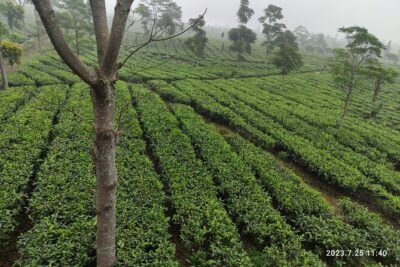
Volcano, Hot Spring, Tea Factory, rice fields and Coffee Tour
Read our review →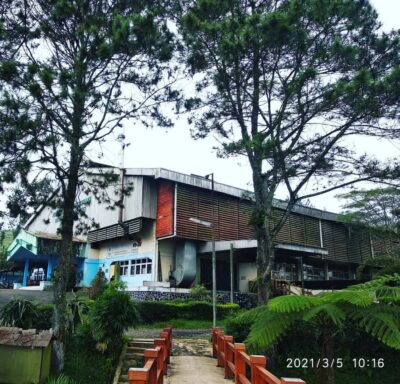
Jakarta: Volcano, Hot Spring, Tea, Rice Fields, &Coffee tour
Read our review →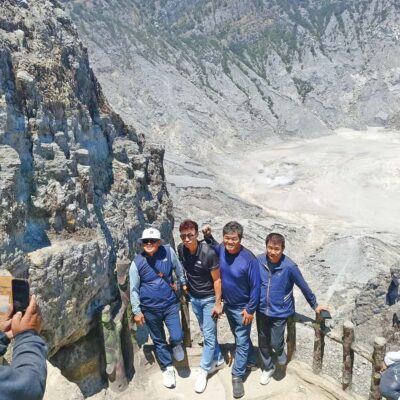
From Jakarta : Volcano, Tea & Rice Fields, Hot Spring
Read our review →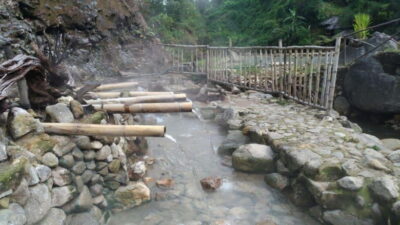
Jakarta: Volcano, Suspension Bridge, and Hot Spring Tour
Read our review →