
REVIEW · OSAKA
Osaka:Bamboo Healing Massage at the Temple <90-min>
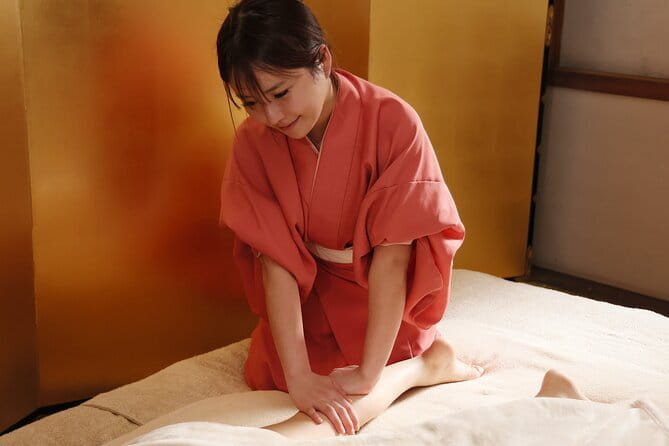
A foot bath, full-body oil massage, bamboo fascia work, a yukata photo, and tea ceremony make this more than a standard spa visit. You get a gentle introduction to Japanese temple customs along with time to relax. The small Buddhist temple setting gives the appointment a sense of place that a hotel treatment room cannot match.
I especially like the combination of body care and cultural activity. The foot bath helps you settle in, while the tea, sweets, meditation, and temple explanation give the visit a clear Japanese character. I also like that this is a private experience for your own group, rather than a crowded class.
The main drawback is practical: the meeting point can be difficult to find, and the online directions have caused confusion. The advertised course is called 90 minutes, but the full experience takes about two hours, so leave plenty of time around your appointment.
Key details before you book
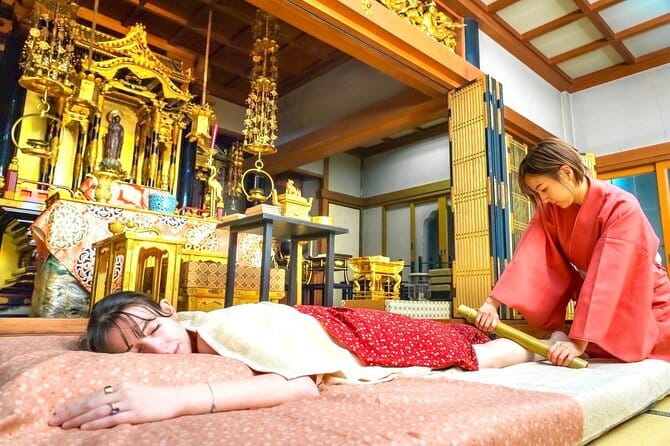
- Bamboo fascia treatment: A bamboo stick is used alongside the oil massage to work on tight areas.
- Temple welcome: Staff in traditional kimono explain the temple’s background and how to worship.
- Yukata souvenir photo: You can put on a yukata and receive a complimentary picture.
- Tea with wagashi: The final ceremony includes traditional Japanese sweets.
- Private setting: Only your group participates, which suits couples, families, and solo visitors seeking quiet time.
- Flexible cancellation: Cancel at least 24 hours before the start for a full refund.
A temple appointment, not just a massage
This Osaka experience works because it has a simple rhythm. You arrive, slow down with a foot bath, receive the main treatment, take part in a few cultural activities, and finish with tea.
That order matters. A massage alone can feel like a pleasant break squeezed between sightseeing stops. Here, the temple setting and the small rituals help mark the appointment as a special part of your Japan trip.
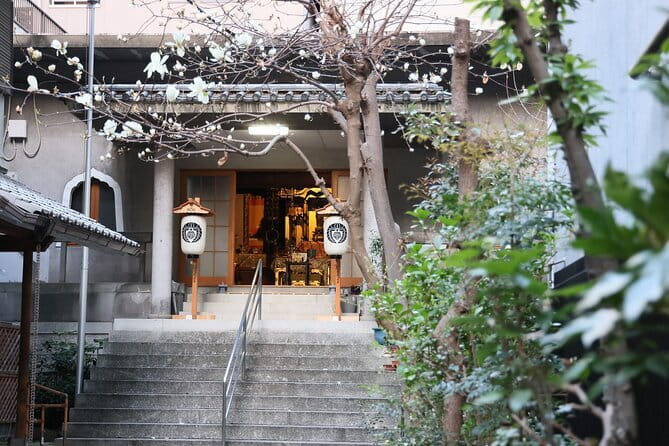
The experience begins at Tossa de coracao, 1-chōme-6-19 Kitahorie in Osaka’s Nishi Ward. It ends back at the same meeting point. You receive a mobile ticket, and confirmation is provided when you book.
The address is important to save in advance. One person found the location difficult to identify because the directions provided online were not accurate. I would arrive early, keep the full address ready on your phone, and avoid treating this as a last-minute stop between other bookings.
A few more spa visits around Osaka worth a look
- From Osaka: Himeji Castle, Arima Onsen & Mt. Rokko Day Tour
★ 4.6 · 339 reviews - Osaka: Solaniwa Onsen Hot Spring Visit
★ 4.6 · 51 reviews - Himeji Castle, Arima Onsen & Mt. Rokko: 1-Day Bus Tour from Osaka
★ 4.0 · 28 reviews
What happens when you arrive
Staff dressed in traditional kimono welcome you at the temple. Their clothing sets the tone without making the visit feel like a formal religious ceremony.
You’ll receive an explanation of the temple’s history and origins, along with guidance on how to worship. Guidebooks are used to help explain the customs. This is useful if you have visited Japanese temples before but still feel unsure about the correct way to approach a worship area.
The visit also includes a short meditation in the shrine area. It is not presented as a long religious lesson. Instead, it gives you a quiet pause before or around the body treatment, depending on how the staff arrange the session.
You should think of this as a cultural welcome rather than a full temple tour. The temple is described as a small Buddhist temple, so do not expect a large complex or a long sightseeing program. The value comes from being shown how to participate respectfully in a calm setting.
The foot bath is the right opening
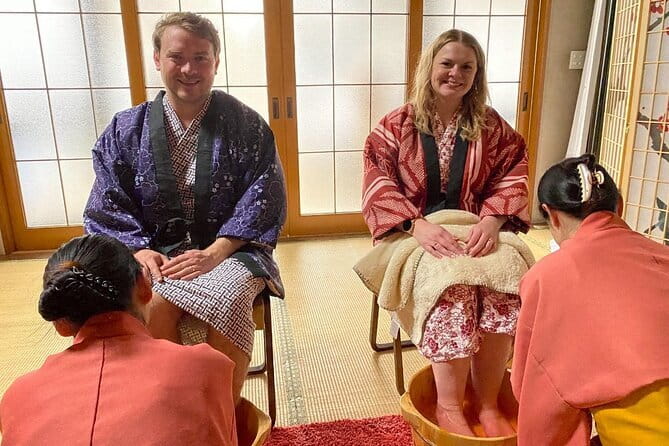
The scented foot bath begins the relaxation portion. It is a small detail, but it makes a difference after a day of walking around Osaka.
Rather than moving straight onto a massage table, you get time to sit, settle your breathing, and shift out of sightseeing mode. For a solo visitor, this can also make the first few minutes feel less awkward. One person who traveled alone found the whole experience especially reassuring, which makes sense: the staff guide you through each step, and you are not expected to know Japanese customs beforehand.
The foot bath is also a good fit if you enjoy experiences that use several senses without becoming theatrical. Warm water, scent, a quiet temple room, and polite service create a soft beginning.
This is not the main reason to pay for the experience, but it helps the massage feel like part of a complete treatment instead of an isolated service.
Full-body oil massage with your chosen scent
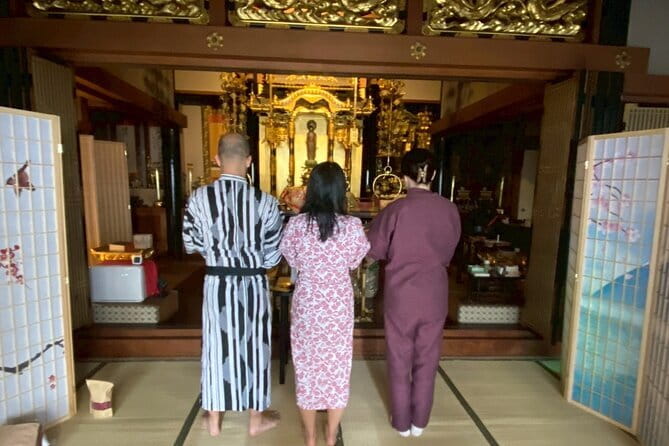
The main treatment is a full-body oil massage. You can choose your favorite essential oil, giving you some control over the mood of the session.
The massage is intended to release tension and refresh the body. The description also refers to fascia release, a technique aimed at areas where tightness may feel stubborn or deeply held. If you carry tension in your muscles from long flights, long walks, or a packed sightseeing schedule, this part may be the most useful.
You should keep your own comfort level in mind. An oil massage can feel more hands-on than a light relaxation treatment, while fascia work may involve firmer pressure. If you prefer a gentler approach, communicate that clearly to the staff before treatment begins.
The experience is described as a Japan-style massage, but the supplied details do not identify a named massage tradition or individual therapist. That is worth noting if you are comparing it with a specialist spa treatment. You are booking a cultural wellness session with several elements, not a clinical consultation or a highly specialized medical treatment.
Same place, a different way to unwind:
- Osaka Temple Head Spa &Matcha Facial – Refresh & Glow〈90min〉
★ 5.0 · 24 reviews - Osaka: Tennen Onsen Naniwa-no-Yu, the famous hot spring spa
★ 4.7 · 19 reviews - Osaka Temple :Warm Bamboo Oil Massage – Deep Restore〈60min〉
★ 4.9 · 19 reviews - Private Car Day Trip to the Kobe Mountains, Gardens and Hot Springs from Osaka
★ 4.5 · 16 reviews
Bamboo fascia work adds something different
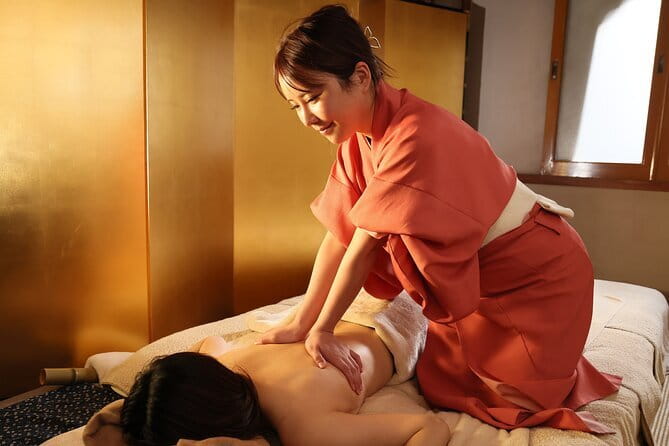
The bamboo stick is the unusual part of the body treatment. Staff use it to help release tension through fascia work.
That gives the session a physical element beyond a typical oil massage. The bamboo is not simply a decorative Japanese touch. It is part of the treatment and is intended to address tightness that may not respond to light rubbing alone.
Some people will find this appealing because it offers a distinct sensation and a clear point of difference from an ordinary spa appointment. Others may prefer a massage with no tools. If you are sensitive to pressure, this is the part where you should speak up.
The supplied information does not specify exactly how long the bamboo work lasts or which areas receive it. Do not assume that you will receive an identical treatment on every part of the body. The practical advice is simple: tell the staff about areas you want treated carefully and ask questions before the session starts.
Yukata, photos, and a lighter cultural moment
At some point during the experience, you’ll have the chance to wear a yukata. Staff help with the clothing, and you receive a complimentary photo.
This is a smart addition. It gives you a tangible memory of the visit and lets you take part in Japanese dress without committing to a full rental session elsewhere in Osaka. It also breaks up the quiet, inward focus of the massage with a more cheerful moment.
The photo is a souvenir, not a professional portrait session. The information does not promise a set number of poses, a particular background, or digital delivery details. If the photo matters to you, ask the staff how it will be provided.
The yukata also makes this experience appealing for a special holiday moment, a birthday, or a solo trip. You get something to bring home besides a temporary feeling of relaxation.
The tea ceremony closes the visit
The final cultural activity is an authentic tea ceremony with wagashi, traditional Japanese sweets.
This is a small ceremony rather than a long tea-school lesson. Its strength is in the setting and the sequence: after the massage and other activities, you sit down for tea and a sweet in a temple environment.
I like this ending because it gives the experience a calm finish. The tea is not an afterthought added to a massage advertisement. It completes the move from physical relaxation to a quiet cultural activity.
Wagashi can be unfamiliar if you have not tried Japanese sweets before. Their appearance and texture may differ from Western desserts, but the portion is part of the ceremony and is intended to accompany the tea.
The tea portion also helps you judge the experience honestly. If your main goal is a long, technically detailed tea ceremony, this may feel brief. If you want a welcoming introduction paired with massage and temple customs, it fits well.
How much time should you allow?
The course is described as a 90-minute program, while the overall experience is listed at about two hours. That difference likely reflects the welcome, temple explanation, yukata photo, meditation, tea, and transitions around the massage.
For planning, use the longer estimate. Do not book a train, meal, or timed attraction immediately after the stated 90 minutes. The activity begins and ends at the same meeting point, but the full visit still needs room for all its parts.
The private format is another advantage. Only your group participates, so you are not sharing the massage or ceremony with a larger class. It should also make it easier to ask the staff to explain a custom or adjust the treatment.
The available information does not state the maximum group size, so I would not assume that a large family or tour party can be accommodated. If your group is bigger than a few people, confirm before booking.
Is $130.31 a fair price?
At $130.31 per person, this costs more than a basic massage. You are paying for a package that combines body treatment, temple access, staff assistance, Japanese dress, a photo, meditation, and tea with wagashi.
The value is strongest if you would otherwise pay separately for several activities. A normal spa treatment would not usually include a temple welcome, worship guidance, a yukata photo, and a tea ceremony. You also avoid the work of arranging those pieces yourself.
The price is less attractive if you want only a long massage. Part of your appointment is devoted to cultural activities and transitions, so the hands-on massage is not the full two hours.
I would compare it with the cost of a spa treatment plus a separate cultural activity in Osaka. For a first visit to Japan, the combination can make sense. For someone who already has extensive experience with tea ceremonies, yukata dressing, and temple visits, the massage itself needs to be the main draw.
The high rating, 4.9 from nine ratings, supports the idea that the combined format works well. The sample feedback praises the staff’s politeness, the full mind, body, and spirit approach, and the range of small activities. The rating base is still small, so I would treat it as encouraging rather than conclusive.
Who will enjoy this most?
I would recommend it most strongly to:
- Solo visitors who want a guided, low-pressure cultural activity.
- First-time visitors to Japan who want simple help with temple customs.
- Couples looking for a quiet shared experience with a souvenir photo.
- Massage fans who enjoy oil treatments and want to try bamboo fascia work.
- People with full sightseeing days who need a structured pause.
- Visitors curious about Japanese hospitality without booking a full-day cultural program.
It may be a weaker match if you want a powerful sports massage, a long professional spa treatment, or a large temple complex to explore. The cultural elements are central. You should not book this expecting a massage-only appointment.
The activity is also private, which helps if you dislike performing cultural activities in front of strangers. You can take part at your own pace and ask for clarification.
Practical notes on access and comfort
The activity is near public transportation, though the exact station and walking directions are not supplied. Save the meeting-point address before leaving your hotel, and give yourself extra time because the location has been hard for some people to find.
Service animals are allowed, and most people can participate. The information does not provide detailed accessibility notes for the temple, massage room, or bathing area, so contact the provider if you need specific accommodations.
Do not call Saishoji Temple directly for reservations or questions. The instructions say to contact the experience provider by email instead. This is a useful point to handle before your visit, especially if you need to clarify timing, group size, or treatment preferences.
Free cancellation is available if you cancel at least 24 hours before the local start time. Cancellations or changes inside that window are not refunded or accepted, so check your schedule carefully before the deadline.
Should you book the temple massage?
I would book this if you want a quiet cultural experience with a real wellness component, not simply a place to lie down for 90 minutes. The foot bath, oil massage, bamboo work, yukata photo, meditation, and tea form a thoughtful sequence, and the private setting keeps it personal.
Book with two cautions in mind. First, allow about two hours, not just the advertised 90 minutes. Second, plan your route carefully because the meeting point may not be obvious.
For solo visitors, couples, and first-time Japan visitors, the combination offers good value at $130.31 if you appreciate both massage and tradition. If your only goal is the longest or most technical body treatment possible, choose a dedicated spa instead.
FAQ
Where does the Osaka temple massage begin and end?
The experience begins at Tossa de coracao, 1-chōme-6-19 Kitahorie, Nishi Ward, Osaka, 550-0014, Japan. It ends back at the same meeting point.
How long does the experience take?
The course is described as a 90-minute program, while the total experience is listed as approximately two hours. Allow the longer amount of time for the complete visit.
What is included in the massage?
The treatment includes a relaxing foot bath, a full-body oil massage, your choice of essential oil, and fascia release using a bamboo stick.
Is the experience private?
Yes. Only your group participates in this private activity.
Can I wear a yukata?
Yes. You have the opportunity to wear a yukata, and a complimentary souvenir photo is provided.
Is tea included?
Yes. The experience ends with a tea ceremony that includes wagashi, traditional Japanese sweets.
Are service animals allowed?
Yes. Service animals are allowed.
How far in advance can I cancel for a full refund?
You can cancel at least 24 hours before the local start time for a full refund. Cancellations within 24 hours are not refunded.
Who should I contact with questions about the booking?
For reservations or questions, contact the experience provider by email. Do not call Saishoji Temple directly.
Just added around Osaka
- Solaniwa Onsen: Osaka Bay Tower★ 5.0 · 4 reviews
- Private Car Day Trip to the Kobe Mountains, Gardens and Hot Springs from Osaka★ 4.5 · 16 reviews
- Kobe Night View Mt Rokko Kitano Ijinkan Arima Onsen Day Trip★ 5.0 · 5 reviews
- Osaka Reiki Healing and Aroma Massage At The Temple<120min>★ 5.0 · 2 reviews
- Osaka: Nara, Todaiji, Uji Matcha, and Hot Spring Tour★ 4.0 · 7 reviews
- ZEN therapy | Shiatsu-style massage, EnergyTherapy & Japanese Tea★ 5.0 · 5 reviews
- Osaka: Tennen Onsen Naniwa-no-Yu, the famous hot spring spa★ 4.7 · 19 reviews
- Osaka Temple :Warm Bamboo Oil Massage – Deep Restore〈60min〉★ 4.9 · 19 reviews
More spa days in Osaka.
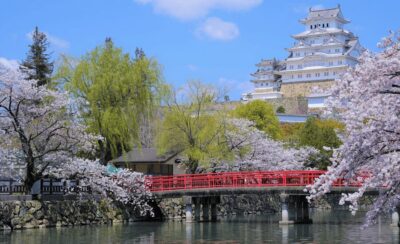
Himeji Castle, Arima Onsen & Mt. Rokko Day Tour
Read our review →
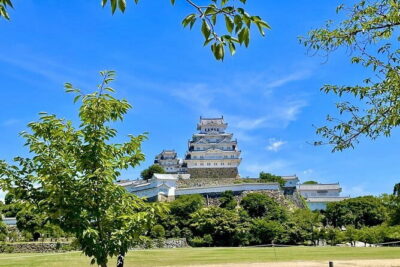
Himeji Castle, Arima Onsen & Mt. Rokko: 1-Day Bus Tour from Osaka
Read our review →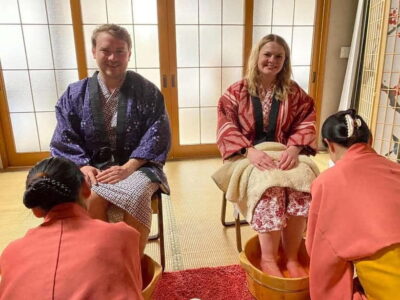
Osaka Temple Head Spa &Matcha Facial – Refresh & Glow〈90min〉
Read our review →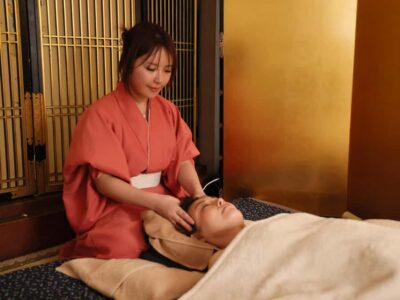
Osaka Temple :Warm Bamboo Oil Massage – Deep Restore〈60min〉
Read our review →
Tennen Onsen Naniwa-no-Yu, the famous hot spring spa
Read our review →
Private Car Day Trip to the Kobe Mountains, Gardens and Hot Springs from Osaka
Read our review →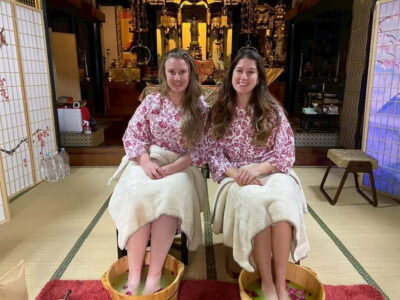
Osaka Temple :Warm Bamboo Oil Massage – Deep Restore〈90min〉
Read our review →Other lists this one is on