
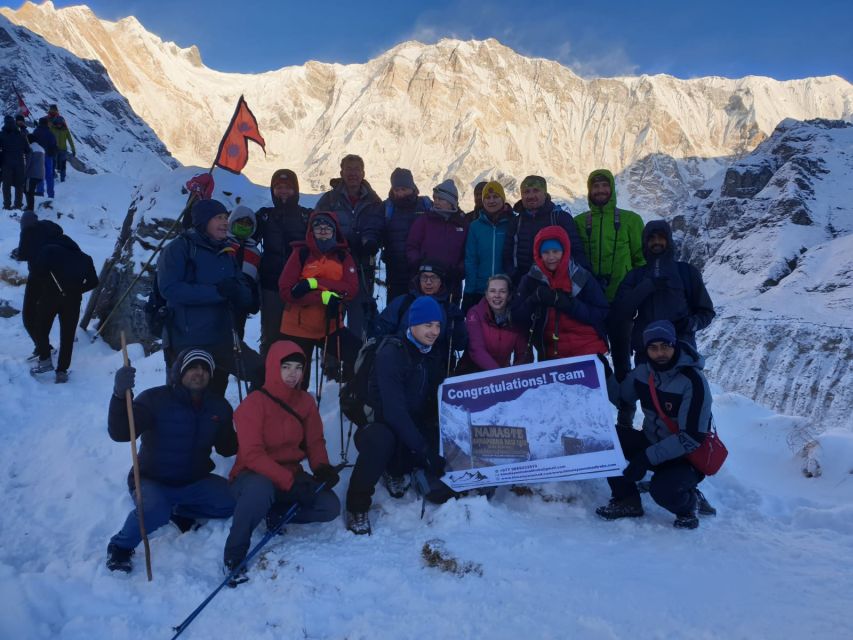
REVIEW · NEPAL
Pokhara: 5-Day Annapurna Base Camp Trek with Hot Spring
Annapurna Base Camp is the prize here, but the 5-day schedule is demanding. You leave Pokhara by Jeep, walk through villages and rhododendron forest, reach 4,130 meters, then return by way of Jhinu Dada’s hot springs. It is a compact Himalayan trek with a lot packed into a short time.
I like the private format, since your group can move at its own pace with a licensed guide. I also like the practical package: permits, paperwork, trekking poles, sleeping bag, duffle bag, accommodation, transport, and staff costs are covered. The main caution is the pace. A seven-hour climb, a night at base camp, and an eight-hour descent arrive in quick succession.
Key points to know before booking
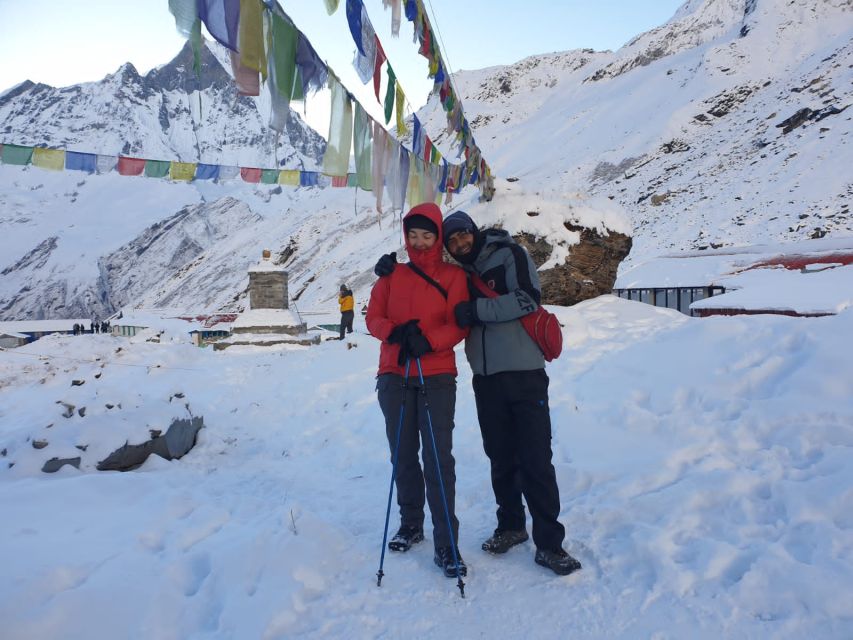
- Annapurna Base Camp at 4,130 meters: You reach the mountain bowl and stay overnight among high peaks and glaciers.
- A serious five-day pace: The route includes up to seven or eight hours of walking in a day, with little spare time for rest.
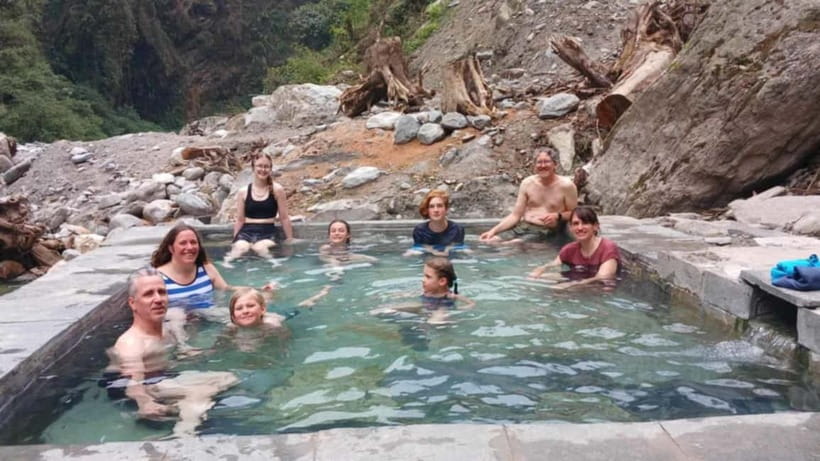
- Jhinu Dada hot springs: Your final walking day ends with a warm soak before the Jeep ride back to Pokhara.
- Private guiding: You have an authorized English-speaking guide, with Hindi and Nepali also available.
- $150 starting price: The cost covers many major trek services, but confirm whether you are choosing the meal-inclusive package.
- Weather matters: A February trip faced poor conditions and four avalanche crossings on the descent, so season and mountain conditions deserve real attention.
Why this short Annapurna trek is appealing
The Annapurna Base Camp route gives you a remarkable change of scenery in only five days. You begin near Pokhara’s fields and river valleys, walk through forest and mountain villages, then finish in a stark high-altitude basin surrounded by peaks.
I like that this trip does not treat the mountains as a quick photo stop. You sleep in Sinuwa, Deurali, Annapurna Base Camp, and Lower Sinuwa. That overnight rhythm gives the trek a real sense of progress, even though the timetable is brisk.
The tour also removes several chores that can make Nepal trekking harder to arrange. Your permits, Trekkers’ Information Management System fees, government taxes, transport, and staff expenses are included. You also receive a luggage storage facility, which means you can leave items in Pokhara rather than carrying everything uphill.
The catch is that five days leaves little room for weather trouble. You gain speed, but you lose flexibility. A longer version would give you more time to enjoy the views and split the hardest walking days. That matters even more if snow or ice is present.
More Hot Springs in Nepal
- Pokhara: 5 Day Annapurna Base Camp Trek & Natural Hot Spring
★ 4.9 · 44 reviews - From Pokhara: 5-Day Annapurna Basecamp Trek with Hot Springs
★ 4.9 · 26 reviews - Pokhara: 7-Day Annapurna Base Camp Trek & Natural Hot Spring
★ 5.0 · 11 reviews
Day 1: Pokhara to Sinuwa by Jeep and trail
The morning begins with hotel pickup in Lakeside Pokhara. The drive to Samrung takes about three hours by Jeep, followed by roughly four hours of trekking to Sinuwa at 2,200 meters.
The drive is part of the experience, not just a transfer. You follow a scenic road with views of the Seti River, mountain slopes, and green rice fields. It also gives you a first look at daily life outside Pokhara, with villages and local communities along the route.
Once on foot, the trail leads through lush surroundings toward Sinuwa. This first walking day is long enough to test your boots and legs, but the altitude gain is moderate compared with what follows. I would use it to find a comfortable walking rhythm rather than push hard.
Sinuwa is your first overnight stop. The accommodation is private, though the supplied information does not specify the room style or bathroom arrangements, so it is sensible to ask your operator before departure. You should also keep a jacket and basic washing items accessible, rather than buried in your stored luggage.
The first day may look manageable on paper, but the combined Jeep ride and four-hour walk can make it feel full. Start with water, sun protection, and a daypack arranged for easy access.
Day 2: Seven hours through forest to Deurali
Day two takes you from Sinuwa to Deurali at 3,200 meters, with about seven hours of trekking. This is one of the key days of the trip because you gain altitude while spending most of the day on foot.
The route passes through forest and rhododendron areas. Rhododendrons are Nepal’s national flower, and their blooms can add color to the trail when conditions are right. The forest also offers shade, though your views may open and close as the path rises.
This day is less about one dramatic attraction and more about the steady change in air, vegetation, and mountain scale. You are moving from a green lower valley toward the high country. Take regular breaks, eat enough, and let your guide judge the pace.
Deurali is at 3,200 meters, so you should pay attention to how you feel. The schedule does not include an extra acclimatization day. That does not mean problems are certain, but it does mean you should not hide symptoms or treat fatigue as a contest.
A licensed guide is especially useful here. Kaji helped one group through difficult conditions, while Jeet was praised for keeping a close eye on rest and comfort. Guide assignments can change, so do not assume you will have one of these two, but the trip depends heavily on attentive guiding.
Day 3: The push to Annapurna Base Camp
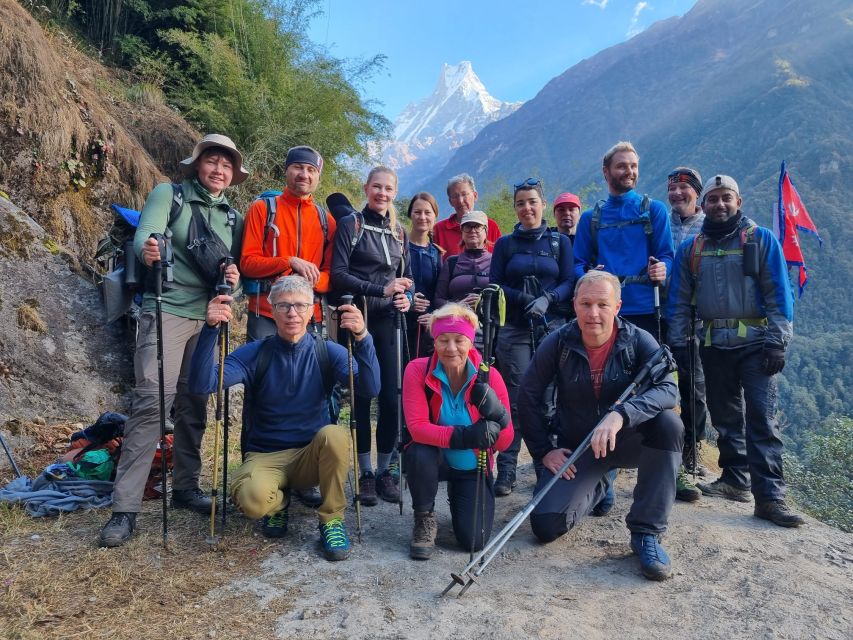
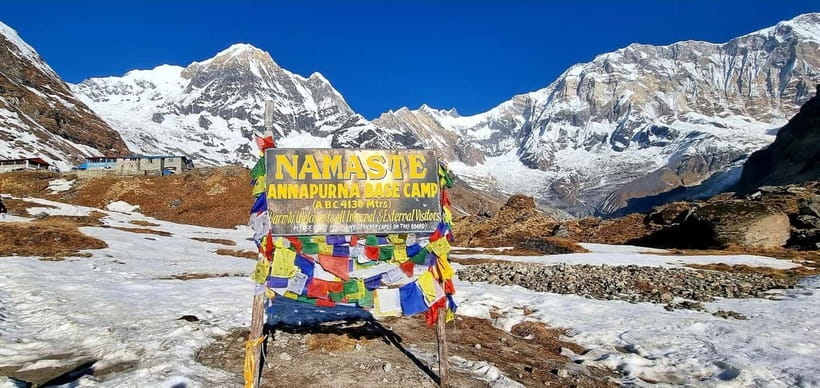
The walk from Deurali to Annapurna Base Camp takes about five hours and brings you to 4,130 meters. This is the emotional center of the trek and the day when the route’s effort pays off.
The scenery changes again as the forest gives way to the high mountain setting. You are surrounded by towering peaks, glaciers, and the great natural bowl around the base camp. The setting is powerful because the mountains close in around you, rather than appearing as distant silhouettes.
The final approach can feel demanding even though the stated walking time is shorter than day two. The altitude is much higher, and the path may be affected by snow or ice depending on the season. Walk steadily, keep your guide informed, and avoid spending all your energy early in the day.
You spend the night at Annapurna Base Camp. That overnight stay is important. It lets you see the site in changing light and makes the achievement feel more complete than a short stop followed by an immediate descent.
The next morning, sunrise over the peaks is one of the trip’s most valuable moments. Have warm clothing, a camera, and essentials ready before bed. Temperatures and trail conditions can be severe at this altitude, and the included sleeping bag is a useful part of the equipment package.
The trek’s most important limitation is also clearest here: you reach high altitude quickly. Anyone uncomfortable with long hikes, snow, or ice should seriously consider taking longer than five days.
Same place, a different way to unwind:
- Whole Day Massage & Spa With Lunch
★ 5.0 · 54 reviews - Shirodhara and Sound Healing Spa Experience in Kathmandu
★ 5.0 · 52 reviews - 6 Hours Spa Package in Kathmandu (Massage, Sauna, Steam, Jacuzzi)
★ 5.0 · 43 reviews - 21 days Himalayan yoga retreat in Nepal in Kathmandu
★ 5.0 · 28 reviews
Day 4: Eight hours back to Lower Sinuwa
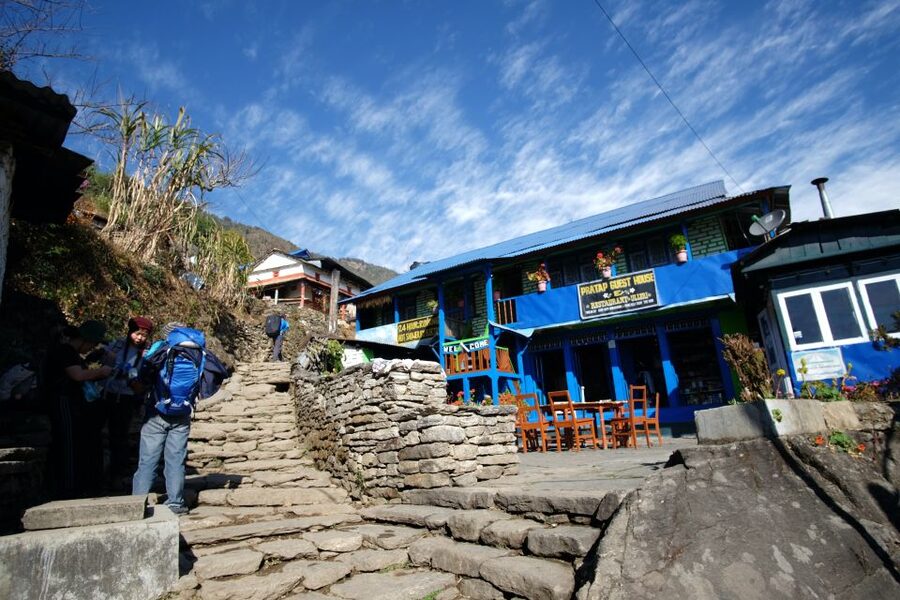
After sunrise, you begin the long descent from Annapurna Base Camp to Lower Sinuwa at about 2,200 meters. The walking time is listed as roughly eight hours, making this the longest day on the schedule.
Descending does not mean easy. Your knees and feet take repeated impact, and tired legs can make uneven ground harder to manage. Trekking poles are included, and I would use them. They are particularly useful on steep or slippery sections.
You retrace much of the route through forests and mountain scenery. The return journey can feel familiar, but the lower altitude and changing light give the trail a different mood. It is also a good time to appreciate how far you have climbed since leaving Sinuwa.
One recent February trip encountered poor weather and four avalanche crossings while coming down. That is a serious warning about off-season conditions. The account also makes clear how valuable a calm, capable guide can be when the trail becomes intimidating.
Do not book this five-day plan assuming the published walking hours are generous estimates. They describe a real physical commitment. If you want long pauses for photography, slow mornings, or extra time in the villages, a seven-day plan would suit you better.
Day 5: Jhinu Dada hot springs and the ride home
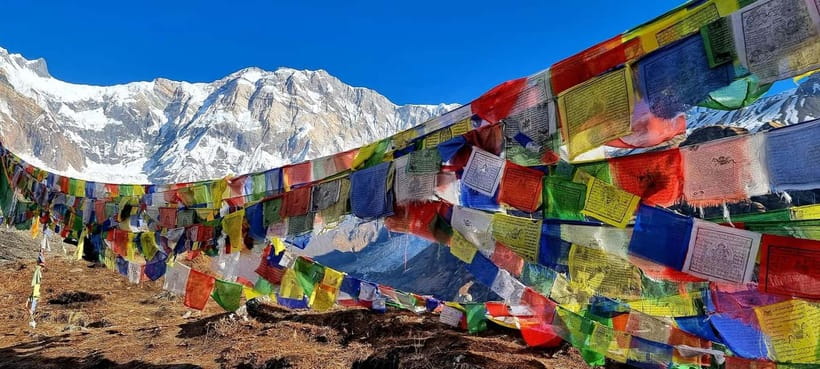
The final day combines about four hours of trekking with three hours by Jeep. You descend from Lower Sinuwa to Jhinu Dada, where natural hot springs provide a welcome break.
The hot springs are more than a decorative extra. After several days of uphill and downhill walking, warm water gives your legs a chance to relax before the return drive. Bring a small towel or ask in advance what is supplied, since the included equipment list does not mention one.
After the soak, you continue by road to Lakeside Pokhara. The ride gives you time to look back on the trek and shift from mountain routine to town comfort.
The schedule says you return to Lakeside on day five, but mountain trips are affected by weather, trail conditions, and transport. The booking information warns that you might need an additional Pokhara night if you arrive early, depart late, or return from the mountains outside the planned schedule. Keep some flexibility in your hotel and flight plans.
What the $150 price really covers
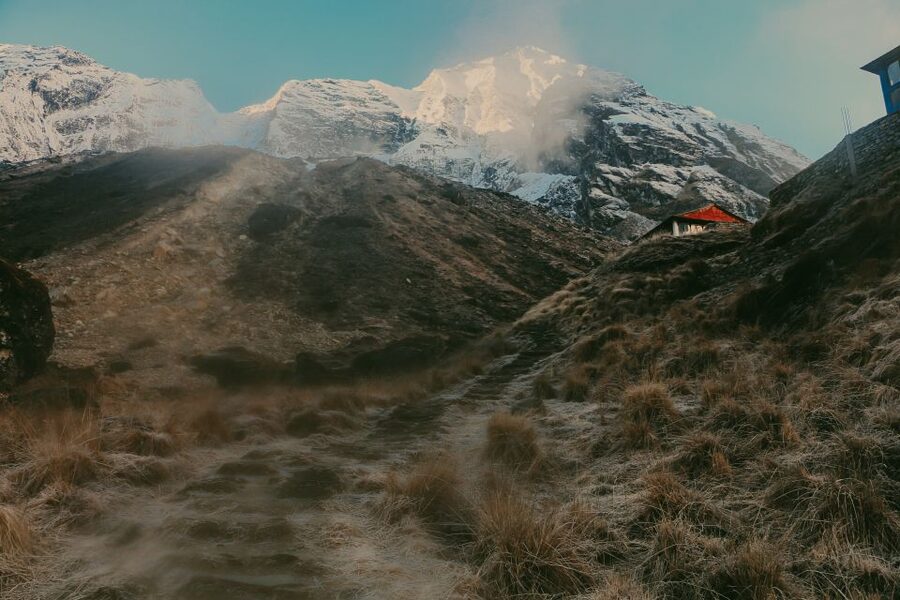
At $150 per person, this is an attractive price if you choose the package carefully. It includes hotel pickup and drop-off, private accommodation during the trek, permits, required paperwork, government taxes, transportation according to the group size, and the expenses of the trekking staff.
Trekking poles, a sleeping bag, and a duffle bag are also included. The luggage storage service is useful for a short trek because you can avoid carrying your full Pokhara luggage to base camp.
There are two package choices. The standard option lets you purchase meals along the route. The all-inclusive full package includes breakfast, lunch, and dinner during the trek. Food is not a small cost or a small decision in the mountains, so confirm which version you are booking before comparing prices.
The base price does not include soft drinks, hard drinks, bottled or boiled water, showers, phone calls, laundry, battery charging, bar bills, or other personal expenses. Porters are extra and can be arranged on request.
A porter may be worth the added cost if you want to carry only a daypack. The trek is already strenuous, and the package does not include porter service. Travel and rescue insurance are also your responsibility. I would not treat that as optional for a high-altitude trek.
Guides, equipment, and the private format
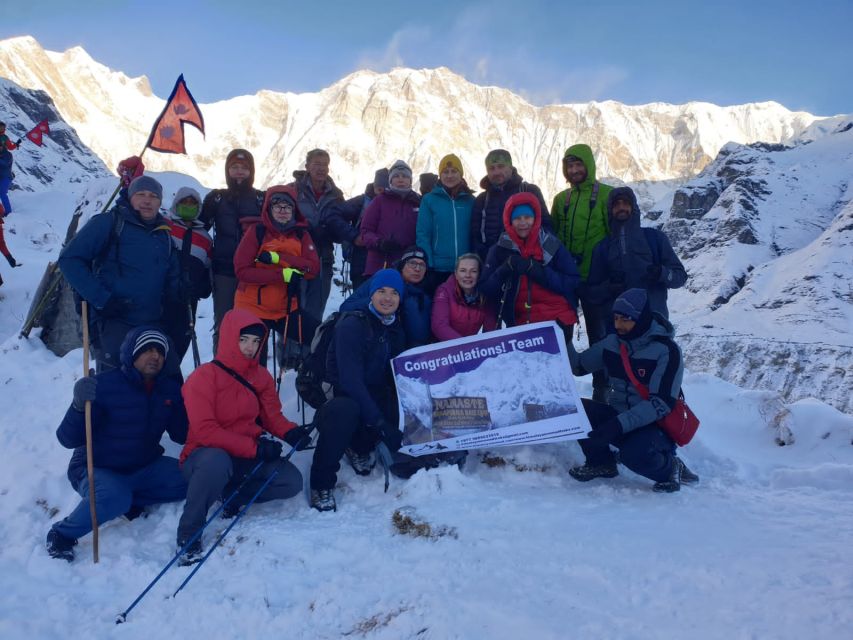
The guide speaks English, Hindi, or Nepali, depending on the person assigned to your group. The private format gives you a more personal setup than a large fixed group, and it may make it easier to discuss walking speed, breaks, and how you are feeling.
The included gear helps keep the packing list shorter. You should still bring hiking shoes, a jacket, warm and comfortable clothing, socks, a hat, sunglasses, sunscreen, a daypack, cash, and a sleeping bag if you prefer your own. The supplied list also recommends a camera and a passport or identity card.
The guide is not simply there to point out mountains. On a short schedule, the guide helps with route choices, rest stops, altitude concerns, and changing trail conditions. Jeet was described as attentive, respectful, funny, and careful about proper rest. Kaji helped a group through difficult snow and avalanche conditions. Those qualities matter far more than a rehearsed speech.
Because the trip is private, ask who will lead your group and what support is available before you set out. The operator covers staff accommodation, meals, salary, equipment, insurance, and transport, but the number of support staff is not specified.
Who should choose five days, and who should not
This trek suits you if you have a good level of fitness, want to reach Annapurna Base Camp quickly, and value a package that handles permits and transport. It also suits people who want a private guide rather than a large group.
It is a poor fit if you dislike long hiking days, have no tolerance for snow or ice, or want plenty of spare time. The route reaches 4,130 meters on day three and follows it with an eight-hour descent on day four.
A seven-day version would be the better choice for many people. One February participant specifically wished for more time because five days felt intense. That is useful advice, not a criticism of the route. The short plan is efficient, but efficiency is not the same as comfort.
Season matters too. The supplied experience does not name a best month, so I would ask about current trail and snow conditions before booking. A February trek faced worse weather than expected and multiple avalanche crossings. If you are uneasy with that risk, wait for more favorable conditions or choose a longer schedule.
Should you book this Annapurna Base Camp trek?
Book it if you want a fast, private route to Annapurna Base Camp and understand that the walking days will be hard. The price is strong for the services included, especially permits, private accommodation, transportation, equipment, guide costs, and luggage storage.
Choose the meal-inclusive option if you prefer a simpler budget. Add porter service if carrying your own gear would make the long days less enjoyable. Most important, buy travel and rescue insurance and leave room in your Pokhara plans for delays.
I would choose this trip for a fit hiker with limited time who wants the hot springs as a satisfying finish. I would choose a longer itinerary for a first high-altitude trek, a slower walker, or anyone traveling in uncertain snow conditions. The mountains are worth seeing, but they deserve enough time to be enjoyed safely.
FAQ
How high does this trek go?
The highest point is Annapurna Base Camp at 4,130 meters.
How long is the trek each day?
Day one includes about four hours of trekking after a three-hour Jeep ride. Day two takes about seven hours on foot, day three about five hours, day four about eight hours, and day five about four hours of trekking followed by about three hours by Jeep.
Are meals included?
Meals are included only with the all-inclusive full package. The standard option allows you to purchase meals along the route.
Is a porter included?
No. Porters can be arranged for an additional cost.
What equipment is provided?
The package includes trekking poles, a sleeping bag, and a duffle bag. You should also bring suitable hiking shoes, a jacket, a daypack, comfortable clothes, sunscreen, sunglasses, and other personal items.
Does the trek include the Jhinu Dada hot springs?
Yes. On the final day, you descend to Jhinu Dada and have time to relax at the natural hot springs before continuing to Lakeside Pokhara by Jeep.
More Five-Day Trips in Nepal
- Pokhara: 5-Day Trek to Annapurna Base Camp and Hot Springs
★ 5.0 · 4 reviews - 5-Day Annapurna Base Camp Trek with Natural Hot Springs
★ 5.0 · 3 reviews - Yellowstone, Grand Teton, and Hot Springs: Small Group 5-Day Tour
★ 5.0 · 2 reviews
More Hikes and Treks in Nepal
- Short Day Trip Hiking with 1 Hour Spa Massage in Kathmandu
★ 5.0 · 11 reviews - 5 Days Hiking, Tour, Meditation and Yoga Retreat in Kathmandu, Nepal
★ 5.0 · 10 reviews - Pkr/Kathmandu: 5-Day Annapurna Base Camp & Hot spring Trek
★ 5.0 · 6 reviews - Pokhara: Amazing 7-Day ABC Trek with Natural Hot Spring
★ 5.0 · 5 reviews
Just added around Nepal
- 1-Hour Swedish Massage in Pokhara with Pick Up★ 5.0 · 2 reviews
- 7 Days Annapurna Base Camp Trek from Pokhara with Hot Spring★ 5.0 · 2 reviews
- Facial Treatment with Fruits in Pokhara with Hotel Pickup★ 5.0 · 3 reviews
- Trekkers & Hikers Spa Package by Heritage Spa★ 5.0 · 9 reviews
- Unlimited Sauna Steam and Jacuzzi★ 5.0 · 2 reviews
- Lower Mustang Jomsom Muktinath Hot Spring Tour in 4 WD Jeep★ 4.5 · 2 reviews
- Spa and Massage Therapy for a Relaxing Experience in Avata, Kathmandu★ 5.0 · 3 reviews
- Short Day Trip Hiking with 1 Hour Spa Massage in Kathmandu★ 5.0 · 11 reviews
More spa days in Nepal.
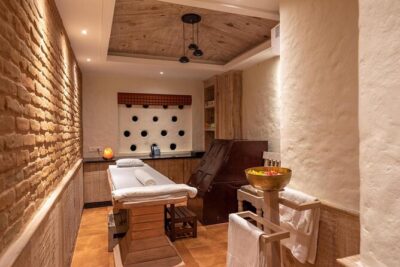
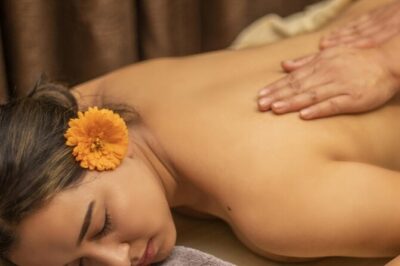
Shirodhara and Sound Healing Spa Experience in Kathmandu
Read our review →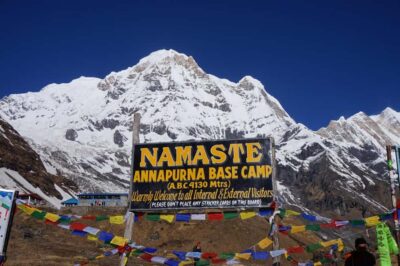
5 Day Annapurna Base Camp Trek & Natural Hot Spring
Read our review →
6 Hours Spa Package in Kathmandu (Massage, Sauna, Steam, Jacuzzi)
Read our review →
21 days Himalayan yoga retreat in Nepal in Kathmandu
Read our review →
10 Days Ayurveda & Yoga Retreat in Kathmandu, Nepal
Read our review →
21 Day Ayurveda & Yoga Retreat in the Himalayan country, Nepal
Read our review →Other lists this one is on