
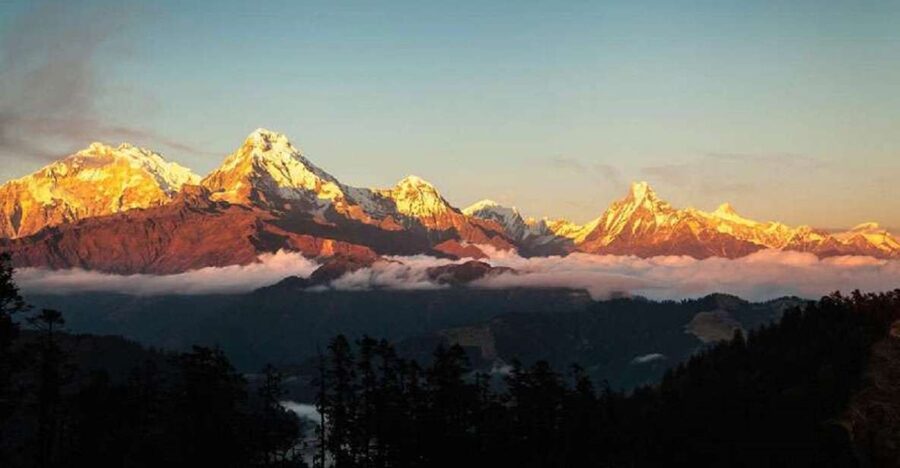
REVIEW · NEPAL
From Pokhara: 5-Day Annapurna Basecamp Trek with Hot Springs
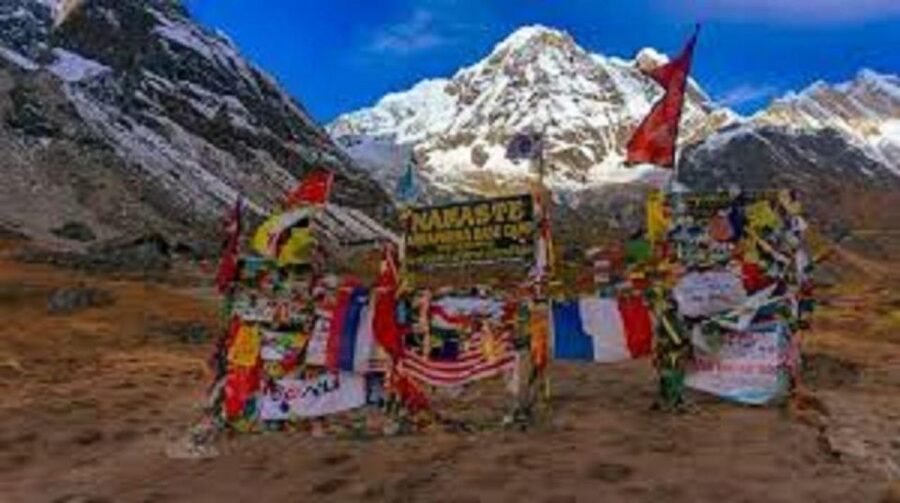
Annapurna Base Camp is the prize here, but the route earns it honestly: you walk through forest, stone villages, terraced hills, and high mountain country before reaching the amphitheater of peaks at 4,130 meters. I like the private group format, which lets your guide set a sensible pace, and I like the built-in Jhinu Danda hot spring stop, a welcome reward after several long days on foot.
The five-day schedule is efficient, not leisurely. You will face steep steps, cold nights, long downhill stretches, and a quick rise in altitude. Guides including Anil, Santosh, Uttam, Bishnu, and Sun Bahadur have received especially warm praise for patience, safety, humor, and encouragement, but you should still arrive fit and properly equipped.
The five things that matter most
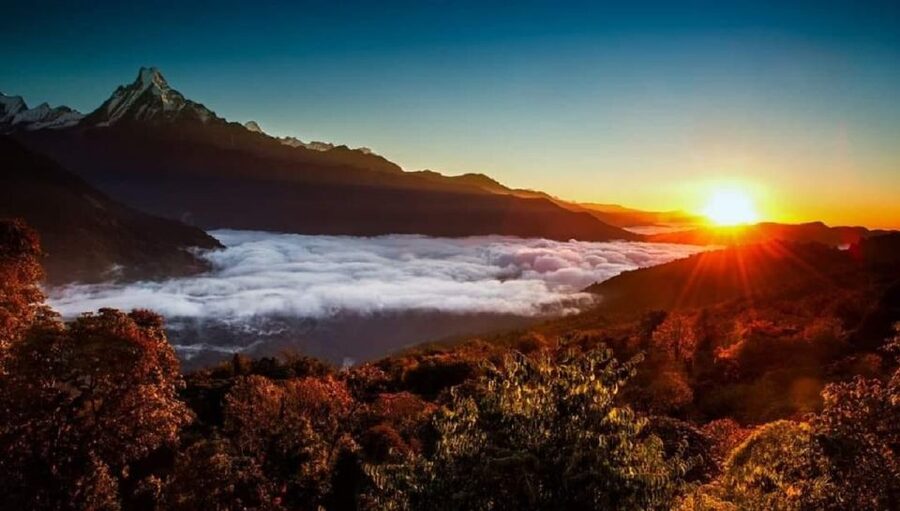
- Annapurna Base Camp at 4,130 meters: Reach the famous mountain camp after passing Machhapuchhre Base Camp and viewing Annapurna South, Annapurna I, Hiunchuli, and Fishtail.
- A private trek with a local guide: English, Hindi, and Nepali support is available, with named guides such as Anil, Santosh, Uttam, and Bishnu frequently assigned.
- A real village-to-mountain route: Walk through Gurung, Magar, and Tibetan cultural areas, with tea houses and traditional settlements along the way.
- A hot spring at Jhinu Danda: The final walking day includes time at the natural hot springs before the road transfer back to Pokhara.
- A tight five-day schedule: You spend about four to seven hours walking each day, with the longest return day listed at roughly seven hours.
- A strong package at $155: Transport, permits, basic lodging, guide costs, first aid, and selected meals are included, while insurance and a porter cost extra.
Why this five-day trek works
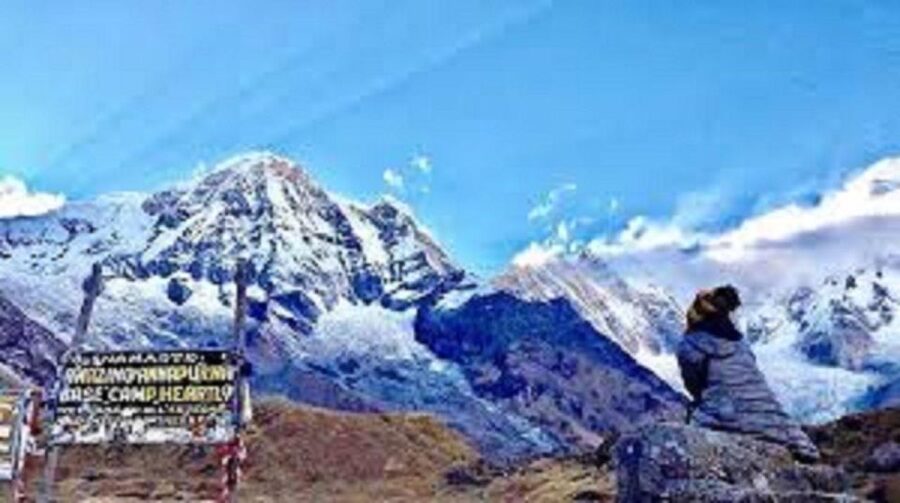
I like this trip because it puts the main Annapurna experience within reach of visitors staying in Pokhara. You do not spend a week simply working your way toward the base camp. The route gets you into the hills on the first day and reaches ABC by the third day.
That speed is also the main compromise. A five-day trek leaves little spare time for a slow adjustment to altitude, bad weather, or a tired pair of legs. The schedule suits you if you already hike regularly and want a focused Himalayan trip. It is less suitable if you prefer short walking days, extra rest days, or a gentle introduction to trekking.
The price of $155 is attractive for a private trek. It covers round-trip transport from Pokhara, the Annapurna Conservation Area permit, basic tea-house or lodge accommodation, a government-registered English-speaking guide, first aid, luggage storage in Pokhara, and hot spring entry. Meals are included according to the option you choose, so check that detail carefully before paying.
A porter is not included. If you want one, the stated rate is $20 per day. Travel insurance is mandatory, and emergency rescue is available if needed but is not listed as part of the basic price. That makes insurance more than a formality, particularly on a route that reaches 4,130 meters.
More Hot Springs in Nepal
- Pokhara: 5 Day Annapurna Base Camp Trek & Natural Hot Spring
★ 4.9 · 44 reviews - Pokhara: 7-Day Annapurna Base Camp Trek & Natural Hot Spring
★ 5.0 · 11 reviews - Pkr/Kathmandu: 5-Day Annapurna Base Camp & Hot spring Trek
★ 5.0 · 6 reviews
From Pokhara to Jhinudanda and Sinuwa
Pickup is available from hotels in Pokhara Lakeside, Sarangkot, several named resorts, and Pokhara International Airport. The guide and vehicle are scheduled to arrive five minutes early with a sign showing your name and booking details, a small but useful touch when you are leaving before the day gets busy.
The transport plan lists jeep or SUV travel and bus or coach travel, each at about three hours. The exact road arrangement can depend on the starting point and local conditions, so confirm the vehicle and expected departure time in advance. The drive brings you to the trail area around Matque or Jhinudanda.
From there, you begin walking toward Sinuwa, with Chomrong also used as a possible overnight point depending on the final plan. This first walking section takes about four to five hours and includes steep descents and climbs. It is a good preview of the trek: the trail is scenic, but it is not flat, and the stone steps can make a short distance feel longer.
Sinuwa is the more clearly listed overnight destination. You will pass forest and hillside villages, with views opening and closing as the path follows the contours. The village setting gives you an early look at mountain life before the route moves higher and becomes more remote.
Sinuwa to Deurali through bamboo and rhododendron
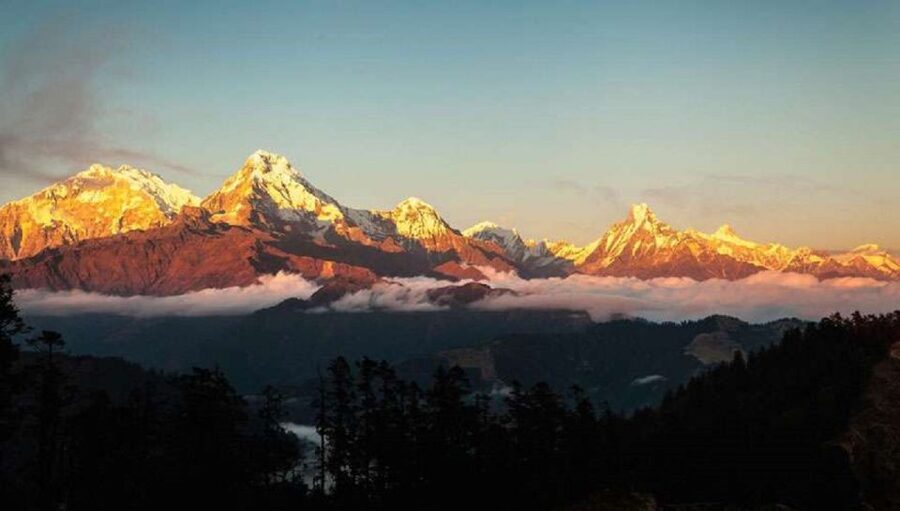
Day two runs from Sinuwa to Deurali and takes about six hours. This is a classic middle-hills walk, with dense stands of bamboo, oak, and rhododendron. The trees provide shade, but they also limit the mountain views for stretches, so do not expect a constant panorama.
The trail rises and falls repeatedly. You may feel that you are gaining height only to lose it again, especially near river crossings and steep stair sections. Keep your pace steady rather than trying to win the morning. Your guide can help you take breaks before fatigue becomes a problem.
This section is valuable because the trek is not only about reaching a viewpoint. You see how the route changes from cultivated hills and villages into forested mountain country. Gurung and Magar cultural connections are part of the experience, while the wider route also reflects Tibetan influence in its people and traditions.
Deurali is a practical overnight stop before the high push to ABC. The schedule includes sunset and sunrise viewing when conditions allow. At this elevation, nights can be cold, and tea-house accommodation is basic. Bring warm layers and do not count on comfort levels similar to a Pokhara hotel.
The climb to Annapurna Base Camp at 4,130 meters
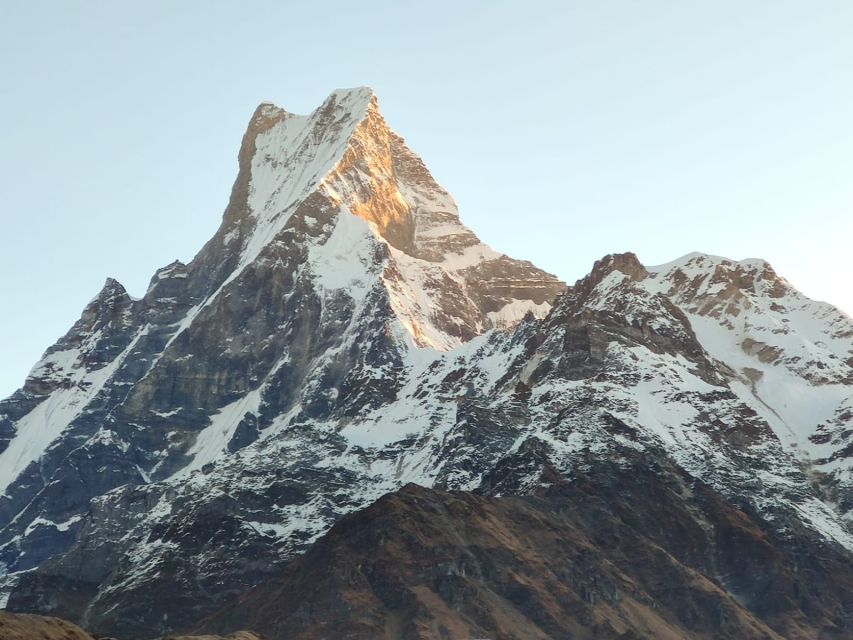
Day three is the emotional center of the trip. From Deurali, you walk to Machhapuchhre Base Camp and then continue to Annapurna Base Camp. The listed walking time is about four hours, though pace, weather, and trail conditions can affect the day.
Machhapuchhre, or Fishtail, is one of the defining peaks of the route. You also gain views toward Annapurna South, Annapurna I, and Hiunchuli as the trail enters higher mountain country. The scenery changes quickly from forest to open slopes and broad views of snow-covered peaks.
The final climb is challenging less because of technical hiking and more because of altitude. At 4,130 meters, the air is noticeably thinner, and a pace that feels easy near Pokhara can feel slow here. Walk deliberately, drink regularly, and tell your guide if you develop a headache, nausea, unusual tiredness, or breathing trouble.
ABC itself is not the summit of Annapurna I. It is the base camp beneath the mountain range, set among dramatic peaks. That distinction matters, but it does not reduce the appeal. You are surrounded by the Annapurna massif, with Machhapuchhre and the other named peaks creating the kind of mountain setting that makes the long approach worthwhile.
The schedule allows time for sightseeing, photographs, sunset, and sunrise. Cold is a serious consideration. Pack gloves, a warm hat, thermal layers, and a good sleeping layer, even if Pokhara feels warm when you leave.
Same place, a different way to unwind:
- Whole Day Massage & Spa With Lunch
★ 5.0 · 54 reviews - Shirodhara and Sound Healing Spa Experience in Kathmandu
★ 5.0 · 52 reviews - 6 Hours Spa Package in Kathmandu (Massage, Sauna, Steam, Jacuzzi)
★ 5.0 · 43 reviews - 21 days Himalayan yoga retreat in Nepal in Kathmandu
★ 5.0 · 28 reviews
Returning through Bamboo and Jhinu Danda
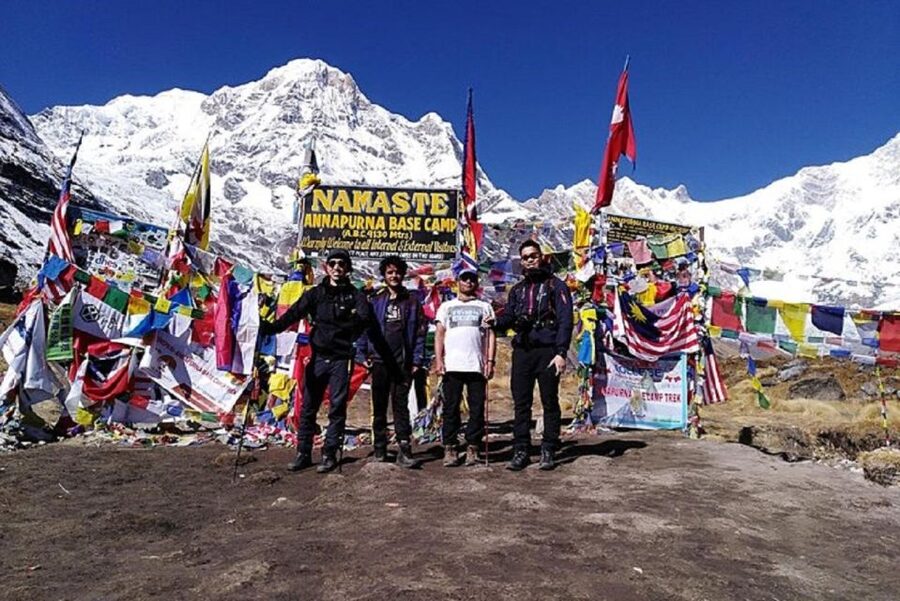
After reaching ABC, you retrace much of the same route. Day four takes you down to Bamboo in about six hours. The downhill direction is easier on your lungs, but it can be hard on knees and ankles, especially after the high-altitude day.
Use trekking poles if you have them. A pole is listed among the equipment that can be supplied if required, but confirm availability before departure. Downhill walking also demands concentration, since loose or uneven sections can punish a rushed step.
Bamboo gives you a lower and generally less exposed overnight setting. The return route is not a second grand tour of the mountains, but it lets you notice details missed on the way up. Forest textures, small settlements, bridges, and changing views become easier to appreciate when you are not focused on gaining height.
Day five runs from Bamboo to Jhinu Danda and then back to Pokhara. The walking portion is listed at roughly seven hours, making it the longest day by the stated schedule. You will encounter more steep steps and descents before reaching the hot spring area.
The hot springs are a welcome part of the plan, not a decorative extra. Entry is included, and the stop gives you a chance to rest after the trail before the road journey. Expect the final day to feel full: several hours of walking followed by transport back to Pokhara.
What the guides add to the experience
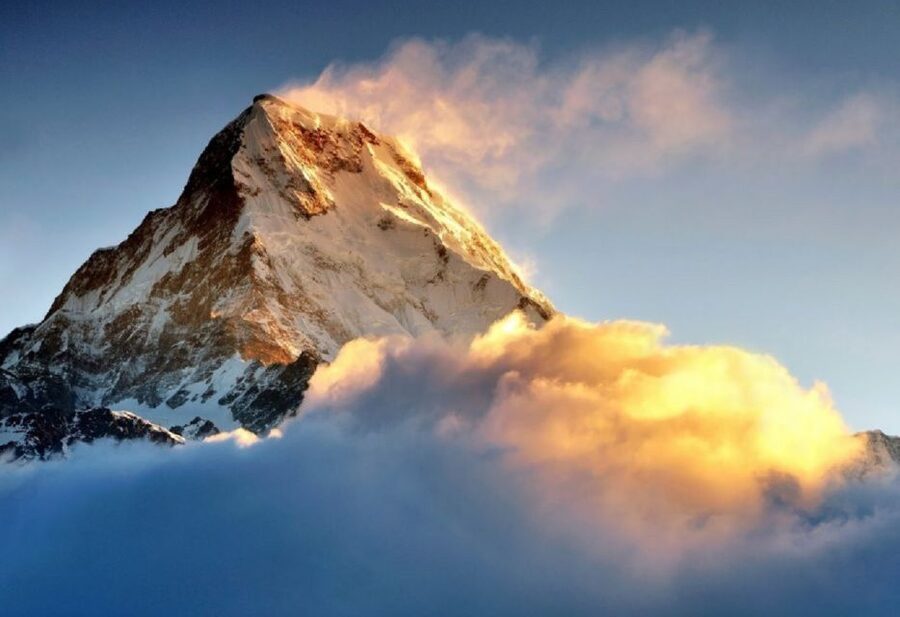
The guide may be the most important part of a short trek. Five days leaves little room for confusion, and a good guide helps with pace, tea-house arrangements, route decisions, and signs of altitude trouble.
Anil is specifically associated with patience, encouragement, local explanation, and a good sense of humor. That combination is useful for a first long trek, especially when the cold or steep sections begin to wear you down. Santosh has been praised for safety, route knowledge, and reminding hikers to take their time.
Uttam is noted for close attention to food, lodging, service, and general comfort. Bishnu is described as friendly, understanding, and reassuring throughout the walk. Sun Bahadur is especially associated with positive energy and explanations of Nepali culture and food.
Other guides may be assigned, including Candra, Sanik, Santos, and Milo. If you have a preferred guide named at booking, ask the operator to confirm availability rather than assuming that person is guaranteed.
The trip is private, not a large shared departure. That matters when you need to slow down, stop for photographs, or adjust plans because of weather. One party had its schedule changed during serious weather conditions, and the company was able to reorganize the trek. No mountain plan is fixed, so flexibility is a real advantage.
Tea houses, food, and what to pack
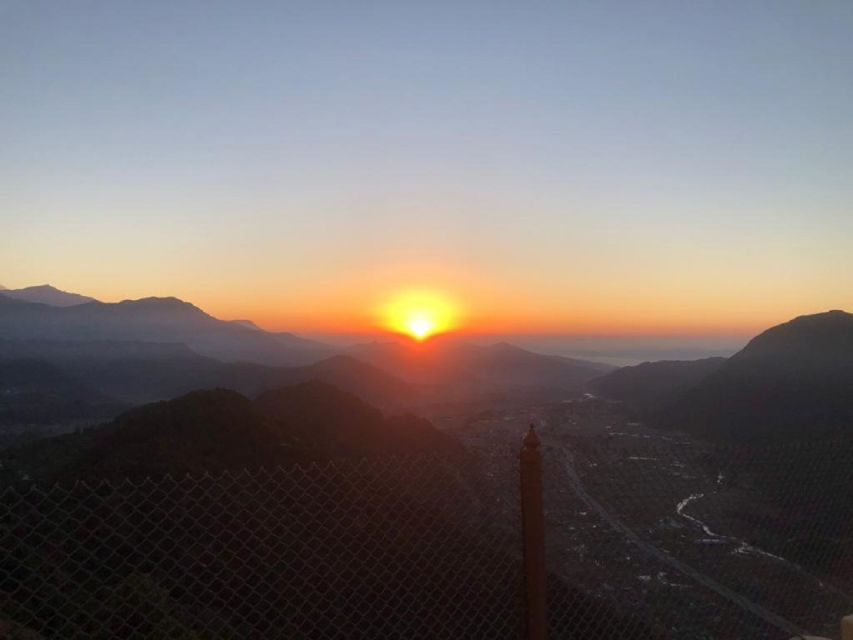
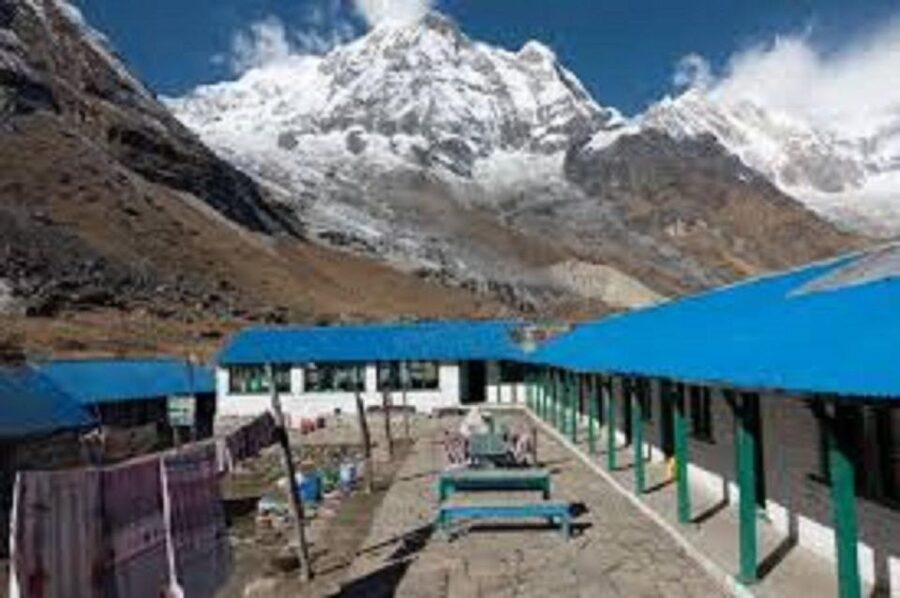
Accommodation is in basic tea houses or lodges. Think practical mountain shelter rather than boutique comfort. The setting is part of the appeal, but you should be ready for simple rooms and cold conditions at higher elevations.
Meals are covered depending on the option selected. Personal snacks and drinks are extra, and cash is specifically recommended. Bring money for those small purchases, since the package does not cover every personal expense.
Pack for warm weather in Pokhara and cold weather near ABC. The supplied guidance calls for comfortable clothing, hiking pants, proper hiking shoes, rain gear, a hat, spare clothes, a camera, trekking equipment, and a passport or copy. A hair tie is also useful if you have long hair.
You must submit a passport copy at least one day before departure so the operator can arrange the government permit. Do not leave this until the morning of the trek.
A duffel bag or trekking bag, trekking poles, and luggage storage in Pokhara may be available. Ask what is included in your selected option and what you need to provide yourself. If you do not want to carry your main load, budget $20 per day for a porter.
Who should book this Annapurna trip
I would choose this trek if I had five days, wanted to reach ABC, and was comfortable with long walking days. It is especially appealing if you are based in Pokhara and want transport, permits, a guide, lodging, and the hot spring visit arranged together.
It also suits first-time trekkers who want support. The guide can explain the route, watch your pace, and help you understand the local culture. Several named guides have a reputation for patience with beginners, but beginner-friendly does not mean easy. You still need reasonable fitness.
I would hesitate if you have no hiking experience, dislike steep stairs, or want a relaxed schedule. The route is described as moderately challenging, and the altitude makes day three more demanding than the walking time suggests.
The strong rating of 4.9 from 26 ratings supports confidence in the operator, especially for guide care and transport. Still, ratings cannot remove the physical demands. Read the inclusions closely, confirm meals, ask about the guide assigned, and buy suitable travel insurance before you go.
Should you book it?
Book this five-day Annapurna Base Camp trek if you want a compact, private route from Pokhara with a real mountain goal and a hot spring finish. The value is good because the $155 price includes several costs that add up quickly, including transport, permit, guide, basic lodging, first aid, luggage storage, and hot spring entry.
Do not book it simply because the price is low. You need to be fit for four to seven hours of walking daily, ready for cold at altitude, and willing to accept basic tea-house accommodation. If that sounds fair, this is a practical way to reach one of Nepal’s great mountain viewpoints with strong guide support and very little planning work left for you.
FAQ
How high is Annapurna Base Camp?
Annapurna Base Camp is at 4,130 meters, or about 13,550 feet.
How long does the trek take?
The activity lasts five days. Walking times range from about four to seven hours per day, with transport from Pokhara at the beginning and end.
Is the trek private?
Yes. The activity is organized as a private group.
Which languages can the guide speak?
Guides are available in English, Hindi, and Nepali.
Is transportation from Pokhara included?
Yes. Round-trip transportation between your hotel, Pokhara International Airport, and the trek starting point is included. Pickup and drop-off are offered from Pokhara, Pokhara Lakeside, Sarangkot, the airport, and several named hotels and resorts.
Is accommodation included?
Yes. Accommodation is in basic tea houses or lodges during the trek.
Are meals included?
Meals are included according to the option selected. Personal snacks and beverages are not included.
Is a porter included?
No. A porter can be arranged if needed at the stated rate of $20 per day.
Do I need travel insurance?
Yes. Travel insurance is mandatory. Emergency rescue services are available if required, but they are not included among the standard inclusions.
More Hikes and Treks in Nepal
- Bali: Mount Batur Sunrise Guided Hike and Natural Hot Spring
★ 4.8 · 9,284 reviews - Mount Batur Sunrise Hike and Natural Hot Spring Option
★ 5.0 · 1,927 reviews - Private Tour Mount Batur Sunrise Trekking and Natural Hot Spring
★ 5.0 · 431 reviews - Mount Batur Sunrise Hike, Breakfast & Hot Spring
★ 5.0 · 316 reviews
Just added around Nepal
- Kathmandu: Full-Day Yoga, Body Massage and Pedicure Package★ 5.0 · 3 reviews
- Kathmandu: Spa Package with Massage, Facial and Bath★ 4.1 · 11 reviews
- 10 Days Ayurveda & Yoga Retreat in Kathmandu, Nepal★ 5.0 · 24 reviews
- 21 Day Ayurveda & Yoga Retreat in the Himalayan country, Nepal★ 5.0 · 19 reviews
- 7 Days Thai Yoga Massage Training and Retreat in Begnas Nepal★ 5.0 · 6 reviews
- 21 days Himalayan yoga retreat in Nepal in Kathmandu★ 5.0 · 28 reviews
- Shirodhara and Sound Healing Spa Experience in Kathmandu★ 5.0 · 52 reviews
- 6 Hours Spa Package in Kathmandu (Massage, Sauna, Steam, Jacuzzi)★ 5.0 · 43 reviews
More spa days in Nepal.
Shirodhara and Sound Healing Spa Experience in Kathmandu
Read our review →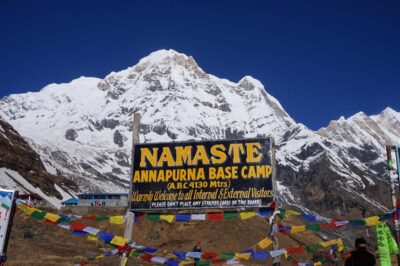
5 Day Annapurna Base Camp Trek & Natural Hot Spring
Read our review →
6 Hours Spa Package in Kathmandu (Massage, Sauna, Steam, Jacuzzi)
Read our review →
21 days Himalayan yoga retreat in Nepal in Kathmandu
Read our review →
10 Days Ayurveda & Yoga Retreat in Kathmandu, Nepal
Read our review →
21 Day Ayurveda & Yoga Retreat in the Himalayan country, Nepal
Read our review →
Other lists this one is on