
REVIEW · NEPAL
Pkr/Kathmandu: 5-Day Annapurna Base Camp & Hot spring Trek
Annapurna Base Camp is a serious Himalayan goal packed into just five days. You walk from Simrung through thick forest and stone villages, sleep in basic mountain lodges, and reach the bowl-shaped sanctuary beneath Annapurna I, Machapuchare, and Hiunchuli.
I like the direct route and the small private-group format. I also like that the trip includes the early morning view from Machapuchare Base Camp and an optional hot spring stop at Jhinu Danda. The main caution is simple: this is a fast trek, with altitude, cold, rain, snow, and six-hour walking days all possible.
Key points to know before you book
- Annapurna Base Camp reaches 4,130 meters, so fitness and careful pacing matter.
- The route begins at Simrung, after a two to three-hour shared Jeep ride from Pokhara.
- Machapuchare Base Camp is the scenic turning point, with a dramatic valley approach and sunrise nearby.
- The night at ABC is basic, with tea-house lodging in a cold, high setting.
- Jhinu Danda adds a natural hot spring stop, though the soak is listed as optional.
- Guide support is a major part of the value, with recent guides including Sagar, Raj, Shiva, Nareen, and Bimal.
What this five-day Annapurna trek is really like
This is not a gentle introduction to Nepal’s mountains. It is a compact hike to one of the country’s most famous high-altitude viewpoints, with the walking compressed into four trekking days and a return to Pokhara on the fifth.
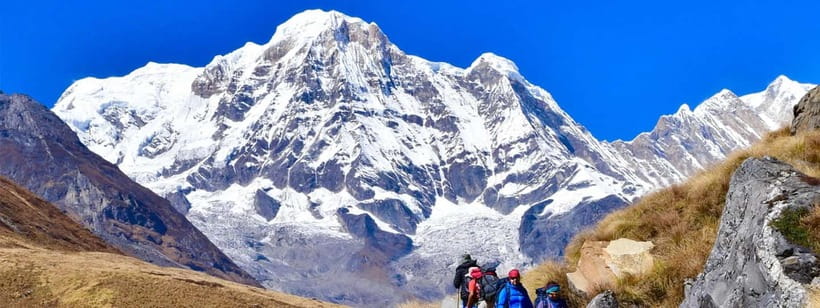
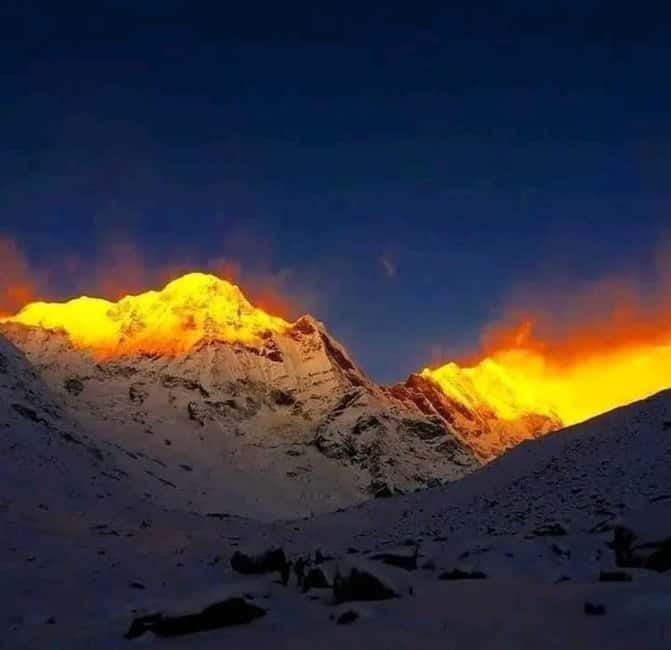
The route leads into the Annapurna Sanctuary, a mountain amphitheater surrounded by major peaks. Annapurna I rises to 8,091 meters, while Machapuchare, also called Fishtail, gives the route much of its visual drama. Hiunchuli adds another high wall to the view.
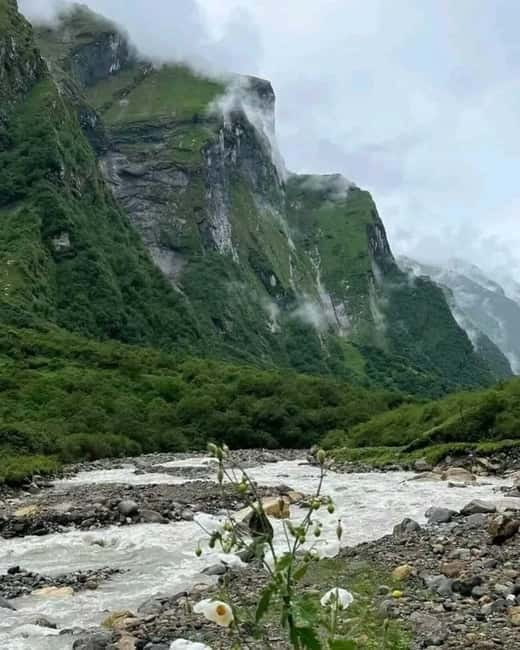
You are not simply driving to a lookout and taking a picture. You are walking through changing scenery, from warm lower valleys to cold alpine heights. Forests give way to rock, snow, and open mountain views. Rivers, waterfalls, suspension bridges, tea houses, and Gurung villages help break up the harder climbs.
The five-day schedule is efficient, but efficiency comes at a cost. You have less spare time than on a longer ABC route. If rain or snow slows the group, the walking can feel demanding. I would choose this version if you have limited time and reasonable fitness, not if you want a relaxed mountain holiday.
More Hot Springs in Nepal
- Pokhara: 5 Day Annapurna Base Camp Trek & Natural Hot Spring
★ 4.9 · 44 reviews - From Pokhara: 5-Day Annapurna Basecamp Trek with Hot Springs
★ 4.9 · 26 reviews - Pokhara: 7-Day Annapurna Base Camp Trek & Natural Hot Spring
★ 5.0 · 11 reviews
Day 1: Kathmandu or Pokhara to Sinuwa
If you start in Pokhara, pickup is provided from your hotel in the Lakeside area. The group then drives for roughly two to three hours toward Simrung, passing through Nayapul before reaching the trailhead.
If you start in Kathmandu and choose that option, the package includes a 30-minute flight to Pokhara, followed by the same road transfer and trek. The return Kathmandu to Pokhara flight is an add-on rather than part of every version, so check the exact package before paying.
From Simrung, you walk for four to five hours to Sinuwa. This first day mixes road transfer and a proper mountain hike, which means your legs get tested soon after arrival. The highest point is about 2,340 meters, high enough to begin paying attention to hydration and pace, but not yet the main altitude challenge.
Sinuwa is a useful first night because it places you inside the trekking corridor without pushing too high too quickly. Accommodation is in a basic guest house. Expect practical rather than polished: a bed, shared facilities, and a simple place to eat and rest.
The most important tip for Day 1 is to keep your daypack light. You will want water, rain protection, warm layers, sunscreen, and a camera close at hand. If you have arranged a porter, use the service for heavier luggage rather than carrying everything yourself.
Day 2: Forest trails, waterfalls, and Deurali
The second day takes five to six hours from Sinuwa to Deurali, reaching about 3,230 meters. The trail passes through Himalaya, a small settlement with tea houses, and continues through dense forest.
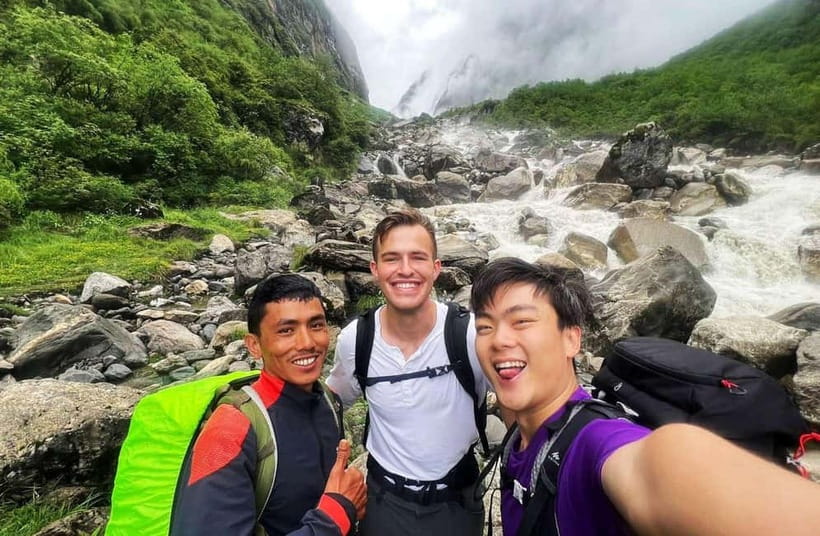
This section gives you some of the route’s best natural variety. You pass waterfalls and follow the sound of running water through the trees. The forest provides shade, but it can also make the path wet and slippery in poor weather.
The route is not all steady climbing. There are ups and downs, stone steps, and uneven ground. That matters because a trek can feel harder when you are constantly changing rhythm instead of simply walking uphill.
Deurali is your second mountain night. At this height, cold becomes more noticeable, especially after sunset and before breakfast. Pack a warm hat, gloves, dry socks, and a reliable outer layer. Weather can change quickly, and one Spanish group found the combination of cold, rain, and snow especially tough despite having limited trekking experience.
This is also where sensible pacing pays off. You do not win anything by racing ahead early in the day. Stay with your guide, drink regularly, and take short rests before you feel exhausted.
Day 3: Machapuchare Base Camp to Annapurna Base Camp
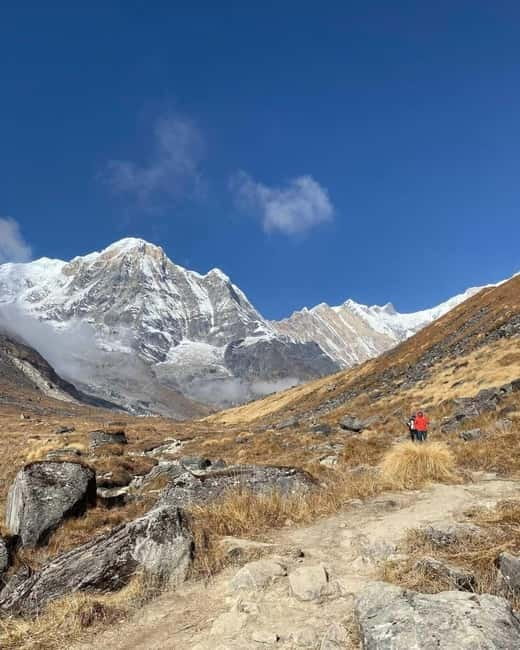
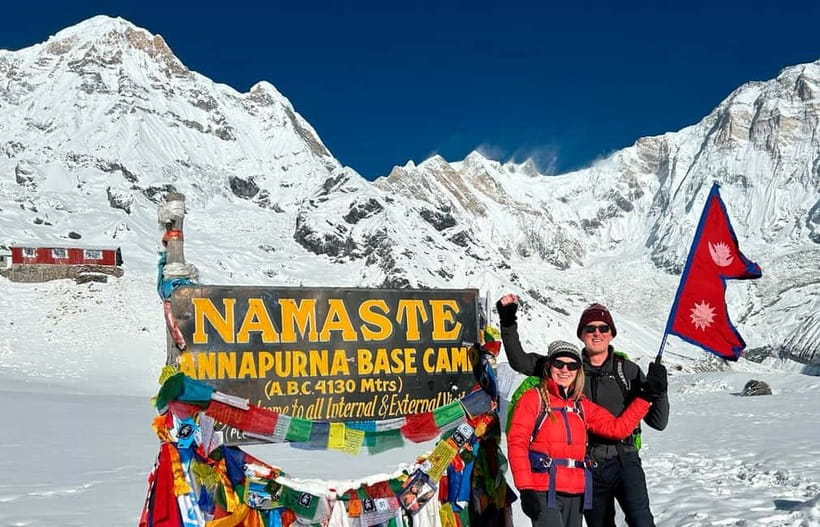
Day 3 is the heart of the trek. You walk five to six hours from Deurali through Machapuchare Base Camp, then continue to Annapurna Base Camp at 4,130 meters.
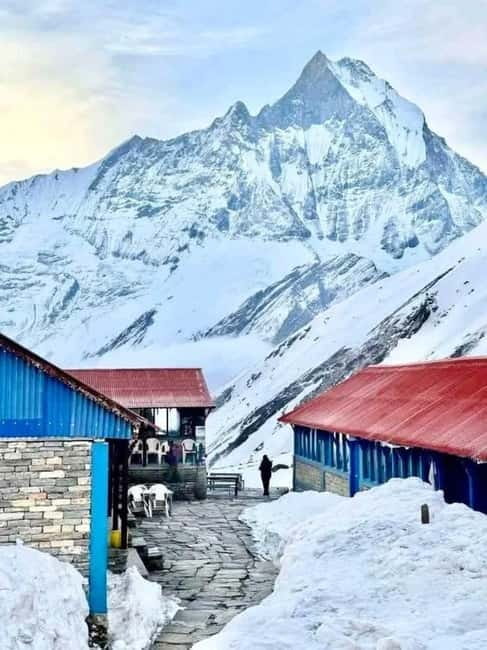
The approach to Machapuchare Base Camp is one of the trip’s strongest sections. The valley opens as you gain height, and the enclosing peaks become more immediate. The name Machapuchare means Fishtail, and the mountain’s distinctive shape makes it easy to recognize.
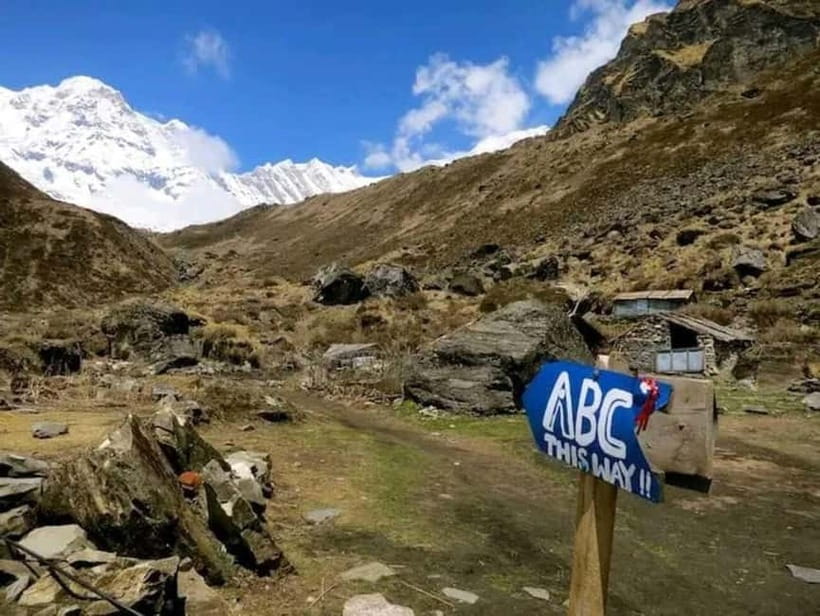
From MBC, the route continues toward ABC. The scenery changes again as trees disappear and the high sanctuary takes over. The mountains feel closer, larger, and less like distant scenery. Annapurna I, Hiunchuli, and the surrounding range form the main reward for the long climb.
Reaching 4,130 meters in a five-day schedule is no small matter. Altitude affects people differently, and good fitness does not guarantee that you will feel fine. Headache, unusual tiredness, poor sleep, nausea, or dizziness should not be ignored. Tell your guide promptly if you feel unwell.
The overnight stay at ABC is part of the appeal, but it is also the least comfortable night. Tea-house rooms at this height are basic, and the cold can be intense. The reward is being in the sanctuary at sunset, when the western light can reach the mountains and the surrounding peaks take on changing colors.
Do not expect a luxury lodge or a quiet private retreat. The value comes from the location and the experience of spending the night near base camp. Bring a sleeping bag if offered one, and make sure you have warm clothing for the evening and early morning.
Same place, a different way to unwind:
- Whole Day Massage & Spa With Lunch
★ 5.0 · 54 reviews - Shirodhara and Sound Healing Spa Experience in Kathmandu
★ 5.0 · 52 reviews - 6 Hours Spa Package in Kathmandu (Massage, Sauna, Steam, Jacuzzi)
★ 5.0 · 43 reviews - 21 days Himalayan yoga retreat in Nepal in Kathmandu
★ 5.0 · 28 reviews
The sunrise at Machapuchare Base Camp
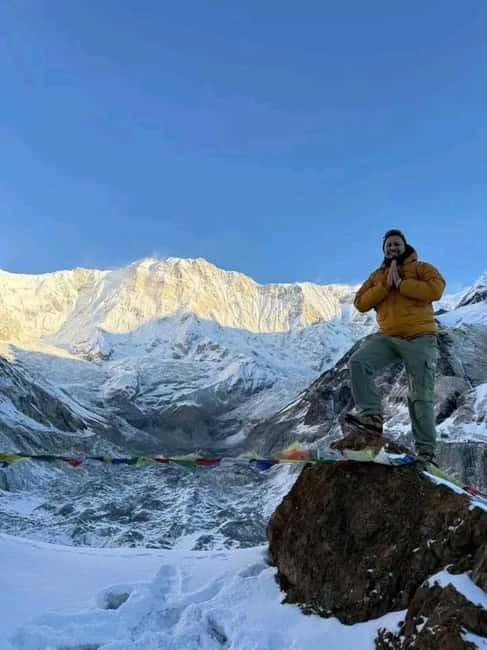
The next morning begins early for the return walk. The route allows you to see the sanctuary in morning light, with the sunrise near Machapuchare Base Camp serving as one of the trek’s signature moments.
Sunrise in the mountains is less about comfort and more about timing. You may be outside in freezing conditions before the day warms up. Keep your camera ready, but do not let photography distract you from footing on the trail.
After leaving ABC, you retrace the route through Deurali, Himalaya, and Dobhan. The return to Bamboo or Sinuwa takes six to seven hours, making Day 4 one of the longest days of the trip.
Going downhill does not automatically mean easy. Stone steps can be hard on knees, and tired legs make slips more likely. Trekking poles are useful here, but there is an important practical detail: the equipment list says poles can be borrowed, while one recent departure did not receive them and improvised with bamboo. Confirm your equipment before setting out.
If your overnight stop is Bamboo, the day may feel more manageable because it is lower. If the plan places you at Sinuwa, you continue farther. Ask your guide for the expected destination and departure time the night before, since one group found the schedule was not always clear until late in the evening.
Day 5: Jhinu Danda and the return to Pokhara
The final trekking section takes three to four hours to Simrung via Jhinu Danda. This is the route’s lower, warmer end, and it offers a welcome change after the high sanctuary.
Jhinu Danda is known for natural hot springs. The stop is optional, so confirm how much time is available and whether you want to include it. After several cold nights and long walking days, a hot spring can be a pleasant way to finish, though you should not assume the soak is guaranteed as part of every package choice.
From Simrung, the shared Jeep takes roughly two to three hours back to Pokhara. The planned arrival and hotel drop-off are around 5 p.m., although mountain roads and weather can affect timing. Do not schedule a tight evening flight or important appointment immediately afterward.
The return drive is part of the package, but it is not a sightseeing transfer. You are coming off a demanding trek, and the road may feel long. Still, reaching your Pokhara hotel the same day is a useful feature for anyone working within a short Nepal itinerary.
Guides, porters, and the human side of the trek
The guide can make a major difference on a fast high-altitude route. Recent guide teams have included Sagar, Raj, Naron, Shiva, Nareen, Bimal, and porters such as Azis, Vishnu, and Naron. The strongest pattern is attentive support with pacing, accommodation, meals, safety, and communication.
Sagar has been praised for setting a suitable pace and handling the practical details of lodging and meals. Raj and porter Naron were especially important on a last-minute departure, helping the group manage difficult slopes. Nareen was credited with careful support during cold, wet, and snowy conditions.
For women traveling together, respectful and reassuring guide conduct matters. A recent group of women found the guides professional, attentive, and easy to trust throughout the trek. That is the kind of support you want when the route is tiring and the weather turns rough.
The porter option is included only with the all-inclusive package. It is available as an add-on for the budget or Kathmandu version. Ask exactly what weight limit and luggage arrangement apply, since those details are not provided here.
What the $60 price does and does not tell you
At $60 per person, the advertised price looks extremely low for a five-day Himalayan trek. It may represent the budget version, while meals and porter service are tied to the all-inclusive option. The Kathmandu route may also require added flight costs.
The basic inclusions cover hotel pickup and drop-off in Pokhara, the shared Pokhara to Simrung transfer, four nights of mountain guest-house accommodation, a trekking guide, permits, first aid, and borrowed equipment such as sleeping bags, duffle bags, and trekking poles. The Kathmandu option includes hotel transfers and the flight to Pokhara when selected.
Meals are not included in the budget or Kathmandu option unless added. Drinks are excluded, including hot, cold, and alcoholic drinks. Travel insurance is also your responsibility.
I would treat the $60 figure as a starting price, not the final cost of the full experience. Before booking, confirm:
- Which package includes meals
- Whether a porter is included or added
- Whether Kathmandu to Pokhara flights are covered
- Whether return flights are extra
- What borrowed equipment is available
- Whether the hot spring stop is included in the day’s timing
The value can still be strong, especially if you already have suitable gear and are starting in Pokhara. But a low headline price is not useful if you discover later that meals, porter service, flights, and insurance cost much more.
Fitness, altitude, and what to pack
This trek is rated moderate to challenging. You should be comfortable walking for five to seven hours on uneven mountain trails and climbing and descending stone steps.
It is not suitable for people with mobility impairments, heart problems, respiratory issues, altitude sickness, or a low level of fitness. That warning should be taken seriously. The short schedule gives you less time to adjust than a longer itinerary.
Pack warm clothing, hiking shoes, sunscreen, water, a camera, travel insurance documents, and trekking gear. Add layers rather than relying on one heavy jacket. Dry socks and gloves are especially useful if rain or snow arrives.
The best seasons are March to May and September to November. Even then, the weather can change quickly. Prepare for cold temperatures, and expect conditions to vary between the lower trail and ABC.
Alcohol and drugs are not allowed. Alcohol is also a poor choice at altitude, particularly on a schedule that already climbs quickly.
Who should book this ABC trek?
I would recommend it to a fit hiker with limited time in Nepal who wants to reach ABC without committing to a week or more on the trail. It also suits people who value a private group and want a guide to manage permits, lodging, route decisions, and transport.
It is a good match for someone who enjoys simple tea-house accommodation and does not need comfort every night. The mountain setting, sunrise, forests, waterfalls, villages, and hot spring option give the trek plenty of variety.
I would choose a longer itinerary if you are new to mountain hiking, worried about altitude, or prefer spare days for weather. Five days is efficient, but it leaves little room for a slow pace or an unexpected delay.
FAQ
How high does the trek go?
The highest point is Annapurna Base Camp at 4,130 meters. Machapuchare Base Camp is visited on the way.
How long is the walking each day?
Walking times range from three to seven hours. The longest listed day is Day 4, from ABC back to Bamboo or Sinuwa, at six to seven hours.
Does the trek begin in Kathmandu or Pokhara?
You can begin from either city. Kathmandu departures use a 30-minute flight to Pokhara when that option is selected, while Pokhara departures begin with hotel pickup.
Are meals included?
Meals are included with the all-inclusive option. They are not included with the budget or Kathmandu option unless you add them.
Is a porter included?
A porter is included with the all-inclusive option. For the budget or Kathmandu option, porter service is available as an add-on.
Is the Jhinu Danda hot spring included?
Jhinu Danda is included in the Day 5 route, but the hot spring visit itself is optional.
What are the best months for this trek?
The recommended seasons are March to May and September to November. Weather can still be unpredictable, so bring warm clothing and prepare for rain, snow, and cold.
Should you book it?
Book this trek if you want the fastest practical route to Annapurna Base Camp and you are ready for long days, basic lodging, and real altitude. The private guide format, included permits, Pokhara transfers, and equipment loan make the package useful, especially for a short Nepal visit.
Before booking, confirm the exact price package and what it covers. If you are fit, flexible, and comfortable with a demanding schedule, this five-day route offers an impressive amount of mountain scenery in a small window. If you need more time to adjust or prefer a gentler pace, choose a longer ABC plan instead.
More Hikes and Treks in Nepal
- Bali: Mount Batur Sunrise Guided Hike and Natural Hot Spring
★ 4.8 · 9,284 reviews - Mount Batur Sunrise Hike and Natural Hot Spring Option
★ 5.0 · 1,927 reviews - Private Tour Mount Batur Sunrise Trekking and Natural Hot Spring
★ 5.0 · 431 reviews - Mount Batur Sunrise Hike, Breakfast & Hot Spring
★ 5.0 · 316 reviews
Just added around Nepal
- Kathmandu: Full-Day Yoga, Body Massage and Pedicure Package★ 5.0 · 3 reviews
- Kathmandu: Spa Package with Massage, Facial and Bath★ 4.1 · 11 reviews
- 10 Days Ayurveda & Yoga Retreat in Kathmandu, Nepal★ 5.0 · 24 reviews
- 21 Day Ayurveda & Yoga Retreat in the Himalayan country, Nepal★ 5.0 · 19 reviews
- 7 Days Thai Yoga Massage Training and Retreat in Begnas Nepal★ 5.0 · 6 reviews
- 21 days Himalayan yoga retreat in Nepal in Kathmandu★ 5.0 · 28 reviews
- Shirodhara and Sound Healing Spa Experience in Kathmandu★ 5.0 · 52 reviews
- 6 Hours Spa Package in Kathmandu (Massage, Sauna, Steam, Jacuzzi)★ 5.0 · 43 reviews
More spa days in Nepal.
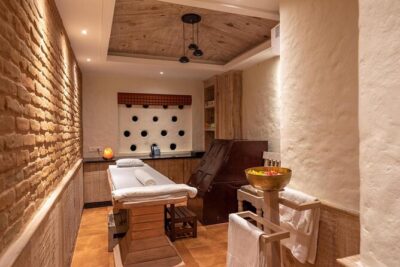
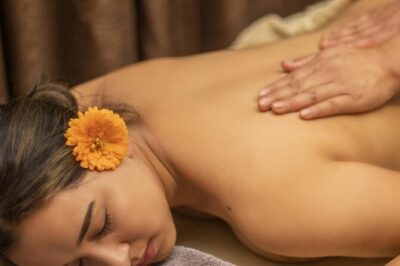
Shirodhara and Sound Healing Spa Experience in Kathmandu
Read our review →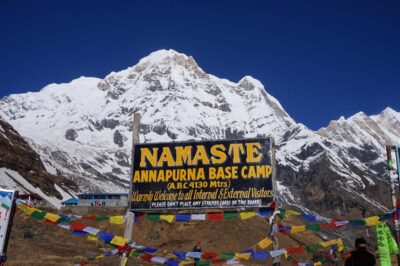
5 Day Annapurna Base Camp Trek & Natural Hot Spring
Read our review →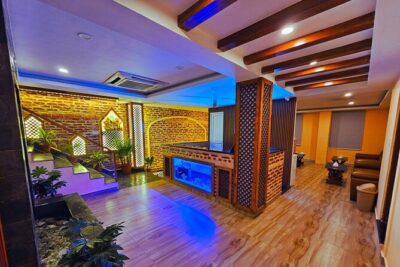
6 Hours Spa Package in Kathmandu (Massage, Sauna, Steam, Jacuzzi)
Read our review →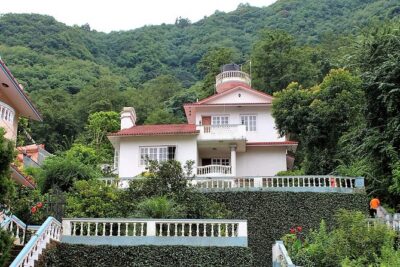
21 days Himalayan yoga retreat in Nepal in Kathmandu
Read our review →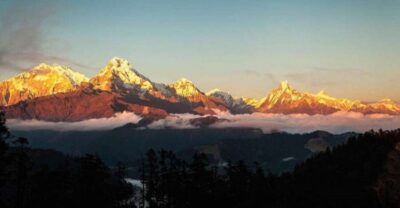
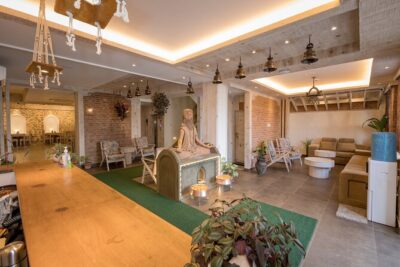
10 Days Ayurveda & Yoga Retreat in Kathmandu, Nepal
Read our review →
21 Day Ayurveda & Yoga Retreat in the Himalayan country, Nepal
Read our review →Other lists this one is on