
REVIEW · CHINA
7-Day TaiChi & Qigong Wellness Retreat in China
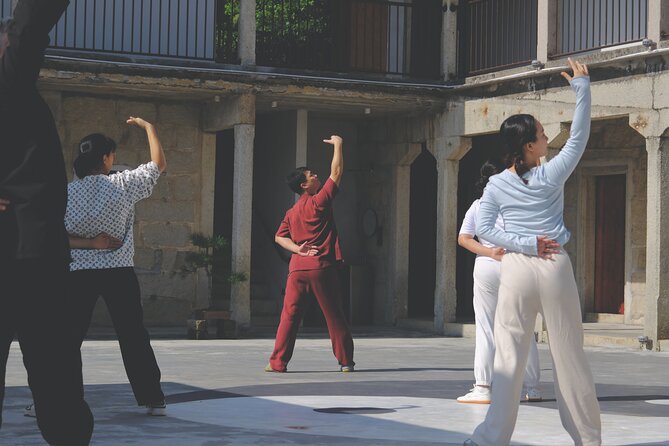
The most appealing part of this retreat is its small-group training with Master Ping, where beginners can learn both movement and the ideas behind Tai Chi. You are not simply dropping into a single class. You spend a week at the center, with time for practice, questions, meditation, and conversation.
I like the English-language teaching and the clear beginner syllabus, which includes stretching, Eight Brocade Qigong, and 10 easy Tai Chi forms. I also like the homestyle setup: seven nights of lodging, three meals a day, Chinese dishes mixed with familiar food, and help from the FangYuan team from airport pickup to departure.
The main consideration is the unusually low advertised price of $100. Confirm exactly what that price covers before paying, especially airport pickup, room arrangements, and the current schedule. The program is in southern China, and private transportation is not included.
Key points at a glance
- About 20 hours of personal training: The week is built around structured practice rather than a quick demonstration.
- Master Ping and English-speaking teachers: You can ask questions about both technique and Tai Chi philosophy.
- Beginner-friendly lessons: No previous Tai Chi or Qigong experience is required.
- Seven nights at the center: Staying on site gives you more time to practice and settle into the rhythm of the program.
- Three meals each day: Chinese cuisine is paired with some familiar home-style options.
- Small groups of up to 10 people: Expect a more personal setting than a large wellness resort.
A week built around practice, not sightseeing
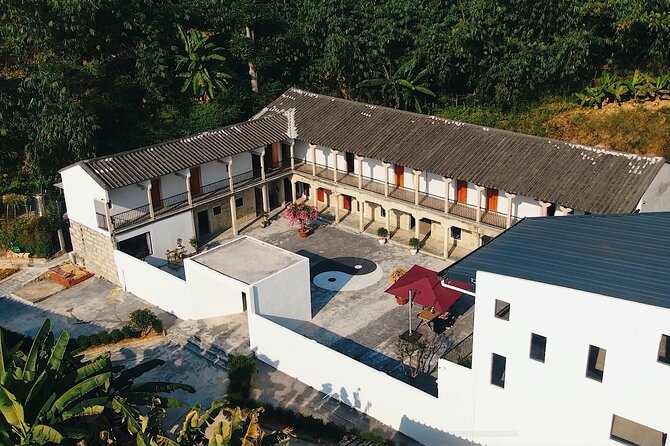
This retreat takes place at FangYuan TaiChi Centre in southern China, near Jieyang Chaoshan Airport. The week focuses on meditation, Qigong, and Tai Chi, with free time available to rest or explore local culture and nature.
The program offers about 20 hours of personalized instruction over seven days. That works out to a steady pace rather than an exhausting martial arts camp. You will have time to repeat movements, ask questions, and let your body adjust.
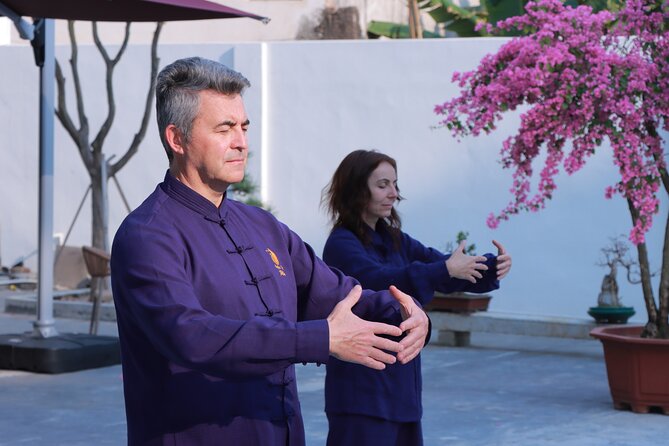
The center describes the practice as a combination of mindfulness, controlled breathing, and flowing movement. Tai Chi postures connect without a pause, so the work is less about speed or force and more about balance, attention, and control.
I see this as a good fit if you want a proper introduction rather than a one-hour tourist lesson. You will learn enough during the week to understand the basic structure of the practice, while still having time to relax.
The schedule also leaves room to leave the center during the weekend for local sights, cultural visits, or time outdoors. Exact outings are not specified, so treat this as free time rather than a guided sightseeing itinerary.
More Yoga and Wellness Retreats in the world:
- Ubud: Wellness Retreat with Massage, Yoga Class, and Lunch
★ 4.8 · 93 reviews - 5-Hour Family Retreat with Hot Springs and Mud Baths in Nha Trang
★ 5.0 · 45 reviews - Blue Lagoon: Retreat Spa Experience & Private Changing Suite
★ 4.7 · 40 reviews
Meeting Master Ping and learning in English
Master Ping is the central teacher named in the program. His work is described as combining technical instruction with the philosophy behind Tai Chi, and the center also uses other high-level teachers.
English instruction matters here. You can ask about posture, breathing, movement, and the ideas behind the exercises without relying entirely on translation. That is especially useful for a slow practice where a small change in balance or body position can affect the whole form.
The teaching is aimed at beginners, so you do not need a background in martial arts, meditation, or Chinese exercise. You will begin with an introduction to the history of Qigong and Tai Chi, then move into body stretching and simple routines.
The course also suits someone who already practices. One person who had taught Tai Chi for years used the stay to train in China with an expert teacher. The difference is that an experienced student may spend less time learning the names and order of movements, and more time refining them.
Do not expect a full professional qualification in one week. The certificate of completion marks your participation, but the retreat is still an introduction. Tai Chi takes regular practice, and seven days can give you a sound starting point rather than mastery.
The beginner syllabus: from stretching to Eight Brocade
The first part of the course introduces the background of Qigong and Tai Chi. This gives the physical exercises some context and helps you understand why breathing, posture, and controlled movement are treated as one practice.
Body stretching follows naturally. This is useful because beginners often try to copy the shape of a movement without noticing tension in the shoulders, hips, or legs. Gentle preparation can make the later exercises more comfortable.
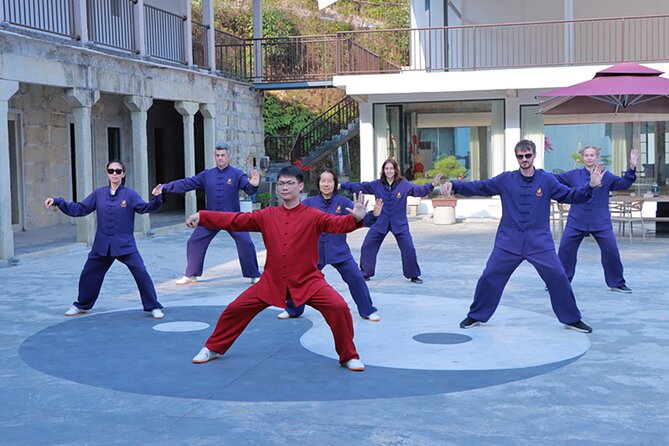
A major part of the week is Eight Brocade Qigong, a traditional set of exercises with eight movements. The program also teaches 10 easy Tai Chi forms. The wording matters here: these are presented as accessible forms, not advanced routines meant for people with years of study.
You will likely repeat the same movements many times. That may sound modest, but repetition is where you begin to notice breathing, weight transfer, and the way one posture leads into the next. If you prefer constant novelty, the course may feel slow. If you want to build a foundation, the pace makes sense.
Meditation is included in the overall approach. The information provided does not give a separate meditation timetable, so you should ask the center how it fits into each day.
What staying seven nights changes
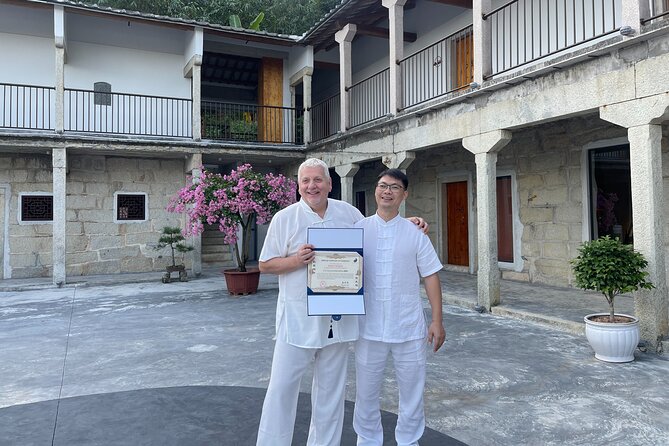
A one-off class can show you what Tai Chi looks like. Seven nights at the center give you a chance to build a daily rhythm.
You will train, rest, eat, and spend time around other students who are working on the same basic skills. That setting makes it easier to return to a movement after a break and ask a teacher to correct it again.
The stay is also designed to allow discussions with the masters about Tai Chi, Qigong, and life. This is one of the more valuable parts for someone who wants the philosophy as well as the exercise. You are given time to consider why the practice emphasizes patience, awareness, and continuous motion.
The center has hosted groups of roughly 10 or 11 people, while the listed maximum is 10. Either way, this is a small setting. Group size can change, but you should expect something more personal than a large retreat with dozens of participants.
The setting is described as having pleasant weather, though no specific months or daily temperatures are supplied. The operating dates run from January 3, 2025, through April 1, 2027, with opening hours listed from 8:00 a.m. to 8:00 p.m. daily. Ask about the best season for your visit before booking.
More Week-Long Trips in the world:
- Pokhara: 7-Day Annapurna Base Camp Trek & Natural Hot Spring
★ 5.0 · 11 reviews - 7 Days Thai Yoga Massage Training and Retreat in Begnas Nepal
★ 5.0 · 6 reviews - Bali: 7 Day Solo Traveler’s Yoga Retreat In Ubud
★ 5.0 · 3 reviews
Food, rooms, and the practical comfort level
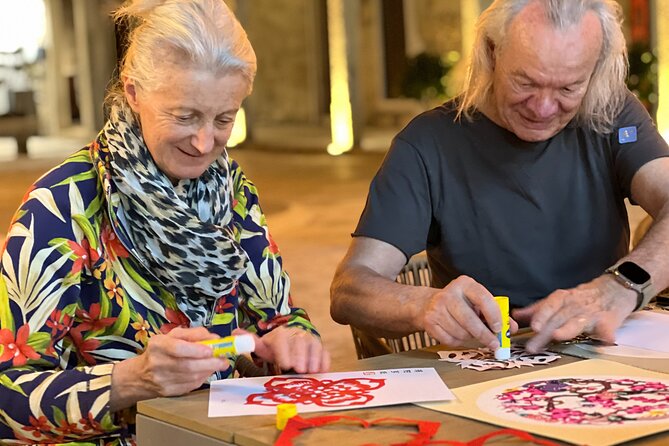
All seven nights of accommodation are included, along with breakfast, lunch, and dinner. Meals focus on Chinese cuisine but include some familiar home comforts. That mix should help if you want to eat locally without committing to unfamiliar dishes at every meal.
Food is more than a line item here. A week of physical practice is easier when meals are regular and already arranged. You do not need to spend time finding restaurants between classes, and you can keep your attention on the course.
The accommodation is described positively, but room types, bathroom arrangements, Wi-Fi, laundry, and single-room supplements are not provided. I would ask these questions before booking, particularly if you have specific comfort needs.
The center is not presented as a luxury resort. Its appeal is the combination of instruction, family-style hospitality, food, and a simple place to stay. That can be exactly right if you value personal attention over polished resort facilities.
The FangYuan team is said to look after students from pickup through departure. The warm welcome and helpful service are a repeated theme in the available comments, but you should still confirm the precise pickup procedure and whether it is included in your fare.
Getting there from Jieyang Chaoshan Airport
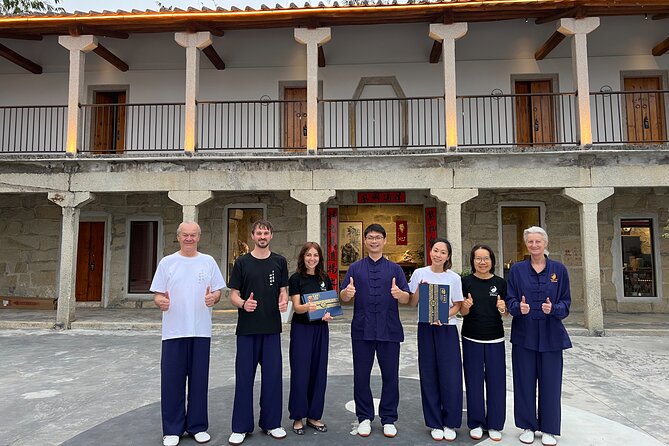
The listed starting point is Jieyang Chaoshan Airport in Rongcheng District, Jieyang, China. Pickup is offered, which is useful after an international journey, particularly if you do not speak Chinese or have never visited the area.
Private transportation is listed as not included. That creates an important question: pickup may be available as part of the center’s arrangement, but it may not be included in the headline price. Confirm the meeting instructions, vehicle cost, and drop-off details in writing.
The airport meeting point is practical, but it does not mean the retreat is a city tour. You are heading to a training center, and the main value begins once you settle in and attend the classes.
The center is described as being near public transportation. That gives you some independence during free periods, although the information does not specify routes, fares, or nearby attractions. Ask the organizers for local transport advice if you plan to explore on your own.
What the $100 price really means
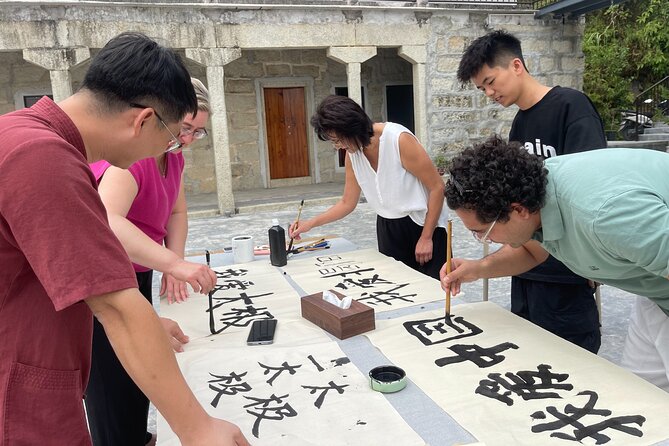
At $100, the advertised price appears remarkably low for seven nights, roughly 20 hours of instruction, three daily meals, accommodation, taxes, and a certificate. That makes the offer worth checking carefully rather than accepting the figure at face value.
Prices can change, and the listing does not clarify whether $100 applies to every date, room type, or booking condition. It also does not state if airport transfers, flights, visas, or personal spending are included. Private transportation is specifically excluded.
If the price is current and the listed inclusions apply, the value is strong. You are paying for a full week of contact with teachers, lodging, food, and a small group. Comparable retreats can cost far more, especially when instruction is in English and the program includes accommodation.
The value is not just financial. Staying on site reduces daily planning, and the time spent with teachers may help you understand the practice better than a series of disconnected classes.
Still, do not book solely because the number is low. Ask for a full written breakdown before sending payment. Confirm the exact dates, what kind of room you receive, airport transfer costs, and whether the seven nights match your arrival and departure times.
Who will enjoy this retreat most
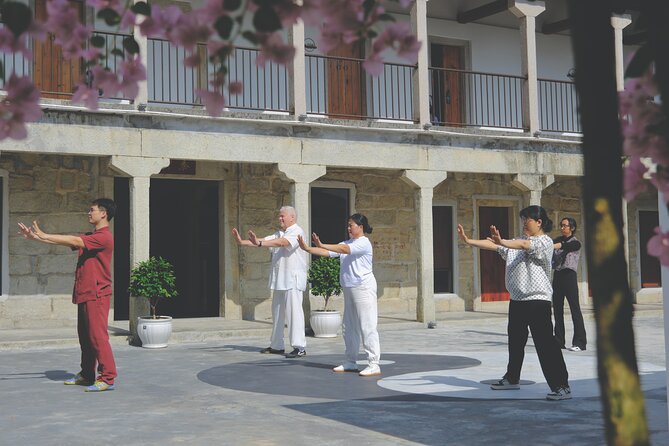
This program suits a first-time student who wants a calm introduction to Tai Chi and Qigong in China. You do not need prior experience, and the course begins with basic stretching, history, breathing, and simple forms.
It also fits an experienced practitioner who wants to train with Master Ping and explore the ideas behind the movements. The teaching may be most useful if you are willing to slow down and work on detail instead of chasing a long list of new forms.
The small group should appeal to anyone who prefers direct access to the teacher. With a maximum of 10 people, you have a better chance of asking questions than you would in a crowded workshop.
This is less suitable if you want a packed sightseeing schedule, nightlife, or a high-end spa. The free time can be used to explore, but the center is primarily a place for training and rest.
Anyone dealing with an injury or a medical condition should ask the provider how the exercises can be adapted. One personal account describes the practice as helpful for pain management after spinal surgery, but that is not a medical guarantee. You should not treat the course as a substitute for professional medical advice.
Booking details worth checking first
Confirmation is provided at booking, and the activity accepts most participants. The group maximum is 10 people. The experience is available daily during the stated operating period, from 8:00 a.m. to 8:00 p.m.
Free cancellation is available up to 24 hours before the experience starts. Cancel later than that, or make changes inside the 24-hour window, and the payment is not refunded. Cutoff times follow local time in China.
I would confirm these details before making travel arrangements:
- The exact seven-night dates
- The daily class timetable
- The room type and any single supplement
- Airport pickup cost and procedure
- The location of the center after leaving the airport
- Any dietary needs or preferred home-style dishes
Should you book the FangYuan retreat?
Book it if you want a slow, structured introduction to Tai Chi and Qigong with English instruction, meals, lodging, and time with Master Ping. The combination of beginner-friendly forms, Eight Brocade Qigong, meditation, and cultural discussion gives the week more substance than a standard exercise class.
Think twice if you need a detailed sightseeing program, luxury accommodation, or a fully transparent all-in price without follow-up questions. The $100 figure is attractive, but you should verify its current terms and the treatment of transportation before booking.
For the right person, this is a practical way to start Tai Chi in China without needing previous experience. Go for the teaching, the steady rhythm, and the chance to spend a week focused on the practice. Just confirm the logistics first.
FAQ
How long is the Tai Chi and Qigong retreat?
The program lasts approximately seven days and includes seven nights of accommodation. It provides about 20 hours of personalized training.
Is the retreat suitable for beginners?
Yes. The program is designed for beginners, and no previous Tai Chi or Qigong experience is required.
What will I learn?
The course includes an introduction to Qigong and Tai Chi history, body stretching techniques, Eight Brocade Qigong, and 10 easy Tai Chi forms. Meditation and controlled breathing are also part of the overall practice.
Are meals and accommodation included?
Yes. Breakfast, lunch, dinner, and seven nights of accommodation are included in the program details. The food combines Chinese cuisine with some familiar home comforts.
Where does the experience start?
The listed starting point is Jieyang Chaoshan Airport in Rongcheng District, Jieyang, China. Pickup is offered, but private transportation is not included, so confirm transfer arrangements before booking.
What is the cancellation policy?
You can cancel for a full refund up to 24 hours before the experience starts. Cancellations or changes made less than 24 hours before the start time are not accepted for a refund.
Just added around the world
- Krakow : Zakopane Tour + Thermal Pools with Hotel Pickup★ 4.8 · 7 reviews
- Krakow: Zakopane, Snowmobiles, Cable Car & Hot Springs Tour★ 4.8 · 8 reviews
- KRAKOW ZAKOPANE TOUR CABLE CAR THERMAL BATHS & HOTEL PICKUP★ 4.4 · 7 reviews
- Zakopane Tour with Thermal Baths – Day Trip from Krakow★ 3.8 · 5 reviews
- Krakow: Zakopane, Thermal Baths and Cable Car★ 5.0 · 6 reviews
- Krakow: Zakopane One Day Trip with Funicular & Thermal Pools★ 4.4 · 12 reviews
- Krakow: Zakopane-Thermal Bath(Evening Time)with Hotel Pickup★ 4.6 · 4 reviews
- Kraków: Twilight Thermal Baths★ 4.5 · 35 reviews
More spa days in China.
Shanghai:Authentic Chinese Body/Foot Massage, Hair& Head SPA
Read our review →
Shanghai Guided Royal Banquet Photo (Incl) with Massage Opt
Read our review →
Beijing : SHUIGUO luxury SPA & Recreation Club day ticket
Read our review →
Chengdu: Sichuan Opera Show & Covered Bowl Tea & Massage
Read our review →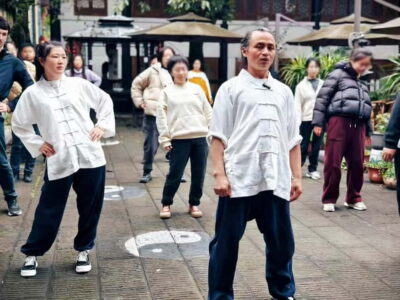
Chongqing: Active Wellness, Monorail, and Hidden Gems Tour
Read our review →Other lists this one is on