
REVIEW · NEPAL
Pokhara: 5 Day Annapurna Base Camp Trek & Natural Hot Spring
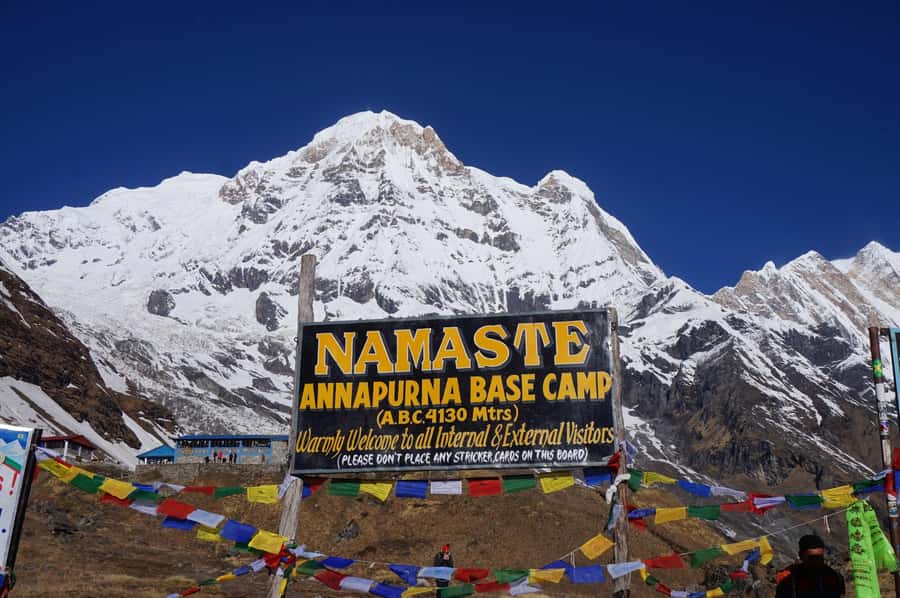
Annapurna Base Camp gives you a rare Himalayan payoff in just five days: terraced fields and forest at the start, a high mountain bowl at the finish, and a hot spring on the way back. You reach 4,130 meters beneath Annapurna, with Machhapuchhre and Hiunchuli close by.
I like the variety of scenery and the way a guide handles the practical work, from permits and lodge arrangements to pacing on steep sections. I also like the human side: Gurung villages, local customs, and guides such as Deepak, Narayan, Hari, Paras, and Basanta who explain more than just the trail.
The catch is simple: this is a hard five-day schedule, not a gentle walk. The ascent is quick, the days can run six hours, cold arrives at base camp, and meals cost extra. It suits a fit novice, but not someone expecting an easy holiday.
Key Points Before You Book
- Annapurna Base Camp at 4,130 meters: Reach the high mountain sanctuary via Machhapuchhre Base Camp.
- A fast route from Pokhara: The trek uses road transport to Jhinu, saving lower trail days but making the remaining climb demanding.
- Four nights in tourist-standard lodges: Accommodation is included, while meals are available for purchase.
- Guides are a major strength: Deepak, Narayan, Hari, Paras, and other English-speaking guides are praised for patience, safety checks, and flexible pacing.
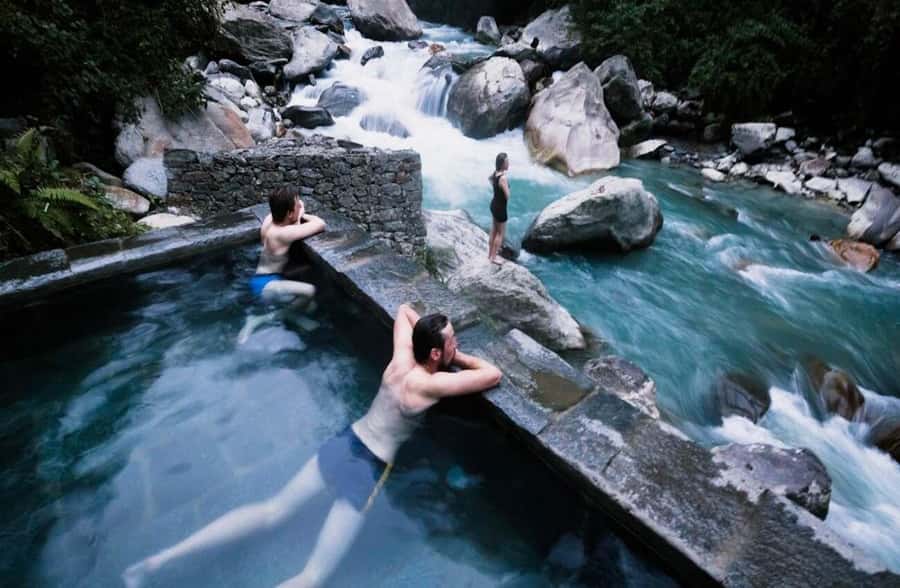
- Jhinu hot spring stop: Soak in natural hot water near the end of the trek before returning to Pokhara.
- Good value at $171: Permits, transport, guide costs, lodging, pickup, luggage storage, and basic equipment help are covered, but meals and a porter are extra.
What This Five-Day Annapurna Trek Is Really Like
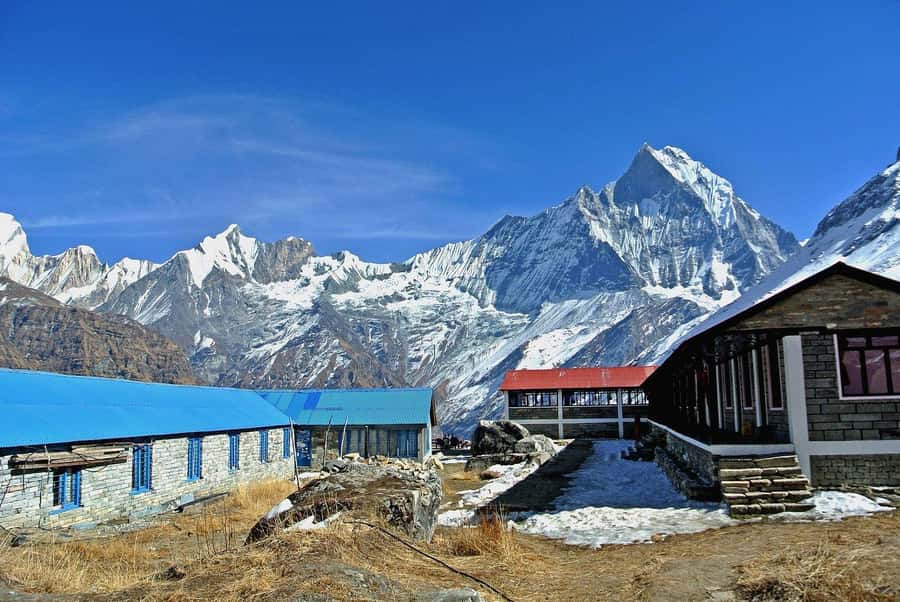
This is a compact route into one of Nepal’s best-known mountain regions. You leave Pokhara by jeep, walk through villages and forests, climb into colder high country, spend time at Annapurna Base Camp, then retrace part of the route before relaxing at Jhinu’s natural hot spring.
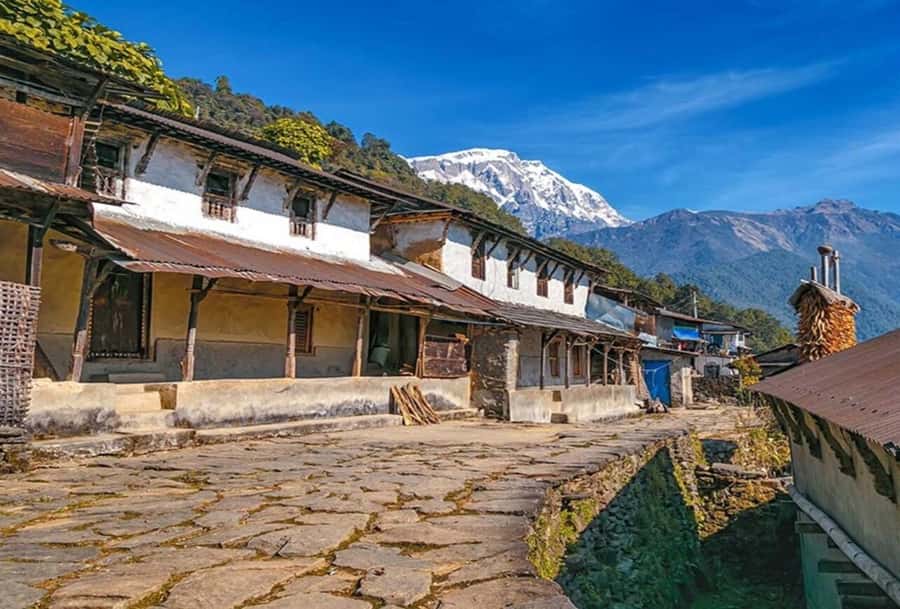
The route is not just about reaching a sign at base camp. You pass through Gurung communities, see changing building styles and farming patterns, cross forested paths, and move from low-altitude greenery into a stark mountain setting. That steady change gives the trip its character.
You travel in a private group with an English-speaking government-registered guide. The guide takes care of permits, trail decisions, lodge arrangements, and the day’s pace. That support matters here because the schedule leaves little spare time if you walk slowly or lose a day to bad weather.
More Hot Springs in Nepal
- From Pokhara: 5-Day Annapurna Basecamp Trek with Hot Springs
★ 4.9 · 26 reviews - Pokhara: 7-Day Annapurna Base Camp Trek & Natural Hot Spring
★ 5.0 · 11 reviews - Pkr/Kathmandu: 5-Day Annapurna Base Camp & Hot spring Trek
★ 5.0 · 6 reviews
Day 1: Pokhara to Jhinu, Then Lower Sinuwa
Your guide collects you from a hotel in Lakeside Pokhara, or from the airport, with a name card. The jeep or SUV ride to Jhinu takes about two hours. Jhinu is the road’s endpoint for this route, so the vehicle saves you a long approach walk.
From Jhinu, you begin climbing toward Lower Sinuwa, reaching about 2,300 meters after roughly five hours of walking. Expect forest, village paths, and steep sections rather than a flat opening day. This is where comfortable shoes matter, and trekking poles can help on steps and descents.
The early scenery is more about daily mountain life than huge peaks. You may see terraced farmland, local homes, and forest paths. The Gurung communities along the route offer a useful window into the people who live and work in this part of Nepal.
Do not treat day one as a warm-up. The road transfer shortens the approach, but the walk still begins with a solid climb. If your legs are not used to sustained uphill walking, start slowly and let your guide set the rhythm.
Day 2: Lower Sinuwa to Deurali
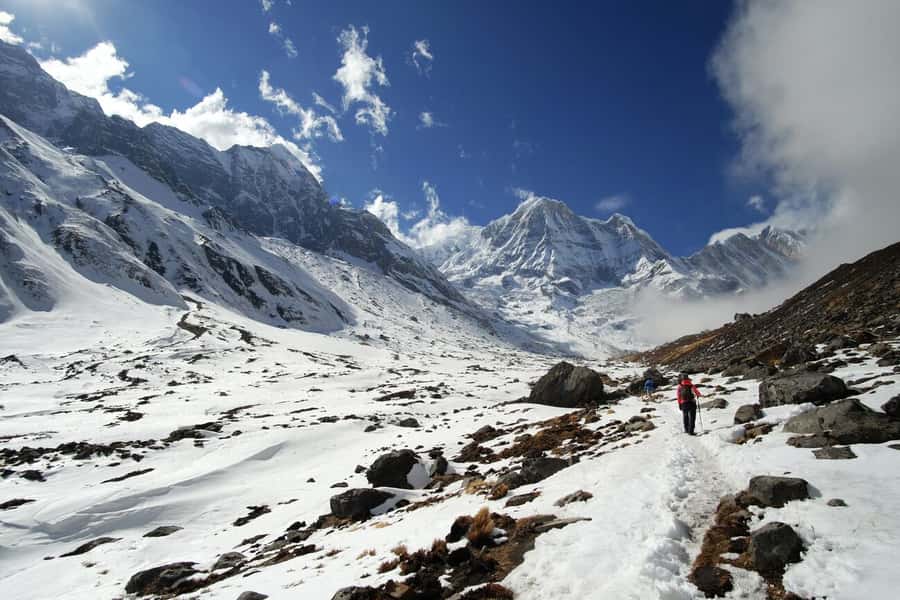
The second day takes you from Lower Sinuwa to Deurali, at about 3,200 meters. The stated walking time is around six hours, making this one of the longer and more tiring days.
The trail continues through forest and changes gradually as you gain height. Waterfalls, quiet paths, temples, and village views are part of the route described by people who have walked it. The forest gives shade, but the many uphill sections still demand steady effort.
This is a day when your guide’s judgment becomes important. Narayan, who has guided in the area for many years, is praised for stopping for food, rest, photographs, and clear explanations of the day’s route. That style suits this trek because rushing today can make the next morning much harder.
Deurali is a useful stopping point before the high route. You are already above 3,000 meters, so pay attention to headaches, unusual tiredness, or feeling unwell. If altitude symptoms appear, tell your guide early. Paras is specifically praised for changing plans when a group member became ill, and other guides have offered medicine or carried a heavier bag when needed.
Day 3: Deurali to Annapurna Base Camp via Machhapuchhre Base Camp
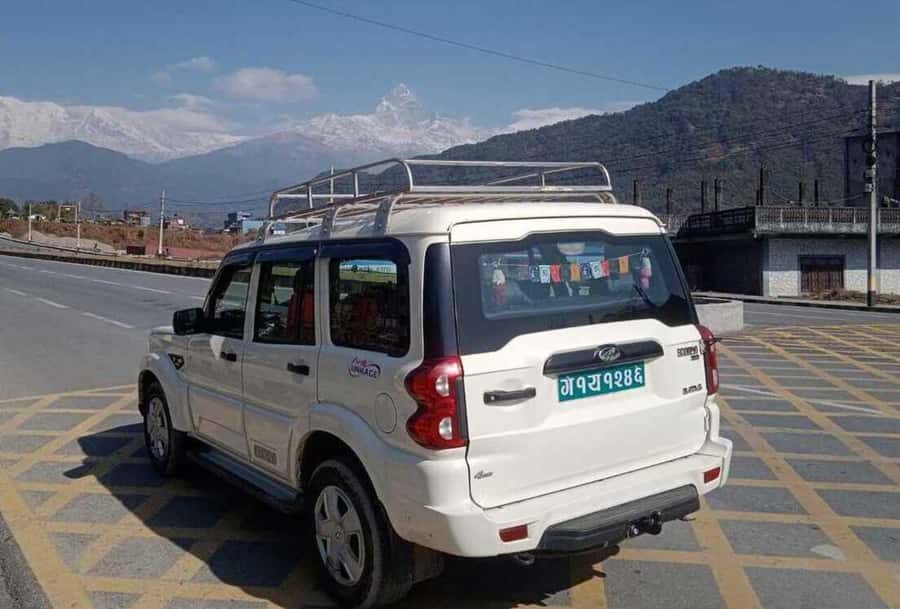
The third day is the dramatic center of the trip. You walk from Deurali through Machhapuchhre Base Camp and continue to Annapurna Base Camp, reaching about 4,130 meters. The listed walking time is around four hours, but the altitude and uphill route can make those hours feel longer.
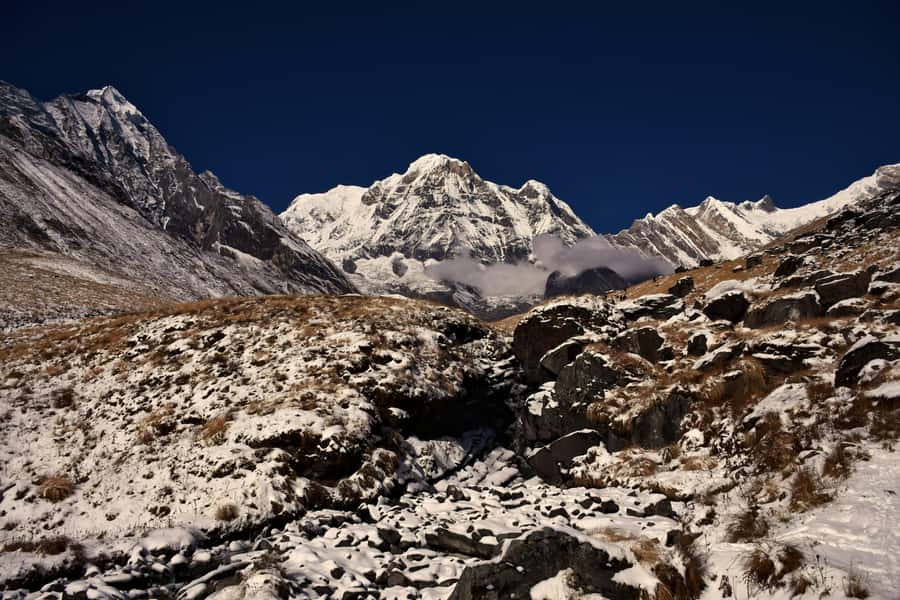
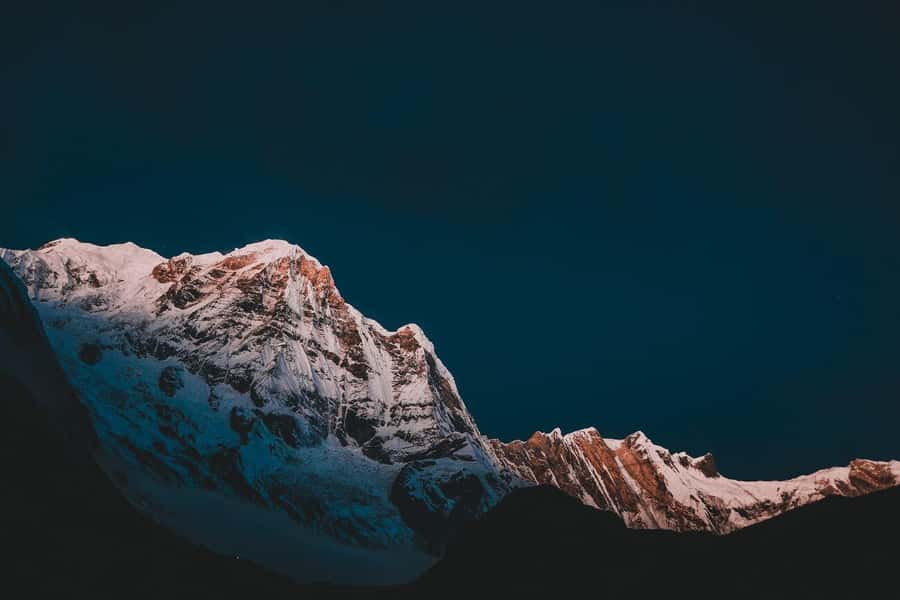
Machhapuchhre, known as Fishtail, is one of the defining peaks in the region. Hiunchuli and the wider Annapurna group add to the mountain views as you move higher. The scenery becomes more open and severe, with fewer trees and a stronger sense that you have entered the high Himalayas.
Annapurna Base Camp sits in a natural mountain bowl surrounded by high peaks. This is the moment the trip has been building toward, but you should not expect a comfortable, casual stroll. The cold can be sharp, and one January departure described clear skies but cold conditions at base camp. Warm layers are essential.
At this altitude, the guide’s job is not simply to point out mountains. You need someone who watches your pace and knows when to stop. Basanta, Sushil, Deepak, and Narayan are all praised for checking on tired walkers, carrying bags when necessary, and allowing people to move at a safe speed.
The four-hour estimate is helpful, but do not build your expectations around the clock. The actual experience depends on your fitness, trail conditions, rest stops, and how your body responds to height. The reward is the setting: a close view of the Annapurna massif rather than a distant lookout from Pokhara.
Same place, a different way to unwind:
- Whole Day Massage & Spa With Lunch
★ 5.0 · 54 reviews - Shirodhara and Sound Healing Spa Experience in Kathmandu
★ 5.0 · 52 reviews - 6 Hours Spa Package in Kathmandu (Massage, Sauna, Steam, Jacuzzi)
★ 5.0 · 43 reviews - 21 days Himalayan yoga retreat in Nepal in Kathmandu
★ 5.0 · 28 reviews
Day 4: Annapurna Base Camp to Bamboo
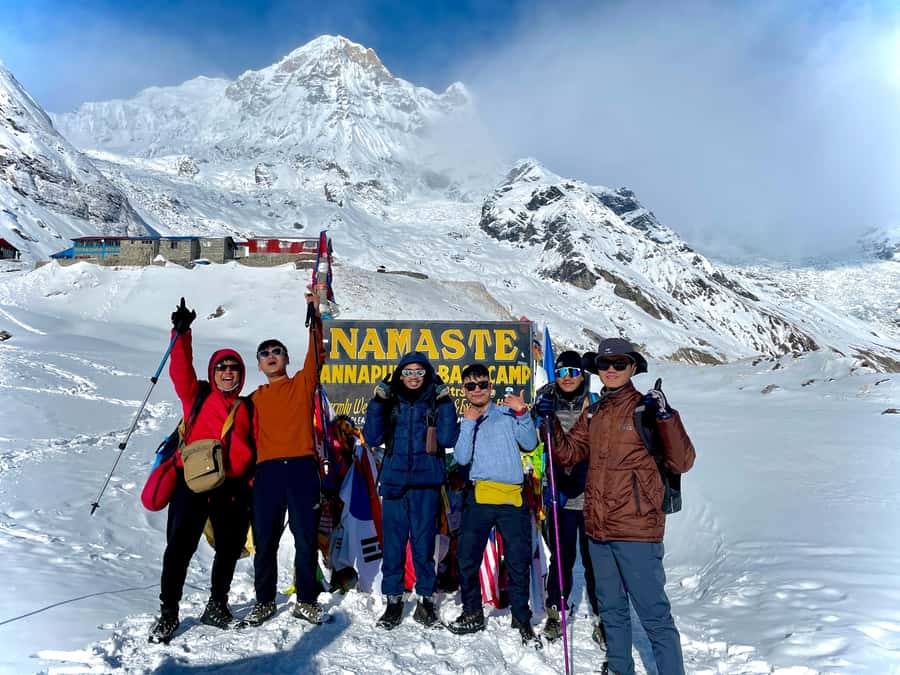
Day four begins with time around Annapurna Base Camp before you walk down to Bamboo, at about 2,400 meters. The listed walking time is six hours.
This morning gives you another chance to take in the mountain bowl, photograph the peaks, and appreciate how quickly the surroundings change once you descend. The route back is not automatically easy. Downhill walking can punish knees and ankles, especially after the high point of the trip.
Bamboo is lower and warmer than base camp, but you still have a long day. Use trekking poles if you have them, keep water accessible, and resist the urge to race downhill. The tour can provide a trekking pole if required, according to the inclusions.
The descent also gives you a second look at the forest route. On the way up, you may be focused on breathing and climbing. On the way down, you can notice plants, waterfalls, village details, and the sound of the trail with less physical strain.
Day 5: Bamboo to Jhinu, Hot Spring, and Pokhara
The final walking day takes you from Bamboo back to Jhinu, with a listed duration of about six hours. From Jhinu, you take a jeep or SUV to Pokhara, a ride of about two hours.
The best part of the finish is the natural hot spring stop at Jhinu. After several days of steep climbs and long descents, a warm soak is more than a sightseeing extra. It gives your legs a chance to recover before the road trip.
The final drive returns you to Pokhara and drops you at Lakeside or another agreed Pokhara location. Keep your expectations practical: after five days in the mountains, you may be tired, dusty, and ready for a proper shower and a quiet meal.
Why the Guides Matter on This Route
The strongest part of this experience is the guide service. That is not a minor detail on a five-day high-altitude trek. Your guide controls the pace, helps with lodges, carries or redistributes weight when needed, and serves as the link between you and local communities.
Several guides receive especially warm praise. Deepak is repeatedly described as calm, encouraging, and attentive, including during monsoon conditions when leeches appeared and mountain views opened only briefly. Narayan is valued for his long experience, clear daily briefings, and willingness to carry a tired walker’s bag.
Hari is praised for explaining local culture and taking care throughout the route. Paras is noted for adapting the plan when altitude sickness affected a group member. Basanta and porter Sushil are described as especially supportive of first-time hikers.
These details tell you what to look for when booking: ask who your guide will be, and tell the company about your fitness level, dietary needs, injuries, or altitude concerns. Guide assignment may vary, but the company has a pool of guides with strong feedback for personal care.
Lodges, Food, and What the $171 Covers
At $171 per person, this trek offers solid value if you use the included services. The price covers tourist-standard lodge accommodation, hotel pickup and drop-off in Pokhara, the shared jeep between Pokhara and Jhinu, Annapurna Conservation Area permits, government permits, TIMS, taxes, and guide expenses.
The guide’s food, lodging, insurance, salary, transport, and equipment are also covered. You receive a first-aid kit, and a duffel bag, trekking pole, or trekking bag can be provided if needed. Luggage storage in Pokhara is included as well, although one booking had to arrange storage independently, so confirm the details before departure.
Meals are not included. You can buy food at the lodges, and prices generally become more important as you climb. Carry enough cash, since the supplied information specifically warns that lodge prices vary higher on the route.
A porter is optional at $15 per day. I would consider one if you are new to multi-day hiking, want to keep your daypack light, or are traveling with a larger group. Do not assume that guide service includes porterage.
Accommodation is described as private lodging in tourist-standard lodges. It is functional mountain accommodation, not a luxury hotel stay. Bring realistic expectations about comfort, especially at higher elevations.
Difficulty, Altitude, and Seasonal Conditions
This trek is achievable for a fit novice, but the five-day timing makes it demanding. The biggest physical challenges are steep climbs, long walking days, the rapid rise to 4,130 meters, and the descent after base camp.
Several first-time hikers completed the route with guide support, but they still describe it as difficult. That is the right way to think about it. You do not need to be an expert mountaineer, yet you should be comfortable walking uphill for hours.
Altitude sickness deserves serious attention. If you feel ill, tell the guide immediately instead of trying to hide it. The guide can slow the pace, suggest an alternative, offer support, or change the plan. Do not treat medicine mentioned by past participants as a substitute for professional medical advice.
Weather changes the feel of the trek. January can bring clear skies and cold nights. The monsoon months can bring rain, leeches, cloud, and fewer crowds. Waterproof shoes and a proper poncho are useful in wet conditions. Clear mountain views are never guaranteed, especially during the monsoon.
Wear broken-in comfortable shoes and bring your passport or an accepted copy. The supplied essentials list is short, so you should ask the operator for a full packing list before setting out.
Culture Along the Trail
The villages are not decoration for the route. They are working communities, and the Gurung culture is one of the most meaningful parts of the walk. Guides such as Hari, Basanta, Sandesh, Bidur, and Rudra are praised for explaining local life, teaching Nepali words, and sharing details about people who live in the mountains.
That personal contact can make the trek feel less like a race to a famous viewpoint. Take time to greet residents, respect homes and religious sites, and ask before taking close-up photographs.
The trail also has its own small moments. Dogs sometimes accompany walkers for stretches before turning back toward their village. A few people even carried biscuits for these friendly trail companions. It is a charming detail, but remember that local dogs are still animals, so offer food only if your guide approves.
Who Should Book This Trek?
I would choose this trip if you have five days, want a serious Himalayan walk, and prefer having permits, transport, and lodge planning handled for you. It is especially suitable for first-time high-altitude trekkers who want a private group and a guide close at hand.
It also works well for friends or couples who want a shared challenge without joining a large public group. The guide can adjust the pace to the group, and the option of adding a porter makes the route more manageable.
I would think twice if you dislike steep walking, cold nights, basic lodging, or paying separately for meals. Pregnant people should not book this activity, and anyone with health concerns should get appropriate medical advice before choosing a rapid ascent to 4,130 meters.
Should You Book the Annapurna Base Camp Trek?
Book it if the base camp goal matters to you and you accept that the route is physically demanding. The price is fair for the permits, transport, guide costs, lodging, airport or hotel pickup, and equipment support included.
The most important booking question is not simply the price. Ask which guide is assigned, confirm the luggage-storage arrangement, understand that meals and porter service cost extra, and prepare for cold weather and altitude. With realistic expectations, this is a strong short trek from Pokhara, especially for someone who wants mountain scenery, village contact, and a well-supported route rather than a solitary hike.
FAQ
How long is the Annapurna Base Camp trek?
The activity lasts five days and includes four nights. The route reaches Annapurna Base Camp at 4,130 meters.
Where does the trek begin?
Pickup is available from hotels in Lakeside Pokhara or from Pokhara Airport. You then travel by shared jeep or SUV to Jhinu, the road endpoint for the route.
How long is the drive from Pokhara to Jhinu?
The jeep or SUV journey takes about two hours. The return drive from Jhinu to Pokhara is also listed as about two hours.
What is the highest point on the route?
Annapurna Base Camp is the highest listed point, at approximately 4,130 meters. The route also passes through Machhapuchhre Base Camp.
Are meals included?
No. Meals are available for purchase during the trek and are not included in the listed price.
Is a porter included?
No. Porter service is optional and costs $15 per day. Guide expenses are included.
What accommodation is provided?
The package includes private accommodation in tourist-standard lodges for the four nights of the trek.
Is transportation included?
Yes. Hotel or airport pickup and drop-off in Pokhara are included, along with shared jeep transport between Pokhara and Jhinu.
What should I bring?
Bring your passport or an accepted copy and comfortable shoes. You should also prepare for cold conditions at base camp and ask for a fuller equipment list before departure.
More Hikes and Treks in Nepal
- Bali: Mount Batur Sunrise Guided Hike and Natural Hot Spring
★ 4.8 · 9,284 reviews - Mount Batur Sunrise Hike and Natural Hot Spring Option
★ 5.0 · 1,927 reviews - Private Tour Mount Batur Sunrise Trekking and Natural Hot Spring
★ 5.0 · 431 reviews - Mount Batur Sunrise Hike, Breakfast & Hot Spring
★ 5.0 · 316 reviews
Just added around Nepal
- Kathmandu: Full-Day Yoga, Body Massage and Pedicure Package★ 5.0 · 3 reviews
- Kathmandu: Spa Package with Massage, Facial and Bath★ 4.1 · 11 reviews
- 10 Days Ayurveda & Yoga Retreat in Kathmandu, Nepal★ 5.0 · 24 reviews
- 21 Day Ayurveda & Yoga Retreat in the Himalayan country, Nepal★ 5.0 · 19 reviews
- 7 Days Thai Yoga Massage Training and Retreat in Begnas Nepal★ 5.0 · 6 reviews
- 6 Hours Spa Package in Kathmandu (Massage, Sauna, Steam, Jacuzzi)★ 5.0 · 43 reviews
- Whole Day Massage & Spa With Lunch★ 5.0 · 54 reviews
- 21 days Himalayan yoga retreat in Nepal in Kathmandu★ 5.0 · 28 reviews
More spa days in Nepal.
Shirodhara and Sound Healing Spa Experience in Kathmandu
Read our review →
6 Hours Spa Package in Kathmandu (Massage, Sauna, Steam, Jacuzzi)
Read our review →
21 days Himalayan yoga retreat in Nepal in Kathmandu
Read our review →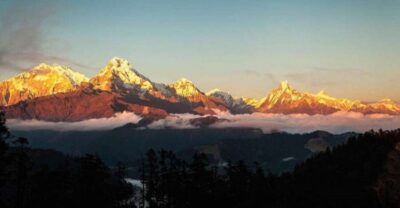
10 Days Ayurveda & Yoga Retreat in Kathmandu, Nepal
Read our review →
21 Day Ayurveda & Yoga Retreat in the Himalayan country, Nepal
Read our review →
Other lists this one is on