
REVIEW · NEPAL
Pokhara: 7-Day Annapurna Base Camp Trek & Natural Hot Spring
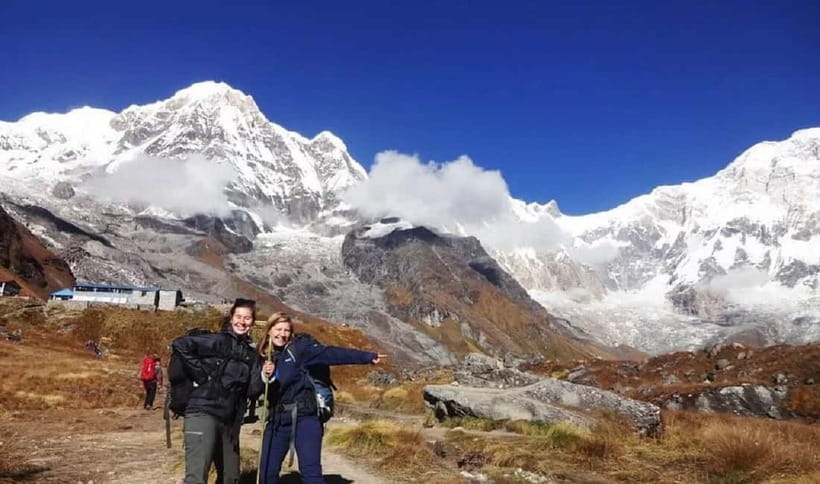
Annapurna Base Camp is the prize here, but the route earns it honestly. Over seven days, you walk from Pokhara through Gurung villages, rhododendron forests, and stone stairways into a high mountain bowl surrounded by Annapurna I and Machhapuchhre. Then you come back down by way of Jhinu Danda, where a hot spring takes the sting out of tired legs.
I like two things right away: the private-group format, which lets the guide adjust the pace, and the strong guide support reported by guests who traveled with Chandra, Bishnu Giri, Anil, Laxman, Sun, and Jeet Bahadur. The $181 price also covers permits, tea house lodging, meals on the selected option, transport, guide costs, and basic trekking gear. The main caution is simple: this is a real mountain trek, with long days and a high point of 4,130 meters.
Key points to know before booking
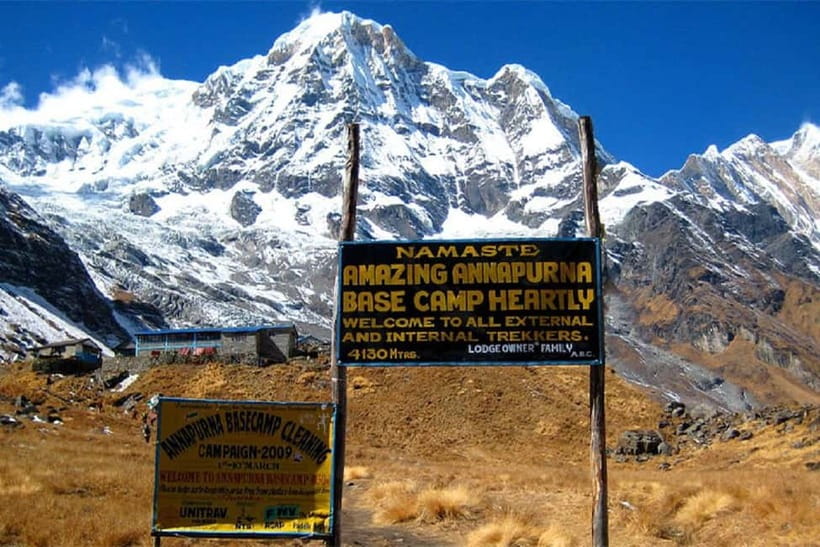
- Annapurna Base Camp reaches 4,130 meters: You spend a night at the base camp after a demanding six to seven hour walking day.
- The route changes character every day: Expect villages, terraces, forest, river valleys, waterfalls, and alpine scenery rather than one repeated trail view.
- The guide is central to the experience: English, Hindi, and Nepali support is available, with past guides including Chandra, Bishnu Giri, Anil, Laxman, Sun, and Jeet Bahadur.
- Jhinu Danda adds a useful reward: The natural hot spring follows the high point of the trek and gives you a relaxed final stretch.
- Simple tea houses are part of the deal: You get practical mountain lodging, not hotel comfort, and meals depend on the option you choose.
- The $181 package covers a lot: Permits, TIMS fees, transport, guide expenses, taxes, first aid, storage in Pokhara, and trekking gear are included.
Why this seven-day route works
The Annapurna Base Camp route is a good choice if you want a major Himalayan trek without committing to two or three weeks on the trail. It packs a lot into seven days: a starting point near Pokhara, a steady climb through the Modi Khola valley, a night inside the Annapurna Sanctuary, and a return through Jhinu Danda.
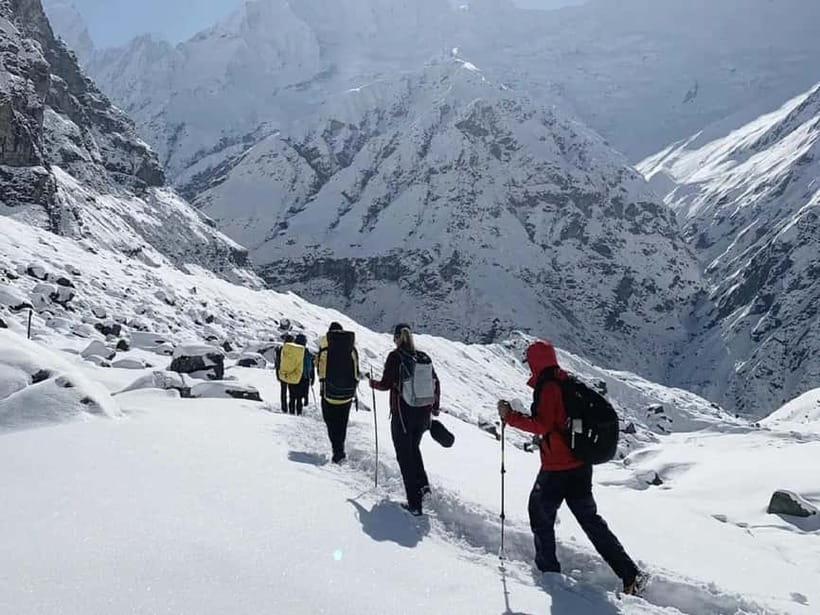
You should not mistake the short schedule for an easy schedule. The walking days run about five to seven hours, and the route includes repeated ascents and descents on stone steps. Day four is the biggest test, when you climb from Himalaya through Machhapuchhre Base Camp to Annapurna Base Camp at 4,130 meters.
I like the way the scenery develops in stages. Early on, you see farmland, villages, and forest. Higher up, the trees thin out and the trail begins to feel more exposed and remote. Inside the sanctuary, giant peaks surround you on several sides, giving the trek a clear sense of arrival.
The private group is especially useful on a route like this. You can talk with the guide about pace, rest stops, and how you are handling the height. A past guide, Chandra, was praised for explaining the mountains and adjusting guesthouse plans to match progress. That kind of flexibility matters more than a rigid schedule when your legs or the altitude do not cooperate.
More Hot Springs in Nepal
- Pokhara: 5 Day Annapurna Base Camp Trek & Natural Hot Spring
★ 4.9 · 44 reviews - From Pokhara: 5-Day Annapurna Basecamp Trek with Hot Springs
★ 4.9 · 26 reviews - Pkr/Kathmandu: 5-Day Annapurna Base Camp & Hot spring Trek
★ 5.0 · 6 reviews
Day one: Pokhara to Ghandruk at 1,940 meters
The trip begins with transport from your hotel or Pokhara International Airport, depending on the option selected. The drive to Nayapool takes about one hour, followed by roughly five to six hours of walking to Ghandruk.
Ghandruk is a strong first overnight stop. This traditional village gives you an immediate feel for the local side of the trek, rather than dropping you straight into a forest trail. The route follows the Modi Khola area through villages and wooded sections before reaching the settlement at 1,940 meters.
You should expect a full day, even though the altitude is still moderate. The first walking hours are useful for finding your rhythm, testing your footwear, and learning how your guide manages the pace.
One practical point deserves attention. The stated plan uses a drive to Nayapool and then walking, but one guest specifically wished for a car or jeep on the road sections at the beginning and end instead of dusty road walking. Ask the operator exactly which parts are driven for your departure. That small clarification can make the first day more comfortable.
Day two: Stone steps and wide views to Chomrong
From Ghandruk, you walk for about five to six hours to Chomrong, at 2,170 meters. This is a day of forest paths and stone stairways, with views toward the Annapurna range and Machhapuchhre.
Chomrong is an important stop because it marks the route’s transition toward the sanctuary. The village sits above the Modi Khola valley, and the views begin to feel more distinctly Himalayan. The climb is not just one steady uphill push. You should expect changes in grade and plenty of steps, so a comfortable pace is more useful than trying to rush.
This is also where the guide’s experience earns its keep. Several guides on this trip have been praised for watching health and endurance, offering encouragement, and helping with small problems. Bishnu Giri, who has more than 20 years of experience according to the information provided, was particularly valued for advice at higher elevations and for sharing stories about Nepali culture.
The tea house stay is simple but practical. You get a bed and a place to eat along the route, with comfort depending on the particular lodge and the selected meal option. Bring cash for personal snacks and drinks, since those are not included.
Day three: Chomrong to Himalaya through forest
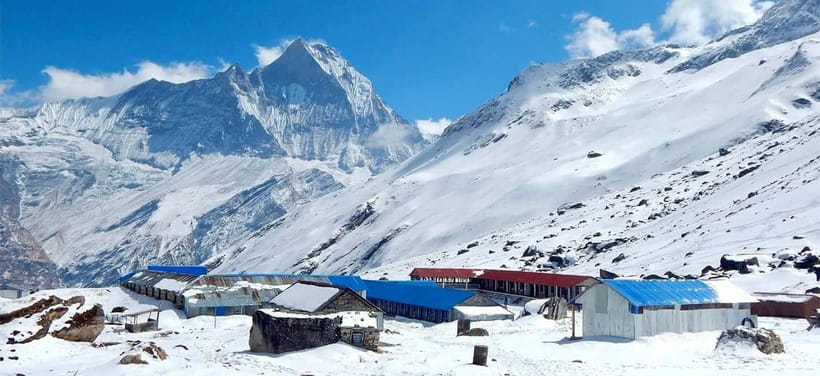
Day three covers about six to seven hours and finishes at Himalaya, at 2,920 meters. The route drops toward the river before climbing again through bamboo and rhododendron forest.
This up-and-down pattern is one of the route’s defining features. On a map, a destination may not look dramatically higher, but the walking effort comes from losing height and then regaining it. You will want to conserve energy here, since the next day is the hardest.
The forest is a welcome change from open stairways and village paths. Bamboo, rhododendron, and other woodland sections shade parts of the trail, while the river valley and waterfalls add sound and movement to the walk. You are now heading into a more enclosed mountain setting, with the higher peaks appearing and disappearing as the trail bends.
Himalaya at 2,920 meters is a useful acclimatization stop before the base camp push. You should drink regularly, eat even if your appetite is low, and tell your guide about headaches, unusual fatigue, or nausea. The guide is there to help assess how you are coping, but travel insurance and emergency rescue coverage remain your responsibility.
Same place, a different way to unwind:
- Whole Day Massage & Spa With Lunch
★ 5.0 · 54 reviews - Shirodhara and Sound Healing Spa Experience in Kathmandu
★ 5.0 · 52 reviews - 6 Hours Spa Package in Kathmandu (Massage, Sauna, Steam, Jacuzzi)
★ 5.0 · 43 reviews - 21 days Himalayan yoga retreat in Nepal in Kathmandu
★ 5.0 · 28 reviews
Day four: Machhapuchhre Base Camp to Annapurna Base Camp
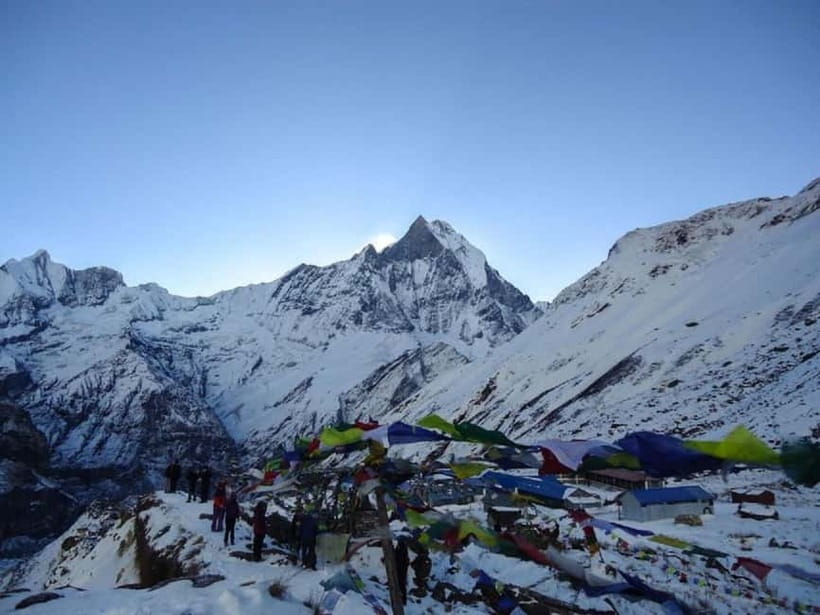
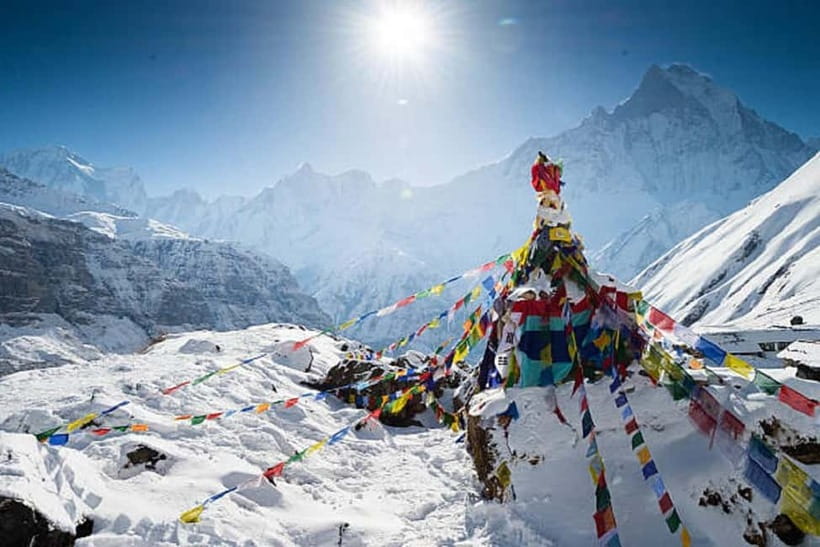
This is the key day. You walk about six to seven hours from Himalaya through the alpine zone, pass Machhapuchhre Base Camp, and reach Annapurna Base Camp at 4,130 meters.
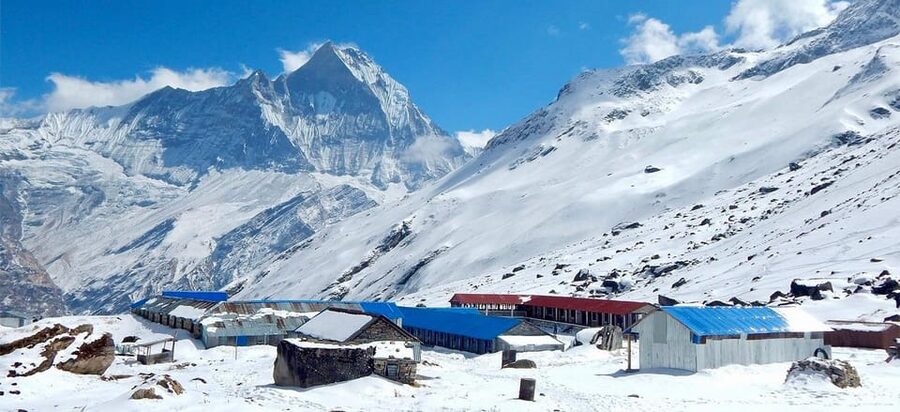
The trail now leaves much of the forest behind and enters a glacier valley. The setting becomes larger and more severe, with snow peaks and steep mountain walls surrounding the route. At Annapurna Base Camp, you are inside the Annapurna Sanctuary, an enclosed high valley framed by massive summits.
This is the day to walk slowly. The height is significant, and the route’s beauty can tempt you to spend all your energy stopping for photographs. Your guide can set a steady pace and watch for signs that you are struggling. The trip information says that participants should be in good health and have a reasonable fitness level, and that warning deserves serious attention.
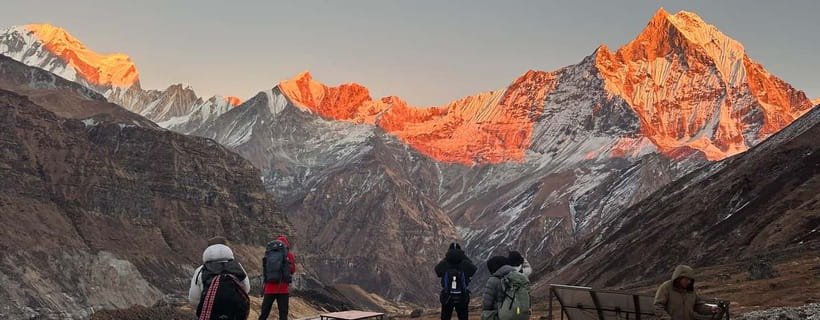
You spend the night at base camp, which makes the achievement feel more complete than simply reaching the viewpoint and turning around. Sunrise and sunset can be especially memorable here when the weather is clear. January may appeal to you if you prefer quieter trails and tea houses, as one January booking found the route less crowded and peaceful, though mountain weather can always change.
The accommodation remains a tea house or lodge, not a luxury mountain hotel. Pack warm clothing, gloves, a sleeping bag if needed, and a flashlight. The supplied trekking gear can include a trekking stick and sleeping bag as needed, but confirm what is available before departure.
Day five: The long descent to Bamboo
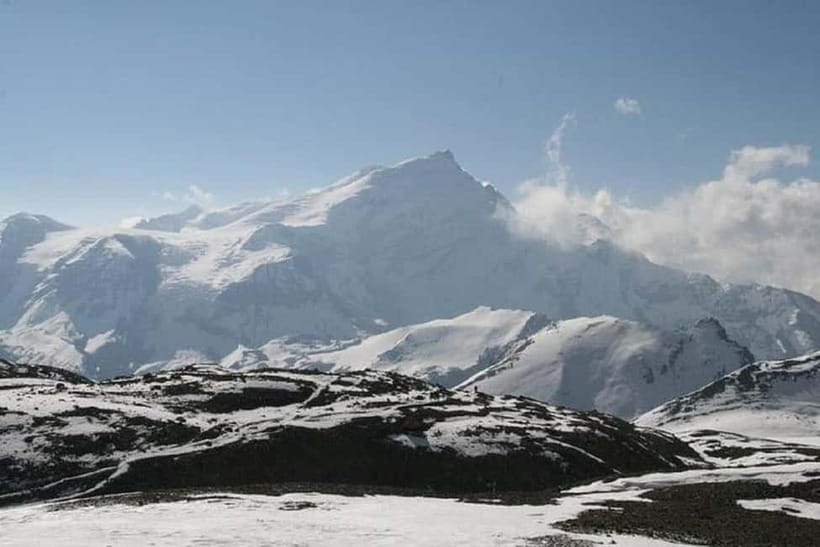
After the high point, you walk six to seven hours down to Bamboo, at 2,335 meters. The route retraces part of the valley, but the view feels different when you are descending and looking back toward the peaks.
This day is easier on the lungs than the climb to base camp, but it can be hard on knees and ankles. Trekking poles are useful, and the included trekking stick may help. Waterfalls, forest, and changing views keep the descent from becoming a dull march.
The drop from 4,130 meters to 2,335 meters also gives your body a break from the high altitude. Still, do not treat the day as effortless. Long downhill sections can create their own fatigue, especially after the base camp night.
Bamboo is a practical overnight point. It brings you back into a lower, greener part of the route and puts you in position for Jhinu Danda the next day.
Day six: Bamboo to Jhinu Danda and the hot spring
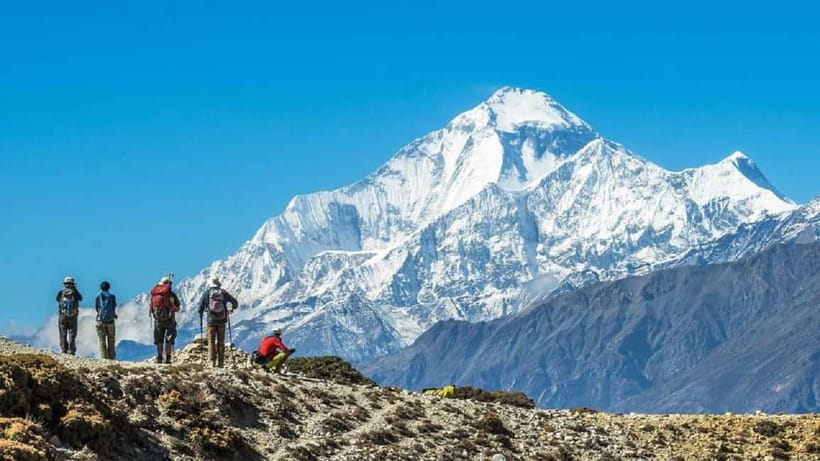
The walk from Bamboo to Jhinu Danda takes about five to six hours and ends at 1,610 meters. You descend toward the riverside, then settle in for the trip’s most welcome extra: a natural hot spring bath.
Jhinu Danda gives the trek a satisfying change of mood. The base camp day is about height and scale. This stop is about slowing down, warming tired muscles, and spending time in a lower mountain village. Bring a towel, swimsuit or change of clothes, and sandals if you have them. The packing list specifically calls for a towel and change of clothes, which are easy to overlook.
The hot spring is not a substitute for medical care or a guarantee that every ache disappears, but it is a well-timed comfort after several days of stairs. You stay overnight at Jhinu Danda, so you are not forced to rush from the pool straight into a vehicle.
Day seven: Return to Nayapool and Pokhara
The final day includes about four to five hours of walking to Nayapool and roughly one hour of driving back to Pokhara. Drop-off can be arranged at listed locations that include Pokhara Lakeside hotels, Hotel Temple Tree, Hotel Barahi, Middle Path Spa and Beauty Salon, Sarangkot, and Pokhara International Airport.
The road sections deserve the same clarification as day one. One past guest preferred a car or jeep instead of walking on dusty roads at the start and finish. Ask what your exact departure includes, especially if you have a flight or want to reach your hotel at a particular time.
The return is more than a transfer. You have moved from village trails to the high sanctuary and back down to a hot spring, then returned to the city with a clear sense of the route’s changing character.
What the $181 price really covers
At $181 per person, this is a strong-value package if you want the practical pieces arranged for you. The price includes required trekking permits, TIMS fees, paperwork, tea house accommodation, meals depending on the selected option, round-trip transport, and an English-speaking government-certified guide.
It also covers the guide’s salary, meals, lodging, insurance, transport, equipment, and other expenses. Government and local taxes, a first aid kit, luggage storage in Pokhara, and some trekking gear are included as well.
You still need to budget for personal snacks and beverages, travel insurance, and emergency rescue services if required. A porter is optional at $20 per day. That porter fee may be worthwhile if you want to carry only a daypack, though the tour’s stated inclusions do not cover it.
The biggest price question is the meal option. Meals are included depending on the option selected, so read that part carefully before booking. You should also confirm what trekking gear is supplied, rather than assuming every item on the packing list comes with the trip.
Guide quality and the private-group advantage
The strongest thread running through this experience is the guide support. Chandra was praised for clear English, mountain information, flexibility, and attention to progress. Bishnu Giri was valued for health advice, cultural stories, and encouragement. Anil was helpful with walking and food, while Jeet Bahadur brought energy and humor to the week.
Other named guides include Laxman and Sun. The point is not that one specific guide is guaranteed, since assignments can vary. The useful detail is that the company has several guides who have been singled out for kindness, safety awareness, cultural explanation, and steady encouragement.
You receive guiding in English, Hindi, or Nepali, and the group is private. That setup suits you if you want direct help rather than being one person in a large hiking party. It also makes it easier to discuss pace, rest, food, and how you are feeling at altitude.
Who should book this trek
I would choose this trip if you want a concentrated Himalayan challenge, enjoy walking five to seven hours a day, and value scenery and village life more than polished accommodation. It suits fit visitors who have enough time to prepare but do not want a very long Nepal itinerary.
You should think twice if you dislike stairs, basic tea houses, cold nights, or changing weather. The 4,130-meter high point is not a minor detail. You need proper travel insurance, warm clothing, rain gear, sturdy hiking shoes, sunscreen, sunglasses, gloves, cash, and a power bank.
The trek also suits you if the hot spring matters. Jhinu Danda is not just a final overnight stop. It gives the route a comfortable finish and helps balance the effort of the base camp climb.
Should you book the Annapurna Base Camp trek?
Book it if you want a well-supported seven-day route with a major goal, strong scenery, local villages, and a hot spring ending. The package offers good value because many necessary costs are already covered, and the private guide format gives you more personal attention than a large group tour.
Do not book it simply because the price is low. Prepare for long walking days, basic lodging, repeated climbs, and serious altitude. If you are fit, pack well, confirm the meal and transport details, and take the guide’s health advice seriously, this is a compact and rewarding way to reach Annapurna Base Camp from Pokhara.
FAQ
How long is the Annapurna Base Camp trek?
The experience lasts seven days. Walking days range from about four to seven hours, with driving sections of roughly one hour on the first and final days.
What is the highest altitude reached?
Annapurna Base Camp is at 4,130 meters, or 13,550 feet. You spend the fourth night there after walking through Machhapuchhre Base Camp.
Is transportation from Pokhara included?
Yes. Round-trip transportation between your hotel or Pokhara International Airport, the trek starting point, and Pokhara is included. Pickup is available from Pokhara International Airport or hotels in the Lakeside area.
Are trekking permits and TIMS fees included?
Yes. The package includes required trekking permits, government paperwork, and TIMS fees.
What type of accommodation is provided?
You stay in simple tea houses or lodges along the route. The itinerary lists overnight stops in Ghandruk, Chomrong, Himalaya, Annapurna Base Camp, Bamboo, and Jhinu Danda.
Are meals included?
Meals are included depending on the option selected. Personal snacks and beverages are not included.
Is a porter included?
No. A porter is optional and costs $20 per day. The guide’s meals, accommodation, insurance, salary, transport, and equipment are included.
Do I need travel insurance?
Yes. Travel insurance is mandatory. Emergency rescue services are available if needed, but emergency rescue costs are not included in the stated price.
More Week-Long Trips in Nepal
- 7 Days Thai Yoga Massage Training and Retreat in Begnas Nepal
★ 5.0 · 6 reviews - 7-Day TaiChi & Qigong Wellness Retreat in China
★ 5.0 · 20 reviews - Bali: 7 Day Solo Traveler’s Yoga Retreat In Ubud
★ 5.0 · 3 reviews
More Hikes and Treks in Nepal
- Bali: Mount Batur Sunrise Guided Hike and Natural Hot Spring
★ 4.8 · 9,284 reviews - Mount Batur Sunrise Hike and Natural Hot Spring Option
★ 5.0 · 1,927 reviews - Private Tour Mount Batur Sunrise Trekking and Natural Hot Spring
★ 5.0 · 431 reviews - Mount Batur Sunrise Hike, Breakfast & Hot Spring
★ 5.0 · 316 reviews
Just added around Nepal
- Kathmandu: Full-Day Yoga, Body Massage and Pedicure Package★ 5.0 · 3 reviews
- Kathmandu: Spa Package with Massage, Facial and Bath★ 4.1 · 11 reviews
- 10 Days Ayurveda & Yoga Retreat in Kathmandu, Nepal★ 5.0 · 24 reviews
- 21 Day Ayurveda & Yoga Retreat in the Himalayan country, Nepal★ 5.0 · 19 reviews
- 7 Days Thai Yoga Massage Training and Retreat in Begnas Nepal★ 5.0 · 6 reviews
- 21 days Himalayan yoga retreat in Nepal in Kathmandu★ 5.0 · 28 reviews
- Shirodhara and Sound Healing Spa Experience in Kathmandu★ 5.0 · 52 reviews
- 6 Hours Spa Package in Kathmandu (Massage, Sauna, Steam, Jacuzzi)★ 5.0 · 43 reviews
More spa days in Nepal.
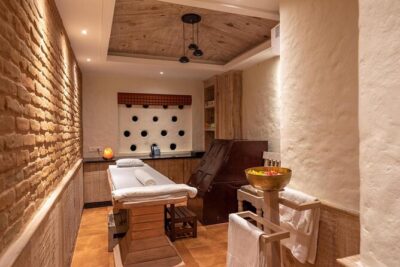
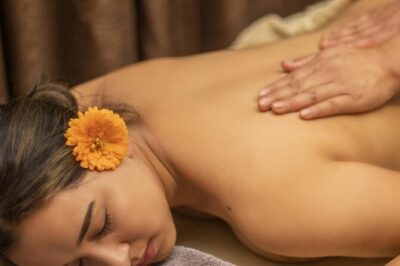
Shirodhara and Sound Healing Spa Experience in Kathmandu
Read our review →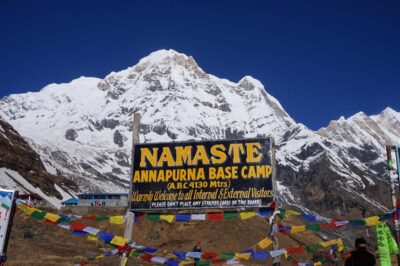
5 Day Annapurna Base Camp Trek & Natural Hot Spring
Read our review →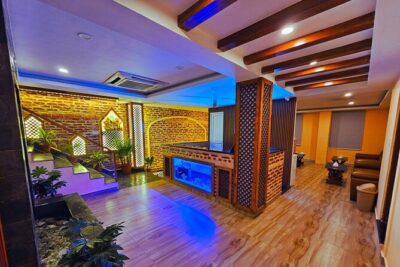
6 Hours Spa Package in Kathmandu (Massage, Sauna, Steam, Jacuzzi)
Read our review →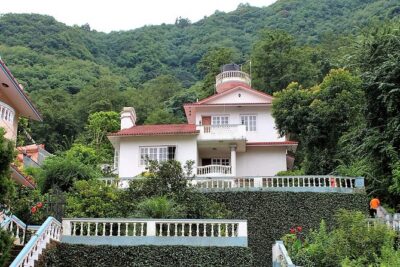
21 days Himalayan yoga retreat in Nepal in Kathmandu
Read our review →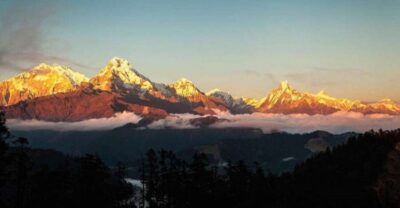
10 Days Ayurveda & Yoga Retreat in Kathmandu, Nepal
Read our review →
21 Day Ayurveda & Yoga Retreat in the Himalayan country, Nepal
Read our review →Other lists this one is on